Have you ever wondered if the mold growing inside your air conditioner could be making you sick? You might not see it, but hidden mold in your AC can affect your health in ways you never expected.
If you’ve been feeling tired, sneezing more, or struggling with constant headaches, your air conditioner might be the culprit. Keep reading to discover how mold in your AC can impact your well-being and what you can do to protect yourself and your family.
Don’t ignore this silent threat—your health depends on it.
Credit: www.puroclean.com
Mold Growth In Air Conditioners
Moldcan grow inside air conditioners. It loves dark, damp placeswith little air. This can cause health problemslike allergies and breathing trouble. Common mold types in AC units include:
- Cladosporium: often found on wet surfaces
- Aspergillus: can cause lung infections
- Penicillium: known for a musty smell
- Alternaria: triggers asthma and allergies
Mold grows because of:
- Moisturefrom condensation or leaks
- Poor ventilationinside the unit
- Dirty filtersthat trap dust and moisture
- Warm temperaturesthat help mold spread

Credit: www.reddit.com
Health Risks Linked To Mold Exposure
Mold in air conditionerscan cause many health problems. It grows in damp parts of the unit.
Respiratory issuesare common. Mold spores irritate the lungs and airways. This can cause coughing, wheezing, and shortness of breath. People with asthma may have worse attacks.
Allergic reactionsinclude sneezing, runny nose, and itchy eyes. Some people get skin rashesfrom mold exposure. These reactions can be mild or severe.
Long-term health effectshappen if mold exposure continues. It may lead to chronic bronchitis, sinus infections, and fatigue. People with weak immune systems are more at risk.
Signs Of Mold In Your Ac Unit
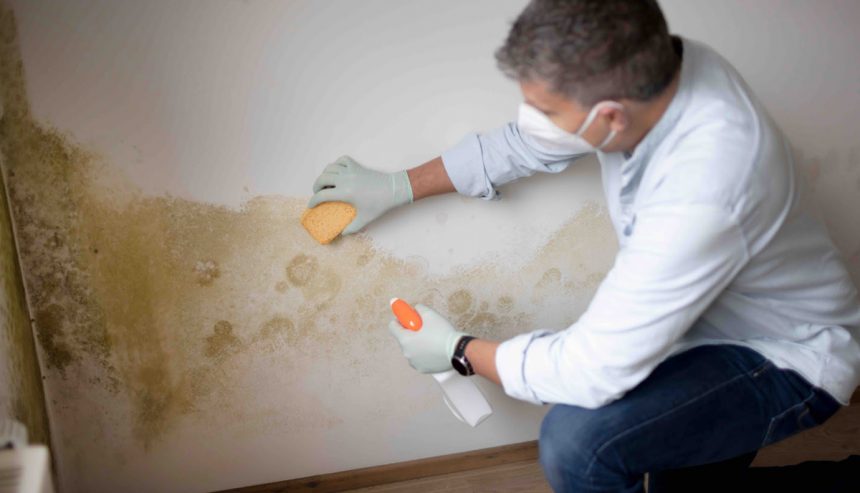
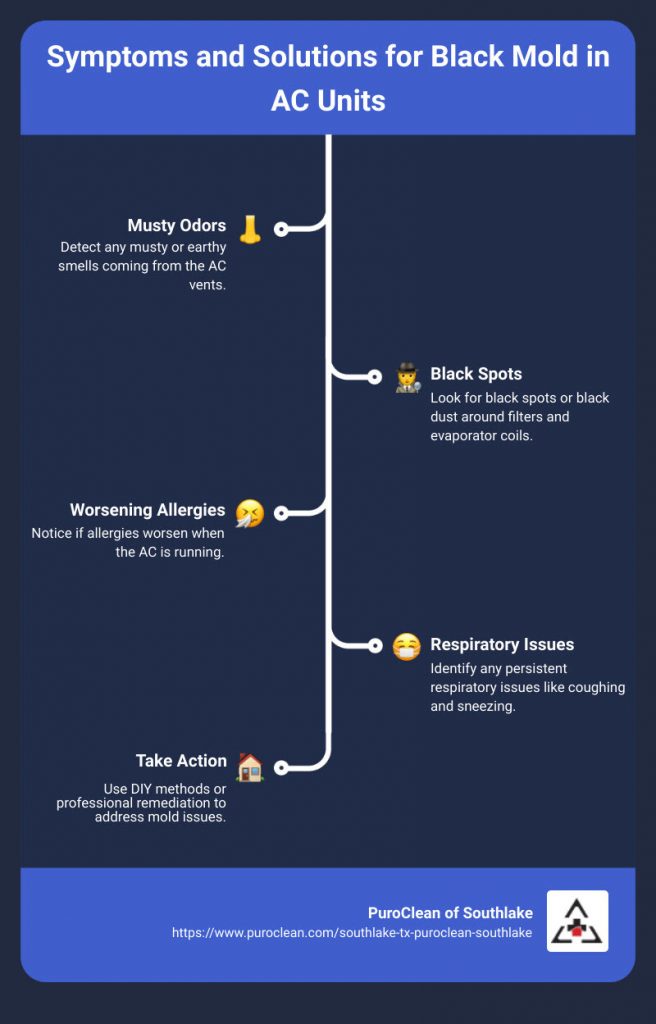
Visible mold spotsappear as black, green, or white patches. They usually grow near the vents or inside the AC unit. These spots can spread quickly if not cleaned.
Unusual odorsoften signal mold growth. A musty or damp smell coming from the AC is a big warning sign. The smell may get stronger when the AC runs.
System performance problemscan also mean mold issues. The AC might blow weak air or stop cooling well. Mold can block air filters and reduce airflow, causing these problems.
Preventing Mold In Air Conditioners
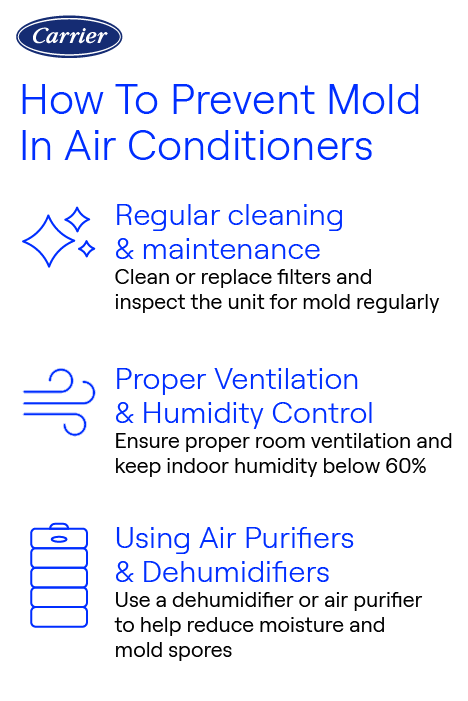
Regular cleaning helps stop mold growthin air conditioners. Clean or replace filters every 1-3 months. Wipe down the unit’s surfaces to remove dust and moisture. Drain pans and pipes should be checked and cleaned to prevent water buildup.
Proper maintenance keeps the system working well. Schedule yearly professional checkups. Make sure the coils and ducts are clean. Fix leaks or any water issues quickly. Good airflow reduces damp spots where mold grows.
Using mold-resistant parts cuts down mold risks. Choose filters with antimicrobial properties. Use insulation that resists moisture. Mold-resistant paint or coatings inside the unit help too. These choices make your AC safer and cleaner.
When To Seek Professional Help
Mold inspection serviceshelp find hidden mold in air conditioners. Professionals use special tools to check inside vents and filters. Early detection stops mold from spreading and causing health problems. They also test the air quality to see if mold spores are high.
Effective mold removal techniquesinclude cleaning with special mold-killing sprays and removing infected parts. Sometimes, filters and ducts need replacement. Proper drying and ventilation prevent mold from coming back. Cleaning should be done carefully to avoid spreading spores.
Choosing the right specialistmatters for safe mold removal. Look for experts with experience and good reviews. They should follow safety rules and use proper equipment. Certified specialists provide better results and protect your home’s air quality.
Credit: www.puroclean.com
Frequently Asked Questions
Can Mold In Air Conditioners Cause Health Problems?
Yes, mold in air conditioners can cause health issues. It releases spores that trigger allergies, asthma, and respiratory infections. People with weakened immune systems are more vulnerable to these effects.
How To Know If Mold Is In Your Ac Unit?
Signs of mold in your AC include musty odors, visible black or green spots, and increased allergy symptoms when running the unit. Regular inspection helps detect mold early.
What Are Common Symptoms From Mold Exposure In Ac?
Common symptoms include sneezing, coughing, nasal congestion, eye irritation, and skin rashes. Prolonged exposure may worsen respiratory conditions and cause fatigue.
How To Prevent Mold Growth In Air Conditioners?
Prevent mold by cleaning filters regularly, ensuring proper drainage, and maintaining low humidity levels. Schedule professional AC maintenance to keep mold at bay.
Conclusion
Mold in your air conditioner can cause health problems. Breathing in mold spores may lead to allergies or asthma. It can also cause coughing, sneezing, and skin irritation. Regular cleaning and maintenance help keep mold away. Check your air conditioner often for any signs of mold.
Clean filters and drain pans to stop mold growth. Keeping your AC mold-free protects your health and home. Don’t ignore strange smells or visible mold inside. Taking simple steps can make a big difference in air quality. Stay safe and breathe clean air every day.