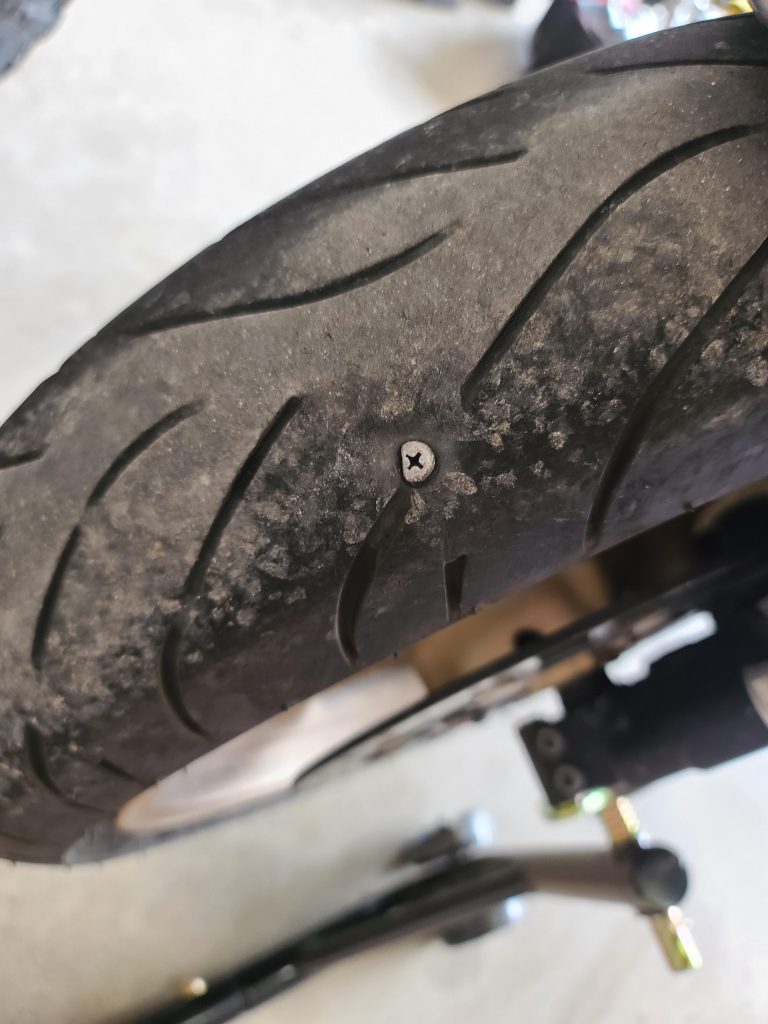
Have you ever found yourself stuck on the side of the road, wondering if your motorcycle tire can be fixed or if you need a whole new one? Knowing whether motorcycle tires can be patched could save you time, money, and a lot of stress.
But not all tire damage is the same, and making the right choice matters for your safety and your ride’s performance. Keep reading to find out when patching your motorcycle tire is a smart move—and when it’s better to replace it entirely.
Your next ride could depend on it.

Credit: www.amazon.com
Tire Damage Types
Motorcycle tires face many types of damage during use. Knowing these helps you decide if a tire can be patched.
Some damages are easy to fix. Others need tire replacement for safety.
Punctures And Cuts
Punctures happen when sharp objects like nails pierce the tire. Cuts are usually longer tears from sharp edges or debris.
- Small punctures in the tread area can often be patched.
- Large holes or deep cuts usually need tire replacement.
- Damage near the tire edges is risky to repair.
Sidewall Injuries
Sidewalls are the tire’s sides. Injuries here include cracks, cuts, or bulges.
These damages weaken the tire’s structure. Sidewall repairs are unsafe and not recommended.
Tread Wear Issues
| Type of Wear | Description | Repair Option |
| Uneven Wear | Tread wears more on one side | Check alignment, usually no patch |
| Flat Spots | Areas of smooth tread from skidding | Replace tire if severe |
| Low Tread Depth | Tread depth below safe limit | Replace tire |
When Patching Works
Motorcycle tire damage can be fixed in some cases. Patching is one way to repair small punctures. It helps avoid buying a new tire if done correctly.
Knowing when and how to patch a tire keeps you safe on the road. Not all damage can be fixed with a patch.
Suitable Damage Areas
Patches work best on certain tire areas. The sidewall is usually not repairable. The tread area is the best place for patching.
- Small holes from nails or screws in the tread
- Punctures less than 1/4 inch in diameter
- Damage not near the tire edges or sidewalls
- No large cuts, tears, or sidewall damage
Patch Materials And Methods
Using the right materials makes the patch last longer. The process usually involves cleaning, roughening, and sealing.
| Material | Use | Notes |
| Rubber plug | Fill hole | Insert from inside for best seal |
| Patch | Cover area | Apply glue before sticking |
| Vulcanizing cement | Bond patch to tire | Ensures strong hold |
| Buffer | Roughen surface | Improves glue grip |
Safety Considerations
Safety is the top priority when patching tires. Not all patches are safe for long rides or high speeds.
- Do not patch sidewall or shoulder damage
- Inspect tire pressure regularly after patching
- Replace tire if patch shows signs of failure
- Have a professional check if unsure about the repair
Limits Of Patching
Motorcycle tires can sometimes be patched if they have small punctures. Patching helps fix minor damage without replacing the whole tire.
Not all tire damage can be safely repaired. Knowing when a tire cannot be patched is important for safety.
Irreparable Damage Signs
Some damage is too big or severe to patch. Large holes, sidewall cuts, and deep cracks usually cannot be fixed.
If the tire has damage near the edges or on the sidewall, patching is unsafe. The tire structure may fail under pressure.
- Large punctures over 1/4 inch in diameter
- Sidewall or shoulder damage
- Multiple punctures close together
- Damage that causes bulges or bubbles
Risks Of Improper Repairs
Fixing a motorcycle tire incorrectly can cause accidents. A poor patch may leak air or fail suddenly.
Using wrong materials or tools can weaken the tire. This risk increases if the patch is too large or placed wrongly.
- Sudden air loss while riding
- Loss of tire grip and control
- Damage spreading under the patch
- Shortened tire life
Manufacturer Guidelines
Tire makers give rules on what damage can be repaired. Always check these before patching your tire.
Manufacturers often say no repairs on sidewalls or shoulder areas. They also limit patch size and location.
- Patch only holes in the tread area
- Limit patch size to small punctures
- Do not repair sidewall or shoulder damage
- Follow repair methods recommended by the maker
Diy Vs Professional Repair
Motorcycle tires can sometimes be patched instead of replaced. Choosing between a DIY fix or a professional repair depends on many factors.
This guide compares home repair kits and expert services. It also looks at the cost differences to help you decide.
Home Repair Kits
Home repair kits allow riders to fix small tire punctures themselves. These kits usually include plugs, patches, and tools.
- Easy to carry and use on the road
- Quick fix for minor punctures
- May not work for large or sidewall damage
- Requires some skill and care to avoid tire damage
Benefits Of Expert Service
Professionals can assess tire damage and apply strong, safe repairs. They use special tools and materials that last longer.
- Better safety with proper repair techniques
- Long-lasting results for various tire types
- Warranty or guarantee on the repair work
- Advice on whether the tire needs replacement
Cost Comparisons
| Repair Type | Cost Range | Durability |
| DIY Home Kit | $10 – $30 | Short to Medium |
| Professional Repair | $25 – $60 | Medium to Long |
| Tire Replacement | $100 and up | Long |
Maintenance Tips
Motorcycle tires sometimes get small holes or damage. You might wonder if these tires can be patched safely. Proper care helps keep your tires in good shape and extends their life.
Regular checks and good habits can prevent big problems on the road. Here are some tips to help you maintain your motorcycle tires.
Regular Tire Inspections
Look at your tires often for signs of wear or damage. Check for cracks, cuts, or embedded objects like nails. Small holes might be fixed with patches, but big damage means you need a new tire.
Inspect the tread depth to make sure it is not too low. Worn tread reduces grip and safety. Clean your tires to see any damage clearly.
Proper Inflation
Keep your tires at the right air pressure. Too much or too little air can cause problems. Check the tire pressure with a gauge before every ride or at least once a week.
Use the pressure level suggested by your motorcycle’s manual. Proper inflation helps tires wear evenly and improves fuel efficiency.
Avoiding Common Hazards
Watch out for road hazards like potholes, sharp stones, and debris. Hitting these can damage your tires and cause flats. Slow down when riding on rough roads to reduce risk.
- Stay clear of broken glass or sharp metal
- Avoid riding over potholes or deep cracks
- Be careful near construction zones or gravel
- Replace tires if you notice deep cuts or bulges

Credit: www.reddit.com

Credit: www.reddit.com
Frequently Asked Questions
Can You Patch A Motorcycle Tire?
Yes, you can patch a motorcycle tire in some cases. It is usually a temporary fix. Patching works best for small punctures in the tread area. Sidewall damage cannot be patched. Always consult a professional to ensure safety.
How Long Does A Tire Patch Last?
A tire patch can last a few weeks to a few months. It depends on the type of riding and road conditions. Regularly inspect the patched tire for any signs of wear. For long-term use, consider a full replacement.
Are Patched Motorcycle Tires Safe?
Patched motorcycle tires are generally safe for short-term use. They are not a permanent solution. Always monitor the tire’s condition and air pressure. For safety, limit high-speed rides and consult a professional for a proper assessment.
Can A Tubeless Tire Be Patched?
Yes, tubeless tires can often be patched using a plug kit. These kits are easy to use and provide a quick fix. However, a professional repair is recommended for a long-term solution. Always check the tire’s condition before riding.
Conclusion
Motorcycle tires can sometimes be patched safely. Small punctures in the tread area are best for repairs. Sidewall damage or large holes should not be patched. Always check tire condition before riding again. Proper repair helps avoid sudden flats on the road.
Regular tire maintenance keeps you safer while riding. Consult a professional if unsure about patching your tire. Staying cautious protects both you and your motorcycle. Remember, safety matters most when it comes to tires.