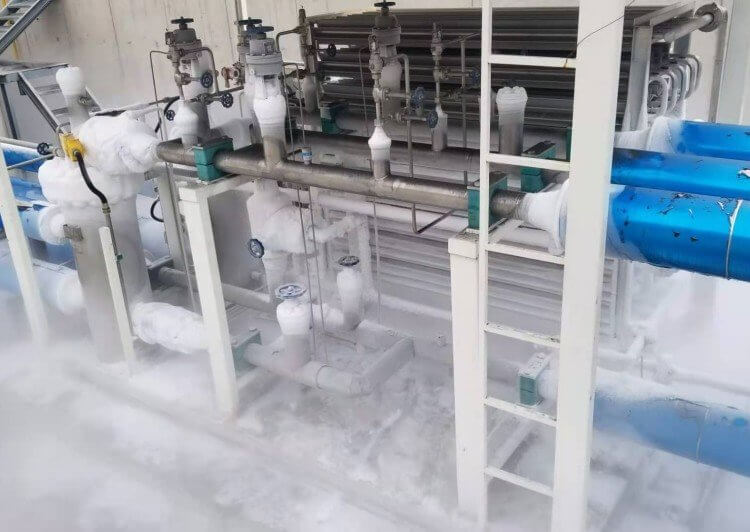
Have you ever wondered if your natural gas lines can freeze when the temperature drops? It’s a question many homeowners don’t think about until something goes wrong.
Frozen gas lines can cause serious problems, from service interruptions to safety hazards. Understanding whether this can happen—and what you can do to prevent it—could save you time, money, and stress. Keep reading to learn the facts about natural gas lines and freezing, so you can protect your home and stay safe all winter long.
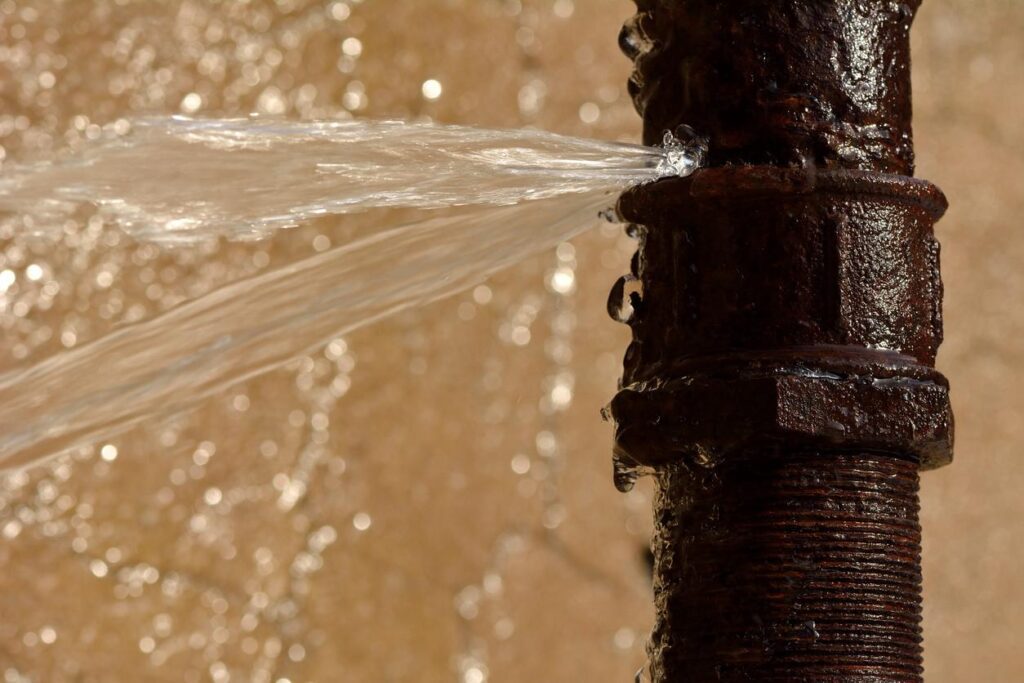
Credit: www.rooterranger.com
Can Gas Lines Freeze
Gas lines carry natural gas to homes and buildings safely. Many wonder if these lines can freeze during cold weather. Understanding whether gas lines freeze helps prevent problems and keeps gas flowing smoothly.
Conditions That Cause Freezing
Gas lines can freeze under certain conditions. Very low temperatures increase the chance of freezing. Pipes outside or in unheated areas face the highest risk.
Other factors that cause freezing include:
- Slow gas flow allowing condensation to build up
- Poor insulation around the pipes
- Exposure to wet or damp environments
Frozen gas lines block gas flow. This can create safety hazards and disrupt heating or cooking.
How Moisture Affects Gas Lines
Moisture inside gas lines can freeze and cause blockages. Water vapor in natural gas condenses when the gas cools. This forms ice inside the pipes.
Sources of moisture include:
- Humidity in the air
- Water trapped during pipeline installation
- Leaks or damage allowing water inside
Regular maintenance and proper pipe insulation reduce moisture buildup. This helps prevent freezing and keeps gas flowing safely.
Signs Of Frozen Gas Lines
Frozen gas lines can cause serious problems in cold weather. Recognizing the signs early helps prevent damage and ensures safety. Watch for changes in how your gas appliances work or smell. These signs often point to frozen or blocked gas lines.
Reduced Gas Flow
Gas appliances may burn weakly or unevenly. Flames might flicker or look smaller than usual. Heating systems take longer to warm the house. Cooking burners may not reach full heat. These issues suggest gas flow is restricted.
Unusual Odors
A strange smell near gas appliances can mean trouble. Gas leaks sometimes occur when lines freeze or crack. The odor is often similar to rotten eggs. Never ignore this smell. It could be a warning of a frozen or damaged line.
No Gas Supply
Gas appliances might stop working suddenly. No heat or flame appears when turned on. This could mean the gas line is completely blocked. Frozen gas lines can stop gas from reaching your home. Immediate action is necessary to restore supply safely.
Preventing Gas Line Freezing
Natural gas lines rarely freeze because gas flows through pipes, keeping them warm. Still, moisture in pipes can cause ice blockages. Insulating pipes and keeping them dry helps prevent freezing during cold weather.
Preventing gas line freezing is crucial, especially during those bitterly cold months when you rely on heating the most. Imagine waking up on a chilly morning, ready to make your favorite hot beverage, only to find your stove isn’t working because the gas line has frozen. To avoid such unpleasant surprises, it’s important to take proactive steps to ensure your gas lines remain functional. Let’s explore practical methods to prevent gas line freezing.Proper Insulation Techniques
Proper insulation is your first line of defense against freezing gas lines. Wrapping the pipes with foam pipe insulation can make a big difference. It acts as a barrier, keeping the cold out and the warmth in. For outdoor lines, consider using more robust materials like fiberglass or polyethylene. These materials provide extra protection in extreme weather conditions. Don’t forget to check for gaps or cracks where cold air might sneak in. Sealing these can help maintain a stable temperature around the gas lines.Maintaining Gas Flow
Keeping a steady flow of gas is another effective way to prevent freezing. This might mean adjusting your routine slightly, like using your gas appliances more frequently during cold snaps. You can also schedule regular checks with your gas provider to ensure everything is running smoothly. They can spot potential issues before they become problems. Additionally, be aware of your gas meter’s location. If it’s exposed to harsh weather, consider relocating it or adding a protective cover.Using Heat Tape And Other Tools
Heat tape is a handy tool in the battle against freezing gas lines. It’s an electrical cable that you wrap around the pipes, providing consistent warmth. This can be especially useful for pipes in exposed areas. Make sure to follow the manufacturer’s instructions for safe installation. It’s a small investment that can save you a lot of hassle in the long run. Consider other tools like pipe heaters or thermal blankets. These tools can be used in conjunction with heat tape for added protection. By implementing these strategies, you can enjoy peace of mind knowing your gas lines are less likely to freeze. Have you tried any of these methods? What worked best for you? Share your thoughts and let’s keep the conversation going!
Credit: www.supplychainbrain.com
What To Do If Gas Lines Freeze
Frozen gas lines can cause major disruptions during cold weather. Acting quickly and safely is important to restore heat and prevent damage. Knowing the right steps protects your home and family from harm.
Safety Precautions
- Turn off the gas supply at the main valve immediately.
- Do not use open flames or sparks near frozen pipes.
- Ventilate the area well to prevent gas buildup.
- Avoid trying to force gas flow by opening appliances.
- Keep children and pets away from the area.
Steps To Thaw Lines
Use a hairdryer or heat lamp to warm the frozen section slowly. Keep heat moving along the pipe, not concentrated in one spot. Wrapping pipes with warm towels can help speed thawing. Never use a torch or open flame to thaw pipes. Monitor the pipe temperature carefully to avoid damage.
When To Call A Professional
- Gas smell persists after thawing efforts.
- Frozen area is hard to access or unknown.
- Lines freeze frequently or burst during thawing.
- Uncertainty about safely handling the situation.
Licensed technicians have tools and knowledge to fix frozen gas lines safely. They prevent leaks and ensure proper gas flow after thawing.
Impact Of Frozen Gas Lines
Frozen gas lines can cause several serious problems. The impact reaches beyond just a cold pipe. It affects safety, equipment, and gas service. Understanding these effects helps prepare for cold weather challenges.
Safety Risks
Frozen gas lines increase the risk of leaks and explosions. Pressure can build up inside the line. This pressure may cause cracks or breaks. Gas leaks can lead to fires or harmful fumes. Immediate attention is essential to prevent accidents.
Damage To Equipment
Frozen lines can damage appliances connected to the gas supply. Pipes may burst from ice expansion. This damage leads to costly repairs. Heating systems might fail during the coldest days. Protecting the lines helps avoid equipment breakdowns.
Service Interruptions
Frozen gas lines often cause service disruptions. Gas flow slows or stops completely. This interruption affects heating and cooking appliances. Homes and businesses may lose essential gas supply. Quick action is needed to restore normal service.

Credit: www.ebay.com
Frequently Asked Questions
Can Natural Gas Lines Actually Freeze In Winter?
Natural gas lines rarely freeze because gas itself doesn’t freeze easily. However, moisture or water in the lines can freeze, causing blockages and flow issues during cold weather.
What Causes Natural Gas Line Freezing Problems?
Freezing occurs if water enters the gas lines and temperatures drop below freezing. This water can form ice, blocking gas flow and reducing efficiency or causing outages.
How Can I Prevent Natural Gas Lines From Freezing?
To prevent freezing, ensure proper insulation of outdoor gas lines. Also, keep lines dry and sealed to avoid moisture buildup that can freeze in cold weather.
What Are Signs Of Frozen Natural Gas Lines?
Signs include reduced gas flow, unusual odors, or appliances not working properly. If you notice these, contact a professional immediately for inspection and repair.
Conclusion
Natural gas lines can freeze in very cold weather. This can cause problems with your gas flow. Taking steps to protect your pipes helps avoid freezing. Insulating your lines and keeping them warm is key. Knowing the risks helps you stay safe and prepared.
Don’t ignore signs of freezing or damage. Call a professional if you suspect issues. Staying aware keeps your home warm and your gas working well. Small actions can prevent big problems in winter.