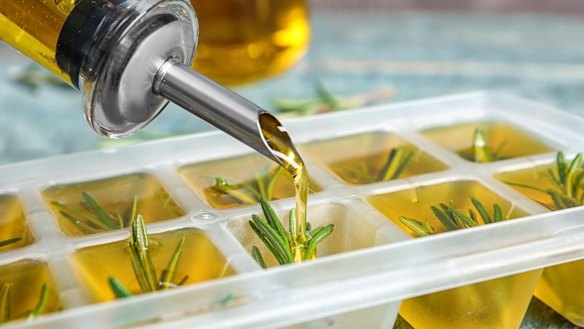
Have you ever opened your pantry on a chilly winter morning, only to find your precious bottle of olive oil looking a bit… Odd?
If you’ve noticed it turning cloudy or even solid, you might be wondering, “Can olive oil freeze? ” This question might seem simple, but understanding the answer could save you time, money, and perhaps a bit of culinary frustration. We’ll dive into the surprising science behind olive oil and cold temperatures.
You’ll discover why your olive oil behaves this way, how it can affect your cooking, and what you can do to ensure your olive oil stays at its best. Stick around to uncover the truth and learn some handy tips you won’t want to miss.
Does Olive Oil Freeze?
Wondering if olive oil freezes? The answer isn’t as simple as yes or no. Olive oil can indeed change its state in cold conditions, but the way it behaves depends on several factors. Understanding these can help you store and use your olive oil better, especially in chilly environments.
Freezing Point Of Olive Oil
Olive oil does not freeze like water. Instead, it becomes cloudy and thickens as it approaches its freezing point. This point varies but usually lies around 21°F (-6°C).
Below this temperature, olive oil starts to solidify partially, turning into a gel-like substance. However, it rarely freezes into a solid block unless temperatures drop much lower.
Have you noticed your olive oil getting cloudy in the fridge? That’s a sign it’s nearing its freezing point but still perfectly fine to use.
Types Of Olive Oil And Their Freezing Behavior
Not all olive oils freeze the same way. Different types have varying compositions that influence their freezing behavior.
- Extra Virgin Olive Oil:Contains more antioxidants and has a slightly higher freezing point. It tends to get cloudy and thick but remains pourable longer.
- Virgin Olive Oil:Freezes a bit sooner than extra virgin, showing cloudiness at higher temperatures.
- Refined Olive Oil:Has fewer impurities and freezes at lower temperatures. It stays liquid longer in the cold.
Next time you store olive oil in the fridge, check which type you have. You might see different textures and consistencies depending on the variety. Does this make you rethink how you store your olive oil?
What Happens When Olive Oil Freezes?
Ever wondered what really happens if you leave your olive oil in the freezer? Many people think olive oil might turn into a solid block or become unusable after freezing. Let’s uncover the actual changes that take place in your olive oil’s texture, appearance, flavor, and aroma when it gets cold enough to freeze.
Texture And Appearance Changes
When olive oil freezes, its texture thickens and becomes cloudy or even semi-solid. This happens because the fats in the oil begin to crystallize at low temperatures.
You might notice little white flakes or a gel-like consistency. This doesn’t mean your olive oil has gone bad; it’s just a natural physical change.
Once you bring the oil back to room temperature, it usually returns to its clear, liquid state without any issues. Have you ever tried stirring frozen olive oil to see how quickly it melts back?
Impact On Flavor And Aroma
Freezing olive oil generally does not harm its flavor or aroma. The key compounds responsible for its taste and smell are stable enough to withstand cold temperatures.
However, repeated freezing and thawing can potentially reduce freshness over time. So, if you want to keep your olive oil tasting vibrant, avoid multiple freeze-thaw cycles.
Next time you grab your frozen olive oil, smell it before use—you might be surprised how intact its fresh, fruity notes remain. Have you noticed any difference in your cooking after using chilled or previously frozen olive oil?
Factors Affecting Olive Oil Freezing
Understanding why olive oil freezes—or doesn’t—depends on several key factors. These elements influence the temperature at which olive oil changes from liquid to solid. Knowing these can help you store your olive oil better and avoid surprises in your kitchen.
Fatty Acid Composition
Olive oil’s makeup is mostly fats, but not all fats freeze the same way. The balance between saturated and unsaturated fatty acids matters a lot. Oils with more saturated fats tend to freeze at higher temperatures.
Extra virgin olive oil usually has a high amount of monounsaturated fats, especially oleic acid. These fats keep it liquid at lower temperatures compared to oils with more saturated fats. Have you noticed some olive oils solidify faster than others? That’s because of their unique fatty acid profiles.
Storage Temperature Variations
The temperature where you keep your olive oil plays a big role in whether it freezes. Most household freezers are set around 0°F (-18°C), which is cold enough to solidify olive oil. However, your kitchen fridge, usually around 35-40°F (1.7-4.4°C), rarely causes freezing.
Changes in temperature during storage can also affect the oil’s texture. If you bring olive oil from a warm room into a very cold place suddenly, it might partially solidify or become cloudy. Have you ever seen your olive oil turn cloudy after a chilly night? That’s a sign the temperature dropped near its freezing point.
Credit: homemadeandyummy.com
How To Store Olive Oil In Cold Conditions
Storing olive oil in cold conditions can be tricky. Too cold, and it might start to solidify, changing its texture and flavor. But with the right approach, you can keep your olive oil fresh and ready to use, even in chilly environments.
Best Practices For Maintaining Quality
Keep your olive oil in a dark, airtight container to protect it from light and air. These elements speed up oxidation, which can spoil the oil faster than cold temperatures alone.
Store the oil in a cool place, ideally between 57°F and 70°F (14°C to 21°C). If your kitchen gets colder than that, consider a pantry or cupboard away from windows and heat sources.
Check the oil regularly for changes in smell or taste. Fresh olive oil should smell fruity and taste smooth, not bitter or rancid.
Avoiding Freezing During Winter
Freezing olive oil isn’t harmful, but it does change the texture and clarity. You might notice it becomes cloudy or solidifies, which can be off-putting.
To prevent freezing, avoid storing olive oil in places that drop below 32°F (0°C). For example, garages or unheated basements are risky spots during winter.
If you live somewhere with harsh winters, keep your olive oil indoors at room temperature. A kitchen cabinet or pantry near the stove (but not too close) works well.
Have you ever opened your olive oil only to find it cloudy or solid? Let it return to room temperature naturally before use, and your oil will be as good as new.
Is It Safe To Use Frozen Olive Oil?
Freezing olive oil might seem unusual, but many wonder if it’s safe to use once thawed. Understanding how freezing affects olive oil helps you decide if this storage method fits your kitchen habits. Let’s break down what happens to the oil’s quality and safety after freezing.
Quality After Thawing
When olive oil freezes, it often becomes cloudy and thickens. This change is normal and doesn’t mean the oil has gone bad. After thawing, the oil usually returns to its original clear and liquid state.
However, repeated freezing and thawing can affect the flavor and aroma over time. You might notice a slight loss in the fruity, peppery notes you love. To keep your oil tasting fresh, freeze only in small portions and avoid refreezing.
Health And Safety Considerations
Frozen olive oil remains safe to eat as long as it was fresh before freezing. Freezing does not promote bacterial growth or spoilage. Just make sure to store it in a clean, airtight container to prevent contamination.
Be cautious if you see signs of rancidity after thawing, like a sour or off smell. Using rancid oil can affect your health and ruin your dishes. Trust your senses—if it smells off, discard it.
Common Myths About Freezing Olive Oil
Many people worry about freezing olive oil. Some think it might harm the oil or change its taste. Others believe freezing can keep it fresh for longer. These ideas come from common myths. Understanding the facts helps to store olive oil better.
Does Freezing Damage Nutrients?
Freezing olive oil does not destroy its nutrients. The healthy fats and antioxidants stay intact. Cold temperatures slow down chemical reactions that cause spoilage. The oil may become cloudy or thick, but this is normal. Once warmed, it returns to its usual state without losing quality.
Can Freezing Prolong Shelf Life?
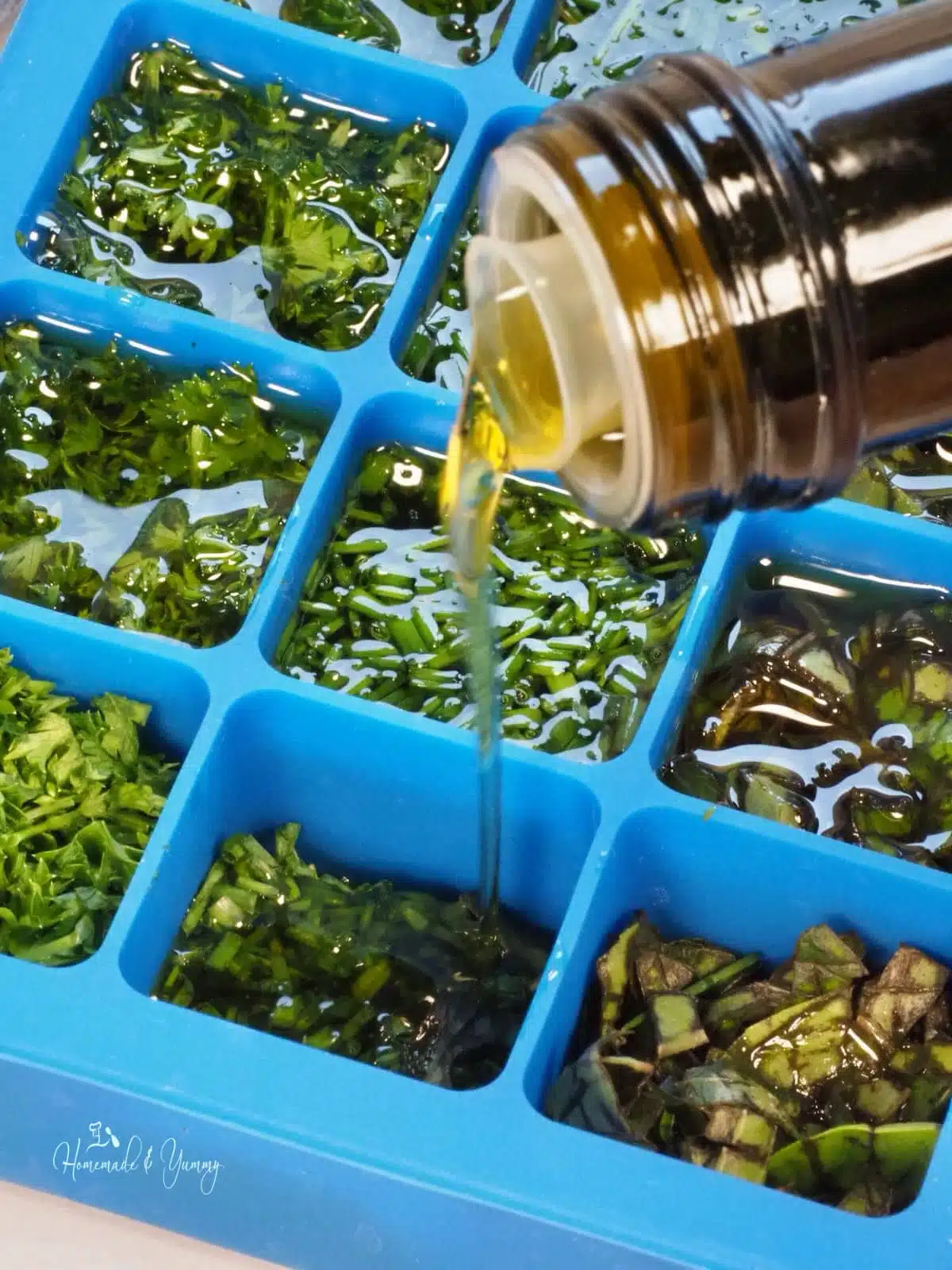
Freezing can help extend olive oil’s shelf life. It slows down oxidation, which causes rancidity. Olive oil stored in the freezer can last many months longer. Make sure to use airtight containers to avoid absorbing other smells. Thaw the oil at room temperature before use for best results.
Alternatives To Freezing Olive Oil
Freezing olive oil is not the best choice for preserving its quality. It can change texture and flavor. Instead, there are better ways to keep olive oil fresh for longer. These methods protect its taste and nutrients without the risks of freezing.
Proper Refrigeration Tips
Refrigeration slows down olive oil’s natural aging. Store olive oil in a sealed container to avoid absorbing fridge odors. Use dark glass bottles to protect from light. Keep the bottle upright to reduce air contact. Take the oil out and let it warm before use. This returns it to a smooth, liquid state without damage.
Room Temperature Storage Guidelines
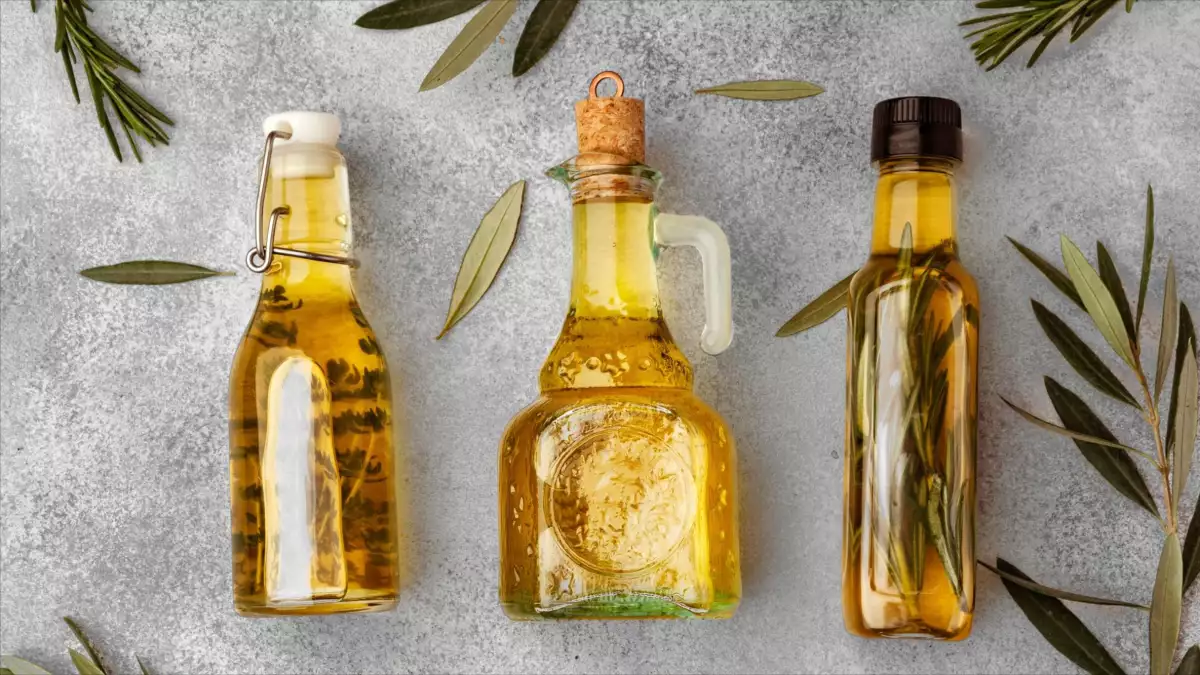
Olive oil stays good at room temperature if stored correctly. Choose a cool, dark place away from heat sources. Keep the oil in a tightly sealed container to prevent oxidation. Avoid clear containers that let light in. Use olive oil within a few months after opening for the best flavor. Proper storage keeps the oil fresh and ready for cooking.

Credit: homemadeandyummy.com
Credit: en.petitchef.com
Frequently Asked Questions
Does Olive Oil Freeze In The Refrigerator?
Yes, olive oil can thicken and become cloudy when refrigerated. It won’t fully freeze but may solidify due to its fat content.
At What Temperature Does Olive Oil Freeze?
Olive oil begins to solidify at around 39°F (4°C). It does not freeze like water but becomes cloudy and waxy.
Can Freezing Olive Oil Affect Its Quality?
Freezing olive oil may slightly change its texture but does not significantly impact taste or nutritional value if kept properly sealed.
How To Store Olive Oil To Prevent Freezing?
Store olive oil in a cool, dark place away from heat. Avoid refrigeration unless necessary to maintain its quality.
Conclusion
Olive oil can freeze, but it does not harm its quality. It may turn cloudy or solidify in cold temperatures. Just let it warm up to return to normal. Freezing does not change the taste or health benefits. Store olive oil in a cool, dark place for best results.
Knowing this helps you handle olive oil better during winter. Keep using it confidently in your cooking. Simple care keeps your olive oil fresh and tasty.