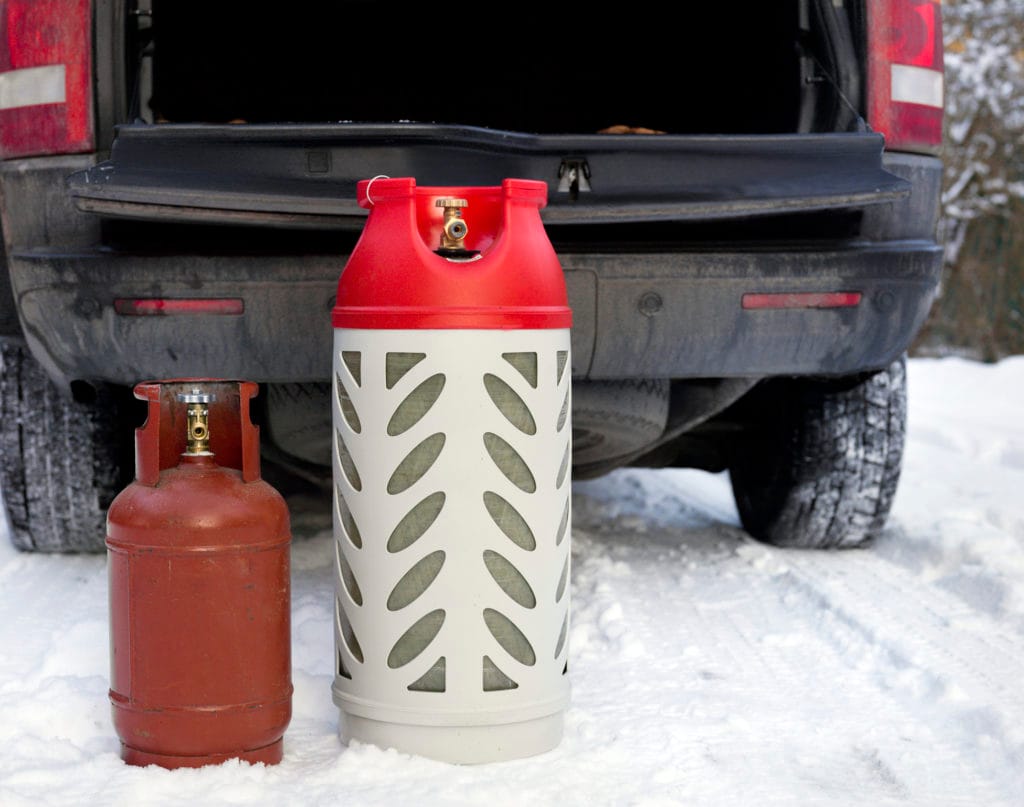
Can oxygen cylinders freeze? It’s a question that might not cross your mind often, but understanding the answer is crucial for anyone who relies on these life-saving devices.
Whether you’re a healthcare professional, a patient who uses oxygen therapy, or someone involved in outdoor activities at high altitudes, this information could significantly impact your safety and well-being. Picture this: you’re in a situation where every breath counts, and suddenly, the unexpected happens—your oxygen supply is compromised because of freezing conditions.
It’s a scenario no one wants to face. By the end of this article, you’ll have a clear understanding of whether oxygen cylinders can freeze, what factors contribute to such a scenario, and, most importantly, how you can prevent it from happening. We’ll demystify the science behind it and provide you with practical tips to ensure that your oxygen supply remains reliable, even in the most challenging environments. So, let’s dive in and uncover the facts that could make all the difference in critical moments.
How Oxygen Cylinders Work
Understanding how oxygen cylinders work helps clarify concerns about freezing. These cylinders store oxygen gas under high pressure. The design ensures safe delivery and storage of oxygen for medical and industrial use.
Basics Of Oxygen Storage
Oxygen cylinders hold gas in a compressed form. The gas is pumped into a strong metal container. This container is made to withstand very high pressure. Oxygen inside is stored at pressures up to 2,000 psi or more.
The cylinder has a valve to control the gas flow. When opened, oxygen flows out through a regulator. The regulator lowers pressure for safe breathing or use.
Pressure And Temperature Effects
High pressure inside the cylinder affects temperature. When gas expands quickly, it cools down. This is called the Joule-Thomson effect.
During rapid use, the valve area can get very cold. The cylinder itself rarely freezes because metal conducts heat well. Outside temperature also plays a role in how cold the cylinder feels.
Oxygen remains a gas at normal cylinder pressures and temperatures. It only turns liquid at very low temperatures, far below freezing point.
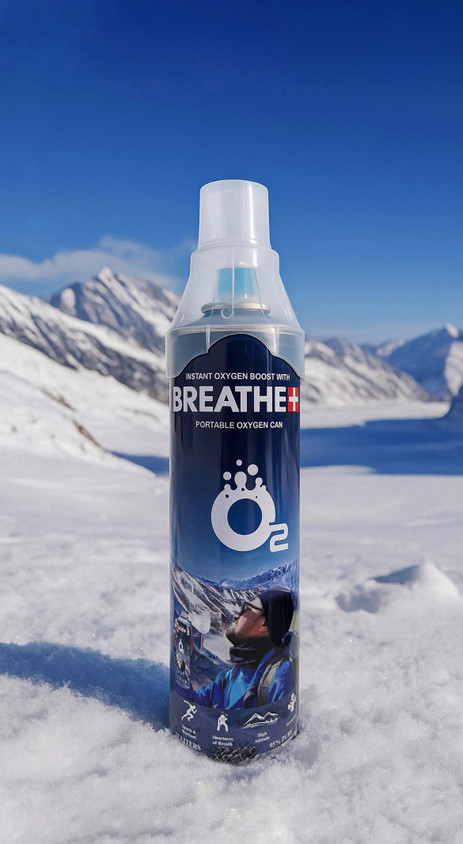
Credit: www.flipkart.com
Causes Of Freezing In Oxygen Cylinders
Freezing in oxygen cylinders might seem unusual, but it happens more often than you think. Understanding what causes this freezing can help you prevent it and keep your oxygen supply safe and effective. Let’s break down the main reasons behind this problem.
Rapid Gas Expansion
When oxygen gas is released quickly from a high-pressure cylinder, it expands rapidly. This sudden expansion causes the temperature to drop sharply around the cylinder valve.
You might notice frost forming near the outlet during fast gas flow. This happens because the expanding gas cools the metal parts and moisture in the air, leading to ice buildup.
Have you ever opened a valve quickly and felt it get cold? That’s the same effect causing freezing, which can block gas flow if not managed properly.
Environmental Temperature Impact
The temperature around your oxygen cylinder plays a big role in freezing. If you store or use the cylinder in a very cold place, the metal surface can get cold enough to form ice.
Outdoor use during winter or cold storage rooms increase the risk. Moisture in the air condenses and freezes on the cold cylinder surface.
Think about where you keep your cylinder—is it exposed to wind or damp air? These conditions can make freezing more likely, especially if combined with rapid gas release.
Signs Of A Freezing Oxygen Cylinder
Oxygen cylinders can sometimes freeze due to rapid gas expansion and low temperatures. Recognizing signs of a freezing oxygen cylinder is important for safety and proper use. Early detection helps prevent damage and ensures the cylinder works well.
Visual Indicators
- Frost or ice forms on the cylinder surface.
- Condensation appears near the valve or regulator.
- Metal parts feel unusually cold to the touch.
- Small cracks or discoloration may show on the cylinder.
- Valve handles may look stiff or harder to turn.
Performance Changes
- Gas flow becomes irregular or weak.
- Pressure gauge readings drop unexpectedly.
- Hissing sounds may increase due to leaks.
- Equipment connected to the cylinder may malfunction.
- Delivery of oxygen slows down during use.

Credit: www.canadiantire.ca
Risks Associated With Freezing
Freezing oxygen cylinders poses serious risks. The cold can affect both safety and the equipment’s function. Understanding these risks helps prevent accidents and damage.
Safety Hazards
Freezing oxygen cylinders can cause pressure changes inside. This may lead to leaks or bursts. Leaking oxygen increases fire risks. Oxygen supports combustion, so leaks can cause fires or explosions.
Cold temperatures can also make valves and seals brittle. Brittle parts may crack or break easily. This creates dangerous situations for users and nearby people.
Equipment Damage
Extreme cold can damage cylinder materials. Metal contracts and may develop cracks. Cracks weaken the cylinder and reduce its lifespan.
Freezing may also harm internal components like regulators and gauges. These parts might not work correctly after freezing. Malfunctioning equipment can disrupt oxygen supply and cause hazards.
Preventing Oxygen Cylinder Freezing
Preventing oxygen cylinder freezing is crucial for safe use. Freezing can block valves and regulators, causing serious problems. Maintaining the right temperature and handling is key to avoid freezing. Taking simple steps can protect the cylinder and ensure proper oxygen flow.
Proper Storage Tips
- Store cylinders in a dry, well-ventilated area.
- Keep away from direct sunlight and heat sources.
- Maintain temperature between 10°C and 30°C (50°F and 86°F).
- Avoid placing cylinders near cold drafts or outside in freezing weather.
- Use insulated covers if storage in cold places is unavoidable.
Handling Best Practices
- Open valves slowly to prevent rapid gas expansion.
- Check regulators and valves for frost or ice before use.
- Do not touch cylinders with wet or icy hands.
- Keep cylinders upright to ensure proper pressure and flow.
- Regularly inspect equipment for damage or leaks.

Credit: www.rkgasesindustry.in
What To Do If A Cylinder Freezes
Discovering that your oxygen cylinder has frozen can be alarming. Knowing exactly what to do helps prevent damage and ensures your safety. Acting carefully and promptly is key to resolving the issue without complications.
Safe Thawing Methods
Never try to thaw a frozen oxygen cylinder by applying direct heat like a flame or hot water. This can cause rapid expansion or damage the cylinder’s structure. Instead, move the cylinder to a warmer, well-ventilated area and let it thaw naturally.
If you need to speed up the process, you can wrap the cylinder in warm towels or use a warm cloth. Make sure the cloth is not dripping wet to avoid moisture buildup. Keep checking the cylinder frequently to ensure it warms evenly and safely.
Remember, patience is important here. Rapid temperature changes can be dangerous, so avoid rushing the thawing. Have you ever left a cold bottle out to warm slowly? The same principle applies.
When To Seek Professional Help
If you notice frost forming on valve parts or if the cylinder doesn’t thaw after a reasonable time, it’s best to call a professional. Attempting repairs or forced thawing without expertise can be risky and may void warranties.
Contact your oxygen supplier or a certified technician if you see any signs of damage, leaks, or if the cylinder feels unusually cold even after thawing. They have the tools and knowledge to handle the situation safely.
Don’t hesitate to ask questions about maintenance and proper storage to prevent freezing. Could a quick call to your supplier save you from bigger problems down the line?
Myths And Facts About Oxygen Cylinder Freezing
Oxygen cylinders are essential for many, whether in medical settings or outdoor adventures. Yet, there’s confusion about whether these cylinders can freeze under certain conditions. Let’s sort out what’s true and what’s not by examining common myths and facts about oxygen cylinder freezing.
Can Oxygen Cylinders Actually Freeze?
Many people believe oxygen cylinders can freeze like water bottles in the cold. The truth is, oxygen itself doesn’t freeze at typical cold temperatures you might encounter outdoors. However, the metal surface of the cylinder can feel very cold, sometimes causing condensation or frost to form.
If you’ve ever touched a cylinder in winter and felt it was icy, that’s surface frost, not the oxygen inside freezing. This frost forms because moisture in the air freezes on the cold metal.
Does Freezing Affect Oxygen Quality Or Safety?
There’s a concern that freezing could reduce the oxygen’s purity or make the cylinder unsafe. In reality, oxygen cylinders are designed to handle a wide range of temperatures without affecting the gas inside.
Even in cold environments, the oxygen remains pure and safe to use. The cylinder’s construction prevents temperature changes from impacting the gas quality, so you don’t need to worry about freezing harming your supply.
What Causes Frost Or Ice On Oxygen Cylinders?
- Humidity:Moist air touching the cold cylinder surface can cause frost.
- Rapid Gas Expansion:When oxygen is released quickly, it cools and may cause frost buildup near the valve.
- Environmental Temperature:Extremely low temperatures increase frost chances on the exterior.
Understanding these causes helps you manage your cylinder better. For instance, keeping the cylinder in a dry place reduces frost formation.
How Should You Store Oxygen Cylinders In Cold Weather?
Storing your oxygen cylinder properly can prevent frost and maintain safety. Keep it inside or in a sheltered area to protect it from direct exposure to cold and moisture.
If you must leave it outside, placing it on a raised platform rather than directly on snow or ice helps reduce freezing risk. Also, always check the cylinder before use to ensure valves and regulators are frost-free.
What’s The Best Way To Handle An Icy Oxygen Cylinder?
If your cylinder has frost or ice, don’t try to warm it rapidly. Avoid using open flames or heaters, as this can be dangerous.
Instead, bring the cylinder into a warmer environment and allow it to thaw naturally. This careful approach keeps you safe and prevents damage to the cylinder or equipment.
Frequently Asked Questions
Can Oxygen Cylinders Freeze In Cold Temperatures?
Oxygen cylinders themselves do not freeze because oxygen is a gas stored under pressure. However, moisture in regulators or valves can freeze, causing blockages in very cold conditions. Proper storage and drying equipment prevent freezing issues in cold environments.
What Causes Freezing In Oxygen Cylinder Valves?
Freezing happens when moisture inside the valve or regulator freezes due to cold temperatures or rapid gas expansion. This ice formation blocks gas flow. Using dry oxygen and keeping equipment warm minimizes freezing risks.
How To Prevent Oxygen Cylinder Freezing During Use?
To prevent freezing, ensure the oxygen is dry and avoid exposing cylinders to extreme cold. Use heaters or insulated covers in cold climates. Regularly check and maintain valves and regulators to avoid moisture buildup.
Does Freezing Affect Oxygen Cylinder Safety?
Freezing itself does not compromise cylinder safety, but ice can block valves, disrupting oxygen flow. This may cause operational hazards. Proper handling and maintenance reduce freezing risks and ensure safe oxygen delivery.
Conclusion
Oxygen cylinders can freeze in very cold conditions. This happens when moisture inside turns to ice. Freezing may block valves and reduce oxygen flow. Always keep cylinders in a dry, warm place. Check them regularly for frost or ice. Proper care helps avoid freezing problems.
Stay safe and ensure your oxygen works well. Understanding these tips protects your health and equipment. Simple steps can prevent freezing issues easily.