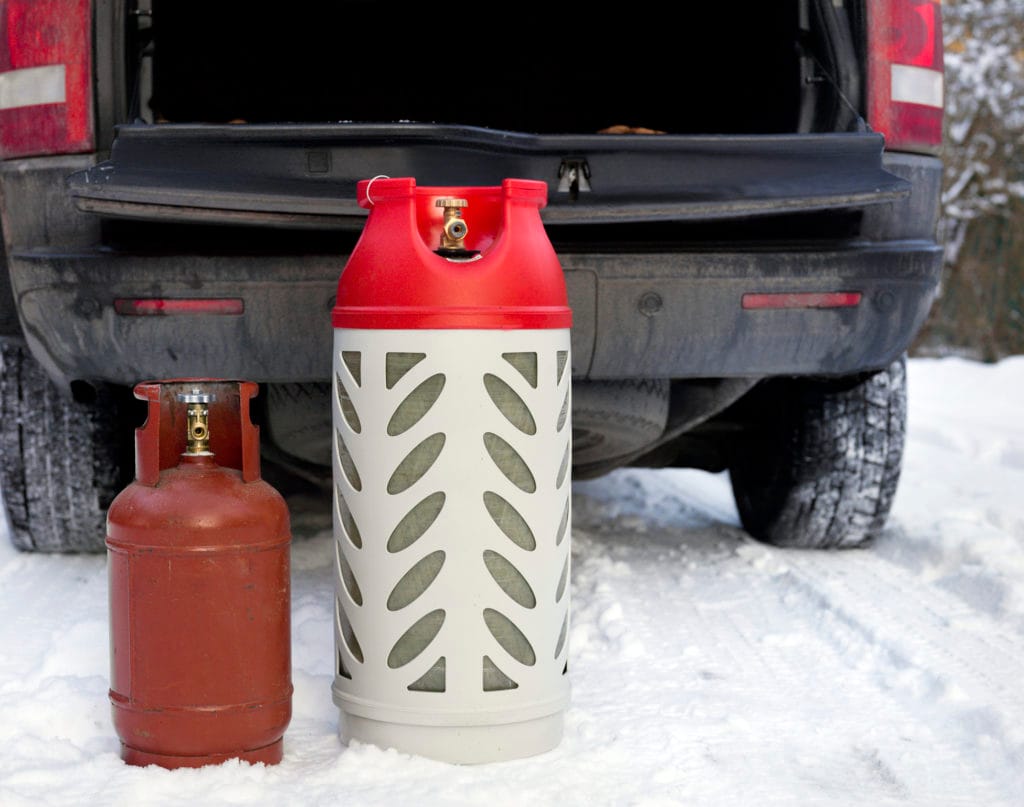
Imagine relying on an oxygen tank for your health, only to find yourself wondering if it might freeze in cold conditions. It’s a concern that can cause anxiety, especially if you live in a chilly climate.
You want to ensure your safety and comfort, but is freezing really a threat to your oxygen supply? This question might have crossed your mind more than once. Understanding the behavior of oxygen tanks in freezing temperatures is crucial. We’ll explore the science behind it, dispel myths, and provide you with peace of mind.
Stick with us to uncover the truth and safeguard your health effectively.

Credit: www.safetyandhealthmagazine.com
How Oxygen Tanks Work
Oxygen tanks store oxygen in a way that makes it easy to use when needed. They hold oxygen either as a gas under high pressure or as a liquid at very low temperatures. Understanding how oxygen tanks work helps explain why they sometimes feel cold or even freeze.
Types Of Oxygen Tanks
There are mainly two types of oxygen tanks:
- Compressed Gas Tanks:These tanks hold oxygen as a gas under very high pressure. They are made from strong metal to withstand the pressure.
- Liquid Oxygen Tanks:These tanks store oxygen in liquid form at extremely low temperatures. The liquid oxygen expands into gas when warmed.
Each type works differently but both provide oxygen safely and efficiently.
Pressure And Temperature Basics
Pressure and temperature affect how oxygen behaves inside the tank. Compressed gas tanks have very high pressure, sometimes over 2000 psi (pounds per square inch). This pressure keeps oxygen in gas form.
Liquid oxygen tanks keep oxygen very cold, below -183°C (-297°F). At this temperature, oxygen stays liquid. As it warms, it turns into gas and expands quickly.
Oxygen tanks can feel cold outside because of this temperature difference. Rapid gas release can cause the tank valve to get cold enough to freeze moisture around it.
Conditions That Cause Freezing
Oxygen tanks can freeze under certain conditions. Understanding these conditions helps prevent freezing and ensures safety. Freezing happens mainly because of low temperatures and moisture. Both factors affect the tank and the oxygen flow.
Low Temperature Effects
Oxygen tanks are made of metal, which reacts to cold. When the temperature drops below freezing point, the tank surface becomes very cold. This can cause frost to form outside the tank. Inside, the pressure and temperature changes may also cause freezing.
Cold air reduces the pressure inside the tank. This slows the oxygen flow. In extreme cold, the valves and regulators may freeze. Frozen parts can block oxygen release. This makes the tank unsafe or unusable.
Moisture And Ice Formation
Moisture is a major cause of freezing in oxygen tanks. Water vapor can enter the tank or the delivery system. When the temperature falls, this moisture turns into ice. Ice forms around valves or inside regulators.
Ice buildup blocks oxygen flow. It can damage the tank’s components. Moisture often comes from humid environments or improper storage. Keeping tanks dry helps prevent ice formation and freezing problems.
Signs Of A Frozen Oxygen Tank
Recognizing the signs of a frozen oxygen tank is essential for safety and proper use. A frozen tank can affect oxygen delivery and cause potential hazards. Knowing what to look for helps in taking quick action.
Visual Indicators
- Frost or ice buildup on the tank surface
- Condensation turning into ice near the valve
- Cracks or unusual discoloration on the tank
- Frozen moisture around the regulator or hose
- White or frosty appearance on fittings and connections
Performance Issues
- Reduced oxygen flow or weak pressure
- Difficulty opening or closing the valve
- Unusual noises like hissing or whistling
- Oxygen supply stops suddenly without warning
- Regulator freezing or becoming stiff to adjust

Credit: www.amazon.eg
Risks Of Frozen Oxygen Tanks
Frozen oxygen tanks pose serious risks to both safety and functionality. Low temperatures can cause oxygen tanks to freeze, creating dangerous situations. Understanding these risks helps prevent accidents and ensures a reliable oxygen supply.
Safety Hazards
Frozen oxygen tanks may crack or burst due to pressure changes. Ice buildup can block valves, leading to gas leaks. Leaking oxygen increases fire risk, as oxygen feeds flames. Handling frozen tanks without care can cause frostbite injuries. Proper storage and monitoring prevent these hazards effectively.
Impact On Oxygen Supply
Ice formation can reduce oxygen flow from the tank. Blocked valves disrupt the steady supply needed for breathing. Frozen tanks may fail to deliver oxygen in emergencies. This interruption can worsen health conditions quickly. Regular checks ensure the oxygen supply remains uninterrupted and safe.
Preventing Oxygen Tank Freezing
Oxygen tanks freezing can be a real hazard, especially in cold environments or during extended use. Preventing this issue isn’t just about safety; it also ensures your equipment works efficiently every time you need it. Understanding how to store and handle your oxygen tank properly can save you from unexpected downtime and costly repairs.
Proper Storage Tips
Store your oxygen tanks in a dry, well-ventilated area away from direct sunlight and extreme cold. Avoid places like unheated garages or outside sheds during winter, where temperatures can drop below freezing.
Keep the tanks upright on a stable surface to prevent moisture buildup inside the valve. Using a protective cover or insulated sleeve can help maintain a stable temperature and reduce the risk of freezing.
Have you checked if your storage area has consistent temperature control? Even small fluctuations can lead to condensation and ice formation inside the tank.
Handling And Usage Guidelines
Open the valve slowly to avoid rapid pressure changes that can cause moisture inside the regulator to freeze. Quick bursts of gas release can lead to frost buildup on the valve and connections.
Regularly inspect your equipment for signs of moisture or frost. If you notice ice forming, pause use and allow the tank to warm gradually before continuing.
Consider using oxygen tanks designed with anti-freeze valves or regulators if you frequently operate in cold conditions. Have you ever experienced tank freezing that interrupted your work? Adjusting your handling habits can significantly reduce this risk.
What To Do If Your Tank Freezes
Oxygen tanks freezing is rare but possible in cold conditions. Frozen tanks can stop working and pose safety risks. Knowing what to do helps prevent damage and ensures safety.
Safe Thawing Methods
Move the tank to a warmer place immediately. Avoid direct heat like open flames or heaters. Use room temperature air to thaw the tank slowly.
Do not use hot water or microwaves. These can cause damage or explosion risks. Let the ice melt naturally for safety.
Check the tank for any visible damage after thawing. Look for cracks or leaks before use. If unsure, do not use the tank.
When To Seek Professional Help
Contact a professional if the tank does not thaw after several hours. Call experts if you see any damage or leaks. Professionals can inspect and repair or replace the tank safely.
Do not try to fix major problems yourself. Incorrect handling can increase danger. Always prioritize your safety and the safety of others.
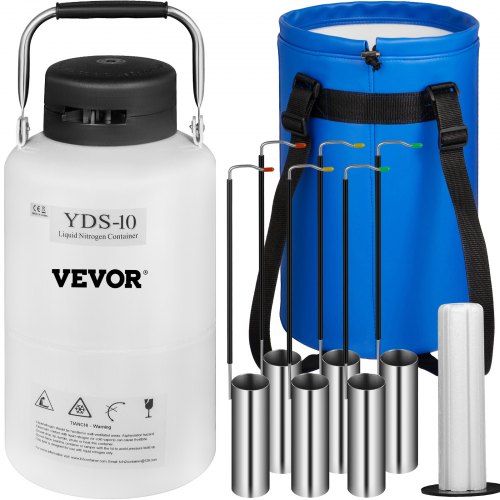
Credit: www.vevor.com
Frequently Asked Questions
Can Oxygen Tanks Freeze In Cold Weather?
Oxygen tanks rarely freeze due to their metal construction. However, extreme cold can affect valves and regulators, causing frost buildup or malfunctions. Proper insulation and storage help prevent freezing and ensure safe oxygen flow during cold weather.
What Temperature Causes Oxygen Tanks To Freeze?
Oxygen tanks typically don’t freeze below -40°F (-40°C). Yet, moisture in the regulator or valve can freeze around 32°F (0°C). Avoid exposing tanks to freezing temperatures by storing them in a dry, temperature-controlled environment for optimal performance.
How To Prevent Oxygen Tanks From Freezing?
Keep oxygen tanks in insulated, temperature-controlled areas. Use covers or blankets designed for tanks in cold climates. Regularly check and dry regulators to avoid moisture buildup. Proper handling and storage prevent freezing and maintain safe, continuous oxygen delivery.
Does Freezing Damage Oxygen Tanks?
Freezing generally does not damage the metal tank itself. However, ice formation can damage valves, regulators, or seals, leading to leaks or malfunctions. Proper maintenance and avoiding moisture exposure prevent freezing-related damage and ensure tank safety.
Conclusion
Oxygen tanks can freeze in very cold conditions. This happens when moisture builds up and turns into ice. Freezing can block valves or pipes, causing problems. Keep tanks away from extreme cold to avoid this issue. Store them in dry, warm places whenever possible.
Regularly check tanks for frost or ice buildup. Taking simple steps helps keep oxygen flowing smoothly. Stay safe and protect your oxygen supply from freezing risks.