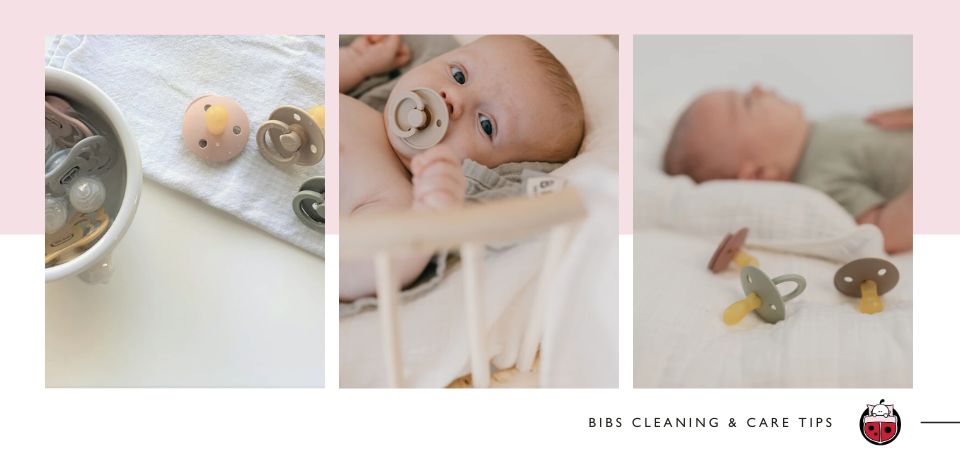
When you’re a busy parent, convenience is key, especially when it comes to keeping your baby’s items clean. You’ve probably wondered about the best way to clean those tiny pacifiers that seem to disappear and reappear throughout the day.
Can pacifiers go in the dishwasher? It’s a question that might have you second-guessing every time you load the dishes. You want to make sure your baby is safe and healthy, but you also need a solution that’s quick and easy.
We’ll dive into whether popping pacifiers in the dishwasher is the right move for you. Stick around to find out if this common cleaning method is a friend or foe for your little one’s cherished soothers.

Credit: frigg.com
Pacifier Materials And Dishwasher Safety
Choosing the right pacifier and cleaning it properly matters a lot for your baby’s health. Different pacifier materials react differently to dishwasher heat and detergents. Understanding these differences helps you keep your baby’s pacifier clean without damaging it.
Silicone Vs Latex Pacifiers
Silicone pacifiers are strong and heat-resistant. They can usually handle dishwasher cleaning without losing shape or softness. Many parents find silicone pacifiers easier to clean because they don’t absorb water or odors.
Latex pacifiers, on the other hand, are softer and more flexible but less durable under heat. High temperatures in a dishwasher can make latex brittle or cause it to break down faster. If you use latex, hand washing might be safer to keep it lasting longer.
Dishwasher Compatibility
Not all pacifiers are dishwasher safe. Always check the manufacturer’s label or packaging before placing a pacifier in the dishwasher. Some pacifiers have parts that can detach or get damaged in the dishwasher’s intense heat.
When using the dishwasher, place pacifiers on the top rack to avoid direct heat exposure from the heating element. Use a gentle cycle and avoid harsh detergents to protect the pacifier’s material. Have you noticed any changes in your pacifier’s texture or color after dishwasher cleaning? That’s a sign to reconsider your cleaning method.
Benefits Of Cleaning Pacifiers In Dishwasher
Cleaning pacifiers in the dishwasher offers many benefits for busy parents. It ensures the pacifiers are clean and safe for babies. Using a dishwasher can improve hygiene and save valuable time. The process is simple and effective, making daily care easier.
Sanitization Advantages
Dishwashers use very hot water that kills most germs and bacteria. This deep cleaning removes dirt and saliva better than hand washing. It helps stop the spread of germs that can make babies sick. Many dishwashers have a sanitizing cycle for extra protection. Parents can trust that pacifiers are hygienic after a dishwasher cycle.
Time-saving Benefits
Cleaning pacifiers in the dishwasher frees up time for other tasks. There is no need to scrub or boil pacifiers manually. Parents can load several pacifiers at once and run the dishwasher. It reduces the effort needed to keep pacifiers clean all day. This method fits well into a busy family routine.
Potential Risks Of Dishwasher Cleaning
Cleaning pacifiers in the dishwasher may seem easy and quick. Yet, it can cause some problems. Understanding these risks helps keep your baby safe and the pacifier intact. Some issues come from the heat, others from the cleaning chemicals.
Heat Damage Concerns
Dishwashers use very hot water to clean. This heat can change the shape of the pacifier. Soft silicone or rubber parts may melt or warp. Warped pacifiers might not fit properly in a baby’s mouth. This can make the pacifier unsafe to use. The heat can also break down the material over time. This leads to cracks or tears, which can be a choking hazard.
Chemical Exposure Issues
Dishwasher detergents contain strong chemicals. These chemicals help remove tough stains and germs. But some may leave harmful residues on pacifiers. Babies often chew on pacifiers, so chemical residue is risky. It can cause skin irritation or stomach problems. Not all detergents are safe for baby items. Choosing the wrong detergent increases chemical exposure. Rinsing may not remove all the detergent residues. This makes hand washing a safer option for pacifiers.
Step-by-step Dishwasher Cleaning Method
Cleaning pacifiers in the dishwasher is a quick and hygienic way to keep them safe for babies. The process requires careful preparation, correct dishwasher settings, and proper handling after washing. Follow these clear steps to ensure pacifiers come out clean and intact.
Preparation Before Washing
- Rinse pacifiers under warm water to remove milk or food residue.
- Disassemble pacifiers, separating any removable parts like silicone nipples.
- Place pacifiers in a dishwasher-safe mesh bag or a secure basket.
- Check pacifier labels to confirm they are dishwasher safe.
- Remove any metal parts that could rust during washing.
Recommended Dishwasher Settings
- Use the top rack to avoid damage from heating elements.
- Select a gentle or baby-safe cycle to protect pacifier material.
- Choose a high-temperature rinse to kill germs effectively.
- Use mild, fragrance-free dishwasher detergent to avoid irritation.
- Avoid heated drying; air-drying is safer for pacifiers.
Post-wash Handling
- Allow pacifiers to air dry completely on a clean towel or drying rack.
- Inspect pacifiers for cracks or damage before giving them to your baby.
- Store pacifiers in a clean, dry container to keep them germ-free.
- Replace pacifiers regularly to maintain hygiene and safety.
Alternative Safe Cleaning Methods
Keeping pacifiers clean is essential for your baby’s health. Some parents worry about dishwasher safety. There are several safe ways to clean pacifiers without using a dishwasher. These methods ensure thorough cleaning and help avoid damage.
Boiling Water Technique
Boiling water kills germs effectively. Place pacifiers in boiling water for about five minutes. Use tongs to remove them carefully. Let pacifiers cool completely before giving them to your baby. This method is simple and requires no special tools.
Sterilizing Solutions
Sterilizing solutions are designed to clean baby items safely. Follow the instructions on the packaging. Soak pacifiers in the solution for the recommended time. Rinse well with clean water after soaking. These solutions kill bacteria and are gentle on materials.
Hand Washing Tips
Hand washing is a quick and easy option. Use warm water and mild soap. Rub the pacifier gently to remove dirt. Rinse thoroughly to remove soap residue. Dry with a clean towel or air dry before use. Hand washing helps maintain pacifier quality and cleanliness.

Credit: www.amazon.ca
Tips For Maintaining Pacifier Hygiene
Keeping pacifiers clean is important for your baby’s health. Germs can build up quickly on pacifiers. Following some simple tips can help keep them safe and hygienic. Clean pacifiers regularly and store them properly. These small habits protect your baby from infections and discomfort.
Regular Cleaning Schedule
Wash pacifiers daily to remove dirt and germs. Use warm soapy water or boil them for a few minutes. Check the manufacturer’s instructions to see if dishwasher use is safe. Replace pacifiers often, especially if you see cracks or tears. A clean pacifier reduces the risk of bacteria buildup.
Storage Best Practices
Store pacifiers in a clean, dry container when not in use. Avoid leaving them exposed to air or dirt. Use a pacifier case or a sealed plastic box for travel. Do not share pacifiers between children to prevent germ transfer. Keep storage containers clean by washing them regularly.
When To Replace Pacifiers
Knowing when to replace pacifiers is crucial for your baby’s health and safety. Pacifiers go through a lot of use, and over time, they can wear out or become unsafe without you realizing it. Paying attention to their condition can prevent choking hazards and keep your little one comfortable.
Signs Of Wear And Tear
Look closely at your pacifier every time you clean it. Check for cracks, tears, or sticky spots on the nipple. If the nipple feels sticky or looks discolored, it’s time to toss it.
Also, watch for changes in shape. A misshapen nipple can affect your baby’s sucking and may cause discomfort. If you notice any rough edges or holes, don’t wait—replace the pacifier immediately.
Safety Guidelines
Always follow the manufacturer’s instructions about replacing pacifiers. Most suggest changing them every 4 to 6 weeks, even if they look fine. This is because small damages might not be visible but can still pose risks.
Consider your child’s age and chewing habits, too. If your baby is teething and biting harder, you might need to replace pacifiers more often. Never put a pacifier in the dishwasher if the manufacturer advises against it, as this can damage the material.
Have you checked your baby’s pacifiers recently? A quick look today can prevent a big problem tomorrow.

Credit: www.amazon.ca
Frequently Asked Questions
Can Pacifiers Be Safely Washed In A Dishwasher?
Yes, most pacifiers made of silicone or plastic are dishwasher safe. Use the top rack and a gentle cycle to avoid damage.
Does Dishwasher Cleaning Remove Germs From Pacifiers?
Dishwashers use high temperatures that effectively kill most bacteria and germs on pacifiers, ensuring hygienic cleaning.
Should Pacifiers Be Sterilized After Dishwasher Cleaning?
It’s not always necessary to sterilize after dishwasher cleaning if the dishwasher uses hot water. Sterilize when in doubt.
Can Heat From A Dishwasher Damage Pacifiers?
High heat may degrade some pacifiers over time. Check the manufacturer’s instructions to confirm dishwasher safety.
Conclusion
Pacifiers can usually go in the dishwasher safely. Always check the manufacturer’s instructions first. Use the top rack to avoid damage. Choose a gentle cycle with warm water. This helps keep pacifiers clean and safe for babies. Hand washing works well too, especially for delicate types.
Clean pacifiers reduce germs and keep your baby healthy. Regular cleaning is important for your child’s comfort. Keep this simple routine to protect your baby every day. Easy and safe cleaning matters most for your little one.