Imagine waking up on a chilly morning, reaching for the faucet, and being greeted by… nothing. A frozen pipe can disrupt your entire day and lead to expensive repairs.
You might be asking yourself, “Can pipes really freeze at just 34 degrees? ” It seems unlikely, doesn’t it? Yet, understanding the subtle nuances of how and when pipes freeze can save you a lot of hassle. We’ll unravel the mystery behind pipe freezing temperatures, helping you avoid unexpected plumbing disasters.
Stick with us, and you’ll learn how to keep your home safe and cozy, even when the mercury hovers around 34 degrees.
Freezing Point Of Water In Pipes
Water inside pipes freezes at 32 degrees Fahrenheit (0 degrees Celsius). This is the standard freezing point of pure water. However, pipes do not always freeze exactly at this temperature. Several factors can change the temperature at which water inside pipes freezes. Understanding these factors helps prevent pipe damage during cold weather.
Factors Affecting Freezing Temperature
The freezing point of water in pipes may vary due to different conditions:
- Water purity:Impurities like minerals or salt lower the freezing point slightly.
- Pipe insulation:Well-insulated pipes stay warmer longer, delaying freezing.
- Air temperature:Pipes exposed to colder air freeze faster.
- Water movement:Flowing water resists freezing compared to still water.
- Pipe location:Pipes inside walls or underground freeze slower than exposed pipes.
Role Of Pipe Material
Different pipe materials affect heat transfer and freezing risk:
- Metal pipes:Copper and steel conduct cold quickly, freezing faster.
- Plastic pipes:PEX and PVC offer better insulation, slowing freezing.
- Pipe thickness:Thicker pipes take longer to freeze inside.
- Pipe color:Darker pipes absorb heat better, reducing freeze risk.

Credit: www.local3news.com
Temperature Thresholds For Pipe Freezing
Pipes can freeze when temperatures drop low enough. Knowing the exact temperature thresholds helps prevent costly damage. Water inside pipes freezes as it reaches its freezing point. This causes expansion and possible pipe bursts. Understanding the critical temperature points aids in better preparation.
Why 32 Degrees Is Critical
Water freezes at 32 degrees Fahrenheit. This is the exact point when ice starts to form inside pipes. At this temperature, liquid water changes to solid ice. Ice expands, putting pressure on pipe walls. Pipes are most vulnerable at or below 32 degrees.
Even brief exposure to 32 degrees can cause freezing. Pipes in unheated areas like basements or attics face higher risk. Insulation and heating can protect pipes from dropping to this critical point.
Possibility Of Freezing At 34 Degrees
Freezing at 34 degrees is less common but possible. Water generally needs to reach 32 degrees to freeze. However, factors like wind chill and pipe material affect freezing risk.
- Pipes exposed to cold drafts may freeze near 34 degrees.
- Slow water movement increases freezing chances just above 32 degrees.
- Metal pipes lose heat faster, raising freeze risk near 34 degrees.
Monitoring actual pipe temperature is important. Air temperature alone may not reflect pipe conditions accurately. Pipes can freeze slightly above 32 degrees under certain conditions.
Environmental Influences
Environmental factors play a big role in whether pipes freeze at 34 degrees. Temperature alone does not tell the full story. Elements like wind, humidity, pipe placement, and insulation affect pipe temperature and freezing risk. Understanding these influences helps protect your pipes better during cold weather.
Impact Of Wind And Humidity
Wind can cool pipes faster than air temperature suggests. It removes heat from pipe surfaces quickly. Even mild winds increase freezing chances by lowering pipe temperature below air temperature.
Humidity also matters. Dry air causes water inside pipes to lose heat faster. Low humidity combined with wind makes pipes chill rapidly. High humidity can slow heat loss but might cause condensation, which affects insulation.
Effect Of Pipe Location And Insulation
Pipes outdoors or in unheated areas freeze more easily. Pipes inside walls or crawl spaces face less freezing risk. Sunlight exposure can warm pipes during the day, reducing freezing danger.
Insulation helps keep pipes warmer. Foam sleeves or wraps slow heat loss. Good insulation reduces the impact of cold air and wind. Lack of insulation leaves pipes exposed to environmental cold.
Signs Of Pipes At Risk
Knowing the signs that your pipes might be at risk of freezing is crucial, especially when temperatures hover around 34 degrees. Pipes don’t always show obvious damage before freezing, so catching early indicators can save you from costly repairs and water damage. Paying attention to subtle clues in your plumbing system can help you act before things get worse.
Visual And Physical Indicators
Look for frost or ice buildup on exposed pipes, particularly in unheated areas like basements, crawl spaces, or attics. Pipes that feel unusually cold to the touch or show condensation might be on the verge of freezing. You might also notice cracks or bulges in the pipe surface, which suggest that ice has already started forming inside.
Have you ever touched a pipe only to find it icy cold even when the room feels warm? That’s a warning sign you shouldn’t ignore. Another visual clue is water stains or damp spots around pipes, indicating slow leaks from small cracks caused by ice expansion.
Monitoring Water Pressure And Flow
Pay close attention to how water flows from your faucets. A sudden drop in water pressure or a trickle instead of a steady stream can mean ice is blocking the pipe. You might also notice unusual noises like banging or gurgling in your plumbing, which happen when water struggles to move past frozen sections.
Try to run water regularly during cold spells, even if just a small stream, to keep it moving and reduce freezing risk. Have you checked your water pressure lately? An unexpected change can be your first sign that something is wrong inside the pipes.
Preventing Pipe Freezing
Preventing your pipes from freezing requires more than just hoping for the best when the temperature drops to around 34 degrees. Taking proactive steps can save you from costly repairs and the hassle of water damage. The key lies in understanding practical ways to keep your pipes warm and functional during cold spells.
Insulation Techniques
Adding insulation around your pipes is one of the simplest ways to protect them. You can use foam pipe sleeves or wrap pipes with heat tape designed for plumbing. Don’t forget to focus on pipes in unheated areas like basements, attics, or crawl spaces.
Check for gaps or cracks where cold air can sneak in and seal them with caulk or spray foam. This small step can make a big difference in maintaining a warmer environment around your pipes.
Heating Solutions
Sometimes insulation isn’t enough, especially in extremely cold weather. Using space heaters or heat lamps near vulnerable pipes can add extra warmth. Make sure to keep heaters away from anything flammable and never leave them unattended.
Another smart option is installing a thermostatically controlled heating cable. These cables automatically turn on when temperatures drop, providing consistent heat to prevent freezing.
Dripping Faucets Strategy
Have you ever heard that letting your faucet drip helps protect pipes? It’s true. Allowing a slow drip keeps water moving, which lowers the chance of freezing inside the pipes.
This technique works best for faucets connected to pipes that are exposed to cold air. It’s a simple habit you can start as soon as the temperature nears freezing. Would you be surprised how many homeowners overlook this easy fix?

Credit: www.youtube.com
What To Do If Pipes Freeze
Finding your pipes frozen can be a stressful situation. You need to act quickly but carefully to avoid further damage. Knowing what to do if pipes freeze can save you time, money, and a lot of hassle.
Safe Thawing Methods
Start by opening the faucet connected to the frozen pipe. This helps relieve pressure and allows water to flow once thawed.
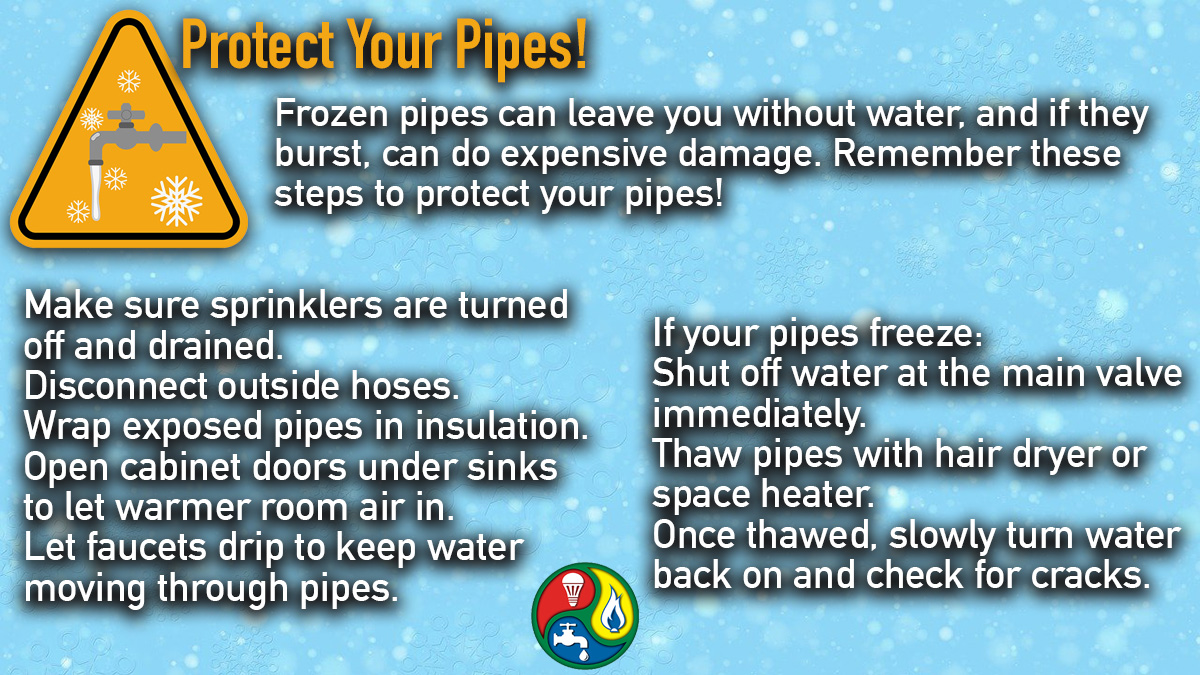
Use a hairdryer or a space heater to warm the pipe gradually. Move the heat source along the pipe evenly; never apply direct flame or high heat.
If you don’t have those, wrapping the pipe with warm towels soaked in hot water can work. Replace towels frequently to keep the heat consistent.
Have you ever tried using a heating pad on a frozen pipe? It’s surprisingly effective and safer than some other methods.
Avoiding Pipe Damage
Never force open a pipe or faucet when it’s frozen. The pressure can cause the pipe to burst, leading to costly repairs.
Avoid using open flames, like a blowtorch or candles, to thaw pipes. The risk of fire and damage is too high.
Insulate pipes in vulnerable areas to prevent freezing next time. Foam pipe insulation sleeves are inexpensive and easy to install.
Check your home’s thermostat during cold snaps. Keeping the temperature steady helps protect your plumbing system.
Long-term Protection Tips
Protecting your pipes from freezing requires more than quick fixes. Long-term care is essential to avoid costly repairs. Proper steps help keep water flowing even in cold weather. Focus on preparing your plumbing system before temperatures drop. Regular checks and smart winterizing can save your home from water damage.
Winterizing Plumbing Systems
Winterizing helps prevent pipes from freezing and bursting. Drain outdoor hoses and shut off exterior water valves. Insulate exposed pipes with foam sleeves or heat tape. Keep cabinet doors open to allow warm air circulation near pipes. Maintain a steady home temperature above freezing at all times. Consider installing pipe heating cables for extra protection in cold spots.
Regular Maintenance Checks
Inspect pipes regularly for leaks, cracks, or damage. Check insulation on pipes and replace if worn out. Test your home’s heating system to ensure it works well. Look for drafts around windows and doors that may cause cold air. Seal gaps to reduce cold air reaching your plumbing. Schedule professional plumbing inspections to catch issues early and stay safe.
Credit: 256today.com
Frequently Asked Questions
Can Pipes Freeze At 34 Degrees Fahrenheit?
Pipes usually freeze at 32°F or below. However, 34°F is close enough that pipes in poorly insulated areas can begin to freeze. Factors like wind chill and pipe material affect freezing risk even at slightly above freezing temperatures.
How Does Temperature Affect Pipe Freezing Risk?
Lower temperatures increase freezing risk. Water inside pipes freezes at 32°F, but cold air exposure and insulation quality influence the actual risk. Even temperatures slightly above freezing can cause partial freezing, especially if pipes are exposed or poorly insulated.
What Areas In A Home Are Prone To Freezing Pipes?
Pipes in unheated spaces like basements, attics, garages, and exterior walls are most vulnerable. These areas often lack insulation and experience colder temperatures, increasing the chances of pipe freezing when the weather drops near freezing.
Can Pipes Freeze If The Temperature Is Just Above Freezing?
Yes, pipes can freeze slightly above 32°F if exposed to cold drafts or poor insulation. Wind chill and prolonged exposure to near-freezing temperatures make pipes more susceptible to freezing even at 34°F.
Conclusion
Pipes can freeze even at 34 degrees, depending on conditions. Cold wind, wetness, and poor insulation raise freezing risks. Taking simple steps helps protect your pipes from damage. Keep areas warm and wrap pipes in cold spots. Watch the weather and act before temperatures drop.
Staying alert saves money and prevents water problems. Small efforts make a big difference during cold weather. Protect your home by understanding when pipes freeze. Stay safe and keep your plumbing working well all winter.