Have you ever wondered if your pipes are safe when temperatures drop to 50 degrees Fahrenheit? You might assume everything is fine, but the reality might surprise you.
Understanding how temperature affects your pipes is crucial for preventing costly damage and ensuring peace of mind. This article will unravel the truth behind pipes freezing at seemingly safe temperatures. You’ll discover surprising facts, expert tips, and actionable advice to protect your home.
Are you ready to uncover the secrets to keeping your pipes safe? Dive in and learn how to safeguard your home against unexpected cold snaps.
Freezing Point Of Water In Pipes
Water inside pipes freezes at 32 degrees Fahrenheit (0 degrees Celsius), which is the standard freezing point. However, this doesn’t mean pipes will freeze the moment the temperature hits 32 degrees outside. Various factors affect when and how water freezes inside your pipes, making the process less straightforward than you might think.
Factors Influencing Pipe Freezing
Several elements decide how likely your pipes are to freeze, even if the temperature isn’t extremely low. For example, pipes located in unheated areas like basements or crawl spaces freeze faster because they have less protection from outdoor cold.
Material and size of the pipes matter too. Metal pipes conduct cold more quickly than plastic ones, increasing the risk of freezing. The duration of cold exposure also plays a role; a brief dip below freezing might not cause issues, but extended cold spells can be dangerous.
- Pipe location (indoors vs. outdoors)
- Pipe material (copper, PVC, etc.)
- Insulation around pipes
- Duration of cold temperatures
- Water movement inside pipes (still water freezes faster)
Temperature Thresholds To Watch
Does water freeze in pipes at 50 degrees? The simple answer is no. Pipes won’t freeze at 50°F since it’s well above water’s freezing point. But what if you live in a region where temperatures drop quickly at night or near cold drafts?
Keep an eye on temperatures near 32°F or lower, especially if the conditions mentioned above apply to your home. Also, consider wind chill and humidity, which can influence how cold your pipes actually feel.
| Temperature Range | Risk of Pipe Freezing | Action |
|---|---|---|
| Above 40°F | Minimal risk | Regular checks, no special precautions |
| 32°F to 40°F | Low to moderate risk | Insulate pipes in vulnerable areas |
| Below 32°F | High risk | Use pipe heating cables, keep water running |
Have you ever experienced a sudden freeze that caught you off guard? It’s often not the daytime temperature but the overnight lows and your home’s weak spots that matter most. Watch those thresholds closely to protect your plumbing.

Credit: garynsmith.net
Can Pipes Freeze At 50 Degrees?
Can pipes freeze at 50 degrees? It’s a question many homeowners ask when temperatures dip but don’t quite hit the freezing mark. You might assume that pipes only freeze when it’s 32°F or below, but the reality is more complex. Understanding when and why pipes freeze can save you from costly repairs and sleepless nights.
Misconceptions About Freezing Temperatures
Many believe pipes freeze only at or below 32°F, the freezing point of water. However, this isn’t always the case. Pipes can freeze even when the ambient temperature is higher due to factors like wind chill or poor insulation.
For example, if your pipes are located in an unheated garage or attic, the temperature around them might drop lower than the thermostat reading inside your home. This means the actual temperature near the pipes could be close to or below freezing even if the outdoor thermometer says 50°F.
Have you ever felt that chill near a window or door even though the room feels warm? Pipes behave the same way. They’re vulnerable to localized cold spots, which can cause freezing despite higher general temperatures.
Situations That Cause Freezing Above 32°f
How can pipes freeze if the temperature is above 32°F? Certain conditions create microclimates that allow freezing to happen.
- Cold Winds:Wind can strip away heat from exposed pipes, lowering their temperature below freezing.
- Poor Insulation:Pipes without proper insulation lose heat quickly, especially in unheated areas like crawl spaces.
- Sudden Temperature Drops:A quick cold snap overnight can freeze water in pipes even if the day’s average temperature is higher.
- Shaded Areas:Pipes in shaded spots don’t receive warmth from the sun, increasing freeze risk.
I once experienced a pipe freeze when the temperature hovered around 45°F. A strong wind blew through a poorly insulated basement, chilling the pipes enough to freeze the water inside. It was a reminder that temperature readings don’t tell the whole story.
Have you checked your home’s vulnerable spots where pipes might be exposed to these conditions? Identifying them is key to preventing freezing, even on days that seem safe.
Environmental Conditions Affecting Pipes
Pipes can freeze even if the temperature stays around 50 degrees. Various environmental factors can lower the temperature around pipes. These conditions play a key role in freezing risks. Understanding them helps protect your plumbing effectively.
Wind Chill And Exposure
Wind chill makes the air feel colder than the actual temperature. Strong winds can strip heat from pipes quickly. Pipes exposed to wind face a higher risk of freezing.
Outdoor pipes or those in unprotected areas are vulnerable. Wind can reduce the pipe surface temperature below freezing. This happens even if the air temperature is above 32 degrees.
Insulation And Pipe Location
Insulation shields pipes from cold air and helps keep warmth. Well-insulated pipes resist freezing even in chilly surroundings. Pipes inside walls or underground have natural protection.
Uninsulated pipes in basements, attics, or crawl spaces face more cold air. Proper insulation and location choice lower freezing chances. Simple measures can prevent costly pipe damage.
Preventing Pipe Freezing
Preventing pipe freezing is essential, especially as temperatures hover around 50 degrees and can drop unexpectedly. Pipes don’t have to freeze just because it’s not freezing outside yet. Taking smart precautions can save you from costly repairs and water damage.
Effective Insulation Techniques
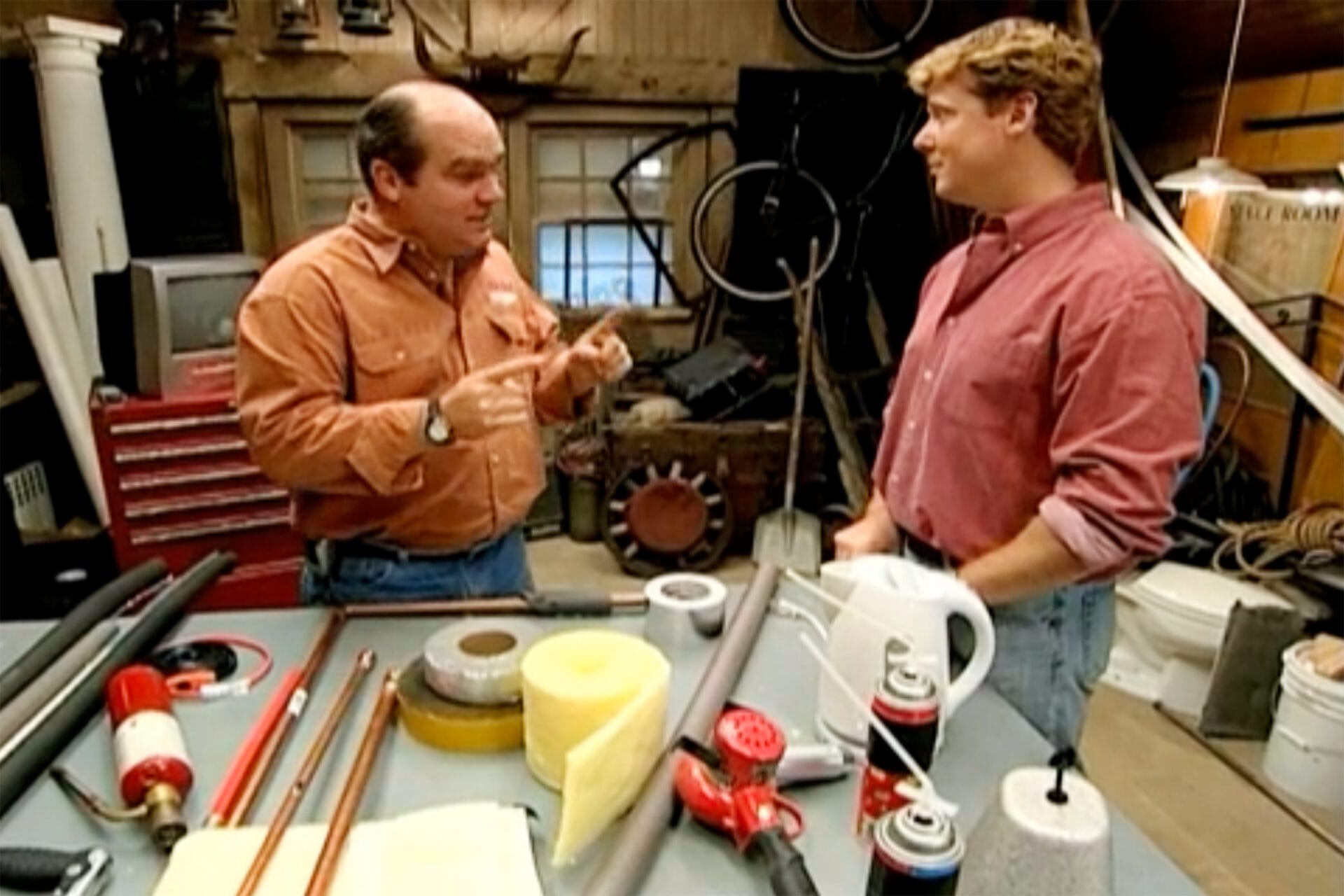
Insulating your pipes is one of the easiest and most effective ways to keep them from freezing. Use foam pipe sleeves or fiberglass wrap to cover exposed pipes in unheated areas like basements, attics, or crawl spaces.
Don’t forget small sections where pipes bend or connect—these spots are especially vulnerable. You can even use heat tape or cable, which acts like an electric blanket for your pipes, keeping them warm when the temperature dips.
Think about your own home: have you checked all those hidden pipes behind walls or under sinks? Adding insulation there could make a big difference.
Using Heat Sources Safely
Sometimes, insulation isn’t enough. You might need to add some heat to keep pipes from freezing. A space heater placed near vulnerable pipes can help, but only if you follow safety guidelines.
- Keep heaters away from flammable materials and never leave them unattended.
- Use heaters with automatic shut-off features to avoid overheating.
- Consider installing thermostatically controlled heat cables that turn on only when temperatures drop.
Have you ever left a faucet dripping on a cold night? That tiny drip can prevent freezing by keeping water moving. It’s a simple trick that works because standing water freezes faster than flowing water.
Signs Of Frozen Pipes
Frozen pipes can cause serious damage before you even realize there’s a problem. Recognizing the signs early can save you from costly repairs and water damage. It’s important to know what to look for, especially when temperatures hover around 50 degrees—close enough to freeze pipes in some situations.
Detecting Early Warning Signs
One of the first signs of frozen pipes is a sudden drop in water pressure. If your faucets start flowing weakly or not at all, it could mean ice is blocking the pipe.
You might also notice strange noises like banging or gurgling when you turn on the tap. These sounds happen because water is struggling to move past the frozen section.
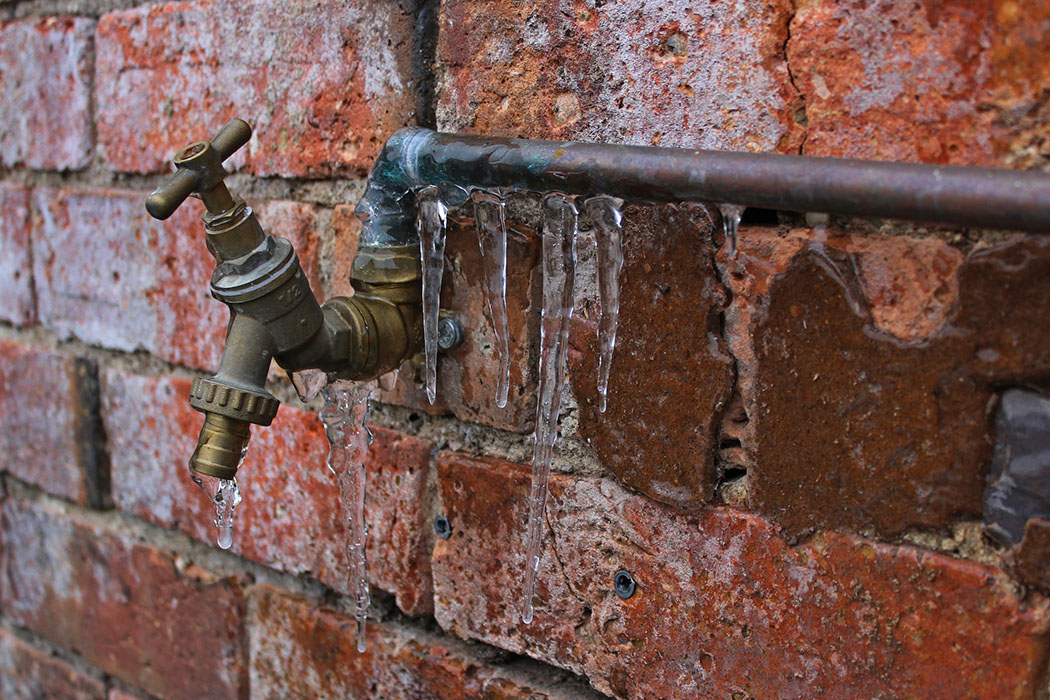
Another clue is frost or ice buildup on exposed pipes. Check basements, crawl spaces, or outdoor faucets for any visible frost, even if the temperature seems too mild to freeze pipes.
Immediate Actions To Take
If you suspect a frozen pipe, act quickly. Shut off the main water supply to prevent pipes from bursting as ice expands.
Next, open the faucet nearest the frozen pipe. This allows water to flow as the ice melts, relieving pressure inside the pipe.
Use safe warming methods like a hairdryer or warm towels to gently thaw the pipe. Avoid open flames or high heat, which can damage the pipe or cause a fire.
Have you ever ignored a slow drip only to find a flooded floor hours later? Don’t let hesitation make a small problem huge. Quick action can make all the difference.
Credit: www.esd112.org
Dealing With Frozen Pipes
Frozen pipes can cause a lot of trouble in any home. They may burst and lead to water damage. Acting quickly to deal with frozen pipes is important to prevent bigger problems. Knowing how to safely thaw pipes helps protect your property and plumbing.
Safe Thawing Methods
Thawing pipes slowly and carefully is key. Use these safe ways to warm frozen pipes:
- Apply a warm cloth or towel wrapped around the pipe.
- Use a hairdryer on low heat, moving it along the pipe.
- Place a portable space heater nearby, keeping it safe from water.
- Wrap pipes with electrical heating tape made for plumbing.
Never use open flames like a blowtorch or lighter. Avoid pouring hot water directly on pipes. This can cause damage or burst the pipe.
When To Call A Professional
Sometimes frozen pipes need expert help. Call a plumber if:
- You cannot find the frozen area.
- Pipes are hidden behind walls or under floors.
- Thawing attempts do not work within a short time.
- You see signs of leaks or cracks in pipes.
Professionals have tools and skills to handle frozen pipes safely. Early help can save money and avoid water damage.
Long-term Solutions
Protecting pipes from freezing at 50 degrees requires smart, lasting solutions. Temporary fixes may help briefly, but long-term methods prevent damage and costly repairs. Choosing the right materials and installing heating systems keeps water flowing safely, even in cooler temperatures.
Upgrading Pipe Materials
Old pipes made of metal or thin plastic freeze more easily. Switching to newer, insulated materials helps pipes resist cold. Examples include:
- PEX pipes – flexible and freeze-resistant
- CPVC pipes – better heat retention
- Insulated pipes – reduce heat loss
These materials lower the risk of freezing and bursting. They last longer and need less repair.
Installing Pipe Heating Systems
Heating cables or tapes wrap around pipes to keep them warm. These systems work well in unheated areas like basements or crawl spaces. Benefits include:
- Automatic temperature control
- Energy-efficient operation
- Easy installation on existing pipes
Heating systems maintain steady warmth, stopping pipes from freezing at 50 degrees or lower. This solution protects your plumbing all winter long.
Credit: www.thisoldhouse.com
Frequently Asked Questions
Can Pipes Freeze At 50 Degrees Fahrenheit?
Pipes typically don’t freeze at 50°F, as freezing occurs near 32°F. However, prolonged exposure to cold drafts or poor insulation can cause localized freezing. It’s best to insulate pipes and maintain home heating to prevent any risk, especially during sudden temperature drops.
What Factors Cause Pipes To Freeze Above 32°f?
Pipes can freeze above 32°F due to wind chill, poor insulation, or rapid temperature drops. Cold air entering through cracks lowers pipe temperature. Ensuring proper insulation and sealing gaps helps protect pipes from freezing in marginal conditions.
How To Protect Pipes From Freezing At Moderate Temperatures?
Insulate pipes using foam sleeves or heat tape. Seal cracks and openings near pipes. Maintain indoor temperatures above 55°F. Running a slow faucet during cold nights also prevents freezing by keeping water moving inside pipes.
Does Pipe Material Affect Freezing Risk At 50 Degrees?
Yes, metal pipes freeze faster than plastic pipes due to higher thermal conductivity. Plastic pipes retain heat better and resist freezing longer. Choosing the right pipe material and insulating them reduces freezing risk in borderline temperatures.
Conclusion
Pipes usually freeze at or below 32 degrees Fahrenheit. At 50 degrees, freezing is rare but can happen in some cases. Cold winds or poor insulation may cause pipes to get very cold. Always check pipes during cold weather to avoid damage.
Keep your home warm and protect exposed pipes. Small steps help prevent costly repairs later. Stay safe and keep your plumbing working well.