
Imagine waking up on a chilly winter morning, reaching for the tap, and being met with… Nothing.
No water. Your mind races: can pipes freeze in an apartment? The short answer is yes, and it can happen more easily than you might think. If you’ve ever wondered how your cozy apartment could turn into a frozen nightmare, you’re not alone.
Many people are unaware of the risks that cold weather poses to their plumbing. Understanding these risks can save you from the headache and expense of dealing with frozen pipes. We’ll explore why pipes freeze, the warning signs to watch for, and how you can prevent this from happening in your apartment. Keep reading to ensure your winter is warm, worry-free, and water-filled!

Credit: www.local3news.com
Why Pipes Freeze In Apartments
Pipes in apartments can freeze during cold weather. This happens because water inside the pipes turns to ice. Ice expands and can cause the pipes to burst. Understanding why pipes freeze helps prevent costly repairs.
Several factors make apartment pipes vulnerable. These include cold spots, poor insulation, and temperature changes. Each factor plays a role in pipe freezing risks.
Common Cold Spots
Cold spots are areas where cold air reaches the pipes easily. Pipes near windows, exterior walls, or balconies face more cold air. These spots often lack proper warmth. Water in these pipes freezes faster than others.
Poor Insulation
Insulation keeps pipes warm by blocking cold air. Many apartments have thin or no insulation around pipes. Without insulation, pipes lose heat quickly. Poor insulation increases the chance of freezing.
Temperature Fluctuations
Temperature changes inside the apartment affect pipe safety. Sudden drops in temperature cause water to freeze. Apartments with poor heating or drafts see more fluctuations. These changes make pipes more likely to freeze.
Signs Of Frozen Pipes
Frozen pipes in an apartment can cause serious headaches and costly damage. Spotting the signs early can save you from a plumbing nightmare. Knowing what to look for helps you act fast and prevent pipe bursts or water damage.
No Water Flow
If you turn on your faucet and nothing comes out, it’s a major red flag. This often means water inside the pipes has frozen solid, blocking the flow. Have you ever experienced a sudden dry tap during winter? It’s a clear sign your pipes might be frozen.
Frost On Pipes
Visible frost or ice on exposed pipes is a strong warning. Pipes near windows, exterior walls, or cold areas are especially vulnerable. Seeing frost means the temperature has dropped low enough to freeze the water inside. Don’t ignore this—frost signals an urgent risk.
Strange Noises
Do you hear banging, clanking, or unusual sounds when you use your taps? These noises often come from ice expanding or water struggling to move through frozen sections. Strange noises aren’t just annoying—they’re a sign that your pipes are under stress.
Preventing Frozen Pipes
Frozen pipes in an apartment cause serious trouble. Water stops flowing, and pipes may burst. Preventing frozen pipes saves money and stress. Simple actions protect your home during cold weather.
Keep Indoor Temperature Stable
Keep your apartment warm, especially near pipes. Avoid turning off heat completely at night. Set the thermostat no lower than 55°F (13°C). Warm air helps stop pipes from freezing.
Open cabinet doors under sinks. This lets warm air reach pipes. Close windows and doors tightly. Cold air drafts can chill pipes quickly.
Seal Gaps And Cracks
Check for gaps around windows, doors, and walls near pipes. Use weather stripping or caulk to seal these areas. Stop cold air from entering your apartment. This reduces the chance of pipe freezing.
Inspect vents and electrical outlets on exterior walls. Seal gaps with foam or caulk. Prevent cold air from blowing directly on pipes.
Use Pipe Insulation
Wrap exposed pipes with foam pipe insulation. This adds a layer of protection from cold. Focus on pipes in unheated areas like closets or near exterior walls.
Use heat tape for extra protection. It gently warms pipes during freezing weather. Follow manufacturer instructions carefully for safe use.

Credit: www.reddit.com
Emergency Steps For Frozen Pipes
Frozen pipes in an apartment can cause serious damage if not handled quickly and correctly. Taking immediate action can prevent bursts and costly repairs. Here are some clear emergency steps to help you manage frozen pipes safely and effectively.
Turn Off Water Supply
First, locate your apartment’s main water shut-off valve and turn it off. Stopping the water flow prevents pressure buildup inside the frozen pipe, which can lead to bursts. Have you ever tried to fix a leak only to find the water making the problem worse? Turning off the supply keeps things under control.
Apply Heat Safely
Next, gently warm the frozen section of the pipe. Use a hairdryer, heating pad, or warm towels wrapped around the pipe. Keep the heat source moving steadily to avoid overheating any spot, which can damage the pipe.
Remember, patience is key. Rushing with too much heat can cause the pipe to crack. Do you have a warm towel handy right now?
Avoid Open Flames
Never use an open flame like a blowtorch or candle to thaw frozen pipes. This is extremely dangerous and can cause fires or damage your plumbing. Instead, stick to safer heat sources to protect yourself and your home.
Have you seen the damage a small fire can cause? It’s not worth the risk when safer options exist.
Long-term Winter Protection
Protecting your apartment pipes from freezing during winter requires ongoing care. Long-term winter protection helps avoid costly repairs and water damage. Taking steps early can keep your plumbing safe through the cold months.
Regular Maintenance
Check pipes regularly for leaks or cracks. Small problems can lead to big issues if ignored. Insulate exposed pipes with foam sleeves. Keep your heating system working well to maintain warmth. Drain outdoor hoses and shut off their valves before winter.
Install Heat Tape
Heat tape keeps pipes warm by using electricity. Wrap it around vulnerable pipes to prevent freezing. Choose heat tape with an automatic thermostat for safety. Follow instructions carefully when installing to avoid hazards. Heat tape works best on pipes in cold, drafty areas.
Consult Building Management
Talk to your building management about winter pipe protection. They may have rules or tips specific to your apartment. Ask about the heating schedule and insulation measures. Report any cold spots or pipe issues promptly. Cooperation helps keep the whole building safe and warm.
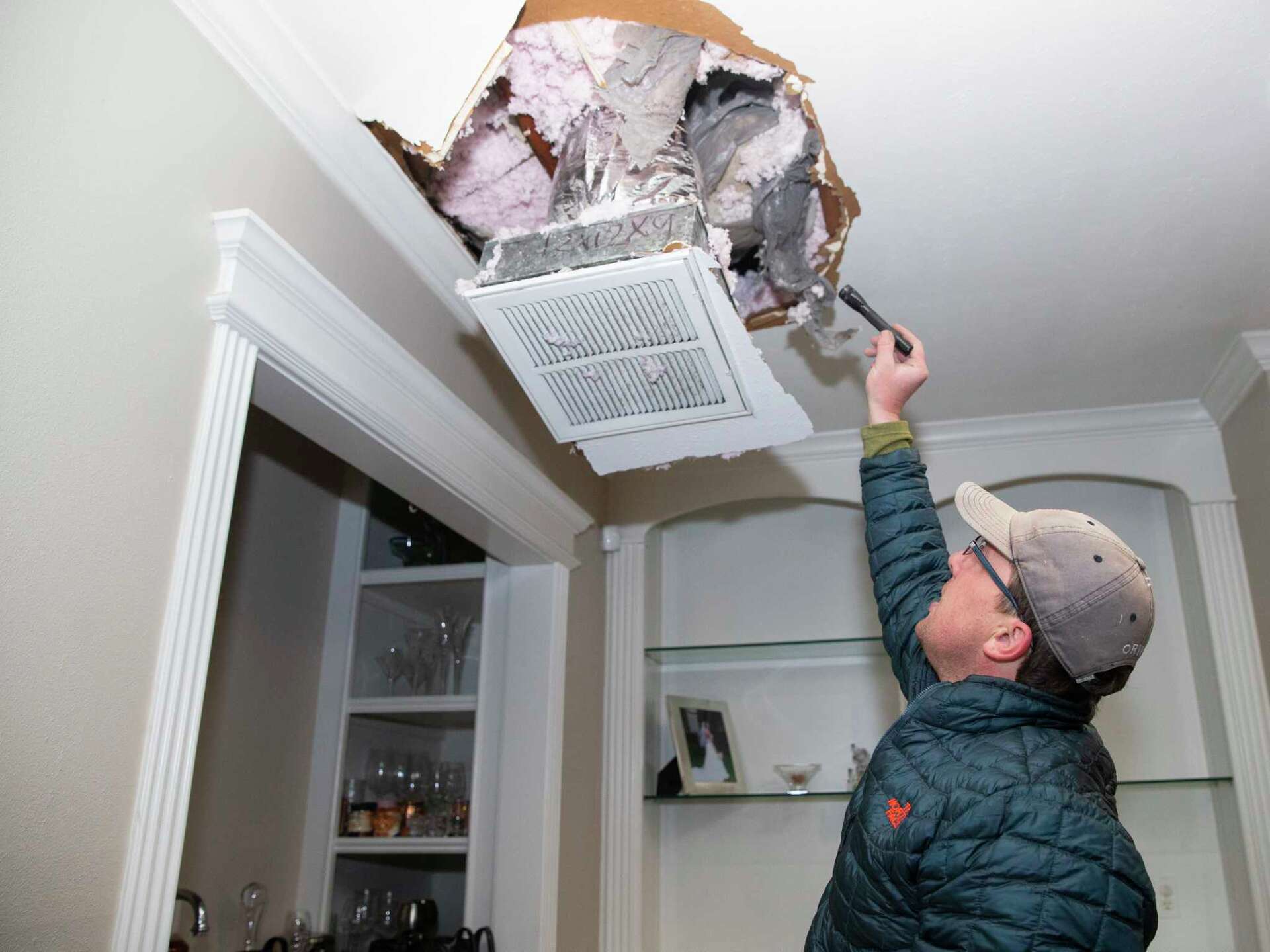
Credit: www.houstonchronicle.com
Frequently Asked Questions
Can Pipes Freeze In An Apartment Building?
Yes, pipes in an apartment can freeze, especially in cold climates. Poor insulation and drafts increase the risk of freezing.
What Causes Apartment Pipes To Freeze?
Cold temperatures, inadequate insulation, and drafts near pipes cause freezing. Lack of heat in unused rooms also contributes.
How Can I Prevent Pipes From Freezing Indoors?
Keep the apartment warm, seal drafts, and let faucets drip during extreme cold. Insulating pipes also helps prevent freezing.
What Signs Show Frozen Pipes In Apartments?
No water flow, low water pressure, or strange noises indicate frozen pipes. Ice may cause visible pipe bulges or cracks.
Conclusion
Pipes in apartments can freeze when temperatures drop low. Cold weather makes water inside pipes turn to ice. Frozen pipes may burst and cause water damage. Keep pipes warm by insulating and letting faucets drip. Check for drafts near plumbing and seal them tight.
Acting early helps avoid costly repairs and stress. Stay aware of weather forecasts and prepare your pipes. Protect your home by taking simple, smart steps today. Frozen pipes are preventable with good care and attention.