Are you waking up with a sharp pain in your heel, only to notice it creeping up your calf? It’s frustrating, isn’t it?
You might be wondering if this is just a coincidence or if something more is at play. Understanding the link between plantar fasciitis and calf pain could be the key to finding relief. Imagine starting your day without that nagging discomfort.
It’s possible, and it starts with knowing how these two are connected. Stick with us, and you’ll discover not only why this happens but also what you can do about it. You deserve to move freely and comfortably, and this knowledge might just be your first step toward that freedom.
What Is Plantar Fasciitis
Plantar fasciitis is a common foot problem. It causes pain in the heel and bottom of the foot.
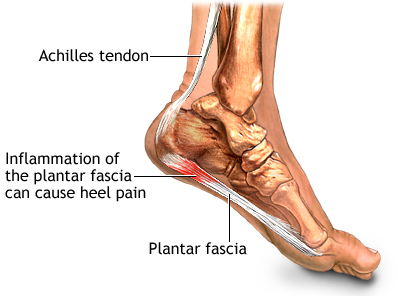
This happens when the plantar fascia, a thick band of tissue, gets irritated or inflamed. It often causes sharp pain during walking or standing.
Anatomy Of The Plantar Fascia
The plantar fascia is a strong, thick band of tissue. It runs from the heel bone to the toes on the bottom of the foot.
This tissue supports the arch of the foot. It helps absorb shock when walking or running.
- Starts at the heel bone (calcaneus)
- Extends to the base of the toes
- Supports foot arch and helps with movement
Common Symptoms
Plantar fasciitis causes pain in the heel or foot arch. The pain is usually worse in the morning.
Other symptoms include stiffness and discomfort after resting. The pain may improve with movement but can return after long standing.
- Sharp heel pain, especially after sleep
- Stiffness in the foot arch
- Pain after long periods of standing or walking
- Swelling or tenderness in the heel area

Credit: www.katyfootcare.com
Causes Of Calf Pain
Calf pain can come from many different reasons. It is important to know what causes the pain.
Understanding the cause helps in choosing the right treatment and care for your calf.
Muscle Strain And Overuse
Muscle strain happens when the calf muscles stretch too far or tear. This can cause sharp or dull pain.
Overusing the muscles by running or standing too long can also cause soreness and cramps.
- Sudden heavy exercise
- Repeated movements
- Not warming up before activity
- Wearing improper shoes
Nerve-related Issues
Nerves in the leg can cause calf pain if they get pinched or damaged. This pain may feel sharp or burning.
Conditions like sciatica or nerve compression can send pain signals to the calf area.
- Herniated discs pressing nerves
- Peripheral neuropathy
- Spinal stenosis
Circulatory Problems
Blood flow issues can cause calf pain. Poor circulation can make muscles feel tired and painful.
Blood clots in the leg veins can cause swelling, redness, and pain in the calf.
- Deep vein thrombosis (DVT)
- Varicose veins
- Peripheral artery disease
Link Between Plantar Fasciitis And Calf Pain
Plantar fasciitis is a common foot condition causing heel pain. Some people with this issue also feel pain in their calves.
Understanding the connection helps manage symptoms better. This article looks at how plantar fasciitis may cause calf pain.
Biomechanical Connections
The foot and calf muscles work together to support the body. Plantar fasciitis can change how you walk or stand.
- Tight calf muscles increase strain on the plantar fascia.
- Changes in gait put more pressure on calf tendons.
- Reduced ankle movement leads to calf muscle fatigue.
- Overuse of calf muscles can cause pain and stiffness.
Referred Pain Patterns
Pain from plantar fasciitis may spread to nearby areas. This is called referred pain and it happens through nerves.
| Source of Pain | Referred Area | Reason |
| Plantar Fascia | Calf Muscle | Shared nerve pathways |
| Heel Pain | Lower Leg | Muscle tightness and inflammation |
| Foot Strain | Calf and Achilles tendon | Compensatory muscle use |
How Plantar Fasciitis May Lead To Calf Discomfort
Plantar fasciitis causes pain in the heel and foot. This pain can change how you walk. Changes in walking affect other muscles in your legs.
One common result is calf pain. Understanding why this happens can help you manage your symptoms better.
Altered Walking Gait
Pain from plantar fasciitis makes you avoid putting pressure on your heel. This changes your normal walking pattern. Your body shifts weight to other parts of the foot and leg.
- You may walk on the toes more.
- You might shorten your steps.
- Your foot may point outward or inward abnormally.
These changes increase strain on your calf muscles. The calf works harder to keep balance and push off the ground. Over time, this extra work can cause calf soreness or tightness.
Muscle Compensation
Your calf muscles may become tight or tired from compensating for foot pain. This happens because other muscles try to make up for weak or painful foot muscles.
| Muscle Group | Role in Compensation | Effect on Calf |
| Calf Muscles | Support altered walking and push-off | Increased fatigue and tightness |
| Foot Muscles | Reduced use due to pain | Less support, more load on calf |
| Hamstrings | Assist with leg movement | May become tight, adding strain |
These muscle changes explain why calf pain often comes with plantar fasciitis. Stretching and gentle exercises may help ease this discomfort.
Diagnosing Calf Pain Related To Plantar Fasciitis
Calf pain can sometimes be linked to plantar fasciitis. This condition affects the foot’s connective tissue. Diagnosing calf pain correctly helps guide treatment.
Doctors use physical exams and tests to find the cause. These steps check if plantar fasciitis is causing the calf pain.
Physical Examination
The doctor looks at your foot and calf carefully. They check for swelling, tenderness, and muscle tightness. They may ask you to stand or walk.
They also press on the heel and arch to find pain points. Tight calf muscles or limited ankle movement are signs to watch for.
- Check for pain at the heel or arch
- Look for tight calf muscles
- Assess ankle movement range
- Observe walking and standing posture
Imaging And Tests
Imaging helps rule out other causes of calf pain. X-rays can show heel bone spurs linked to plantar fasciitis. Ultrasound checks for tissue inflammation.
MRI scans give detailed views of soft tissues. These tests confirm if the plantar fascia is damaged. They also help exclude muscle or nerve problems.
- X-rays to detect bone spurs
- Ultrasound for tissue inflammation
- MRI for detailed soft tissue images
- Electromyography to check nerve function

Credit: rebuildphysiotherapy.com
Treatment Options For Plantar Fasciitis With Calf Pain
Plantar fasciitis can cause pain in the heel and calf. Treating both areas helps relieve discomfort. Different options target the foot and calf muscles.
Choosing the right treatments can improve movement and reduce pain. Exercises, support devices, and medical care work together to help recovery.
Stretching And Strengthening Exercises
Stretching the calf and foot muscles reduces tightness. Strong muscles support the foot arch and lower stress on the plantar fascia. Regular exercise helps healing.
- Calf stretches improve flexibility
- Toe curls and foot rolls strengthen foot muscles
- Heel raises build calf strength
- Stretch before and after walking or running
Orthotics And Support
Orthotic devices support the foot arch and reduce strain on the plantar fascia. Proper footwear helps absorb shock and ease calf pain. Supportive shoes improve walking comfort.
- Custom or off-the-shelf arch supports
- Cushioned insoles to reduce heel pressure
- Wearing shoes with good heel and arch support
- Night splints keep the foot flexed to stretch fascia
Medical Interventions
Medical treatments help when pain is severe or lasts long. Doctors may suggest therapies or injections to reduce inflammation. Surgery is rare and used only after other options fail.
- Physical therapy for targeted muscle work
- Anti-inflammatory medications to lower pain and swelling
- Corticosteroid injections for severe cases
- Shockwave therapy to stimulate healing
Preventing Calf Pain When Managing Plantar Fasciitis
Plantar fasciitis causes heel pain but can also lead to calf pain. Tightness in the foot affects the calf muscles. Preventing calf pain helps you heal faster and stay active.
Using the right shoes and changing activities can reduce strain on your feet and calves. These steps ease pain and protect your muscles.
Proper Footwear Choices
Wearing shoes with good support helps reduce stress on your foot arch and calf. Proper shoes keep your foot stable and cushion your heel.
Look for shoes with firm arch support and a cushioned sole. Avoid flat shoes or worn-out footwear that offers no support.
- Shoes with arch support reduce foot strain
- Cushioned soles absorb shock and protect heels
- Heel cups help lessen pressure on the heel
- Avoid walking barefoot on hard surfaces
- Replace shoes every 6 to 12 months if used daily
Activity Modifications
Changing how you move can prevent calf pain linked to plantar fasciitis. Avoid activities that cause sharp pain or overuse your calves.
Low-impact exercises keep you active without stressing your foot or calf muscles. Stretching also helps keep your calves flexible.
- Switch to swimming or cycling instead of running
- Take breaks if standing for long periods
- Stretch calves gently before and after exercise
- Use ice on sore areas after activity
- Gradually increase activity intensity over time

Credit: www.morningsideacupuncturenyc.com
Frequently Asked Questions
Can Plantar Fasciitis Cause Calf Pain?
Yes, plantar fasciitis can cause calf pain due to altered walking patterns. This condition strains the calf muscles, leading to discomfort and tightness.
How Does Plantar Fasciitis Affect Calf Muscles?
Plantar fasciitis causes pain in the foot, making you walk differently. This altered gait can overwork and tighten the calf muscles.
When Should Calf Pain From Plantar Fasciitis Worry You?
If calf pain persists or worsens despite rest, seek medical advice. It might indicate complications or other underlying conditions needing treatment.
Can Calf Stretches Help Plantar Fasciitis Pain?
Yes, calf stretches can relieve tension and support healing. Regular stretching improves flexibility and reduces strain on the plantar fascia.
Conclusion
Plantar fasciitis often causes pain in the heel and foot. Sometimes, this pain can spread to the calf. Tight calf muscles may increase stress on the plantar fascia. Stretching and rest can help reduce calf and foot pain. Proper shoes and exercises support healing.
Knowing the link helps manage symptoms better. Stay patient and follow care tips for relief. Seek help if pain worsens or lasts long. Taking action early improves comfort and mobility.