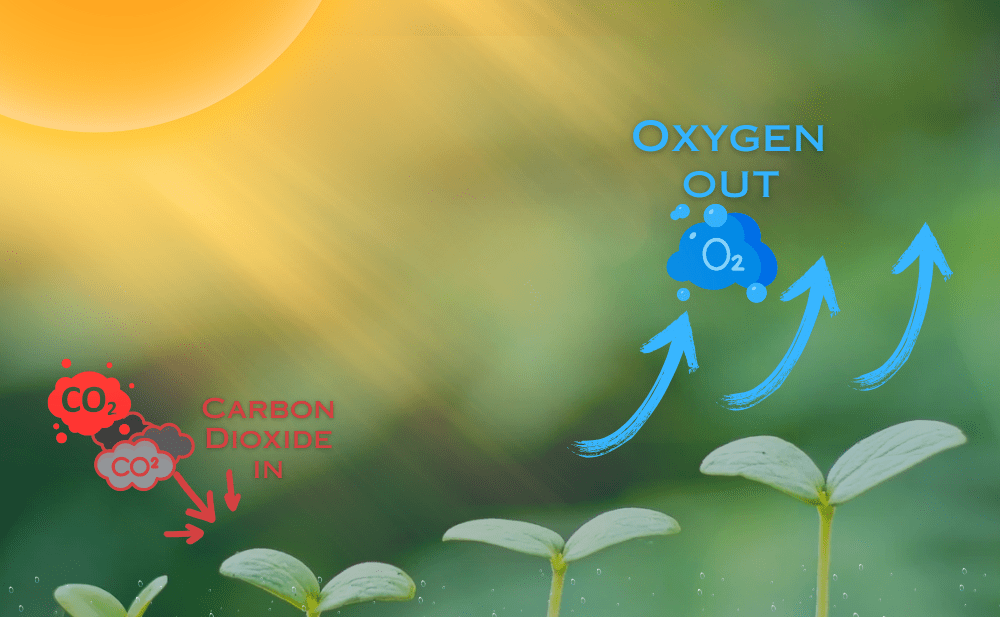
Have you ever wondered how plants stay alive without eating like we do? It might surprise you to learn that plants have a unique way of making their own food.
This process is not only fascinating but also essential for life on Earth—including yours. Understanding how plants produce their own food can change the way you see nature and even inspire you to care for your own garden differently. Keep reading, and you’ll discover the simple yet amazing secrets behind this natural wonder.
How Plants Make Food
Plants can make their own food using sunlight, water, and air. This process helps plants grow and stay alive.
The food plants make is called glucose. It gives energy to the plant and to animals that eat the plants.
Photosynthesis Process
Photosynthesis is the way plants make food. It happens in the leaves and uses sunlight to change water and air into food.
- Plants take in water through their roots.
- Leaves absorb carbon dioxide from the air.
- Sunlight provides energy for the process.
- Chlorophyll helps capture sunlight.
- Plants produce glucose and release oxygen.
Role Of Chlorophyll
Chlorophyll is a green pigment in leaves. It captures sunlight and starts the food-making process.
| Function | Description |
| Absorbs Light | Chlorophyll absorbs sunlight, mainly blue and red light. |
| Energy Conversion | It converts light energy into chemical energy. |
| Gives Green Color | Chlorophyll makes leaves appear green. |
Sunlight And Energy Conversion
Sunlight is the main energy source for plants. Plants change sunlight into energy they can use.
Energy conversion in plants works like this:
- Sunlight hits the chlorophyll in leaves.
- Chlorophyll absorbs the light energy.
- The energy splits water into oxygen and hydrogen.
- Hydrogen and carbon dioxide make glucose.
Essential Ingredients For Food Production
Plants make their own food through a process called photosynthesis. They need certain ingredients to do this. These ingredients help plants turn sunlight into energy.
Without these key ingredients, plants cannot produce food or grow properly. Let’s explore the main ingredients plants use to make their food.
Carbon Dioxide Intake
Plants take in carbon dioxide from the air through tiny openings called stomata. Carbon dioxide is one of the main raw materials for photosynthesis.
The plant uses carbon dioxide along with water and sunlight to make glucose, a type of sugar that feeds the plant.
Water Absorption
Water is absorbed by plant roots from the soil. It moves up through the plant to the leaves where photosynthesis happens.
Water is important because it provides hydrogen and oxygen atoms. It also helps keep the plant cells full and healthy.
Nutrient Uptake From Soil
Plants take nutrients from the soil through their roots. These nutrients support growth and food production inside the plant.
Key nutrients include nitrogen, phosphorus, and potassium. These help the plant build strong leaves and stems.
- Nitrogen helps produce chlorophyll for photosynthesis
- Phosphorus supports root growth and energy transfer
- Potassium improves overall plant health and water use
Types Of Food Plants Produce
Plants make their own food using sunlight, water, and air. This process is called photosynthesis. The food they create helps them grow and stay healthy.
The main types of food plants produce include glucose, starch, and oxygen. Each plays a special role in the plant’s life and the environment.
Glucose Formation
Plants produce glucose during photosynthesis. They use sunlight to turn carbon dioxide and water into glucose and oxygen. Glucose is a simple sugar that plants use for energy.
Starch Storage
Plants store extra glucose as starch. Starch is a complex carbohydrate that plants keep in roots, stems, and leaves. This stored starch helps plants have energy when sunlight is low.
- Roots hold starch for long-term use.
- Leaves convert starch back to glucose when needed.
- Stems can also store starch for growth.
Oxygen Release
Oxygen is a byproduct of photosynthesis. Plants release oxygen into the air through tiny pores called stomata. This oxygen is vital for animals and humans to breathe.
| Process | What is Produced | Where it Happens |
| Photosynthesis | Glucose and Oxygen | Leaves |
| Starch Storage | Starch | Roots, Stems, Leaves |
| Oxygen Release | Oxygen Gas | Stomata on Leaves |

Credit: sustainableholly.com
Environmental Factors Affecting Food Production
Plants can produce their own food using sunlight, water, and air. This process is called photosynthesis. However, environmental factors can impact how well they do this.
Understanding these factors helps us grow healthy plants. Let’s explore how light, temperature, and water affect plant food production.
Light Intensity
Light is essential for plants to make food. The intensity of light affects how much food they can produce.
Bright light allows plants to perform photosynthesis effectively. Dim light makes it harder for them to produce enough food.
- More light leads to more food production.
- Less light can slow down growth.
- Too much light can cause plant stress.
Temperature Impact
Temperature affects plant growth and food production. Plants need the right temperature to thrive.
Too cold or too hot can harm plants. Most plants prefer moderate temperatures to grow well.
- Moderate temperatures boost plant growth.
- Extreme temperatures can damage plants.
- Temperature affects the rate of photosynthesis.
Water Availability
Water is crucial for plant food production. It helps plants transport nutrients and perform photosynthesis.
Too little water can cause plants to wilt. Too much water can lead to root rot.
| Water Level | Effect on Plants |
| Optimal | Healthy growth and food production |
| Too little | Wilting and slow growth |
| Too much | Root rot and poor health |
Adaptations Enhancing Food Production
Plants have unique features that help them make their own food. These features improve their ability to capture sunlight and use water efficiently.
By adapting their leaves, stomata, and photosynthesis methods, plants survive in many environments. These changes make food production easier and faster.
Leaf Structures
Leaves have special parts that catch sunlight and make food. Their shape and size affect how well they work.
- Wide and flat leaves capture more sunlight.
- Thin leaves help sunlight reach cells quickly.
- Leaves with many veins move water and nutrients efficiently.
- Hairy leaves reduce water loss in dry areas.
Stomata Function
Stomata are tiny openings on leaves. They let air in and out for photosynthesis. Plants open and close stomata to save water.
| Function | Benefit to Plant |
| Gas exchange | Allows carbon dioxide in for food making |
| Water control | Prevents too much water loss |
| Temperature regulation | Keeps leaf cool in hot weather |
Specialized Photosynthesis Types
Some plants use special ways to make food. These help them live in hot or dry places.
Here are three types of photosynthesis:
- C3 Photosynthesis:Most common, works well in cool, wet places.
- C4 Photosynthesis:Saves water, found in hot, sunny areas.
- CAM Photosynthesis:Opens stomata at night to reduce water loss.

Credit: www.youtube.com
Significance Of Plant Food Production
Plants have the unique ability to make their own food through a process called photosynthesis. This ability is important for life on Earth.
Plant food production supports many living things and keeps nature balanced.
Supporting Ecosystems
Plants produce food that feeds many animals and insects in ecosystems. This helps keep the environment healthy and diverse.
Without plants making food, many species would not survive or thrive.
- Plants provide energy for herbivores
- Herbivores feed carnivores
- Plants create habitats for small creatures
Foundation Of Food Chains
Plants are the base of all food chains. They turn sunlight into energy that animals use to live.
Every animal depends on plants directly or indirectly for food and energy.
- Plants convert sunlight into sugar
- Primary consumers eat plants
- Secondary consumers eat herbivores
Human Benefits
Humans rely on plants for food, oxygen, and materials. Plants help us stay healthy and build our homes.
They also clean the air and help control the climate by producing oxygen.
- Plants provide fruits, vegetables, and grains
- They release oxygen for us to breathe
- Plants supply wood and fibers for tools and clothes
Credit: hubbub.org.uk
Frequently Asked Questions
How Do Plants Produce Their Own Food?
Plants make food through photosynthesis. They use sunlight, carbon dioxide, and water to create glucose and oxygen, which sustain them.
What Role Does Sunlight Play In Plant Food Production?
Sunlight provides energy for photosynthesis. Plants capture light using chlorophyll, converting it into chemical energy to produce food.
Can Plants Survive Without Producing Their Own Food?
Most plants cannot survive without photosynthesis. Some parasitic plants rely on others for nutrients instead of making their own food.
Which Parts Of Plants Are Involved In Food Production?
Leaves are the main sites for photosynthesis. Chloroplasts within leaves absorb sunlight and convert it into chemical energy.
Conclusion
Plants make their own food using sunlight, water, and air. This process is called photosynthesis. It helps plants grow and gives us oxygen to breathe. Without plants producing food, life on Earth would be very different. Understanding this shows how important plants are for nature.
Next time you see a green leaf, remember it’s working hard to feed itself and the world. Simple yet amazing.