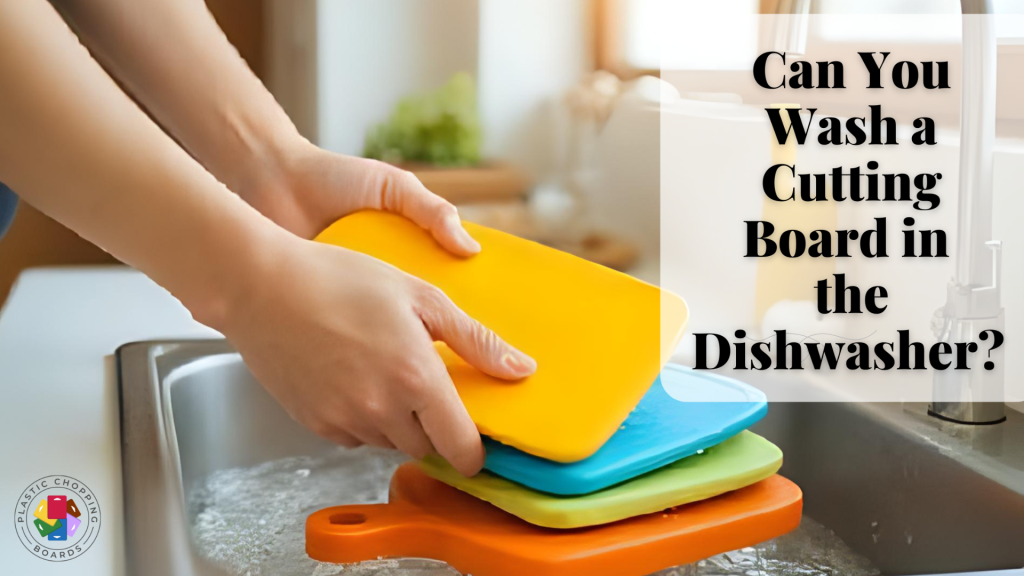
Are you wondering if your plastic cutting boards can safely go in the dishwasher? You’re not alone.
Keeping your kitchen tools clean is important, but you also want to make sure they last. Washing plastic cutting boards the right way can protect your health and save you money. You’ll discover the simple truth about dishwashing plastic boards and learn how to keep them fresh and safe every time you cook.
Keep reading—your next meal could depend on it!

Credit: www.bedbathandbeyond.com
Plastic Cutting Boards And Dishwashers
Plastic cutting boards are common in many kitchens. People often wonder if they can clean them in the dishwasher.
Dishwashers offer a quick way to clean and sanitize items. But some plastic boards may not handle the heat and water well.
Are Plastic Cutting Boards Dishwasher Safe?
Most plastic cutting boards are labeled dishwasher safe. This means they can go in the dishwasher without damage.
Boards made from hard plastic usually hold up well. Soft or thin plastic boards might warp or crack from dishwasher heat.
- High heat kills bacteria better than hand washing
- Water pressure removes food particles easily
- Dishwasher detergent cleans deeply without scrubbing
- Hands stay dry and safe from harsh scrubbing
Risks Of Putting Plastic Boards In The Dishwasher
Heat can cause some plastic boards to warp or melt. This can ruin the board and make it unsafe to use.
Repeated dishwasher cycles may wear down the board’s surface. Cuts and grooves can grow, trapping bacteria.
How To Care For Plastic Cutting Boards
| Care Tip | Details |
| Check Label | Look for dishwasher safe mark |
| Use Top Rack | Place board on upper rack away from heating element |
| Dry Quickly | Remove and dry board after dishwasher cycle |
| Replace Often | Switch boards when deep cuts appear |
Types Of Plastic Cutting Boards
Plastic cutting boards come in different types. Each type has unique features. Knowing these types helps you choose the right one for your kitchen.
Some plastic boards are safe for dishwashers. Others might get damaged. Let’s look at the common types of plastic cutting boards.
High-density Polyethylene
High-Density Polyethylene, or HDPE, is a popular plastic for cutting boards. It is strong, durable, and resists stains. HDPE boards often handle dishwashers well.
They are common in homes and restaurants. Their surface is gentle on knives but tough against cuts.
Polypropylene
Polypropylene boards are lighter and less dense than HDPE. They are usually dishwasher safe but can warp if exposed to very hot water for long.
- Lightweight and easy to move
- Affordable and widely available
- May show knife marks faster
- Safe for most dishwasher cycles
Other Materials
Other plastic cutting boards include blends or recycled plastics. Some may not be dishwasher safe. Always check the label before washing.
| Material | Dishwasher Safe | Notes |
| Recycled Plastics | Varies | Check manufacturer advice |
| Plastic Blends | Usually yes | Some blends resist heat better |
| Soft Plastics | No | Can warp or melt in dishwasher |
Dishwasher Safety For Plastic Boards
Plastic cutting boards are common in many kitchens. Cleaning them properly keeps your food safe.
Many people wonder if they can put plastic boards in the dishwasher. This guide explains what to know.
Heat Resistance
Plastic boards have different levels of heat resistance. Dishwashers use hot water and dry heat.
Some plastic boards can handle dishwasher heat, while others may melt or weaken.
- High-density polyethylene boards resist heat well
- Low-quality plastics may warp or melt
- Check if your board says dishwasher safe
Warping And Damage Risks
Dishwasher heat can cause plastic boards to warp or crack. Warping makes the board uneven.
Damaged boards can hide bacteria in cracks. They may also become unsafe to use.
- Place boards away from dishwasher heating elements
- Use gentle or low-heat dishwasher settings
- Check boards after washing for damage
Manufacturer Guidelines
Always read the board’s label or instructions. Manufacturers know the best cleaning method.
Some boards come with clear dishwasher safety warnings. Follow these to keep your board safe.
- Look for dishwasher-safe symbols on packaging
- Contact manufacturers if unsure about cleaning
- Follow care tips to extend board life

Credit: www.plasticchoppingboards.co.uk
Benefits Of Using A Dishwasher
Using a dishwasher for plastic cutting boards offers many advantages. It helps keep your kitchen cleaner and saves effort.
Dishwashers use high heat and strong water jets. These features improve cleaning and reduce germs on plastic boards.
Sanitizing Effectiveness
Dishwashers clean plastic cutting boards better than washing by hand. Hot water kills most bacteria and viruses.
- High temperature water reaches over 140°F to sanitize surfaces.
- Powerful jets remove food particles from board grooves.
- Detergents used in dishwashers break down grease and grime.
- Drying cycle lowers moisture that helps bacteria grow.
Convenience And Time Saving
Dishwashers save time and effort in cleaning plastic cutting boards. You can load multiple items and run one cycle.
| Benefit | Explanation |
| Hands-Free Cleaning | Place boards in the dishwasher and start the machine. |
| Multiple Items | Clean several cutting boards and dishes at once. |
| Quick Process | Dishwashers finish cleaning faster than scrubbing by hand. |
| Less Water Use | Dishwashers use water efficiently, saving resources. |
Alternatives To Dishwasher Cleaning
Plastic cutting boards may not always be safe in the dishwasher. Heat can warp or damage them. You can clean them well without a dishwasher.
Hand washing and using natural solutions keep cutting boards clean and safe. These methods remove bacteria and stains gently.
Hand Washing Tips
Wash plastic cutting boards with hot, soapy water after each use. Use a sponge or brush to scrub all surfaces. Rinse well with clean water.
- Use a scrub brush to clean grooves and cuts
- Dry the board completely before storing it
- Do not soak plastic boards for long periods
- Replace the board if deep cuts or cracks appear
Using Vinegar Or Bleach Solutions
Vinegar and bleach help kill germs on plastic cutting boards. Use these solutions carefully to keep your board safe and clean.
| Solution | How to Use | Notes |
| White Vinegar | Spray or wipe on board, let sit 5 minutes, then rinse | Natural and safe for daily use |
| Bleach (Diluted) | Mix 1 tablespoon bleach in 1 gallon water. Soak board 2 minutes, rinse well | Use once a week to disinfect. Avoid frequent use |
Signs Your Cutting Board Needs Replacement
Cutting boards are important in the kitchen. They can get damaged after use. It is important to know when to replace them.
Using a damaged cutting board can be unsafe. Watch for these signs to keep your kitchen clean and safe.
Deep Grooves And Cracks
Cutting boards get marks from knives over time. Deep grooves and cracks can hide bacteria. These places are hard to clean well.
If your plastic cutting board has many deep cuts, it is time to replace it. Cracks can also cause the board to break during use.
- Bacteria grow in deep cuts
- Cleaning is less effective
- Cracks can break the board
- Unsafe for food preparation
Discoloration And Odors
Plastic cutting boards can change color after use. Stains from food or cleaning chemicals show wear. Strong smells may stay on the board.
Discoloration and odors mean the board is old and may hold germs. If your board smells bad or looks stained, it is best to get a new one.
- Stains from food or chemicals
- Lingering bad smells
- Signs of bacteria growth
- Reduces kitchen hygiene
Tips To Extend Cutting Board Life
Plastic cutting boards are common in many kitchens. Knowing how to care for them helps keep them safe and clean.
Proper care can prevent damage and make your cutting board last longer.
Proper Cleaning Habits
Cleaning plastic cutting boards after each use stops bacteria from growing. Most plastic boards can go in the dishwasher safely.
Use warm water and soap for hand washing if you prefer. Avoid harsh scrubbing that can create deep cuts and grooves.
- Run the board through the dishwasher on a normal cycle
- Use mild dish soap and warm water if washing by hand
- Dry the board completely before storing
- Replace boards with deep cuts to avoid bacteria buildup
Storage Recommendations
Store cutting boards in a dry place to avoid moisture buildup. Keep them upright to air out both sides.
Avoid stacking heavy items on top of your board to prevent warping or cracking.
- Keep boards in a well-ventilated area
- Store boards upright or on a rack
- Do not place heavy objects on the board
- Ensure boards are fully dry before storing

Credit: www.amazon.com
Frequently Asked Questions
Can Plastic Cutting Boards Be Safely Washed In The Dishwasher?
Yes, most plastic cutting boards are dishwasher safe. High heat and strong detergents effectively sanitize and remove bacteria from plastic surfaces.
Will Dishwasher Heat Damage Plastic Cutting Boards?
Generally, dishwasher heat does not damage plastic cutting boards. However, repeated exposure to very high temperatures may cause warping over time.
How Often Should Plastic Cutting Boards Be Cleaned In Dishwasher?
It’s best to wash plastic cutting boards in the dishwasher after each use. This prevents cross-contamination and ensures proper hygiene.
Can Dishwasher Clean Remove All Bacteria From Plastic Boards?
Dishwashers with high heat settings effectively kill most bacteria on plastic boards. Still, pre-rinsing to remove food residue improves cleaning results.
Conclusion
Plastic cutting boards usually do well in the dishwasher. The heat and soap clean them quickly and kill germs. Still, check the board’s label for dishwasher safety. Some boards might warp or get damaged from high heat. Hand washing can be a good option for delicate boards.
Regular cleaning helps keep your kitchen safe and fresh. Remember to replace cutting boards when deep cuts appear. Clean boards make food preparation healthier and easier every day.