Have you ever worried about your plastic pipes bursting when the temperature drops? You might be wondering, can plastic pipes freeze like metal ones?
Understanding this can save you from costly repairs and a lot of stress. You’ll discover how plastic pipes behave in freezing conditions and what you can do to protect your home. Keep reading to learn simple, effective tips that could prevent a major plumbing disaster.

Credit: www.pmmag.com
How Plastic Pipes React To Cold
Plastic pipes face challenges in cold weather. Their reaction to freezing temperatures differs from other pipe materials. Understanding this helps prevent damage and costly repairs.
Material Properties Of Plastic Pipes
Plastic pipes are made from materials like PVC, PEX, and CPVC. These materials are flexible and lightweight. They resist corrosion and chemicals well. Plastic pipes also have low thermal conductivity. This means they do not transfer cold easily.
Plastic can become brittle at very low temperatures. This makes pipes more prone to cracking. The exact temperature where this happens depends on the type of plastic. Overall, plastic pipes handle cold better than many think.
Difference Between Plastic And Metal Pipes In Freezing
Metal pipes conduct cold quickly. This causes water inside to freeze faster. Frozen water expands and can crack metal pipes. Plastic pipes slow down heat loss. They delay the freezing process.
Plastic pipes are less likely to burst immediately. They can stretch more before breaking. Metal pipes have less flexibility and break sooner under pressure. This makes plastic pipes safer in cold climates.
Expansion And Contraction Behavior
Plastic pipes expand and contract with temperature changes. They have higher thermal expansion than metal pipes. This means they can change size more in cold or heat.
During freezing, water inside expands by about 9%. Plastic pipes can stretch to absorb this pressure. This reduces the chance of bursting. However, too much expansion can still cause damage.
Proper installation allows room for expansion. Secure fittings and supports help prevent pipe movement. This ensures plastic pipes last longer in freezing conditions.
Conditions Leading To Frozen Pipes
Understanding the conditions that cause plastic pipes to freeze is essential to protect your plumbing and avoid costly repairs. Frozen pipes occur under specific circumstances that make water inside the pipes turn to ice, blocking flow and potentially causing pipes to burst. Knowing these conditions helps you take timely action to keep your pipes safe during cold spells.
Temperature Thresholds
Plastic pipes can freeze when the temperature drops to 32°F (0°C) or below. However, the exact threshold depends on how long the pipes are exposed to cold and whether the water inside is moving.
Still water freezes faster than running water. If your pipes are exposed to prolonged freezing temperatures—especially below 20°F (-6°C)—the risk of freezing rises sharply. Have you ever noticed your faucet dripping during a cold night? That slow drip can actually help prevent freezing by keeping water moving.
Common Vulnerable Areas In Plumbing
Not all pipes have the same risk of freezing. Pipes located in unheated spaces like basements, attics, crawl spaces, and exterior walls are most vulnerable. Outdoor hose bibs and sprinkler system lines also face high risk.
Think about your home’s layout. Are there sections where pipes run through cold, exposed areas? These spots need extra attention because cold air can easily reach and freeze the pipes there. You might be surprised how small gaps or cracks near these pipes let in cold drafts.
Impact Of Insufficient Insulation
Insulation acts as a shield against cold air. Without enough insulation, plastic pipes lose heat quickly and freeze faster. Wrapping pipes with foam sleeves or using heat tape can make a big difference in staying ahead of freezing risks.
Even small insulation gaps can let cold air touch your pipes. If you notice cold spots in your walls or ceilings, consider adding or replacing insulation. Have you checked your pipe insulation recently? A quick upgrade might save you from a frozen pipe nightmare.
Signs Of Frozen Plastic Pipes
Frozen plastic pipes can cause serious plumbing issues. Recognizing the signs early helps prevent pipe bursts and water damage. Watch for clear indicators that suggest pipes might be frozen inside your walls or under floors.
Reduced Water Flow
Water may flow slower than usual from taps. Sometimes, it stops completely. This happens because ice blocks the pipe, restricting water movement.
Check multiple faucets in your home. If several have low flow, frozen pipes could be the cause. This sign appears before pipes crack or burst.
Visible Frost Or Ice On Pipes
Look for frost or ice on exposed plastic pipes. They might appear white or have a thin layer of ice. This means the temperature around the pipe is below freezing.
Frost often forms in basements, crawl spaces, or unheated rooms. This visible sign is an early warning before pipes freeze solid.
Unusual Sounds In Plumbing System
Listen for strange noises like banging, clanking, or gurgling sounds. These noises happen when water struggles to move past ice blockages.
Such sounds may occur when you turn taps on or off. They signal pressure changes inside frozen pipes and warn of potential damage.
Risks And Damages From Frozen Pipes
Frozen plastic pipes pose serious risks that go beyond just a chilly inconvenience. When water inside pipes freezes, it expands and puts immense pressure on the pipe walls. This pressure can lead to cracks or even bursts, causing significant damage to your property and disrupting your daily life.
Understanding these risks can help you take timely action to protect your home and wallet. Have you ever wondered what really happens inside those plastic pipes during a freeze? Let’s dive into the potential consequences.
Pipe Bursting Scenarios
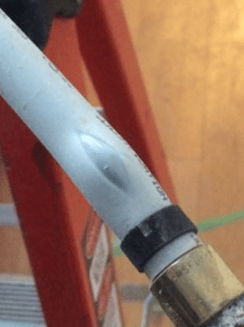
Plastic pipes are flexible but not immune to bursting under freezing conditions. When water freezes, it expands about 9%, increasing pressure inside the pipe. This can cause the pipe to crack or burst, especially at weak points such as joints or bends.
In my own experience, a neglected outdoor hose bib pipe froze and burst during a winter storm. The burst pipe flooded the basement, showing how quickly a small crack can escalate into a major problem.
Water Damage Consequences
Once a pipe bursts, water can flow freely, seeping into walls, floors, and ceilings. This often leads to mold growth, structural damage, and ruined personal belongings. Water damage can escalate rapidly, turning a minor leak into a costly disaster.
Ignoring early signs like damp spots or strange odors can make things worse. Are you prepared to handle the aftermath if your pipes freeze and burst unexpectedly?
Cost Implications For Repairs
Repairing frozen and burst plastic pipes can be expensive. You may face costs for pipe replacement, water damage restoration, and mold remediation. Emergency plumbing services during winter often charge higher rates.
Preventive steps are usually far cheaper than emergency repairs. Investing in pipe insulation or heating cables can save you hundreds or even thousands of dollars in the long run.
Preventive Measures For Plastic Pipes
Plastic pipes are vulnerable to freezing in cold weather, which can lead to costly damage and inconvenient repairs. Taking preventive steps is crucial to protect your plumbing and avoid the headache of burst pipes. Let’s look at some practical ways you can safeguard your plastic pipes against freezing temperatures.
Proper Insulation Techniques
Insulating your plastic pipes is one of the simplest yet most effective ways to prevent freezing. Use foam pipe sleeves or fiberglass wrap to cover exposed pipes, especially those in unheated areas like basements or crawl spaces.
Make sure to seal any gaps or cracks around the pipes where cold air might sneak in. Have you checked your pipes recently to see if the insulation is still intact? Proper insulation keeps the warmth inside and the cold out.
Maintaining Consistent Indoor Temperature
Keeping your home’s temperature steady during cold snaps helps protect pipes from freezing. Avoid drastic temperature drops by setting your thermostat to at least 55°F (13°C), even when you’re away.
Opening cabinet doors under sinks can also allow warm air to circulate around pipes. Have you ever left your heat too low during winter and regretted it? Maintaining consistent warmth reduces the risk of frozen pipes without extra expense.
Using Heat Tape Or Heating Cables
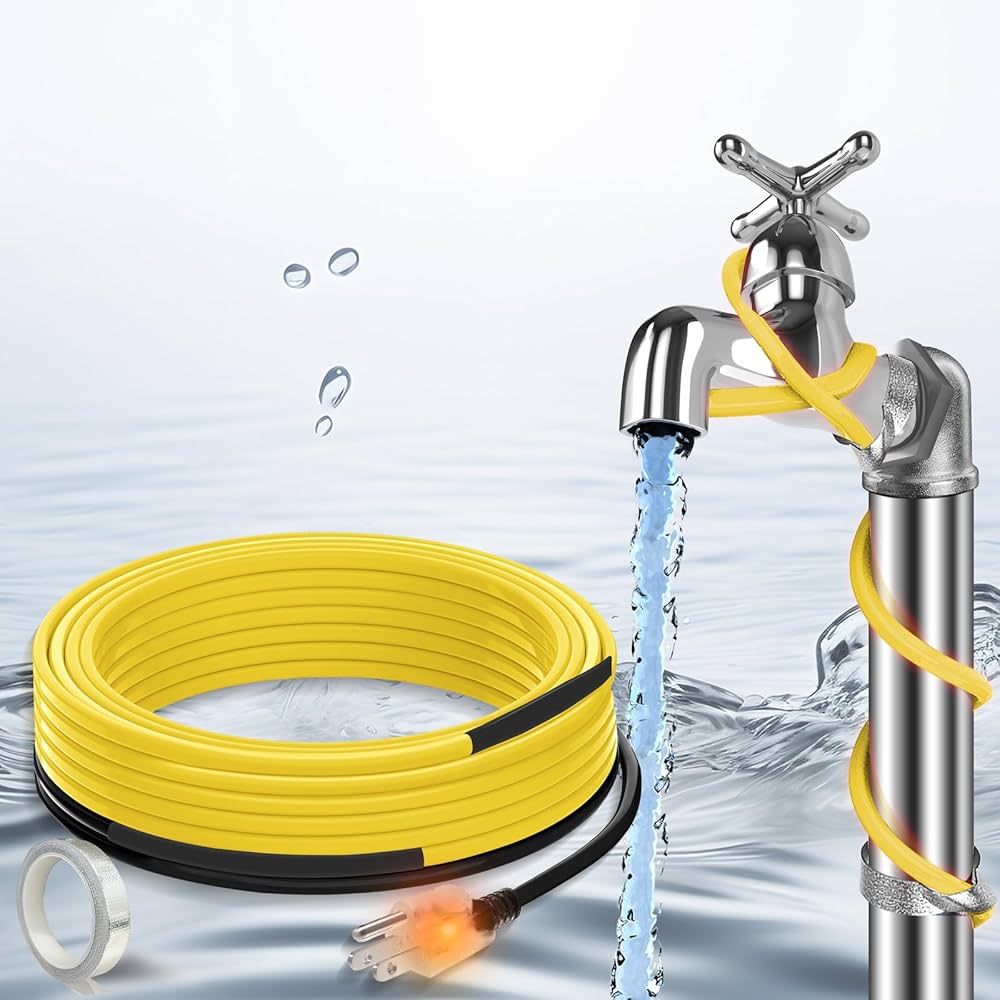
Heat tape or heating cables are electric devices designed to wrap around pipes and provide direct warmth. They are especially useful for pipes in extremely cold or drafty locations where insulation alone isn’t enough.
Choose heat tape with an automatic thermostat to avoid overheating. Installing them is straightforward, but be sure to follow the manufacturer’s instructions carefully to stay safe. Would you consider this investment to save hundreds in repair costs?
How To Thaw Frozen Plastic Pipes Safely
Thawing frozen plastic pipes requires care to prevent damage and restore water flow efficiently. You need to use safe techniques that warm the pipes evenly without causing cracks or bursts. Let’s explore how to thaw your frozen pipes safely and avoid costly repairs.
Effective Thawing Methods
Using gentle heat sources works best to thaw frozen plastic pipes. You can try:
- Hair dryers:Move the dryer slowly along the pipe, keeping it at a safe distance to avoid overheating.
- Heating pads or electric blankets:Wrap them around the pipe to provide steady warmth.
- Warm towels:Soak towels in hot water, wring them out, and wrap around the pipe, replacing as needed.
Applying direct flame or high heat devices like blowtorches is dangerous and can melt or warp plastic pipes. Always start thawing near the faucet and work backward along the pipe to allow melted water to flow out.
Avoiding Pipe Damage During Thawing
Plastic pipes expand and contract, but sudden temperature changes can cause cracks. Never use boiling water on frozen pipes, as the rapid temperature shift risks damage.
Keep the heat source moving to prevent overheating any one spot. Monitor the pipe’s condition frequently and stop if you notice any bulges or soft spots, which signal weakened pipe walls.
Have a container or towels ready to catch water as the ice melts, preventing water damage to your home. Remember, patience is key; rushing the thawing process often leads to costly repairs.
When To Call A Professional
If you cannot locate the frozen section or if your attempts don’t restore water flow within 30 minutes, it’s time to seek help. Professionals have specialized tools like pipe thawing machines that safely apply heat evenly.
Also, if you see signs of pipe damage such as leaks or bulging during thawing, contact a plumber immediately. Trying to fix these issues yourself might worsen the problem.
Have you ever faced frozen pipes that burst? Learning when to let experts handle the situation can save you both stress and money.
Choosing Plastic Pipes For Cold Climates
Choosing the right plastic pipes for cold climates is crucial to avoid damage from freezing. Pipes must handle low temperatures without cracking or bursting. Selecting suitable materials ensures water flow remains steady in freezing weather. Understanding pipe types, durability, and installation methods helps protect your plumbing system.
Types Of Plastic Pipes Suitable For Low Temperatures
- PEX (Cross-linked polyethylene):Flexible and resistant to freezing stress.
- CPVC (Chlorinated polyvinyl chloride):Handles cold well but less flexible than PEX.
- HDPE (High-density polyethylene):Durable and withstands very low temperatures.
- PVC (Polyvinyl chloride):Not ideal for freezing; can crack if water inside freezes.
Comparing Plastic Pipe Durability
| Pipe Type | Freeze Resistance | Flexibility | Longevity |
|---|---|---|---|
| PEX | High | High | 25-40 years |
| CPVC | Moderate | Low | 20-30 years |
| HDPE | High | Moderate | 50+ years |
| PVC | Low | Low | 25-40 years |
Installation Tips For Cold Regions
- Insulate pipes with foam sleeves or heat tape.
- Install pipes inside walls or below frost line depth.
- Use flexible pipes to reduce cracking risk.
- Seal gaps to prevent cold air exposure.
- Allow space for pipe expansion during freezing.
Credit: www.flowguardgold.com

Credit: www.amazon.com
Frequently Asked Questions
Can Plastic Pipes Freeze In Cold Weather?
Yes, plastic pipes can freeze when temperatures drop below 32°F (0°C). Frozen water inside expands, causing pipe damage or bursts.
How To Prevent Plastic Pipes From Freezing?
Insulate pipes with foam sleeves or heat tape. Keep indoor areas warm and allow faucets to drip during cold nights.
What Happens If Plastic Pipes Freeze And Burst?
Frozen water expands, creating pressure that can crack or burst pipes. This leads to leaks, water damage, and costly repairs.
Are Plastic Pipes More Freeze-resistant Than Metal Pipes?
Plastic pipes handle freezing temperatures better due to flexibility but can still freeze and burst if exposed to extreme cold.
Conclusion
Plastic pipes can freeze in extremely cold conditions. It’s important to insulate them. This helps prevent freezing and bursting. Proper insulation saves time and money. It also protects your plumbing system. Routine checks are crucial. They ensure pipes remain in good condition.
During cold months, monitor pipe temperatures. Use thermostats for effective control. Taking these steps can avoid costly repairs. Your pipes will last longer. Stay proactive, and your pipes will thank you. Keep them safe and secure. A little prevention goes a long way.
Protect your home from freezing pipe issues.