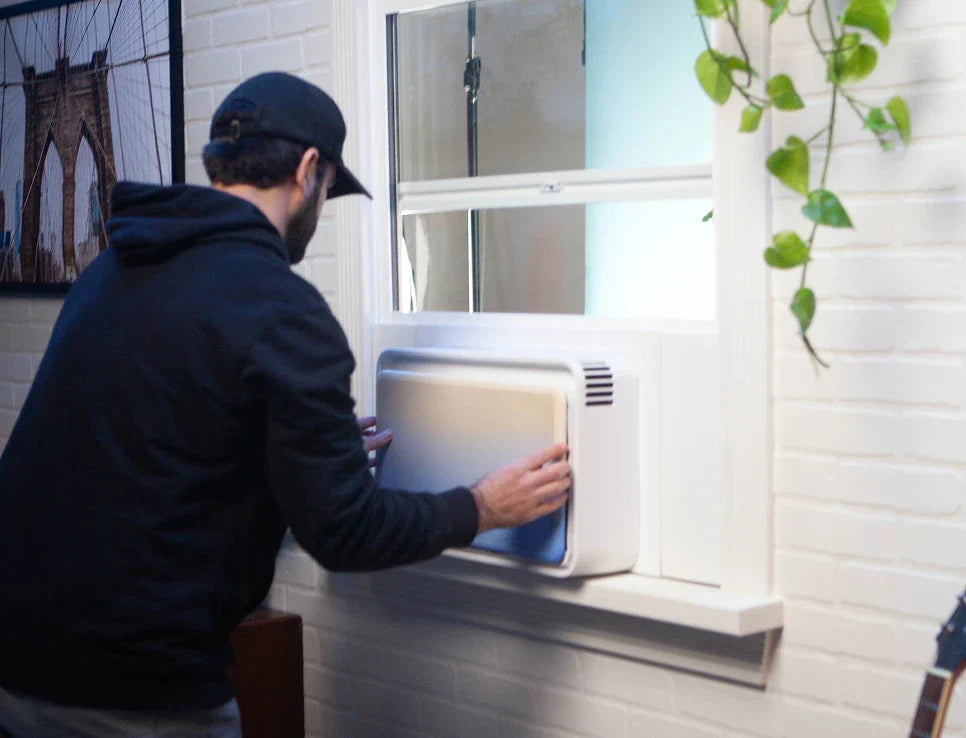
Have you ever wondered if pollen can sneak into your home through your air conditioner? If you suffer from allergies, this question might be on your mind every time you turn on your cooling system.
Pollen is tiny and can cause big problems like sneezing, itchy eyes, and congestion. Understanding how pollen interacts with your air conditioner can help you breathe easier and keep your home comfortable. Keep reading to discover the surprising truth about pollen and your AC, and learn simple steps to protect your indoor air quality.
How Air Conditioners Work
Air conditioners cool indoor spaces by moving warm air outside. They also clean and circulate the air inside.
Understanding how air conditioners work helps explain if pollen can enter your home through the system.
Air Intake And Filtration
Air conditioners pull air from the room through an intake vent. This air passes through filters that trap dust and pollen.
- Filters capture pollen particles to reduce allergens.
- Filter types vary in effectiveness and size of particles they catch.
- Regular filter cleaning or replacement improves air quality.
- Some units use HEPA filters for better pollen removal.
Cooling And Air Circulation
The cooled air moves through ducts or vents and circulates in the room. Fans help spread this air evenly.
| Function | Description |
| Compressor | Pumps refrigerant to cool air |
| Evaporator Coil | Absorbs heat from indoor air |
| Condenser Coil | Releases heat outside |
| Fan | Moves air through the system and room |

Credit: stackheating.com
Sources Of Pollen In Homes
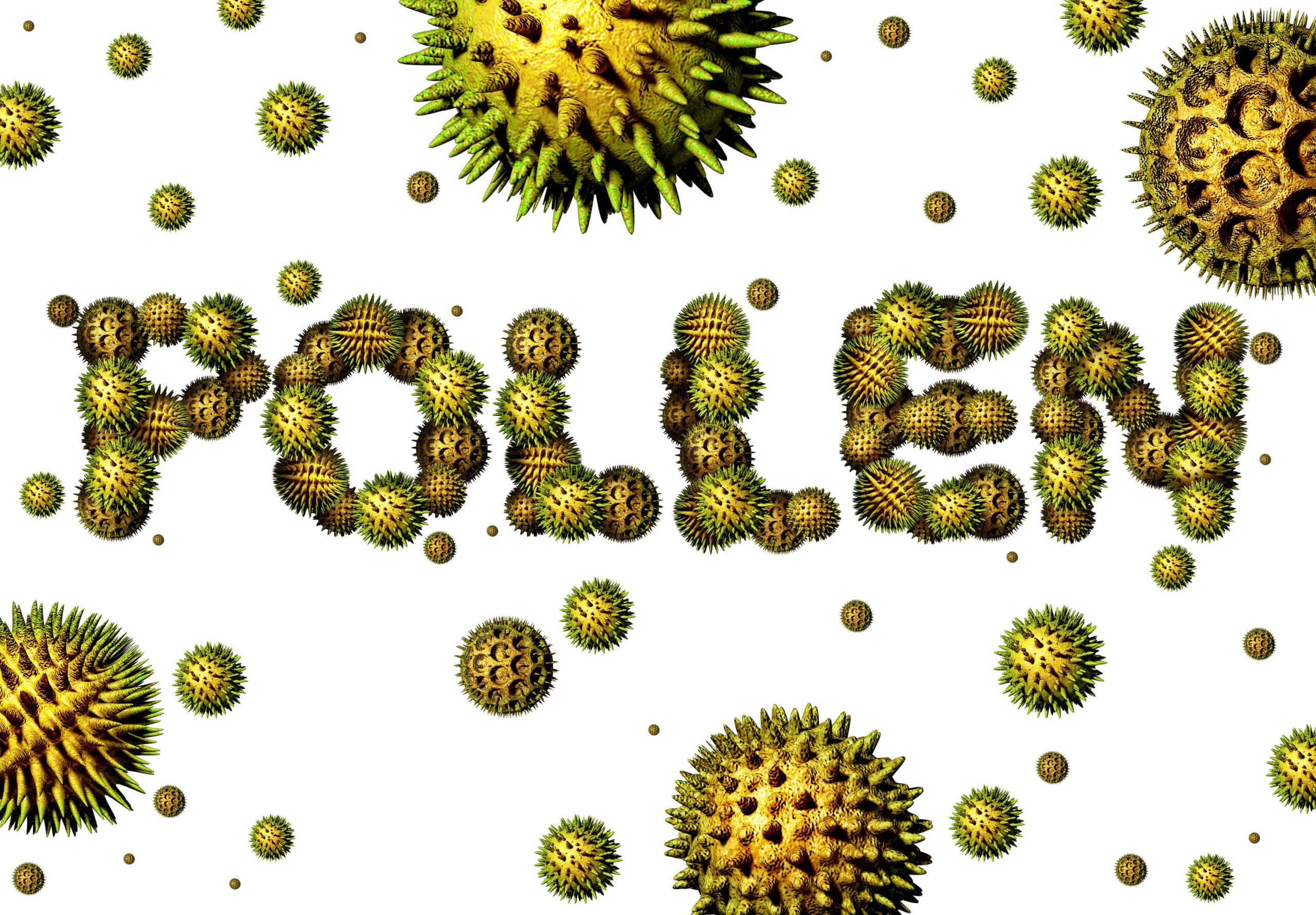
Pollen is a common allergen that can enter homes in several ways. It comes from plants, trees, and grasses outside.
This pollen can cause sneezing, itching, and other allergy symptoms. Knowing how pollen gets inside helps reduce it.
Outdoor Air Infiltration
Outdoor air can enter your home through small gaps and cracks. These places let pollen come inside without you seeing it.
Air conditioners sometimes pull in outdoor air to cool your home. If the system does not have good filters, pollen can get through.
- Cracks around windows and doors
- Vents and ducts without filters
- Gaps in walls and ceilings
Open Windows And Doors
When windows or doors are open, pollen can easily blow inside. This is one of the main ways pollen gets into homes.
Even a short time with open doors or windows can let a lot of pollen enter. Closing them helps keep pollen out.
Can Pollen Enter Through Air Conditioners?
Pollen is a common allergen that affects many people during certain seasons.
Many wonder if air conditioners can let pollen into indoor spaces.
Role Of Air Filters
Air filters inside air conditioners trap dust, dirt, and pollen particles.
- Filters catch large pollen grains before air circulates.
- They improve air quality by reducing allergens.
- Regular filter cleaning keeps pollen levels low indoors.
Limitations Of Standard Filters
Standard filters do not block all pollen and small particles.
| Filter Type | Particle Removal Efficiency | Can Block Pollen? |
| Basic Fiberglass | Low | No |
| Pleated Filters | Medium | Partially |
| HEPA Filters | High | Yes |
Types Of Air Filters And Their Effectiveness
Air conditioners use filters to clean the air inside your home. These filters help stop dust, pollen, and other particles from entering your rooms. Different types of filters work in different ways to catch small and large particles.
Choosing the right filter can reduce pollen that comes through your air conditioner. Let’s look at three common types of air filters and how well they work.
Basic Fiberglass Filters
Basic fiberglass filters are the most common type. They are thin and made of layered fiberglass fibers. These filters trap large dust and dirt particles but do not catch smaller particles like pollen very well.
These filters are cheap and easy to replace. They protect the air conditioner’s parts but offer only limited air cleaning. Pollen and other small allergens can still pass through them easily.
Hepa Filters
HEPA stands for High-Efficiency Particulate Air. These filters can trap very small particles, including pollen, dust mites, and pet dander. They remove up to 99.97% of particles that are 0.3 microns or larger.
| Filter Type | Particle Removal Rate | Common Use |
| Basic Fiberglass | Less than 10% | Protect AC parts |
| HEPA | Up to 99.97% | Clean indoor air |
| Electrostatic | 40% to 85% | Reduce allergens |
HEPA filters are best for people with allergies. They help keep pollen out of your living space but may need special air conditioning units that support them.
Electrostatic Filters
Electrostatic filters use static electricity to attract and hold particles. They capture pollen, dust, and smoke better than basic fiberglass filters but not as well as HEPA filters.
- Reusable and washable
- Reduce airborne allergens by 40% to 85%
- Work well for homes with pets or mild allergies
- Require regular cleaning to stay effective
These filters help clean the air without raising energy costs much. They offer a middle ground between low-cost fiberglass and high-efficiency HEPA filters.
Signs Of Pollen Contamination In Ac Systems
Pollen can enter your air conditioner and spread inside your home. This can cause problems for people with allergies. It is important to know the signs of pollen contamination in your AC system.
Spotting these signs early can help you clean your system and improve your air quality. Below are common signs to watch for.
Increased Allergy Symptoms
If you or your family start sneezing more or have itchy eyes, pollen might be in your AC. These symptoms can get worse when the AC is on. Pollen inside the system can blow into your rooms and cause allergies.
- More sneezing and coughing
- Itchy or watery eyes
- Runny or stuffy nose
- Worsening asthma symptoms
Visible Dust And Debris
Look for dust or small yellowish particles near your AC vents or filters. Pollen can mix with dust and settle inside the system. This debris is a clear sign that pollen is inside your AC.
| Area | What to Look For |
| Air Vents | Yellowish dust or particles |
| Air Filters | Clogged or dirty with pollen |
| AC Coils | Sticky dust buildup |

Credit: www.comfortzoneweiser.com
Preventing Pollen From Entering Through Air Conditioners
Air conditioners can bring fresh air inside. But pollen can come with it. Pollen causes allergies and discomfort. You can stop pollen from entering your home through the AC.
Using the right methods keeps your indoor air clean. This helps you breathe easier during pollen seasons.
Regular Filter Replacement
Filters catch dust and pollen before air enters your home. Dirty filters let pollen pass through. Change filters every 1 to 3 months. This keeps the air clean and your AC working well.
Upgrading To High-efficiency Filters
High-efficiency filters catch smaller pollen particles. They improve air quality inside your home. Look for filters labeled HEPA or MERV 11 and above. These capture more pollen than standard filters.
- HEPA filters trap 99.97% of particles
- MERV 11 filters catch medium pollen particles
- Change filters regularly to keep efficiency
Professional Ac Maintenance
Experts can clean your AC system deeply. They remove pollen buildup inside ducts and vents. Regular professional checks keep your AC running well. This reduces pollen and other allergens indoors.
| Maintenance Task | Frequency |
| Filter Inspection | Every 1-3 months |
| Duct Cleaning | Every 1-2 years |
| System Tune-up | Annually |
Additional Tips To Reduce Indoor Pollen
Pollen can enter your home through many ways. It often comes in on air currents or through open doors and windows.
Reducing indoor pollen helps improve air quality and lessen allergy symptoms. Here are some tips to keep pollen out.
Sealing Windows And Doors
Make sure all windows and doors close tightly. Use weather stripping or caulking to seal gaps. This stops pollen from blowing inside.
- Check door frames for cracks and gaps
- Install weather stripping around window edges
- Use door sweeps to block pollen at the bottom
- Keep windows closed during high pollen times
Using Air Purifiers
Air purifiers can trap pollen and other allergens. Place them in rooms where you spend the most time.
| Type of Air Purifier | Effectiveness for Pollen |
| HEPA Filter | High |
| Activated Carbon Filter | Medium |
| Ionizer | Low |
Keeping Indoor Plants Clean
Indoor plants can collect pollen on their leaves. Clean them regularly to reduce pollen build-up.
- Wipe leaves with a damp cloth once a week
- Rinse plants gently with water to remove dust and pollen
- Avoid flowering plants that release pollen indoors
Credit: www.conditionedairsolutions.com
Frequently Asked Questions
Can Pollen Enter Through Air Conditioner Vents?
Yes, pollen can enter through air conditioner vents if the filters are old or ineffective. Proper filtration is essential to block pollen and improve indoor air quality.
How Do Air Conditioners Filter Out Pollen?
Air conditioners use filters to trap dust, pollen, and other particles. High-efficiency filters like HEPA can block most pollen from circulating indoors.
Does Running An Air Conditioner Reduce Pollen Indoors?
Running an air conditioner with clean filters reduces indoor pollen levels by filtering outdoor air. It also prevents pollen from entering open windows.
Can Pollen Damage Air Conditioner Units?
Pollen buildup can clog air filters and reduce efficiency but usually does not damage the unit. Regular maintenance prevents pollen-related issues.
Conclusion
Pollen can indeed enter through your air conditioner. This happens when filters are not well-maintained. Clean filters reduce pollen entry. Regular maintenance is key. Seal any gaps in your windows and doors. This minimizes pollen entry. Air purifiers can also help.
They enhance indoor air quality. Keep your home pollen-free by taking these steps. Protecting your health is important. Breathe easier with a little effort. Enjoy a cleaner, fresher home environment. Stay proactive to enjoy allergy-free comfort.