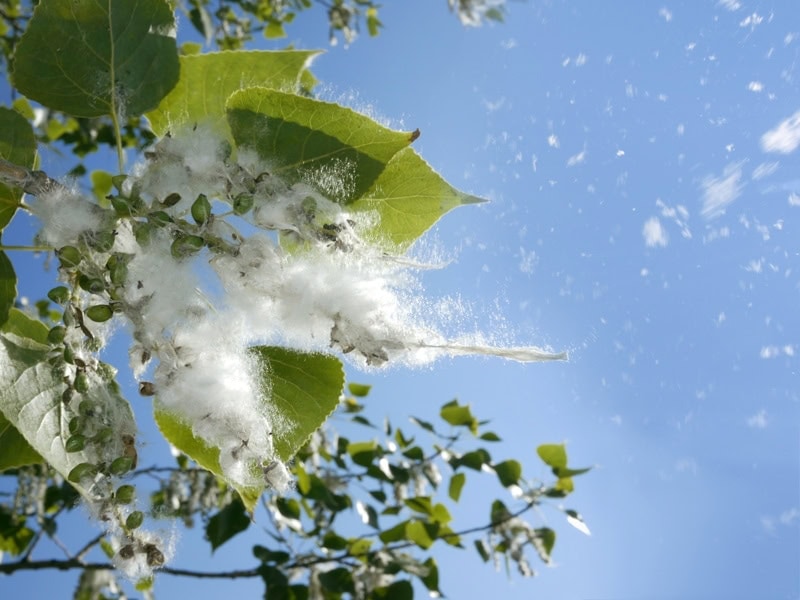
Have you ever wondered if pollen can sneak into your home through your air conditioner? If you suffer from allergies, this question is probably on your mind more than once a season.
You want your home to be a safe, comfortable space, free from those irritating particles that make you sneeze and itch. But can your air conditioning system actually bring pollen inside? Understanding how pollen interacts with your air conditioner can help you breathe easier and keep your indoor air fresh.
Keep reading to discover the surprising facts and simple steps you can take to protect your home from unwanted pollen.
How Air Conditioners Work
Air conditioners cool air by moving it through cold coils. The warm air loses heat and becomes cooler. This cool air then flows into the room.
Most air conditioners have filters that clean the air. These filters catch dust, dirt, and some pollen. But tiny pollen grains can sometimes pass through.
Filters work best when they are clean and replaced often. Dirty filters let more pollen and dust into the room.
| Part | Function |
|---|---|
| Cold coils | Cool the air by removing heat |
| Fan | Pushes cooled air into the room |
| Filter | Catches dust, dirt, and some pollen |
Credit: www.conditionedairsolutions.com
Sources Of Pollen Indoors
Outdoor air infiltrationis a common way pollen enters homes. Air conditioners draw air from outside, which can carry pollen particles inside. Even with filters, some pollen can pass through and spread indoors. Cracks in windows or doors also let pollen sneak in. Proper sealing helps reduce this entry.
Indoor plants can add to pollen levels inside. Some plants produce pollen that floats in the air. Overwatering or poor plant care can increase pollen release. Keeping plants clean and healthy lowers indoor pollen amounts.
Can Pollen Enter Through Air Conditioners?
Air conditioners can allow pollen to enterhomes if not properly maintained. Pollen is very small and can pass through many air filters. Keeping air filters clean is very importantto reduce pollen indoors. Dirty filters let pollen build up and spread through the air.
Different types of filters vary in how well they catch pollen. Some filters trap more particles than others. Using a filter with a higher rating can help keep pollen out.
| Filter Type | Effectiveness Against Pollen | Notes |
|---|---|---|
| Fiberglass Filters | Low | Cheap but lets most pollen pass through |
| Pleated Filters | Medium | Better at trapping pollen, needs regular change |
| HEPA Filters | High | Very effective in removing pollen and small particles |

Credit: windmillair.com
Factors Influencing Pollen Entry
Filter maintenanceplays a big role in stopping pollen from entering your home. Dirty or old filters let pollen pass through easily. Changing filters regularly keeps the air cleaner and pollen-free.
The design and placementof the air conditioner also matter. Units placed near open windows or doors can draw in more pollen. Some air conditioners have built-in filters that catch pollen better.
| Factor | Effect on Pollen Entry |
|---|---|
| Filter Maintenance | Clean filters block pollen; dirty filters allow pollen in |
| Filter Replacement | Frequent replacement improves air quality by trapping pollen |
| Air Conditioner Design | Units with good filters reduce pollen entry |
| Placement | Near open areas means more pollen can enter |
Health Impacts Of Indoor Pollen
Indoor pollencan cause allergic reactionssuch as sneezing, itchy eyes, and runny nose. These symptoms happen because the body thinks pollen is harmful. People with allergies might feel tired or have headaches.
Respiratory issuesmay also occur. Pollen can trigger asthma attacks or make breathing hard. This is because pollen irritates the lungs and airways. Some people may cough or wheeze more indoors if pollen enters through the air conditioner.

Credit: www.deltaairconditioning.com.au
Preventing Pollen In Your Home
Upgrading to high-efficiency filtershelps block pollen from entering your home. Choose filters labeled HEPAor with a high MERV rating. These filters trap smaller particles better than standard ones. Change filters regularly to keep them working well.
Regular cleaning reduces pollen buildup on surfaces. Wipe floors and furniture often. Vacuum with a machine that has a HEPA filter. Clean air vents to stop pollen from spreading.
Using air purifiers with HEPA filters can catch pollen in the air. Place purifiers in rooms where you spend the most time. Run them consistently during allergy season for best results.
Frequently Asked Questions
Can Pollen Enter Through Air Conditioners?
Yes, pollen can enter through air conditioners if the unit isn’t properly sealed or filtered. To reduce pollen entry, ensure your air conditioner has a high-efficiency filter. Regularly clean and maintain the unit to keep pollen levels minimal indoors.
How To Prevent Pollen From Entering Via Ac?
To prevent pollen entry, use a HEPA filter in your air conditioner. Ensure all seals and ducts are intact. Regular maintenance and cleaning of the unit can also help reduce pollen infiltration, keeping indoor air cleaner and healthier.
Do Ac Filters Block Pollen Effectively?
AC filters can block pollen effectively if they are high-efficiency filters, like HEPA. Regularly replace or clean filters to maintain their effectiveness. This helps in significantly reducing indoor pollen levels and improving air quality.
Why Is Pollen A Problem For Ac Users?
Pollen can trigger allergies, causing discomfort for AC users. It can circulate indoors if not properly filtered. Ensuring your air conditioner is well-maintained and equipped with quality filters can help mitigate these issues.
Conclusion
Pollen can enter your home through the air conditioner. Filters help block many pollen particles from inside air. Cleaning or changing filters regularly keeps pollen levels low. Sealing windows and doors also reduces pollen entry. Using an air purifier adds extra protection against pollen.
These steps improve air quality and reduce allergy symptoms. Keep your home fresh and comfortable all year long. Simple care makes a big difference for allergy sufferers.