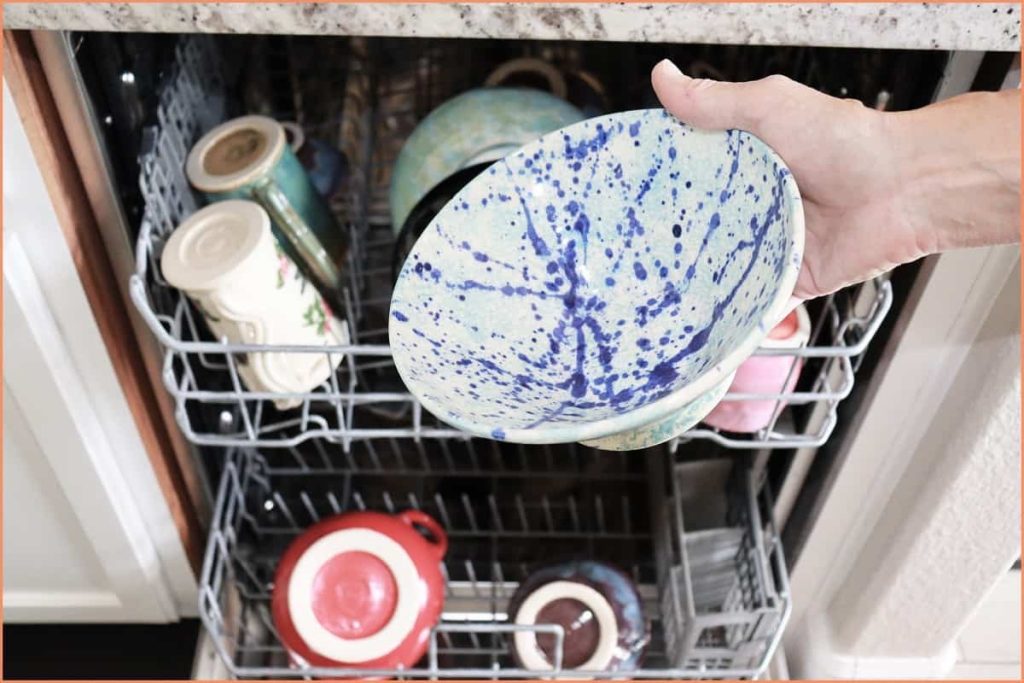
When it comes to cleaning up after a delightful meal, the convenience of a dishwasher is hard to beat. However, if your dinnerware includes porcelain, you might find yourself hesitating before placing it in the machine.
Can porcelain go in the dishwasher? This question is more common than you might think, and getting the answer right could save you from damaging your cherished pieces. We’ll delve into the dos and don’ts of cleaning porcelain in a dishwasher.
Stick around, and you’ll discover not only the answer but also tips that can extend the life of your beautiful porcelain. Your kitchen routine might just become a little less stressful and a lot more efficient!

Credit: creeklifestyle.co.uk
Porcelain Basics
Porcelain is a popular material known for its beauty and strength. It has been used for centuries in various forms. Understanding porcelain basics helps you care for it properly. This knowledge is key, especially when deciding if porcelain can go in the dishwasher.
Types Of Porcelain
- Hard-paste porcelain:Made from kaolin and fired at high temperatures. Very strong and durable.
- Soft-paste porcelain:Fired at lower temperatures. More delicate and often used for decorative items.
- Bone china:Contains bone ash, giving it a translucent look and added strength.
Common Uses
- Tableware like plates, bowls, and cups.
- Decorative objects such as vases and figurines.
- Bathroom fixtures including sinks and tiles.
- Art pieces and collectible items.
Credit: potterycrafters.com
Dishwasher Safety
Dishwasher safety is key when cleaning porcelain items. Porcelain can be delicate, so understanding how dishwashers affect it helps keep your pieces intact. Some porcelain withstands dishwashers well, while others may get damaged. Knowing the risks helps you decide when to use the dishwasher.
Heat And Water Effects
High heat in dishwashers can cause porcelain to crack or fade. Rapid temperature changes make the material expand and contract. This stress may lead to small cracks over time. Hot water jets can also wear down delicate glazes. Gentle cycles with lower temperatures reduce these risks.
Detergent Impact
Dishwasher detergents contain strong chemicals that can harm porcelain finishes. Harsh detergents may dull the shine or cause discoloration. Some detergents erode hand-painted designs or gold trims. Using mild detergents designed for fine china helps preserve the look. Avoid powders that are too abrasive on fragile pieces.
Porcelain In The Dishwasher
Porcelain is a popular choice for dinnerware because of its elegance and durability. But if you’re wondering whether you can toss your porcelain dishes in the dishwasher, the answer isn’t always straightforward. Understanding how porcelain reacts to dishwasher conditions will help you protect your favorite pieces and keep them looking their best.
Dishwasher-safe Porcelain
Not all porcelain is created equal. Many modern porcelain items are labeled dishwasher-safe, meaning they can handle the heat and detergent without damage. These pieces usually have a smooth, glazed finish that resists chipping and fading.
If your porcelain has a clear label or manufacturer’s instructions saying it’s safe for dishwashers, you can confidently place it in the rack. Use the gentle or china/crystal cycle if your machine offers one, and avoid high heat settings. This helps preserve the glaze and prevents cracks from sudden temperature changes.
Items To Avoid
Some porcelain items should never go in the dishwasher. Hand-painted, antique, or delicate porcelain with gold or silver trim can lose their finish or get damaged by harsh detergents and heat. These pieces often require hand washing with mild soap and warm water.
Also, avoid putting thin or fragile porcelain cups and bowls in the dishwasher if you want to prevent chips or cracks. If you’ve ever noticed tiny hairline cracks appearing after a dishwasher cycle, it’s a sign that hand washing might be safer for those items.
Have you ever experienced your favorite mug looking dull or cracked after a few dishwasher runs? That’s a clear hint to switch to gentle hand cleaning for that piece. Your porcelain deserves care that matches its beauty and craftsmanship.
Expert Care Tips
Taking care of your porcelain in the dishwasher can extend its life and keep it looking beautiful. Expert care means more than just placing items inside and pressing start. The way you load your porcelain and select the dishwasher cycle plays a huge role in protecting your delicate pieces from chips, cracks, or dullness.
Loading Porcelain Properly
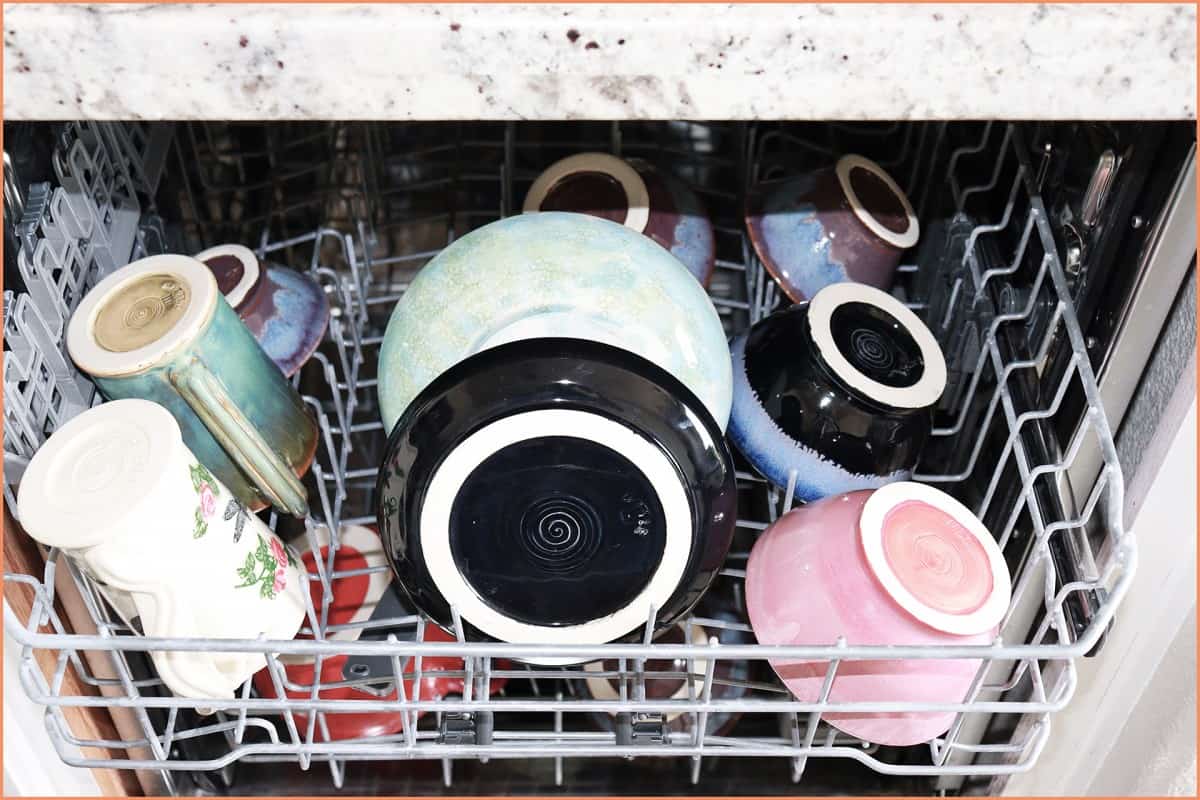
Place porcelain items securely in the dishwasher to avoid movement during the wash. Avoid overcrowding; porcelain needs space to prevent banging against other dishes.
Keep fragile pieces like thin plates and cups on the top rack where water pressure is gentler. Larger, sturdier items can go on the bottom rack to maintain balance.
Use the dishwasher’s designated areas for delicate items if available. This helps keep your porcelain safe and stable throughout the cycle.
Choosing The Right Cycle
Pick a gentle or porcelain-specific cycle to protect your items. These cycles use lower temperatures and softer water pressure, reducing the risk of damage.
Avoid heavy-duty or quick wash cycles as they can be too harsh on delicate porcelain. Think about the level of dirt and choose accordingly—sometimes a simple rinse cycle is enough.
Consider skipping the heated dry option. Air drying can prevent heat-related cracks or fading on your prized porcelain pieces.
Alternatives To Dishwashing
Porcelain items often require gentle care beyond dishwashers. Using alternatives to dishwashing helps preserve their beauty and durability. These methods reduce the risk of damage and keep porcelain looking new.
Hand Washing Techniques
Hand washing porcelain is simple and effective. Use warm water with mild dish soap. Avoid harsh chemicals or abrasive sponges that can scratch surfaces. A soft cloth or sponge works best for cleaning.
Rinse thoroughly with clean water to remove all soap. Dry with a soft towel to prevent water spots. Handle porcelain carefully to avoid chips or cracks during washing.
Cleaning Stubborn Stains
Stubborn stains need gentle but firm attention. Make a paste using baking soda and water. Apply the paste to the stain and let it sit for a few minutes. Gently rub with a soft cloth or sponge.
For tougher stains, white vinegar diluted with water helps break down residue. Soak the porcelain briefly, then rinse well. Repeat if needed, but avoid soaking for too long to protect the glaze.

Credit: potterycrafters.com
Common Myths
Many people worry about putting porcelain in the dishwasher because of common myths that suggest it might get damaged. These myths often cause confusion and lead to unnecessary hand washing. Let’s clear up some of these misunderstandings so you can care for your porcelain the right way without extra hassle.
Porcelain Durability Misconceptions
Porcelain is often thought to be too fragile to survive a dishwasher cycle. However, most modern porcelain is fired at very high temperatures, making it quite strong and resistant to everyday use.
Have you ever noticed how porcelain dinnerware can last for years without chipping? That’s because it’s designed to handle regular handling and washing. Just avoid stacking pieces too tightly to prevent scratching, and you’ll keep your porcelain looking great.
Dishwasher Damage Myths
Some believe the dishwasher’s heat and detergent will dull or crack porcelain, but this is not usually true. High-quality porcelain can withstand dishwasher conditions if you use a gentle cycle and a mild detergent.
Keep in mind that damage often comes from overcrowding or sharp utensils rubbing against porcelain, not the dishwasher itself. Have you ever seen scratches or chips after a dishwasher run? It’s often due to poor loading, not the porcelain’s fault.
Troubleshooting Issues
Porcelain dishes can face common problems after dishwasher cycles. Troubleshooting helps keep your porcelain looking good and lasting longer. Small chips and cracks can happen from harsh washing or bumps. Dishwasher residue may leave a dull film on the surface. Addressing these issues quickly can restore the shine and prevent further damage.
Dealing With Chips And Cracks
Small chips and cracks weaken porcelain and may worsen over time. Avoid using chipped pieces for hot foods or liquids. Clean the damaged area gently with a soft cloth and mild soap. For minor cracks, applying clear nail polish can seal the spot temporarily.
Use porcelain repair kits for better results. They fill chips and blend with the original color. Allow the repair to dry fully before using the item again. Handle repaired pieces carefully to avoid further damage.
Removing Dishwasher Residue
Residue from hard water or detergent can dull porcelain. Wipe dishes with a soft cloth and warm vinegar solution. Vinegar breaks down mineral buildup and removes film.
- Mix equal parts white vinegar and water.
- Soak a soft cloth or sponge in the solution.
- Gently rub the porcelain surface.
- Rinse well with warm water afterward.
For stubborn residue, try baking soda paste. Mix baking soda with water until it forms a thick paste. Apply to the stained area and scrub gently. Rinse thoroughly to reveal a clean, shiny surface.
Frequently Asked Questions
Can Porcelain Safely Be Washed In A Dishwasher?
Yes, most porcelain items are dishwasher safe if labeled so. Use a gentle cycle and avoid high heat to prevent damage or fading.
Will Dishwasher Detergents Damage Porcelain Dishes?
Harsh detergents can cause porcelain to fade or chip. Use mild, non-abrasive detergents specifically designed for delicate items.
How To Prevent Porcelain Chipping In The Dishwasher?
Place porcelain pieces securely with space between items. Avoid overcrowding to reduce the risk of chipping during the wash cycle.
Are All Porcelain Types Dishwasher Safe?
Not all porcelain is dishwasher safe. Always check manufacturer instructions before placing porcelain in the dishwasher to avoid damage.
Conclusion
Porcelain can go in the dishwasher, but with care. Use a gentle cycle and mild detergent. Avoid overcrowding to prevent chips or cracks. Hand washing often helps keep porcelain looking new. Check the manufacturer’s instructions for best results. Small precautions extend the life of your porcelain dishes.
Clean porcelain safely and enjoy its beauty every day. Simple steps make a big difference in care. Choose the best way for your porcelain’s safety.