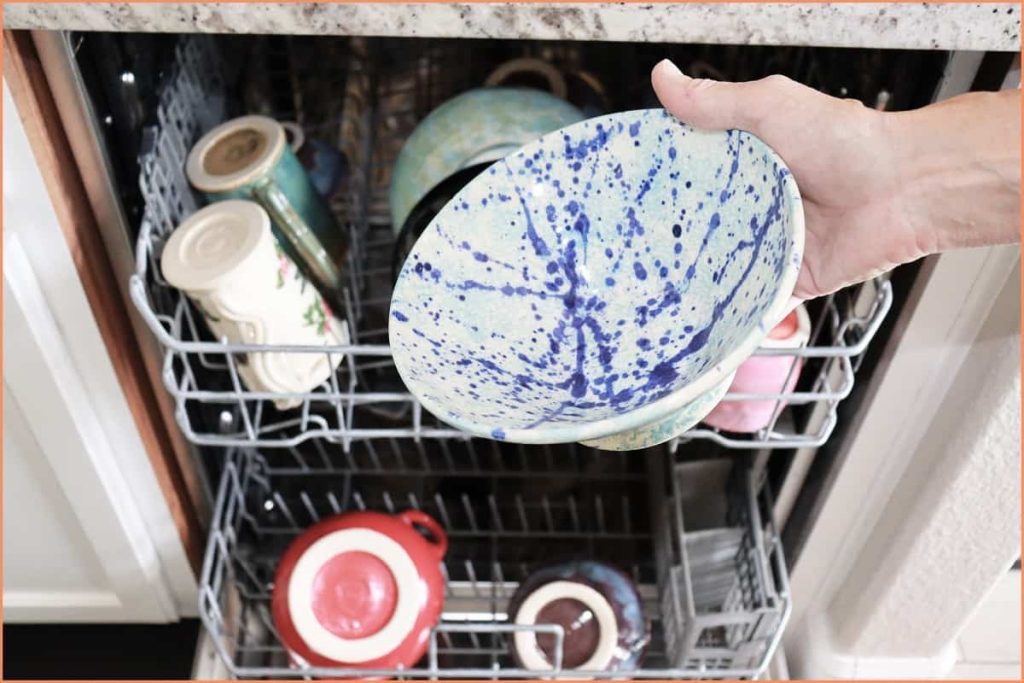
Are you wondering whether your beautiful pottery can safely go in the dishwasher? You’re not alone.
Many pottery enthusiasts face this dilemma. After all, you want to maintain the charm and integrity of your handcrafted treasures. But you also crave convenience. Before you let the whirl of the dishwasher tempt you, it’s crucial to understand the dos and don’ts of cleaning your pottery.
By the end of this article, you’ll know exactly how to care for your pottery without sacrificing its beauty or risking damage. Keep reading to discover how to enjoy both convenience and peace of mind when it comes to your cherished pieces.
Pottery And Dishwashers
Pottery is a beautiful addition to any kitchen, but many wonder if their cherished pieces can survive the harsh conditions inside a dishwasher. Understanding how dishwashers interact with different types of pottery can save you from unexpected damage. Let’s take a closer look at the relationship between pottery and dishwashers to help you decide what’s safe for your collection.
How Dishwashers Affect Pottery
Dishwashers use high temperatures, strong water pressure, and powerful detergents. These factors can impact pottery differently based on its material and finish.
Repeated exposure to heat may cause pottery to crack or glaze to craze (tiny surface cracks). Detergents can strip away delicate painted designs or cause fading.
Have you noticed your favorite mug losing its shine after several washes? That’s a common effect of dishwasher use on pottery with delicate surfaces.
Types Of Pottery Safe For Dishwashers
Not all pottery reacts the same way to dishwashers. Some types are sturdy enough to handle the machine’s rigors.
- Stoneware:Usually dense and durable, stoneware often withstands dishwasher cycles well.
- Porcelain:High-fired porcelain tends to be dishwasher safe, especially if it has a smooth glaze.
- Commercially Glazed Pottery:Pieces with strong, factory-applied glazes are more resilient than hand-painted or matte finishes.
Still, check the manufacturer’s instructions. Even within these categories, not every piece is dishwasher safe.
Risks Of Dishwasher Use On Pottery
Using a dishwasher for pottery can lead to several problems you might not expect.
- Chipping and Cracking:The jostling inside the dishwasher can chip edges or cause cracks, especially with thinner pieces.
- Surface Damage:Harsh detergents and heat can dull or wear away glazes and painted details.
- Water Absorption:Unglazed or porous pottery may absorb water, weakening the structure over time.
Would you risk damaging a handmade bowl that took hours to craft just for the sake of convenience? Sometimes, hand washing is the safer choice for your treasured pottery.
Hand Washing Vs Dishwasher
Choosing between hand washing and using a dishwasher for pottery can affect its appearance and lifespan. Pottery is often delicate and may not withstand harsh dishwasher cycles. Understanding the pros and cons of each cleaning method helps keep pottery in good shape for longer.
Benefits Of Hand Washing Pottery
Hand washing pottery offers gentle care that protects its surface. It allows you to control water temperature and avoid strong detergents. This method reduces the risk of cracks or fading in painted or glazed designs.
- Prevents damage from high heat and pressure
- Removes food residue carefully without scratching
- Preserves delicate finishes and hand-painted details
- Allows quick attention to stains or stuck-on debris
Cleaning by hand maintains pottery’s look and quality over time. It suits fragile, antique, or handmade pieces best.
When Dishwasher Use Is Acceptable
Some pottery can handle dishwasher cleaning under certain conditions. Durable, stoneware pieces with sturdy glazes often survive well. Using the dishwasher’s gentle cycle and lower temperature helps protect the pottery.
- Only dishwasher-safe pottery should go inside
- Place items securely to avoid bumps and chips
- Use mild detergent and avoid harsh chemicals
- Skip the drying heat to prevent cracks
Checking the manufacturer’s instructions is key. Dishwasher use saves time but suits only robust, well-sealed pottery.
Essential Care Tips
Proper care helps keep pottery beautiful and safe for long use. Pottery needs gentle handling and cleaning. Following simple steps protects your pieces from damage. These essential care tips make pottery last longer and look great.
Proper Cleaning Techniques
Use warm water and mild soap for cleaning pottery. Avoid harsh chemicals or abrasive scrubbers. Soft sponges or cloths work best to prevent scratches. Rinse thoroughly to remove soap residues. Dry pottery with a soft towel to stop water spots.
Avoiding Thermal Shock
Sudden temperature changes can crack pottery. Do not place cold pottery directly in hot water. Avoid moving pottery from hot to cold environments quickly. Let pottery cool down naturally before washing or heating. Thermal shock damages the surface and structure of pottery.
Handling Fragile Pottery
Fragile pottery needs careful handling to avoid chips and breaks. Hold pieces with both hands for better support. Store pottery in padded or soft-lined areas. Avoid stacking heavy items on top of delicate pottery. Treat pottery gently during cleaning and use to keep it safe.

Credit: potterycrafters.com
Maintenance And Storage
Proper maintenance and storage are key to keeping your pottery in great shape for years. How you dry and store your pieces affects their longevity and appearance. Let’s dive into some smart ways to care for your pottery beyond just washing.
Drying Pottery Safely
After washing, avoid leaving your pottery to air dry in a damp pile. Moisture trapped under stacked pieces can cause damage or mold. Instead, place each item on a soft towel or drying rack with enough space around it to let air circulate.
Pat your pottery gently with a clean, dry cloth to remove excess water. This quick step helps prevent water spots and speeds up drying. Have you noticed how some pottery feels cooler after washing? That’s moisture still lingering inside, so give it time to warm and dry completely before storing.
Best Storage Practices
Storing pottery properly prevents chips, cracks, and scratches. Keep pieces separated by using soft cloth or felt pads between items, especially if you stack them. Avoid storing pottery in direct sunlight or extreme temperature spots, as this can cause fading or warping.
Consider using shelves with enough height to avoid crowding your collection. If you have delicate or heirloom pieces, display them in glass cabinets to protect from dust and accidental knocks. What’s the one spot in your home where pottery could be both safe and admired?
Signs Of Damage To Watch For
Knowing the signs of damage on your pottery can save you from costly replacements and preserve your cherished pieces. Pottery might seem sturdy, but improper cleaning, especially in a dishwasher, can cause subtle damage that worsens over time. Paying attention to these warning signs helps you decide if dishwasher use is safe or if hand washing is the better choice.
Cracks And Chips
Cracks often start as tiny hairlines that you might overlook at first. These can develop from sudden temperature changes or harsh dishwasher detergents. Chips, on the other hand, usually appear along edges or rims after accidental knocks or abrasive dishwasher racks.
If you notice any cracks or chips, ask yourself: will the damage worsen with dishwasher heat and pressure? Even small imperfections can trap water and bacteria, making your pottery less safe to use. Handling these pieces gently and avoiding the dishwasher can extend their life significantly.
Glaze Deterioration
The glaze on pottery provides a smooth, protective surface. Over time, dishwasher detergents and high temperatures can cause the glaze to fade, become dull, or even peel off. This not only affects the appearance but can also leave the pottery porous and more vulnerable to stains and moisture.
Look closely for changes in texture or color, especially after multiple dishwasher cycles. Do you see rough patches or areas where the shine has disappeared? If yes, it’s a clear sign that dishwasher cleaning is harming your pottery’s glaze, and switching to hand washing might be necessary to keep it intact.

Credit: potterycrafters.com

Credit: potterycrafters.com
Frequently Asked Questions
Can All Pottery Types Go In The Dishwasher?
Not all pottery is dishwasher safe. Handmade, porous, or unglazed pottery may crack or absorb water. Always check manufacturer guidelines before washing pottery in a dishwasher.
Does Dishwasher Heat Damage Pottery Glaze?
High dishwasher heat can cause pottery glaze to crack or fade. Lower temperature settings reduce this risk. Hand washing is safer for delicate glazed pottery.
How To Clean Pottery Safely Without A Dishwasher?
Use warm water, mild soap, and a soft sponge to clean pottery by hand. Avoid abrasive scrubbers that can damage the surface or glaze.
Can Dishwasher Detergent Harm Pottery Surfaces?
Harsh dishwasher detergents can erode pottery glaze and cause discoloration. Use gentle detergents or hand wash pottery to preserve its finish.
Conclusion
Pottery can be delicate and may not suit dishwasher cleaning. Some pieces may crack or fade from harsh water and heat. Hand washing with mild soap protects the pottery’s finish. Taking care by hand helps pottery last longer. Choose the cleaning method based on your pottery type.
Simple care keeps your pottery beautiful every day.