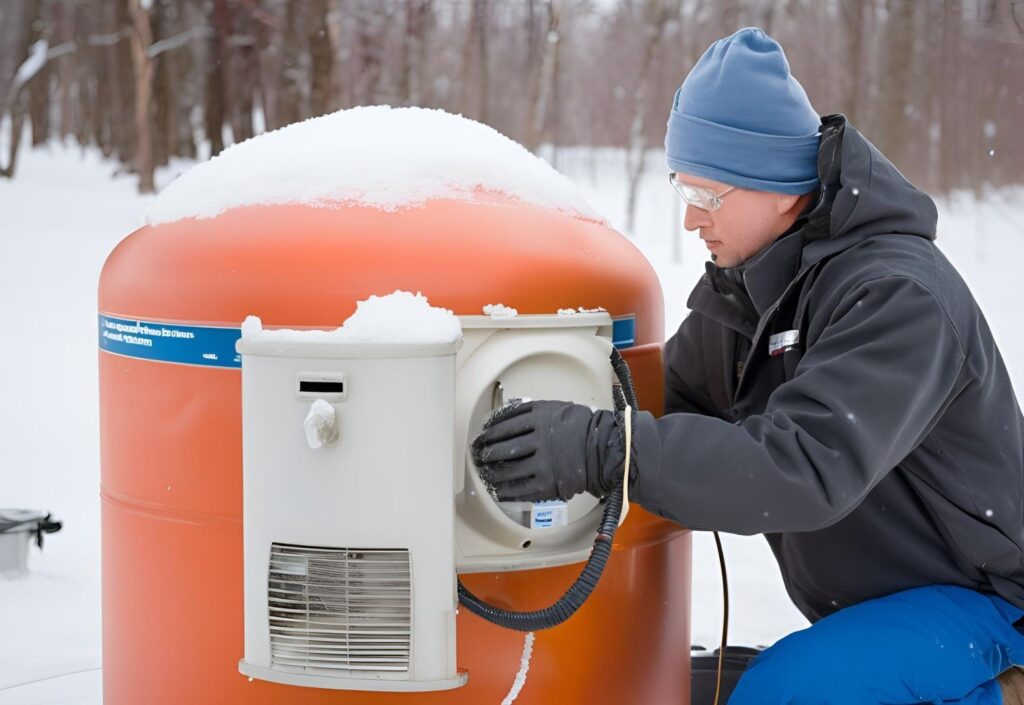
When the temperature starts to drop, you might wonder about the effects of cold weather on the propane you rely on for heating, cooking, or running your appliances. Can propane actually freeze in cold weather?
It’s a question that might pop into your mind as you bundle up and prepare for the winter months. Understanding this can not only give you peace of mind but also keep you prepared and safe. Imagine the relief of knowing exactly how cold temperatures affect your propane supply and what steps you can take to ensure it functions smoothly, no matter how chilly it gets outside.
By the end of this article, you’ll have a clear answer and practical tips to keep your home warm and cozy all winter long. So, let’s dive into this fascinating topic and discover the facts behind propane and freezing temperatures.
Propane Basics
Understanding propane is key to knowing how it behaves in cold weather. Propane is a common fuel source for heating, cooking, and more. It stays in liquid form inside tanks but turns into gas when released. This change helps it burn efficiently. Knowing the basics helps in safe storage and use.
Chemical Properties
Propane is a hydrocarbon with the formula C3H8. It is colorless and odorless in pure form. An odorant is added to detect leaks easily. Propane boils at -42°C (-44°F), meaning it changes from liquid to gas above this temperature. It remains a gas at normal outdoor temperatures. This low boiling point explains why propane rarely freezes outdoors.
Storage And Usage
Propane is stored as a liquid under pressure in steel tanks. The pressure keeps it liquid even in cold weather. Propane tanks have safety valves to release excess pressure. Users should keep tanks upright and away from heat sources. Proper ventilation is essential during use to avoid buildup of gas. Propane appliances need regular checks to ensure safe operation.

Credit: www.gasbottleswimbledon.com
Freezing Point Of Propane
Understanding the freezing point of propane helps clear common doubts about its behavior in cold weather. Propane is a gas that turns into liquid when compressed, and its freezing point is crucial for storage and use in low temperatures. Knowing this point ensures safe handling and prevents operational problems in freezing climates.
Temperature Thresholds
Propane freezes at a very low temperature. Its freezing point is about -306°F (-188°C). This temperature is much lower than most natural winter temperatures. So, propane rarely freezes outdoors during normal cold seasons.
In typical environments, propane remains in liquid or gas form. This makes it reliable for heating and cooking even in winter. Only in extreme cold conditions, such as specialized industrial settings, could propane approach freezing.
Phase Changes
Propane changes state based on temperature and pressure. At room temperature, propane is a gas. When compressed, it becomes a liquid, stored in tanks.
Below its freezing point, propane turns into a solid. This phase change is uncommon in everyday use. More often, propane shifts between gas and liquid forms, which is important for its function as fuel.
Understanding these phase changes helps users avoid freezing problems and maintain propane’s efficiency during cold weather.
Effects Of Cold Weather On Propane
Propane behaves differently in cold weather compared to warmer conditions. Understanding these effects helps prevent problems during propane use. Cold temperatures impact propane’s pressure and state, influencing its performance.
Pressure Variations
Propane pressure drops as the temperature falls. Lower temperatures cause the gas molecules to move slower. This reduces the pressure inside the tank. If the pressure gets too low, propane may not flow properly. Tanks are designed to handle these changes safely. But very cold weather can still reduce efficiency.
Liquid And Gas Behavior
Propane exists as a liquid inside the tank, turning into gas when released. Cold weather slows the liquid’s evaporation. This leads to less gas being available for use. Propane does not freeze at normal winter temperatures. It liquefies at around -44°F (-42°C), much colder than most climates. Still, very cold conditions can cause the liquid to become less active, affecting appliance performance.

Credit: centralpennpropane.com
Common Misconceptions
Many people believe propane can freeze in cold weather, but this is not exactly true. Misunderstandings about propane’s behavior often cause unnecessary worry, especially during winter. Clearing up these myths helps you manage propane safely and effectively when temperatures drop.
Can Propane Freeze?
Propane has a freezing point of about -306°F (-188°C), which is far colder than any natural winter temperature on Earth. This means propane itself will not freeze under normal outdoor conditions. Instead, issues arise because propane is stored as a liquid under pressure, and cold weather can affect the pressure inside the tank.
When temperatures drop significantly, the pressure in the propane tank decreases. This can cause the flow of gas to slow down or stop, leading some to believe the propane has frozen. But really, it’s the pressure drop that creates the problem, not the propane freezing.
Signs Of Propane Issues In Cold
If your propane system is struggling in cold weather, you might notice:
- Fluctuating or weak flames on appliances
- Appliances that won’t ignite or suddenly shut off
- Hissing or unusual sounds from the propane tank or lines
These signs don’t mean your propane is frozen, but rather that the pressure inside the tank is too low to deliver gas properly. If you’ve experienced this, consider warming the tank slightly or ensuring it’s filled more regularly during winter months to maintain pressure.
Have you ever noticed your heater struggling on a cold morning, only to find the propane tank was fine once it warmed up? That’s a classic example of pressure issues, not frozen fuel. Understanding this can save you time and help you troubleshoot propane problems more confidently.
Preventing Propane Problems In Winter
Winter can be tough on propane systems, especially if you’re relying on them for heating or cooking. Propane itself doesn’t freeze easily, but extreme cold can cause pressure drops and delivery issues. Taking simple steps to protect your propane setup helps you avoid costly disruptions and stay warm all season long.
Proper Storage Tips
Keep your propane tanks in a well-ventilated area that’s shielded from heavy snow and ice buildup. If possible, store tanks above ground rather than underground to prevent moisture problems.
Make sure the tanks stand upright on a stable surface. This prevents liquid propane from escaping and helps maintain consistent pressure. Also, avoid placing tanks near heat sources or in enclosed spaces where gas could accumulate.
Have you checked your tank’s expiration date? Old tanks can develop leaks, especially under harsh winter conditions. Replacing or recertifying tanks before the cold hits can save you from unexpected hazards.
Maintenance And Safety Measures
Regularly inspect hoses, valves, and regulators for cracks, rust, or damage. Cold weather can make rubber and metal parts brittle, increasing the risk of leaks.
Consider installing a propane tank heater or insulation blanket if you live in an area with extremely low temperatures. These devices keep the propane at optimal pressure and prevent freezing-related issues.
Always keep a carbon monoxide detector near propane appliances inside your home. Even a small leak can be dangerous in enclosed spaces. Have you tested your detector recently?
Remember to schedule professional inspections annually. A qualified technician can spot problems you might miss and ensure your system is safe and efficient for winter use.
Alternative Solutions For Cold Climates
Propane use in cold climates can face challenges. Low temperatures may affect its flow and performance. Finding effective solutions keeps propane reliable and safe during winter. Explore options to maintain propane use without interruption.
Using Propane Additives
Propane additives help prevent freezing and improve flow. These chemicals reduce the chance of ice forming inside tanks and lines. They keep propane liquid and ready to use, even in very cold weather. Additives are easy to apply and cost-effective.
- Prevent ice crystals in propane tanks
- Maintain smooth propane flow in pipelines
- Compatible with most propane systems
- Extend equipment life in cold conditions
Switching To Other Fuels
Alternative fuels offer better performance in freezing temperatures. Natural gas and heating oil are common substitutes. These fuels remain stable and reliable during cold spells. Consider fuel availability and appliance compatibility before switching.
- Natural gas burns clean and handles cold well
- Heating oil stays liquid even in freezing weather
- Electric heating is another option for cold climates
- Check local supply and cost differences
Credit: www.townsendtotalenergy.com
Frequently Asked Questions
Can Propane Freeze In Extremely Cold Temperatures?
Propane does not freeze under typical cold weather. Its freezing point is -306°F (-188°C), much colder than natural winter conditions. Thus, propane remains liquid and usable even in very cold climates.
What Happens To Propane In Freezing Weather?
In freezing weather, propane stays in liquid form inside tanks. Pressure might drop, but propane won’t freeze. Proper tank maintenance ensures reliable fuel flow during cold months.
Does Cold Weather Affect Propane Tank Pressure?
Yes, cold weather lowers propane tank pressure. Reduced pressure can affect appliance performance. Keeping tanks full and insulated helps maintain adequate pressure in winter.
How To Prevent Propane From Freezing In Winter?
Freezing is unlikely, but prevent pressure drops by storing tanks in sheltered areas. Use tank heaters or insulation for extreme cold to ensure consistent propane flow.
Conclusion
Propane does not freeze like water in cold weather. It stays in gas form even at very low temperatures. But propane can lose pressure in extreme cold. This may affect how your appliances work. Keeping propane tanks full helps maintain proper pressure.
Store tanks in a sheltered, cool place for best results. Regular checks ensure safe and efficient propane use. Understanding propane’s limits helps you stay prepared. Cold weather should not stop your propane use. Simple care keeps your propane working all winter long.