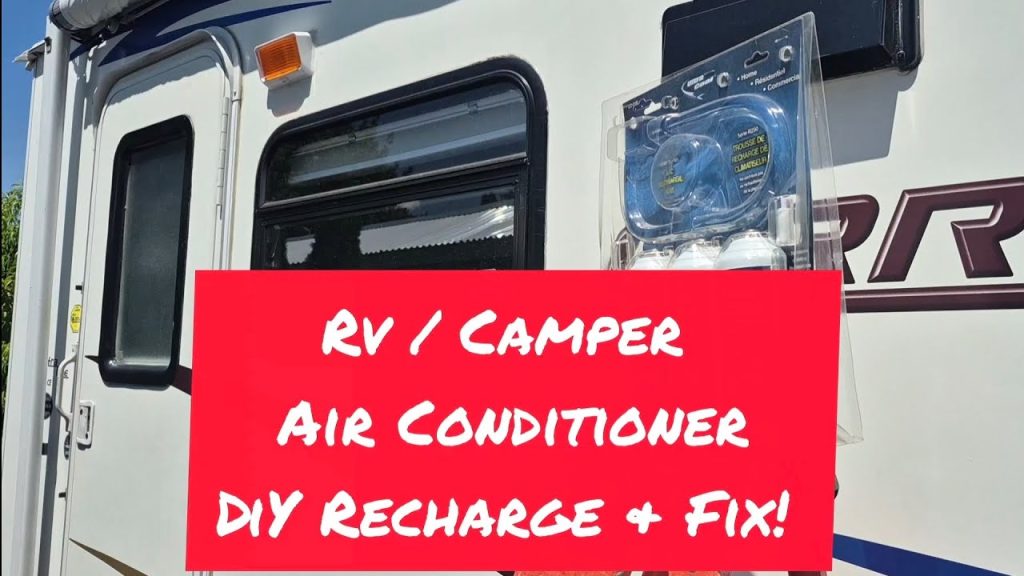
Is your RV air conditioner not cooling like it used to? You might be wondering if it’s possible to recharge it yourself and save money.
Understanding whether RV air conditioners can be recharged is key to keeping your adventures comfortable. You’ll discover the truth behind recharging your RV AC, what you need to know before trying it, and how to keep your cooling system running smoothly.
Keep reading to learn what’s best for your RV and avoid costly mistakes.

Credit: www.rvacunit.com
How Rv Air Conditioners Work
RV air conditioners cool the inside of your vehicle. They use a system that moves heat from inside to outside.
This process helps keep the air inside your RV fresh and cool, even on hot days.
Basic Components
An RV air conditioner has several important parts. Each part helps the system work correctly.
- Compressor: It pumps refrigerant through the system.
- Condenser Coil: This part removes heat from the refrigerant.
- Evaporator Coil: It absorbs heat from the RV’s air.
- Expansion Valve: It controls refrigerant flow into the evaporator.
- Blower Fan: It moves air over the evaporator coil.
- Thermostat: It controls the temperature inside the RV.
Cooling Process
The air conditioner uses a cycle to cool your RV’s air. It moves heat outside and cool air inside.
The refrigerant changes from liquid to gas and back. This change helps remove heat from the air.
- The compressor compresses refrigerant gas, raising its pressure and temperature.
- Hot gas moves to the condenser coil where it cools and becomes liquid.
- Liquid refrigerant passes through the expansion valve, lowering its pressure.
- Cold refrigerant enters the evaporator coil and absorbs heat from the air.
- The blower fan pushes the cooled air into the RV.
- The warm refrigerant gas returns to the compressor to repeat the cycle.
Signs Your Rv Ac Needs Recharging
Keeping your RV comfortable is important. A well-functioning air conditioner is key. But how do you know if it needs recharging?
Here are some signs that your RV AC might need attention. Pay close attention to these indicators to ensure a cool and pleasant journey.
Reduced Cooling Efficiency
If the air inside feels warmer than usual, your AC might be low on refrigerant. Reduced cooling efficiency is a common sign.
- The AC takes longer to cool the RV.
- The air coming out feels less cold.
- Temperature inside the RV fluctuates often.
Unusual Noises
Strange sounds from your AC can indicate a problem. These noises are often a sign that your AC needs a recharge or repair.
Listen for hissing or bubbling sounds. These may indicate a refrigerant leak. Address these issues promptly to avoid further damage.
Frequent Cycling
If your AC turns on and off more often than usual, it may be low on refrigerant. This frequent cycling can reduce its efficiency and lifespan.
Types Of Refrigerants Used In Rv Acs
RV air conditioners use special chemicals called refrigerants to cool the air. These refrigerants absorb heat inside the RV and release it outside. Different RV ACs use different types of refrigerants depending on their design and age.
Knowing the type of refrigerant helps when recharging or servicing the RV air conditioner. It also matters for environmental reasons, as some refrigerants are safer than others.
Common Refrigerants
Most RV air conditioners use one of these common refrigerants. Each type has its own features and rules for handling.
- R-22 (Freon): Older RV ACs use this refrigerant. It cools well but harms the ozone layer. It is being phased out worldwide.
- R-410A: Newer RV air conditioners use this refrigerant. It does not harm the ozone but has some global warming potential.
- R-134a: Sometimes found in small or special RV AC units. It is less harmful to the ozone but still affects the environment.
Environmental Considerations
Refrigerants can affect the environment if released. Some damage the ozone layer, while others cause global warming. Handling refrigerants carefully is important to protect nature.
Because of these effects, some refrigerants are banned or restricted. Professionals follow strict rules when recharging RV air conditioners to avoid leaks. Using approved refrigerants helps keep the air clean and safe.

Credit: www.rvacunit.com
Steps To Recharge Your Rv Ac
Recharging your RV air conditioner helps it run cooler and longer. It is important to follow the right steps to do it safely and correctly. This guide will show you how to recharge your RV AC in simple terms.
Make sure you have the right tools and understand each step. This will protect your AC unit and keep it working well during hot days.
Gathering Necessary Tools
Before you start, gather all the tools needed for recharging your RV AC. Having everything ready makes the process smooth and safe.
- Protective gloves and safety goggles
- Refrigerant compatible with your AC unit
- Refrigerant charging hose with gauge
- Leak detector spray
- Screwdriver set for opening panels
- Thermometer to check temperature
Locating Service Ports
Find the service ports on your RV air conditioner. These ports let you check and add refrigerant. They are usually covered with plastic caps.
Look near the compressor or along the refrigerant lines. The ports are marked as “low pressure” and “high pressure.” Only use the low-pressure port for adding refrigerant.
Measuring Refrigerant Levels
Check the refrigerant level before adding more. Use the gauge attached to the charging hose to read the pressure. Compare the reading with the recommended level in your AC manual.
| Pressure Level | Indicates |
| Too Low | Needs more refrigerant |
| Normal | Refrigerant is adequate |
| Too High | Possible overcharge or leak |
Adding Refrigerant Safely
Add refrigerant slowly and carefully to avoid damage. Connect the charging hose to the low-pressure port. Open the valve on the refrigerant can to start the flow.
- Turn on the RV AC to its maximum cooling setting.
- Watch the pressure gauge as refrigerant enters the system.
- Stop adding when the gauge shows the correct pressure.
- Close the valve and disconnect the hose carefully.
- Check for leaks with the leak detector spray around the ports.
- Replace any removed caps and panels securely.
Safety Precautions When Recharging
Recharging an RV air conditioner requires care and attention to safety. Handling refrigerants and equipment improperly can cause harm.
This guide covers key safety steps to follow during the recharging process. These steps protect you and your RV system.
Protective Gear
Wear the right protective gear before starting to recharge. This gear stops contact with harmful chemicals and cold refrigerants.
- Safety goggles to protect your eyes
- Gloves to shield your hands from cold burns
- Long sleeves to cover your arms
- A mask to avoid inhaling fumes
Avoiding Overcharging
Overcharging an RV air conditioner can damage the system and reduce cooling efficiency. It can also create safety hazards.
| Risk | Cause | Prevention |
| System damage | Too much refrigerant | Use correct gauge readings |
| Reduced cooling | Excess pressure | Follow manufacturer specs |
| Leaks or bursts | Overpressure | Check pressure limits regularly |
Handling Refrigerants Properly
Refrigerants can be harmful if handled without care. Always follow rules for storage, use, and disposal.
- Store refrigerants in a cool, dry place
- Keep containers sealed tightly
- Never release refrigerants into the air
- Use certified equipment for transfer
- Dispose of old refrigerants at certified centers

Credit: www.youtube.com
When To Call A Professional
RV air conditioners can sometimes be recharged by owners. But some problems need expert help. Knowing when to call a professional saves time and money.
This guide covers key signs that a trained technician should handle your RV air conditioner service.
Complex Repairs
Complex repairs involve parts like compressors, motors, or electronic controls. These repairs need special tools and skills. Attempting them without knowledge can cause damage or injury.
- Compressor failure
- Electrical wiring issues
- Faulty thermostat or control board
- Major mechanical breakdowns
Leak Detection
Recharging an RV air conditioner often means handling refrigerant. Leaks reduce cooling and can be harmful. Detecting leaks requires special equipment and knowledge.
| Leak Signs | Why Call a Professional |
|---|---|
| Visible oil or residue near AC lines | Technician can find and fix leaks safely |
| AC loses cooling quickly after recharge | Leaks cause refrigerant loss, needs repair |
| Hissing or bubbling sounds from AC unit | Expert tools detect hidden leaks |
Warranty Considerations
Many RV air conditioners come with warranties. Trying repairs yourself can void these warranties. Professionals know how to keep your warranty valid.
Here are key warranty points:
- Use certified technicians for repairs
- Keep service records and receipts
- Avoid unauthorized parts or methods
- Follow manufacturer’s maintenance guidelines
Maintaining Your Rv Ac For Longevity
RV air conditioners need regular care to work well for a long time. Keeping your AC clean and checked helps avoid big repairs.
Simple habits can keep your RV AC running smoothly and cool during your trips.
Regular Cleaning
Clean your RV AC often to stop dust and dirt buildup. This helps the AC cool better and last longer.
Focus on the filters and vents, where dirt collects the most.
- Remove and wash air filters with mild soap and water.
- Vacuum vents to clear dust and debris.
- Wipe down the exterior parts with a damp cloth.
Seasonal Checks
Check your RV AC before and after the cooling season. Look for signs of wear or damage.
Test the AC to make sure it cools properly and listen for strange noises.
- Inspect electrical connections for loose wires.
- Check refrigerant levels with a professional if needed.
- Look for leaks or cracks in the AC housing.
Proper Storage Tips
Store your RV AC well during off-season to protect it from damage. Proper storage prevents rust and mold.
Cover the AC unit and keep it dry to avoid moisture buildup.
- Use a breathable cover to protect from dust and rain.
- Keep the AC unit in a shaded area if possible.
- Remove and store filters separately in a dry place.
Frequently Asked Questions
Can Rv Air Conditioners Be Recharged By Owners?
Yes, owners can recharge RV air conditioners, but it requires proper tools and knowledge. Incorrect recharging can damage the system or cause leaks. It’s best to consult a professional for safety and efficiency.
How Often Should Rv Air Conditioners Be Recharged?
RV air conditioners rarely need recharging unless there is a refrigerant leak. Regular maintenance checks can help spot leaks early. Typically, recharging is only necessary when cooling performance drops significantly.
What Type Of Refrigerant Do Rv Air Conditioners Use?
Most RV air conditioners use R-22 or R-410A refrigerant. The type depends on the model and manufacturing year. Always check the manufacturer’s label before recharging to ensure the correct refrigerant is used.
Can I Recharge My Rv Ac With A Diy Kit?
DIY recharge kits are available but not recommended for RV AC systems. They often lack precise gauges and can lead to overcharging. Professional service ensures accurate refrigerant levels and system safety.
Conclusion
RV air conditioners can be recharged, but it needs care. Only skilled technicians should handle the refrigerant safely. Regular maintenance helps your AC work well longer. Check for leaks before adding refrigerant again. Using the right type and amount matters a lot.
Keep your RV cool and comfortable on every trip. Don’t ignore small issues; fix them early. This keeps your AC running smoothly and saves money. Simple steps make a big difference in performance. Stay cool and enjoy your travels without worry.