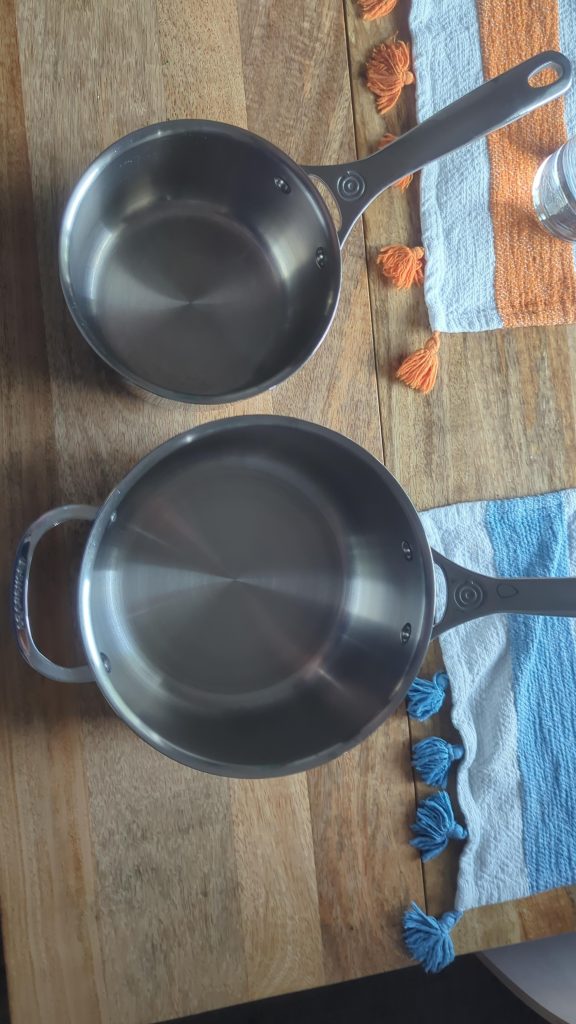
Ever stared at your pile of dirty dishes and wondered if your trusty saucepan can take a spin in the dishwasher? You’re not alone.
This common question puzzles many home cooks like you. It’s tempting to toss everything into the dishwasher, saving time and effort. But could this convenience be damaging your cookware? Before you risk your favorite saucepan, let’s explore the facts. Understanding whether your saucepan can go in the dishwasher could save you from unexpected damage and costly replacements.
Stick with us as we unravel this kitchen mystery, so you can make informed decisions and keep your cookware in top shape.
Saucepan Materials And Dishwasher Safety
Saucepans come in many materials. Each type reacts differently to dishwasher cleaning. Knowing how each material handles dishwasher water, heat, and detergent keeps your pans safe. This knowledge helps you keep your cookware looking good and lasting longer.
Stainless Steel Saucepans
Stainless steel pans are usually dishwasher safe. They resist rust and stains well. Strong detergents and hot water do not harm them. Still, avoid placing them near other metals to prevent discoloration. Hand drying helps keep their shine bright.
Nonstick Coated Saucepans
Nonstick pans need gentle care. High heat and harsh detergents in dishwashers can damage the coating. Over time, the nonstick surface may peel or wear off. Hand washing with a soft sponge is safer. This keeps the coating smooth and effective.
Copper And Aluminum Saucepans
Copper and aluminum pans often lose their shine in dishwashers. The strong detergent can cause discoloration and dulling. These metals also react with water and air, leading to spots. Hand washing preserves their bright, attractive finish. Use mild soap and dry quickly.
Cast Iron Saucepans
Cast iron should never go in the dishwasher. Water and detergent strip away its seasoning. This causes rust and rough texture. Clean cast iron with a brush and hot water only. Dry it well and apply oil to keep the surface smooth and nonstick.

Credit: www.amazon.com
Potential Risks Of Dishwasher Cleaning
Dishwasher cleaning may seem easy, but it has hidden risks for saucepans. Many saucepans are not made for harsh dishwasher cycles. Using a dishwasher can shorten the life of your cookware. Heat, water pressure, and detergents can cause damage over time. Understanding these risks helps protect your pans.
Damage To Coatings And Finishes
Non-stick coatings can peel or chip in the dishwasher. Strong detergents break down these coatings quickly. Shiny finishes can become dull or scratched. Repeated dishwasher cycles wear off protective layers. This damage affects cooking performance and pan durability.
Warping And Discoloration
High dishwasher temperatures may warp thin pans. Warped pans sit unevenly on stoves, causing uneven cooking. Metal pans can discolor or lose their shine. Heat and detergent chemicals cause stains and spots. This changes the pan’s look and function.
Residue Build-up And Stains
Dishwashers sometimes leave detergent residue on pans. Hard water minerals cause white spots and stains. Residue affects flavor and cleanliness of food. Pans need extra rinsing to remove these deposits. Over time, this build-up can be tough to clean.
Manual Cleaning Vs Dishwasher
Choosing between manual cleaning and dishwasher use for your saucepans depends on several factors. Each method has its own advantages and ideal use cases. Understanding these can help keep your cookware in good condition and save you time.
Benefits Of Hand Washing
Hand washing allows gentle cleaning of delicate pans. You can use soft sponges and mild soap without harsh scrubbing. This prevents scratches and preserves non-stick coatings.
It also lets you remove stubborn food residues more carefully. You can focus on areas that need extra attention. Hand washing helps maintain the pan’s finish and extends its life.
Cleaning by hand uses less water and energy than dishwashers. It also avoids exposure to high heat and strong detergents. This is important for pans with wooden handles or special materials.
When Dishwasher Use Is Appropriate
Dishwashers save time and effort for many pans. Stainless steel and dishwasher-safe aluminum saucepans usually clean well inside dishwashers. They can handle the heat and detergents without damage.
Use the dishwasher for pans without non-stick coatings or delicate parts. This method is best for removing grease and burnt food quickly. It also helps sanitize cookware effectively.
Always check the manufacturer’s instructions before using a dishwasher. Some pans may have labels that say “dishwasher safe.” Avoid washing pans with wooden handles or non-stick coatings in dishwashers to prevent damage.

Credit: www.amazon.com
Essential Dishwasher Cleaning Tips
Cleaning saucepans in the dishwasher needs care to keep them in good shape. Following essential dishwasher cleaning tips helps protect your pans and ensures they come out spotless. These tips cover the right way to place pans, pick detergents, and choose wash cycles.
Proper Placement In The Dishwasher
Place saucepans facing downwards to let water drain fully. Avoid stacking pans inside each other. This blocks water and leaves spots. Keep pans away from the heating element to prevent warping. Space out items so water reaches all surfaces.
Choosing The Right Detergent
Use mild, dishwasher-safe detergent to protect pans’ coating. Avoid harsh powders or bleach, which can damage surfaces. Detergent pods work well for balanced cleaning power. Check detergent labels for suitability with non-stick or stainless steel pans.
Selecting Suitable Wash Cycles
Choose a gentle or normal cycle to avoid high heat damage. Heavy-duty cycles can be too rough for delicate pans. Quick wash cycles save time and reduce wear on pans. Always check your dishwasher’s manual for the best cycle for cookware.
Maintaining Saucepans After Washing
Maintaining your saucepans after washing is key to keeping them in great shape and extending their lifespan. How you dry, protect, and care for them can make a big difference in performance and appearance. Let’s look at practical ways to keep your saucepans ready for the next meal.
Drying Techniques
After washing, don’t just leave your saucepans to air dry completely on their own. Water spots and leftover moisture can lead to stains or rust, especially on metal pans.
- Use a clean, dry towel to wipe off excess water immediately after washing.
- Turn the saucepan upside down on a drying rack to let any remaining water drip out.
- If you’re in a hurry, gently warm the saucepan on low heat to evaporate hidden moisture.
Have you noticed how a quick dry can prevent those annoying water marks? A little extra attention here saves you from scrubbing later.
Preventing Rust And Corrosion
Rust can sneak up on you, especially with pans made from steel or iron. It’s not just about looks—rust affects your pan’s safety and cooking quality.
- Always dry your pans thoroughly after washing to stop rust from forming.
- Store your saucepans in a dry place; avoid stacking them tightly when damp.
- For stainless steel pans, consider applying a light coat of cooking oil after drying to create a protective layer.
Have you ever found rust spots on a favorite saucepan? Regular care can prevent that frustrating surprise.
Regular Seasoning For Cast Iron
Cast iron saucepans need special attention after washing. They benefit from seasoning to maintain their non-stick surface and prevent rust.
- After washing, dry the pan completely, then heat it on the stove to remove any moisture.
- Apply a thin layer of vegetable oil or flaxseed oil over the entire surface, inside and out.
- Place the pan upside down in an oven set to 350°F (175°C) for about an hour, then let it cool naturally.
This routine might sound like extra work, but it keeps your cast iron cooking like new. When was the last time you seasoned your cast iron properly?

Credit: www.amazon.com
Frequently Asked Questions
Can All Types Of Saucepans Go In The Dishwasher?
Not all saucepans are dishwasher safe. Check the manufacturer’s instructions. Stainless steel pans usually are, but nonstick or aluminum ones may get damaged.
Will Dishwasher Harm Nonstick Saucepans?
Yes, dishwashers can ruin nonstick coatings. The high heat and harsh detergents cause peeling and reduce the pan’s lifespan. Hand washing is recommended.
How To Clean Saucepans Without A Dishwasher?
Use warm soapy water and a soft sponge. Avoid abrasive pads to protect the surface. Rinse thoroughly and dry immediately to prevent rust or stains.
Are Stainless Steel Saucepans Dishwasher Safe?
Most stainless steel saucepans are dishwasher safe. However, repeated washing may dull the finish. Hand washing helps maintain the shine longer.
Conclusion
Saucepans may or may not be dishwasher safe. Check the material and manufacturer’s advice first. Some pans lose their shine or get damaged in dishwashers. Hand washing often keeps them looking new longer. Quick cleaning by hand saves time and effort.
Choose the best cleaning method for your saucepans. This helps them last and perform well. Keep your kitchen tools working their best every day. Simple care makes a big difference.