Ever wondered if your sewer lines can freeze during those bone-chilling winter months? You’re not alone.
Many homeowners face this frosty dilemma each year, and the consequences can be more than just a minor inconvenience. Imagine waking up one winter morning, ready for a hot shower, only to find your drains are backed up because of frozen pipes.
It’s not just about the mess or the hassle; it could lead to costly repairs and damage to your property. Before you find yourself in this icy predicament, let’s explore the truth about sewer lines and freezing temperatures. Keep reading to discover how to protect your home from the cold and ensure your plumbing system runs smoothly all winter long.
Why Sewer Lines Freeze
Sewer lines can freeze during cold weather, causing blockages and damage. Understanding why sewer lines freeze helps prevent costly repairs. Pipes carrying wastewater are vulnerable when temperatures drop below freezing. Several factors contribute to this risk, including pipe location and temperature exposure.
How Temperature Affects Pipes
Water inside sewer pipes freezes when the temperature falls below 32°F (0°C). Frozen water expands, which can crack or burst pipes. Pipes buried shallowly face colder ground temperatures and freeze faster. Insulation and soil type impact how pipes withstand cold. Constant cold weather increases the chance of freezing, especially with no water flow.
Common Freeze Points In Sewer Systems
- Exposed pipes outside the home, such as in basements or crawl spaces
- Sections near foundation walls, where heat loss is higher
- Shallow pipes in yards or under driveways
- Areas with poor insulation or drafts
- Long pipe runs with little or no water flow
Identifying these weak spots helps protect sewer lines from freezing damage.
Signs Of Frozen Sewer Lines
Frozen sewer lines can cause serious plumbing problems. Early signs help catch issues before damage grows. Recognizing these signs saves time and money. Watch for changes in your home’s drainage and smells. Acting fast avoids costly repairs and messy cleanups.
Slow Drains And Backups
Water drains slower than usual or stops completely. Sinks, tubs, and toilets take longer to empty. Waste may back up into your home. Toilets might overflow or gurgle strangely. These problems signal a blockage caused by ice inside the pipes.
Unusual Odors And Noises
Strange smells come from drains or sewer vents. Foul odors suggest sewage cannot flow freely. Pipes may make banging or gurgling sounds. These noises happen when water struggles to move past frozen areas. Pay attention to unusual signs around your plumbing system.
Risks Of Frozen Sewer Pipes
Frozen sewer pipes pose serious threats that go beyond mere inconvenience. When temperatures drop, these pipes can freeze, leading to a chain reaction of problems inside your home or property. Understanding these risks helps you take action before a small issue turns into a costly disaster.
Pipe Bursts And Water Damage
Frozen sewer pipes often expand as the water inside them freezes. This expansion can cause the pipes to crack or burst without warning. When a pipe bursts, sewage can leak into your walls, floors, or yard, causing extensive water damage.
Water damage from burst pipes doesn’t just affect surfaces; it can weaken your home’s structure over time. Have you ever wondered how a hidden leak could escalate into mold growth or foundation problems? That’s why catching frozen pipes early is crucial.
Costly Repairs And Health Hazards
Repairing frozen sewer pipes is expensive. It often requires professional plumbers, pipe replacements, and sometimes even repairs to damaged property. These costs can quickly add up, impacting your budget unexpectedly.
Besides financial strain, frozen sewer pipes create health risks. Sewage leaks introduce harmful bacteria and unpleasant odors into your living space. Are you prepared to deal with the health consequences of exposure to raw sewage?
Taking preventive measures now can save you from these costly and hazardous outcomes later. What steps can you take today to protect your sewer lines from freezing?

Credit: medium.com
Preventing Sewer Line Freezing
Preventing sewer line freezing requires simple, effective steps. Frozen sewer lines cause blockages and costly repairs. Keeping them warm and clear ensures smooth drainage even in cold weather.
Insulating Vulnerable Pipes
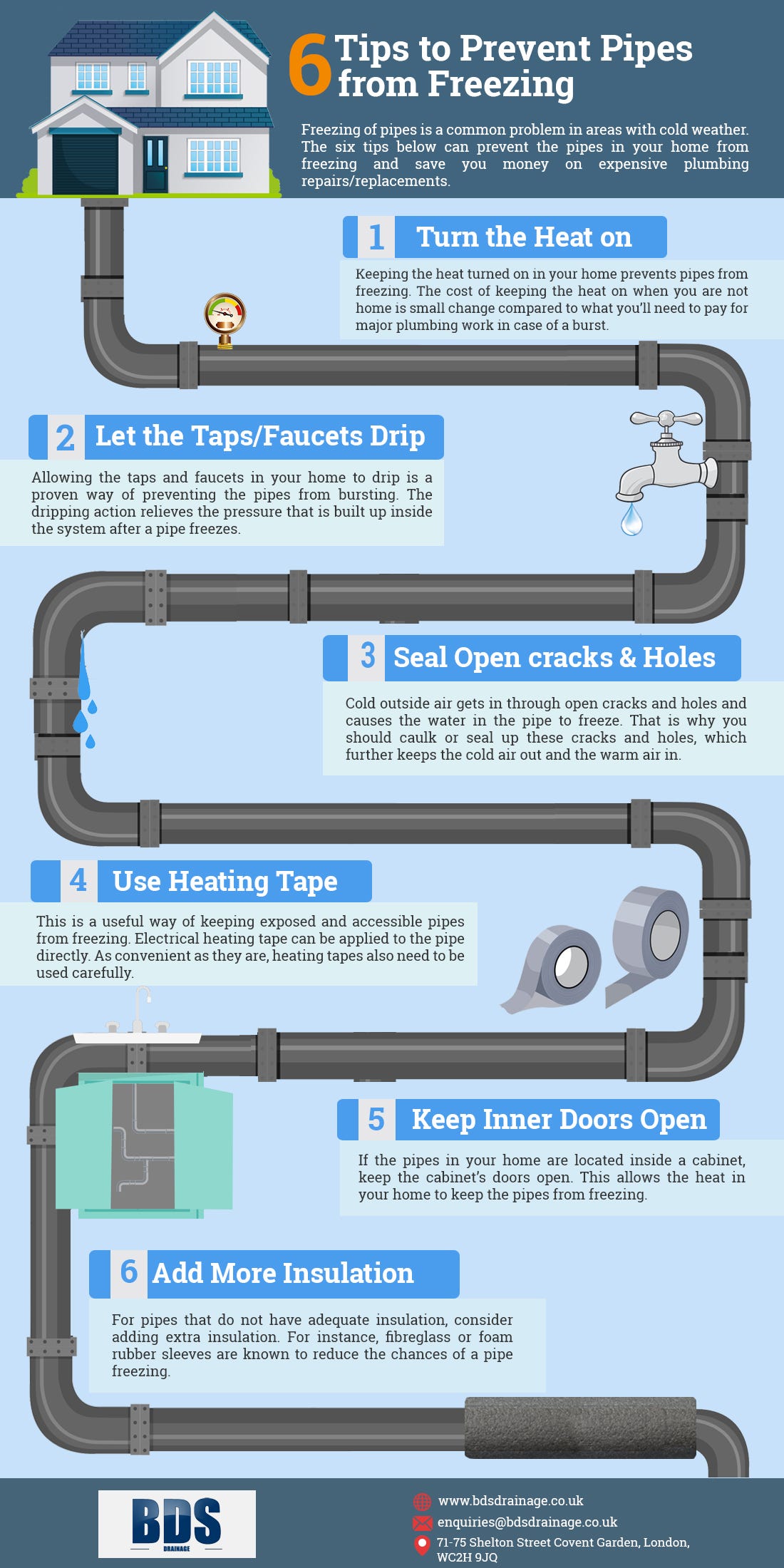
Wrap sewer pipes with foam pipe insulation sleeves. Focus on pipes in unheated areas like basements or crawl spaces. Insulation keeps cold air from reaching the pipes. Use weather-resistant materials for outdoor pipes. This reduces the chance of ice buildup inside the sewer lines.
Maintaining Proper Drainage
Keep water flowing regularly through sewer lines. Avoid letting water sit still during freezing temperatures. Run a small stream of water from faucets to keep pipes warm. Clear leaves and debris from outdoor drains. Good drainage prevents water from freezing and blocking sewer lines.
Using Heat Tape Or Heating Cables
Attach electric heat tape or heating cables to sewer pipes. These devices provide gentle warmth to prevent ice formation. Choose products designed for plumbing use and follow installation instructions. Use a thermostat-controlled heat tape for energy efficiency. This method helps pipes stay thawed during cold spells.
Emergency Steps For Frozen Sewer Lines
Frozen sewer lines can cause serious disruptions and damage if not handled quickly and correctly. Knowing the emergency steps to take can save you from costly repairs and prolonged inconvenience. Acting fast with the right approach is key to protecting your home and plumbing system.
Safe Thawing Methods
Never use an open flame or high-heat source to thaw frozen sewer lines. This can damage pipes or create a fire hazard.
You can try applying heat gradually with a hairdryer or an electric heating pad wrapped around the affected pipe. Keep the heat moving along the pipe to avoid overheating any one spot.
Insulating the pipe with towels or blankets while gently warming it can help speed up thawing. Be patient—fast heating risks pipe damage.
Another option is pouring warm (not boiling) water over the exposed pipe section if accessible. This method helps thaw the ice block without risking burns or cracks.
When To Call A Professional
If you don’t see progress after safely applying heat for 30 minutes, it’s time to call a plumber. Frozen sewer lines can hide cracks or blockages that need expert tools to fix.
Also, if your sewer line is buried underground or not easily accessible, a professional will have the right equipment to thaw it safely without digging up your yard unnecessarily.
Watch for warning signs like sewage backup, strange odors, or unusual gurgling sounds in drains. These can indicate severe pipe damage needing immediate professional attention.
Have you checked your sewer pipes for insulation this winter? Taking small preventive steps now could prevent emergencies later.

Credit: cactusplumbingandair.com
Seasonal Maintenance Tips
Seasonal maintenance plays a crucial role in preventing sewer lines from freezing and causing costly damage. Cold weather can be harsh on your plumbing system, especially if you overlook simple upkeep tasks. Taking proactive steps can save you from unexpected headaches and expensive repairs during winter.
Regular Inspections
Checking your sewer lines regularly is one of the best ways to avoid freezing problems. Look for cracks, leaks, or signs of wear that could let cold air in. Catching these issues early means you can fix them before freezing temperatures turn them into bigger problems.
Think about the last time you ignored a small leak. Did it get worse over time? Regular inspections help you stay ahead and keep your plumbing in top shape all year round.
Winterizing Outdoor Plumbing
Outdoor plumbing is especially vulnerable when temperatures drop. Drain garden hoses, shut off exterior faucets, and cover exposed pipes with foam insulation. These simple actions reduce the chance of water freezing inside your pipes.
Have you ever woken up to a burst pipe in winter? Insulating outdoor plumbing can prevent that nightmare. Even wrapping pipes with heat tape is an effective way to keep water flowing smoothly through freezing nights.
Credit: medium.com
Frequently Asked Questions
Can Sewer Lines Freeze In Cold Weather?
Yes, sewer lines can freeze during extremely cold weather. Frozen lines block wastewater flow and cause backups or damage to pipes.
What Causes Sewer Lines To Freeze?
Sewer lines freeze due to low temperatures, poor insulation, and shallow pipe placement near the ground surface.
How To Prevent Sewer Lines From Freezing?
Prevent freezing by insulating pipes, maintaining heat in crawl spaces, and keeping water flowing regularly through drains.
What Are Signs Of Frozen Sewer Lines?
Signs include slow drains, gurgling noises, foul odors, and water backups inside your home.
Conclusion
Sewer lines can freeze in very cold weather. Frozen pipes cause blockages and damage. Taking simple steps helps prevent freezing. Keep pipes insulated and let water drip slowly. Check outdoor faucets and drain unused hoses. Early action saves costly repairs later.
Stay aware of weather forecasts and protect your home. Understanding risks helps keep sewer lines flowing smoothly. Stay safe and avoid frozen pipe problems this winter.