Imagine waking up on a chilly winter morning, only to find that your drains are not working. You might not think about your sewer pipes often, but they can be vulnerable to freezing during cold spells.
When water inside these pipes freezes, it expands, leading to blockages or even burst pipes. This can be a nightmare for any homeowner. But don’t worry, you’re about to discover how to prevent this problem and protect your home. Keep reading to learn why sewer pipes freeze, the signs to watch out for, and the steps you can take to keep them flowing smoothly all winter long.
Understanding this issue could save you time, money, and a whole lot of hassle.

Credit: medium.com
Why Sewer Pipes Freeze
Sewer pipes can freeze when temperatures drop below freezing. Water inside the pipes turns to ice, blocking flow. This can cause backups and damage to the plumbing system. Understanding why sewer pipes freeze helps prevent costly repairs.
Factors Leading To Frozen Pipes
- Low outdoor temperatures for extended periods
- Pipes located in unheated or poorly insulated areas
- Slow or no water movement inside the pipes
- Exposure to cold winds that lower pipe temperatures
- Pipe materials that conduct cold easily, like metal
- Sudden temperature drops after mild weather
Common Vulnerable Areas
- Basements and crawl spaces with little heat
- Exterior walls where pipes run close to cold air
- Attics that are not insulated or heated
- Outdoor sewer lines exposed to the elements
- Areas near windows, doors, or vents with drafts
- Places where pipes pass through unheated garages
Signs Of Frozen Sewer Pipes
Frozen sewer pipes cause serious plumbing issues. Detecting the signs early helps avoid costly damage. Watch for unusual plumbing behavior and physical clues around your home. These signs often signal frozen pipes needing quick action.
Slow Drains And Backups
Water drains slower than usual from sinks and tubs. Toilets may take longer to flush or overflow. Drains might back up with water or waste. These signs show pipes may be blocked by ice inside. Ice blocks water flow, causing backups and slow drainage.
Unusual Odors
Foul smells come from drains or near pipes. Stagnant water trapped behind ice creates bad odors. Sewer gases may leak into the home. Strange smells suggest sewer pipes are frozen or cracked. Odors warn about plumbing problems needing quick fixes.
Frost Or Ice On Pipes
Visible frost appears on exposed sewer pipes outside or in basements. Ice forms on pipe surfaces in very cold spots. Pipes feel cold or frozen to the touch. This physical evidence confirms freezing inside the pipes. Look closely at vulnerable pipe areas during cold weather.
Risks Of Frozen Sewer Pipes
Frozen sewer pipes can cause serious problems in homes and buildings. Cold temperatures make water inside pipes freeze and expand. This expansion creates pressure that can damage the pipes. Understanding the risks helps in preventing costly repairs and health issues.
Pipe Bursting And Water Damage
Frozen pipes can burst under pressure. When ice blocks the pipe, water cannot flow freely. The pressure builds up until the pipe cracks or breaks. Burst pipes lead to water leaks inside walls and floors. This causes significant water damage and weakens building structures.
Health Hazards
Frozen sewer pipes can block waste flow. Sewage may back up into sinks and toilets. This creates unsanitary conditions and spreads harmful bacteria. Exposure to raw sewage risks serious illness and infections. Proper drainage and pipe maintenance prevent these dangers.
Cost Implications
Repairing burst sewer pipes is expensive. Water damage repair adds to overall costs. Cleanup and mold removal increase expenses. Frozen pipes can interrupt daily life and work. Early prevention saves money and avoids major disruptions.

Credit: www.advancedplumbing.ca
Preventing Sewer Pipe Freezing
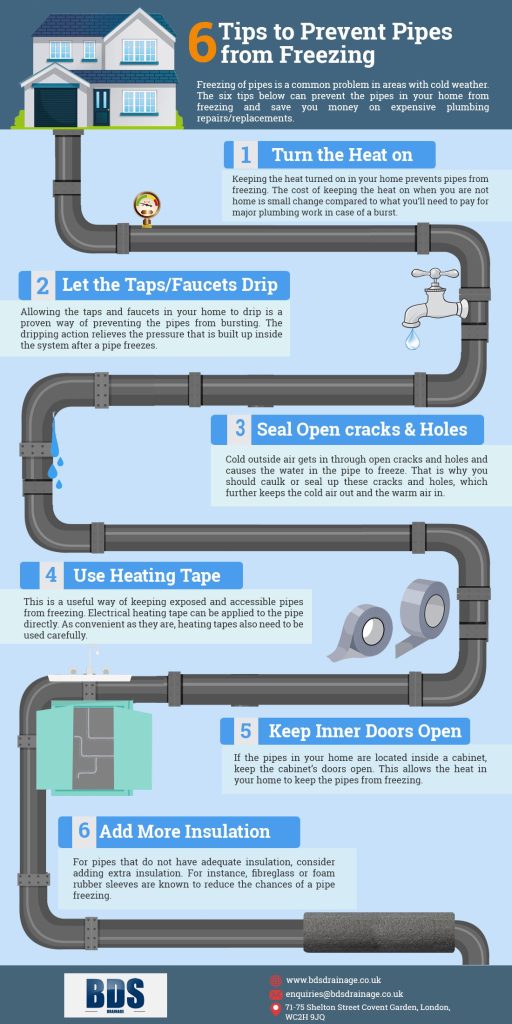
Preventing sewer pipe freezing is crucial to avoid costly repairs and messy backups. Taking simple steps can protect your pipes during harsh winter conditions. Let’s look at practical ways you can shield your sewer pipes from freezing cold.
Insulating Pipes
Adding insulation around your sewer pipes helps keep them warm and prevents ice from forming. Foam pipe sleeves or fiberglass wrap are affordable and easy to install. Focus on exposed pipes in unheated areas like basements, crawl spaces, or exterior walls.
Have you checked your insulation recently? Even a small gap can let cold air in and cause freezing.
Maintaining Proper Drainage
Water sitting idle in pipes is more likely to freeze. Make sure your drains flow smoothly by clearing clogs and keeping pipes well-maintained. Running water slowly during freezing nights can also help keep the pipes moving and prevent ice buildup.
Try this: let a faucet drip slightly when temperatures drop below freezing. It might save you from a frozen pipe emergency.
Using Heat Tape Or Cable
Heat tape or cable wraps around pipes and generates warmth to prevent freezing. It’s especially useful in areas where insulation alone is not enough. Choose a product rated for outdoor use and follow installation instructions carefully to avoid hazards.
Think about the last time you felt a pipe burst. Could heat tape have stopped it?
Sealing Gaps And Cracks
Cold air sneaking through gaps in walls or foundations can chill your pipes quickly. Use caulk or spray foam to seal any openings near your sewer lines. This simple fix reduces drafts and keeps the surrounding area warmer.
Check your home’s exterior for cracks—sometimes the smallest holes cause the biggest problems.
Emergency Steps If Pipes Freeze
Frozen sewer pipes can cause serious damage and disrupt your home’s plumbing. Acting quickly helps prevent pipe bursts and costly repairs. Knowing the right emergency steps can protect your home and restore water flow fast.
Safe Thawing Methods
Thaw pipes slowly to avoid cracking or bursting. Use gentle heat sources near the frozen section. A hairdryer works well. Keep it moving to spread heat evenly. Avoid open flames or high heat devices.
Wrap pipes with warm towels or use a heating pad set on low. Increase room temperature by turning on heaters or opening cabinets under sinks. Let warm air circulate around the pipe area. Patience is key; fast heating can cause damage.
When To Call A Professional
Call a plumber if pipes remain frozen after safe thawing attempts. Also, seek help if you notice leaks, cracks, or water pooling. Professionals have tools to thaw pipes safely and check for damage. Early expert intervention saves money and stress.
Do not try to fix major pipe issues alone. Quick professional response protects your home’s plumbing system and prevents emergencies from worsening.
Long-term Maintenance Tips
Protecting your sewer pipes from freezing requires ongoing care. Long-term maintenance helps avoid costly repairs and keeps your plumbing working well. Focus on simple habits and smart upgrades to reduce risks.
Regular Inspections
Check your sewer pipes often for cracks, leaks, or weak spots. Early detection stops minor problems from growing. Look for signs like slow drains or strange smells. Use a flashlight to inspect visible pipes in basements or crawl spaces. Call a plumber for detailed camera inspections every few years.
Upgrading Old Pipes
Replace old pipes made of materials that freeze easily. Modern pipes resist cold better and last longer. Use PVC or ABS plastic pipes instead of metal when possible. Upgrading reduces the chance of cracks and blockages. Choose pipes with good insulation properties to protect against winter cold.
Winterizing Your Home
Keep your home warm during winter to protect pipes. Insulate exposed pipes in unheated areas like attics or garages. Use pipe sleeves or heat tape for extra warmth. Seal gaps and cracks near plumbing to stop cold air from entering. Let faucets drip slowly during freezing nights to keep water moving.

Credit: medium.com
Frequently Asked Questions
Can Sewer Pipes Actually Freeze In Winter?
Yes, sewer pipes can freeze during extreme cold. Frozen pipes block wastewater flow, causing backups and damage. Proper insulation and heating reduce freezing risks.
What Causes Sewer Pipes To Freeze Outdoors?
Exposure to cold air and lack of insulation cause outdoor sewer pipes to freeze. Low temperatures reduce water flow, increasing freezing chances.
How Can Frozen Sewer Pipes Be Prevented?
Insulate exposed pipes and keep indoor temperatures above freezing. Allow faucets to drip slightly during cold spells to maintain water movement and prevent freezing.
What Are The Signs Of Frozen Sewer Pipes?
Slow drainage, gurgling sounds, and foul odors indicate frozen sewer pipes. Sudden plumbing backups may also signal a blockage due to ice.
Conclusion
Sewer pipes can freeze in very cold weather. Frozen pipes may cause blockages and damage. Protect your pipes by insulating them well. Keep water flowing slowly to prevent freezing. Check pipes regularly during cold months. Quick action can save costly repairs.
Stay aware and prepare before winter arrives. Taking simple steps keeps your plumbing safe. Avoid frozen pipes to keep your home comfortable. Small efforts can prevent big problems later.