Are you tired of spending extra time hand-washing your silicone molds after a long baking session? You’re not alone.
Many home bakers and cooking enthusiasts face the same dilemma: can silicone molds go in the dishwasher? It’s a question that sparks curiosity and a bit of concern. After all, no one wants to ruin their trusty kitchen tools. You’ll uncover the truth about cleaning silicone molds in the dishwasher, ensuring your baking adventures remain hassle-free.
Stick around to discover tips that can save you time, preserve your molds, and keep your culinary creations coming out perfectly every time.
Silicone Molds Basics
Understanding the basics of silicone molds can help you decide how to care for them, especially when it comes to cleaning methods like using a dishwasher. Knowing what these molds are made of and their typical uses will guide you in maintaining their shape and longevity.
Material Properties
Silicone molds are made from flexible, non-stick silicone rubber. This material resists heat well and can usually handle temperatures from -40°F to 446°F (-40°C to 230°C). Because of its flexibility, silicone molds bend without breaking, making them easy to pop out of.
Silicone is also resistant to water and many chemicals, which means it won’t degrade easily when washed. But have you noticed how some molds lose their shape after repeated dishwasher cycles? This happens because not all silicone molds are created equally; some contain fillers that can affect durability.
Common Uses
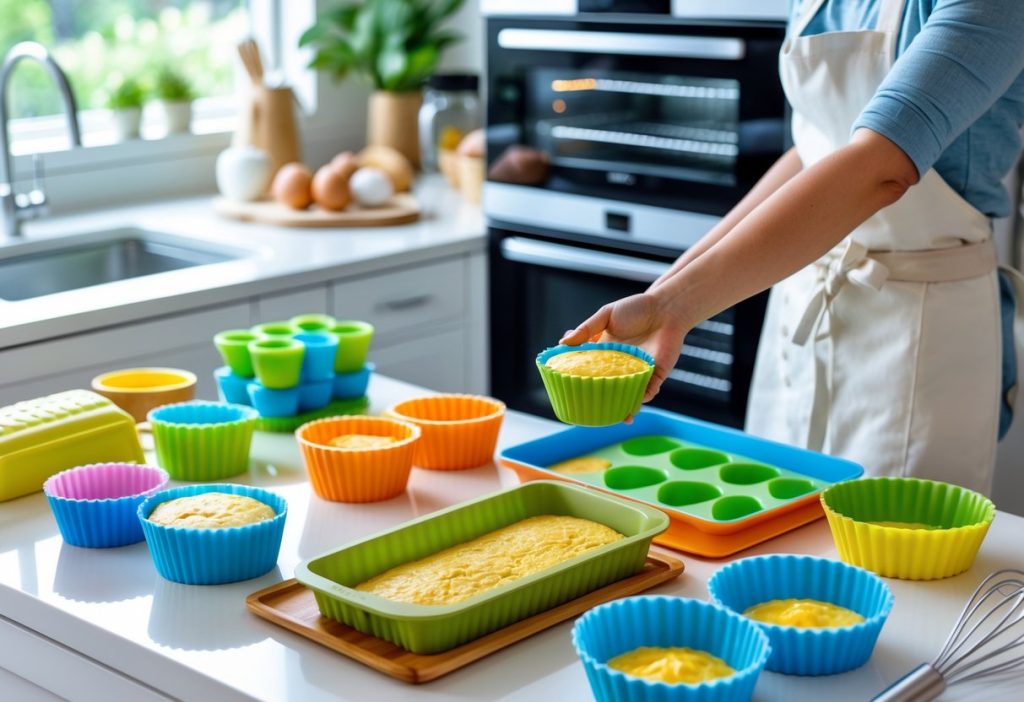
Silicone molds are popular in the kitchen for baking cakes, muffins, and chocolates. They’re also used for making ice cubes, soap, candles, and even craft projects. Their versatility depends on their heat resistance and non-stick surface.
Do you use your silicone molds only for food or for crafts too? Mixing their uses might require different cleaning methods to avoid damage or contamination. Knowing what you use your molds for helps you decide if dishwashing is a safe option.

Credit: www.amazon.com
Dishwasher Safety For Silicone Molds
Silicone molds are popular for baking and crafting. Many wonder if these molds are safe to clean in the dishwasher. Understanding dishwasher safety helps keep molds in good shape. It also ensures they last longer without damage. Let’s explore key points about using dishwashers with silicone molds.
Heat Resistance
Silicone molds can handle high temperatures. Most molds resist heat up to 450°F (232°C). Dishwashers use hot water but usually stay below this limit. This means heat alone rarely harms silicone molds in dishwashers. Still, avoid placing molds near heating elements. Direct contact with heating parts can cause melting or warping.
Detergent Effects
Dishwasher detergents are strong and designed to remove tough stains. These chemicals can sometimes affect silicone’s surface. Repeated washing might dull the mold’s shine or cause slight discoloration. Gentle detergents or dishwasher pods with fewer harsh chemicals are better choices. Avoid bleach or abrasive cleaners to protect the mold’s quality.
Potential Risks
- Molds may shift during washing, causing damage or deformation.
- Small or lightweight molds can fall into dishwasher parts.
- Improper placement can lead to uneven cleaning or residue buildup.
- Long exposure to heat and detergent might reduce mold flexibility.
Placing molds on the top rack helps reduce risks. Use a secure spot to keep molds stable during the cycle. Hand washing remains the safest option for delicate or expensive silicone molds.
Cleaning Silicone Molds By Hand
Cleaning silicone molds by hand ensures they stay in good shape for a long time. This method prevents damage that harsh machines might cause. Hand washing also helps remove food bits stuck in tiny crevices. It is gentle and effective, keeping the silicone flexible and safe for future use.
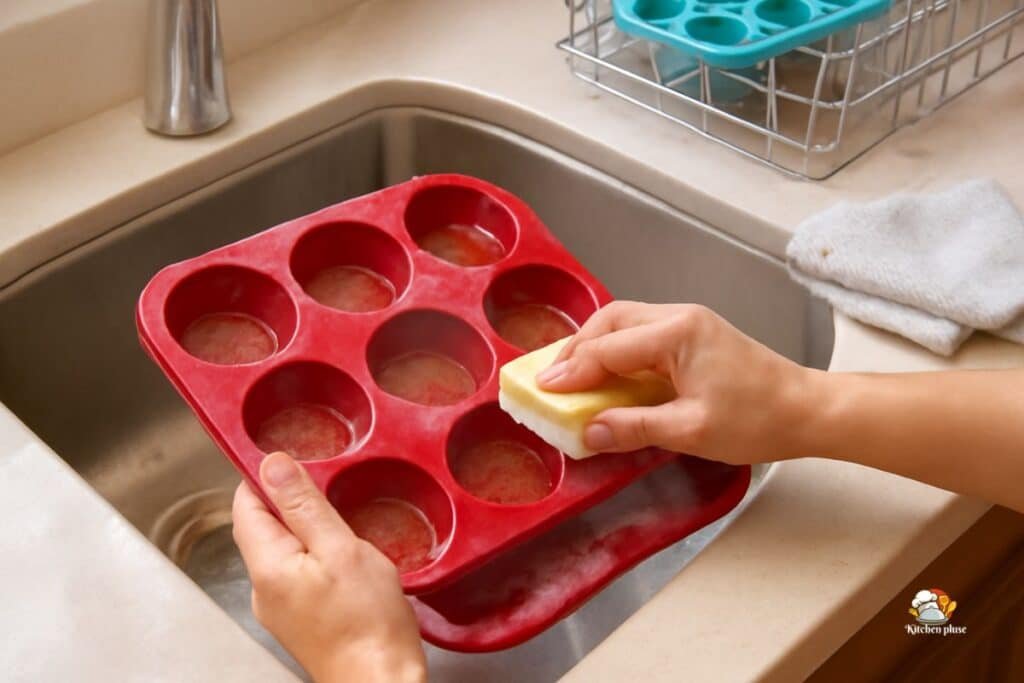
Start with warm water to soften any residue. Use a soft sponge or cloth to avoid scratching the mold. Avoid abrasive scrubbers that can damage the silicone surface. Gentle cleaning protects the mold’s shape and texture.
Best Cleaning Agents
Choose mild dish soap for cleaning silicone molds. It removes grease and food without harming the material. Avoid bleach or harsh chemicals that can degrade silicone. Natural cleaners like baking soda work well too. Mix baking soda with water to form a paste. Apply it gently to clean and freshen the mold.
Removing Stubborn Residue
For tough, stuck-on food, soak the mold in warm soapy water. Let it sit for 15 to 30 minutes. Use a soft brush to reach small corners and grooves. Rinse thoroughly to remove all soap and residue. Repeat soaking if residue remains. Avoid using sharp tools that can tear the silicone.
Tips For Dishwasher Cleaning
Cleaning silicone molds in the dishwasher can save time and effort. Proper care helps keep them in good shape. Follow these simple tips for effective dishwasher cleaning.
Proper Placement
Place silicone molds on the top rack only. This avoids direct contact with the heating element. Make sure molds do not touch other items. Leave space for water and soap to circulate well.
Cycle Selection
Choose a gentle or normal wash cycle. Avoid high heat or heavy-duty cycles. These can damage the silicone over time. Use a mild detergent to protect the material and keep it clean.
Drying And Storage
After washing, let molds air dry completely. Avoid using a towel that may leave lint. Store molds flat or hang them to keep their shape. Keep them in a clean, dry place to prevent dust and damage.
Avoiding Common Mistakes
Silicone molds are popular for baking and crafting due to their flexibility and durability. Cleaning them properly keeps them safe for reuse and extends their life. Avoiding common mistakes during cleaning helps maintain their shape and quality.
Using Harsh Chemicals
Harsh chemicals can damage silicone molds. Strong detergents or bleach may cause discoloration or weaken the material. Use mild soap and warm water instead. This keeps the mold safe and free from harmful residues.
Exposure To High Heat
Some silicone molds can handle heat well, but dishwasher high temperatures may be too much. High heat can warp or deform the mold. Place the mold on the top rack to avoid direct heat from dishwasher elements. Check heat limits before washing.
Ignoring Manufacturer Instructions
Each silicone mold has specific cleaning instructions. Ignoring them can cause damage or reduce the mold’s lifespan. Always read the manufacturer’s guide before washing. Follow the recommended methods for best results and safety.
Credit: kitchenpluse.com
Extending Mold Lifespan
Extending the lifespan of silicone molds helps save money and reduces waste. Proper care keeps the molds flexible and durable for repeated use. Simple habits can prevent damage and maintain the mold’s shape and texture.
Good maintenance and smart usage protect the mold from wear and tear. This allows you to enjoy perfect results every time you bake or craft.
Regular Maintenance
Clean silicone molds after each use. Use warm water and mild soap to remove residues. Avoid harsh scrubbers that can scratch or tear the mold surface.
Dry molds completely before storing them. Keep molds in a cool, dry place to prevent warping or mold growth. Check molds regularly for cracks or sticky spots. Clean gently if needed to keep them smooth and flexible.
Safe Usage Practices
Avoid sharp tools inside silicone molds to prevent cuts or holes. Use only non-metal utensils for removing items. Do not expose molds to temperatures beyond their limits. Most silicone molds can handle up to 428°F (220°C), but always check the label.
Do not place molds directly on heating elements or open flames. Use a baking tray under molds for stability and safety. Avoid strong chemicals or solvents during cleaning. These can break down the silicone over time.

Credit: www.amazon.com
Frequently Asked Questions
Can Silicone Molds Be Safely Washed In A Dishwasher?
Yes, most silicone molds are dishwasher safe. Place them on the top rack to avoid heat damage. Always check the manufacturer’s instructions for specific guidance.
Will Dishwasher Heat Damage Silicone Molds?
Dishwasher heat rarely damages silicone molds. Silicone can withstand high temperatures, but avoid extreme heat cycles to prolong mold life.
How Should Silicone Molds Be Placed In The Dishwasher?
Place silicone molds on the top rack of the dishwasher. This prevents direct contact with heating elements and reduces warping risk.
Can Dishwasher Detergents Affect Silicone Molds?
Dishwasher detergents are generally safe for silicone molds. However, harsh chemicals may degrade the silicone over time. Use mild detergents when possible.
Conclusion
Silicone molds can usually go in the dishwasher safely. Check the mold’s label or packaging first. Place the mold on the top rack to avoid damage. Use a gentle cycle and avoid high heat settings. Hand washing works well for delicate or older molds.
Keeping molds clean helps them last longer. Simple care makes baking easier and more fun. Remember, careful cleaning keeps your silicone molds in good shape.