Are you tired of standing by the sink, scrubbing silicone utensils after a long day? You’re not alone.
Many of us wonder if we can simply toss our silicone utensils into the dishwasher and let it do the dirty work. But is that really a safe option? Imagine freeing up your evenings, letting the dishwasher handle the mess, and enjoying more time for yourself.
We’ll explore whether silicone utensils can safely make their way into your dishwasher, saving you time and effort. Dive in to discover how you can streamline your kitchen routine without compromising on quality or safety.
Silicone Utensils Basics
Silicone utensils have become popular in many kitchens. They offer flexibility and durability that traditional materials lack. Understanding the basics of silicone utensils helps in caring for them properly. This section explains what silicone utensils are and their common uses in the kitchen.
What Are Silicone Utensils
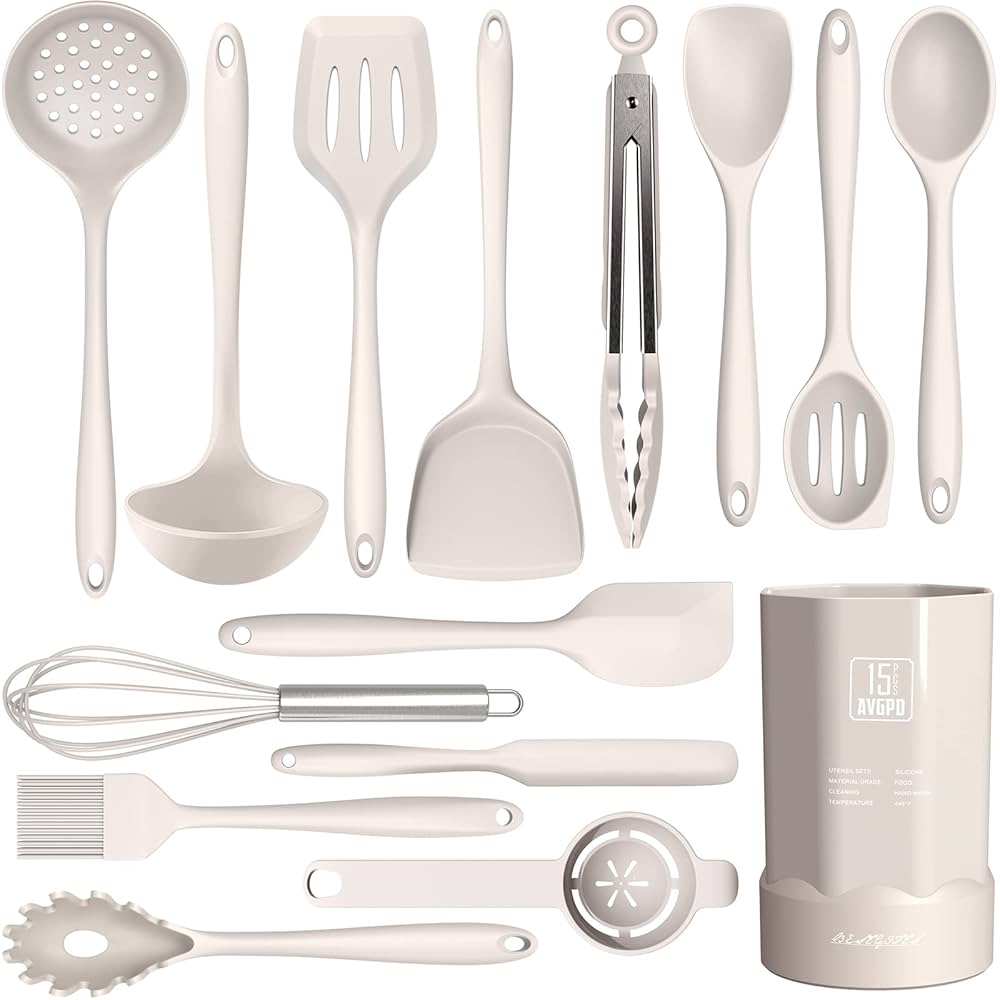
Silicone utensils are kitchen tools made from silicone rubber. This material is soft, flexible, and heat resistant. It can handle high cooking temperatures without melting or warping. Silicone is non-stick and safe for use with non-stick cookware. These utensils often have handles made of plastic, metal, or silicone for easy grip. They come in various shapes and sizes for different cooking tasks.
Common Uses In The Kitchen
Silicone utensils serve many functions in cooking and baking. They are perfect for stirring sauces and soups. Their soft edges prevent scratching pots and pans. Silicone spatulas scrape bowls clean, reducing food waste. They handle hot foods safely without melting. These utensils also work well for flipping pancakes and eggs. Many bakers use them to fold dough or batter gently. Their heat resistance makes them ideal for oven use too.
Dishwasher Safety For Silicone
Silicone utensils have grown popular in many kitchens. Their flexibility and non-stick nature make cooking easier. But many wonder if these utensils are safe in dishwashers. Understanding dishwasher safety for silicone helps keep your tools in good shape.
Heat Resistance Levels
Silicone can handle high temperatures, usually up to 400°F (204°C). Most dishwashers use hot water between 130°F and 160°F. This temperature is well below silicone’s heat limit, making it generally safe to wash in dishwashers.
Still, not all silicone products are the same. Some lower-quality silicone may have additives that reduce heat resistance. Check the manufacturer’s guidelines before placing utensils in the dishwasher.
Potential Risks In Dishwashers
Even though silicone resists heat, dishwashers pose some risks. High-pressure water jets can cause lightweight silicone items to move or flip. This may lead to poor cleaning or damage.
Harsh dishwasher detergents might also degrade silicone over time. They can cause discoloration or a sticky surface. Placing silicone utensils on the top rack reduces exposure to intense heat and detergent.
Repeated dishwasher cycles may shorten the life of silicone utensils. Hand washing can help them last longer. Using a gentle cycle and mild detergent minimizes wear and tear.
Manufacturer Recommendations
Manufacturer recommendations are key to keeping silicone utensils in good shape. They guide safe cleaning methods and help avoid damage. Following these tips ensures utensils last longer and stay safe for food use.
Reading Care Labels
Care labels on silicone utensils give clear washing instructions. Look for dishwasher-safe symbols or specific temperature limits. These labels tell if the utensil can handle dishwasher heat and detergent. Ignoring these details may cause warping or fading.
Labels also mention if hand washing is better. Some silicone items have wooden or metal parts that need special care. Always check the label before placing utensils in the dishwasher.
Variations Among Brands
Not all silicone utensils are made equally. Different brands use unique materials and designs. This affects how they react to dishwasher cleaning.
Some brands design utensils to be dishwasher-safe at high temperatures. Others suggest gentle cycles or top rack placement only. Check the brand’s website for specific care tips. Following these instructions helps avoid damage and keeps utensils looking new.

Credit: www.amazon.com
Washing Tips For Longevity
Silicone utensils are popular for their flexibility and heat resistance, but proper care is essential to keep them in great shape. Washing them correctly can extend their lifespan and maintain their appearance. Here are some practical tips to help your silicone tools last longer in the dishwasher.
Proper Loading Techniques
Place silicone utensils on the top rack of your dishwasher where the heat is gentler. Avoid overcrowding to ensure water and detergent reach all surfaces evenly. Keep utensils away from sharp objects that can scratch or puncture them.
Have you noticed how your silicone spatula sometimes gets misshapen after a dishwasher cycle? Loading it flat or hanging it in a utensil basket can prevent bending or folding during the wash.
Avoiding Damage And Deformation
High heat can warp silicone, so choose a dishwasher cycle with moderate temperatures. Avoid placing silicone utensils near heating elements or metal parts that get extremely hot. Using a gentle detergent helps maintain the material’s flexibility and color.
If you see any discoloration or stiffness, it might be time to switch to hand washing or a cooler dishwasher setting. Your silicone tools will thank you by staying soft and functional for longer.
Alternative Cleaning Methods
Sometimes, you might want to give your silicone utensils a little extra care beyond the dishwasher. Alternative cleaning methods can help remove stubborn stains and odors, keeping your tools fresh and ready for your next cooking adventure. These approaches are simple, effective, and use items you probably already have at home.
Hand Washing Best Practices
Hand washing your silicone utensils allows you to control the cleaning process better. Use warm water and mild dish soap to gently scrub away food residue. Avoid abrasive sponges that can damage the surface; instead, opt for soft cloths or non-scratch scrubbers.
Pay special attention to any grooves or textured areas where food might hide. Rinse thoroughly to remove all soap, preventing any residue that could affect taste. Have you noticed your utensils feeling sticky after washing? That’s often from soap buildup—rinsing well solves this issue.
Using Baking Soda And Vinegar
If your silicone utensils hold onto odors or stains, try a natural cleaning combo: baking soda and vinegar. Sprinkle baking soda over the utensil’s surface, then add a splash of white vinegar. The fizzing action helps lift grime and neutralize smells.
Let the mixture sit for about 10 minutes before scrubbing gently with a soft brush or cloth. Rinse with warm water and dry thoroughly. This method is a personal favorite for restoring silicone to its original look without harsh chemicals.

Credit: www.amazon.ca
Troubleshooting Common Issues
Silicone utensils are popular for their durability and heat resistance. Still, they can face issues after frequent dishwasher use. Common problems include stains, odors, warping, or melting. Understanding how to fix these problems helps keep your utensils in great shape.
Removing Stains And Odors
Silicone can absorb strong food colors and smells. To remove stains, soak utensils in a mixture of baking soda and warm water. Let them sit for several hours or overnight. Then, scrub gently with a soft brush.
To get rid of odors, try soaking silicone in white vinegar for 30 minutes. Rinse well afterward. Another way is to place utensils in direct sunlight for a few hours. Sunlight helps neutralize lingering smells naturally.
Dealing With Warping Or Melting
Silicone is heat resistant but can warp or melt if exposed to very high temperatures. Avoid placing utensils near heating elements or in dishwasher racks close to the heating coil.
If warping occurs, gently reshape the utensil by soaking it in hot water. Hold it in the correct shape until it cools. For melting, check the utensil’s heat tolerance before dishwasher use. Using lower heat settings in your dishwasher can also prevent damage.
Environmental Impact
Understanding the environmental impact of using silicone utensils in the dishwasher is crucial. It’s not just about convenience but also about how your choices affect waste and energy consumption. Let’s look at how silicone’s durability and dishwasher energy use play a role in your eco-friendly kitchen.
Silicone Durability And Waste
Silicone utensils last much longer than plastic ones, which means you replace them less often. This durability helps reduce the amount of waste heading to landfills. Have you ever noticed how flimsy plastic spoons break after a few uses? Silicone won’t snap or melt easily, so it’s a smarter buy for the environment.
Because silicone withstands heat and water well, it can safely go in the dishwasher without breaking down. This means you avoid the hassle of hand washing and keep your utensils cleaner for longer. When you use durable tools, you save resources in the long run.
Dishwasher Energy Usage
Running your dishwasher uses water and electricity, so it’s worth thinking about how often you wash your utensils this way. Silicone utensils clean quickly and don’t require pre-soaking or extra scrubbing, which can save energy during your wash cycle. Have you tried grouping all your silicone tools in one dishwasher load? It cuts down on the number of cycles needed.
To minimize environmental impact, consider waiting until your dishwasher is full before running it. Also, use eco-friendly or energy-saving dishwasher modes if available. Small habits like these add up and help you reduce your kitchen’s carbon footprint.

Credit: www.amazon.ca
Frequently Asked Questions
Can Silicone Utensils Be Washed In A Dishwasher Safely?
Yes, most silicone utensils are dishwasher safe. They can withstand high temperatures without damage. Always check the manufacturer’s instructions for confirmation.
Will Dishwasher Heat Damage Silicone Kitchen Tools?
No, silicone is heat resistant up to 400°F (204°C). Dishwasher heat cycles won’t damage or deform silicone utensils when used properly.
How To Place Silicone Utensils In The Dishwasher?
Place silicone utensils on the top rack. This avoids direct contact with heating elements and ensures thorough cleaning without warping.
Do Dishwasher Detergents Affect Silicone Utensils?
Dishwasher detergents are generally safe for silicone. Harsh chemicals might degrade silicone over time, so use mild detergents for longevity.
Conclusion
Silicone utensils usually handle dishwasher cleaning well. They resist heat and do not melt easily. Place them on the top rack for best results. Avoid harsh detergents to keep them lasting longer. Regular cleaning helps maintain their look and feel.
Small food bits wash away easily in the dishwasher. This makes silicone a practical choice for many kitchens. Remember to check the manufacturer’s instructions for care. Safe, simple, and convenient. Silicone utensils clean up without much fuss.