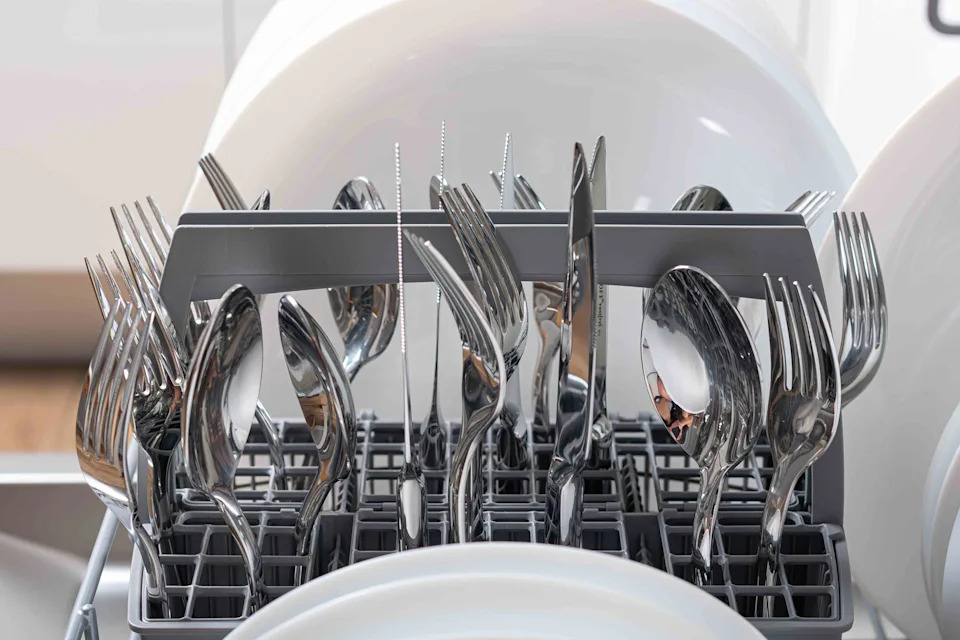
Is your silver plated silverware losing its shine? You might be wondering if the convenience of a dishwasher is causing more harm than good.
It’s a common concern for many who want to preserve the elegance and luster of their cherished dining pieces. You’ll discover the truth about putting silver plated silverware in the dishwasher. We’ll uncover the science behind the potential risks and reveal expert tips to keep your silverware looking as splendid as the day you got it.
Stay with us to learn how to make the best decision for your kitchen and ensure your silverware remains a dazzling centerpiece for years to come.
Silver Plated Silverware Basics
Understanding the basics of silver plated silverware is essential before deciding how to clean and care for it. Silver plating involves a delicate layer that can wear off if not treated properly. Knowing what silver plating is and where you commonly find silver plated silverware helps you protect your treasured pieces effectively.
What Is Silver Plating
Silver plating means a thin layer of silver is coated onto a base metal, like copper or nickel. This layer gives the appearance and some qualities of real silver but is much thinner and more fragile. Because the silver is only a surface layer, harsh cleaning methods can damage or remove it.
Have you ever noticed silverware that looks shiny but isn’t as heavy as pure silver? That’s likely silver plated. The plating gives you the look without the full cost, but it also means you need to be gentle when cleaning.
Common Uses Of Silver Plated Silverware
Silver plated silverware is popular for everyday dining sets, special occasion cutlery, and decorative serving pieces. Many families use silver plated forks, spoons, and knives because they offer elegance without the high price of solid silver.
You might also find silver plated pieces in antique collections or handed down as family heirlooms. These items often carry sentimental value, making proper care even more important.
- Flatware sets for holiday dinners
- Tea and coffee serving utensils
- Decorative trays and bowls
- Specialty knives and forks for entertaining
When you think about your silver plated silverware, ask yourself: How can I keep these pieces looking great for years without damaging the delicate silver layer?
Credit: kitchpulse.com
Dishwasher Impact On Silverware
Understanding how dishwashers affect silverware is crucial if you want to keep your silver-plated items looking their best. The dishwasher’s heat, water pressure, and detergent can have surprising effects on silverware’s finish and longevity. Let’s look at what happens during a dishwasher cycle and why it might not be the best choice for silver-plated pieces.
Effects Of Heat And Detergents
Dishwashers use high temperatures to clean effectively. This heat can cause the silver plating to expand and contract, leading to cracks or peeling over time. If you’ve ever noticed your silverware’s shine dulling after several dishwasher cycles, heat is often the culprit.
Detergents in dishwashers are designed to remove tough stains, but many contain harsh chemicals like bleach or phosphate. These chemicals can react with the silver plating, stripping away the protective layer. Your silverware might look clean, but it could be losing its silver coating bit by bit.
Risk Of Tarnishing And Damage
Tarnishing occurs when silver reacts with sulfur compounds in the environment, but dishwasher conditions can accelerate this process. The combination of moisture, heat, and detergent chemicals creates an environment where tarnish forms faster than usual.
Additionally, the force of water jets and contact with other utensils in the dishwasher can cause scratches or dents. Have you ever pulled out your silverware only to find tiny marks or chips? This damage is often from the dishwasher’s aggressive cleaning cycle.
To protect your silver-plated silverware, consider hand washing with mild soap and warm water instead. This simple change can extend the life of your silverware and keep it looking beautiful much longer.
Safe Cleaning Alternatives
Silver plated silverware requires special care to maintain its shine and prevent damage. Using the dishwasher can cause tarnishing and wear, so exploring safe cleaning alternatives is essential. Knowing how to clean your silverware properly ensures it stays beautiful for years.
Hand Washing Techniques
Hand washing is the safest way to clean silver plated items. Use warm water with a mild dish soap to avoid harsh chemicals that can strip the plating.
Gently wash each piece with a soft sponge or cloth, avoiding abrasive scrubbers that can scratch the surface. Rinse thoroughly with clean water and dry immediately with a soft towel to prevent water spots.
Have you ever noticed how quickly silverware looks dull after dishwasher cycles? Hand washing helps you control the cleaning process and protects the delicate finish.
Recommended Cleaning Products
Choose cleaning products specifically designed for silver plated items. Look for gentle silver polish creams or wipes that remove tarnish without scratching.
Avoid bleach, ammonia, or strong detergents, as they can damage the plating. Natural alternatives like baking soda mixed with water can also work well when used gently.
Try using a silver polishing cloth regularly to maintain the shine between washes. This simple tool can save you from frequent deep cleaning sessions and prolong the life of your silverware.

Credit: www.aol.com
Proper Storage Tips
Proper storage helps keep silver plated silverware beautiful and untarnished. Correct storage prevents scratches, moisture damage, and dullness. It also extends the life of your silverware and maintains its shine. Learning simple storage tips can protect your collection from common issues.
Avoiding Tarnish
Tarnish happens when silver reacts with air and moisture. Keep silverware dry and clean before storing it. Avoid storing silverware near rubber, paint, or food with sulfur. These substances speed up tarnish. Use anti-tarnish strips or cloths in storage areas. They absorb harmful gases and slow down tarnishing.
Store silverware in a low-humidity place. High moisture causes faster tarnish and corrosion. Make sure your storage area has good air circulation but is not humid. Regularly check your silverware for signs of tarnish. Clean gently if needed before returning to storage.
Best Storage Materials
Choose soft, non-abrasive materials for storing silverware. Avoid plastic bags or containers that trap moisture. Use cloth pouches, felt-lined boxes, or specially designed silver storage cases. These materials protect silver from scratches and tarnish.
- Use anti-tarnish cloths or bags made for silver
- Store each piece separately or with dividers to avoid scratching
- Keep silverware in a cool, dry place away from sunlight
Do not wrap silverware in newspaper or regular fabric. These materials can cause damage or accelerate tarnish. Investing in proper storage materials is simple and keeps your silverware looking new.
Restoration And Maintenance
Restoring and maintaining silver plated silverware keeps it looking bright and new. Proper care protects the thin silver layer from wearing off. Regular cleaning removes tarnish and prevents damage.
Handling silverware gently extends its life. Avoid harsh chemicals and abrasive tools. Use soft cloths and mild cleaners made for silver. Small, consistent efforts make a big difference.
Polishing Methods
Choose a polish designed for silver plating. Use a soft cloth or sponge to apply gently. Rub in small, circular motions to avoid scratches.
- Homemade polish: Mix baking soda and water into a paste. Apply softly, then rinse and dry well.
- Commercial polish: Follow the instructions carefully. Use sparingly to protect the silver layer.
- Soft brushes: Use for detailed areas, like engravings or patterns.
Always test polish on a small hidden spot first. Avoid over-polishing, as it can wear the silver plating thin.
When To Seek Professional Help
Look for signs like deep scratches, heavy tarnish, or worn plating. These issues need expert care to avoid damage.
- Professional cleaning: Experts use gentle tools and safe chemicals.
- Replating: A jeweler can restore the silver layer if it’s too thin or missing.
- Repairs: Fix dents or broken parts without harming the silver.
Visit a trusted professional for valuable or antique pieces. Proper restoration preserves both beauty and value.

Credit: www.yahoo.com
Frequently Asked Questions
Can Silver Plated Silverware Be Safely Washed In A Dishwasher?
Silver plated silverware is generally not dishwasher safe. The harsh detergents and high heat can damage the plating. Hand washing with mild soap and a soft cloth is recommended to preserve its shine and longevity.
What Happens If Silver Plated Silverware Goes In The Dishwasher?
Dishwasher detergents and heat can cause silver plating to tarnish or peel. Over time, repeated washing may wear down the silver layer, exposing the base metal beneath and ruining the appearance.
How Should I Clean Silver Plated Silverware Properly?
Clean silver plated silverware by hand using warm water and mild dish soap. Gently wash with a soft cloth or sponge, then dry immediately with a soft towel to avoid water spots and tarnish.
Can Dishwasher Detergent Damage Silver Plating?
Yes, dishwasher detergent contains harsh chemicals that can corrode and dull silver plating. These chemicals strip protective coatings and accelerate tarnishing, reducing the silverware’s lifespan and shine.
Conclusion
Silver plated silverware often suffers damage in dishwashers. The heat and strong detergents can wear off the silver layer. Hand washing with mild soap keeps your silverware shiny longer. Dry them immediately to avoid water spots and tarnish. Taking care by hand preserves the beauty and value of your pieces.
So, protect your silverware with gentle cleaning methods. It’s a small effort for lasting quality.