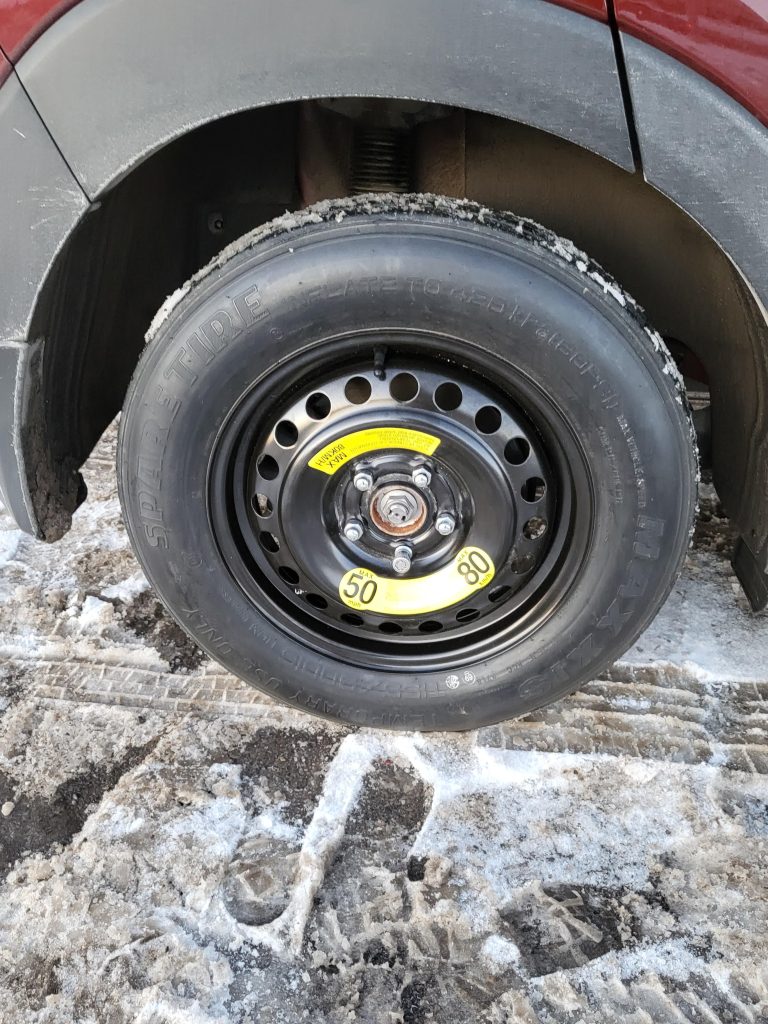
Have you ever wondered if a spare tire can fit any car you drive? When you face a flat tire, the last thing you want is confusion or delay.
Knowing whether a spare tire will work for your vehicle can save you time, stress, and even money. You’ll discover the truth about spare tires and how to make sure yours matches your car perfectly. Keep reading to avoid unexpected surprises on the road and stay prepared no matter where you go.
Credit: www.kianiroforum.com
Types Of Spare Tires
Spare tires come in different types to fit various cars. They serve as backups if a regular tire fails.
Knowing the types helps you choose the right spare for your vehicle and driving needs.
Full-size Spares
Full-size spares are the same size as regular tires. They provide the best performance and safety.
They can be driven on for a long distance and at normal speeds. Many trucks and SUVs use full-size spares.
Compact Spares
Compact spares are smaller and lighter than full-size tires. They save space and weight in the car.
- Take up less storage room
- Designed for short distances only
- Usually have lower speed limits
- Common in smaller cars
Drivers should replace compact spares with regular tires as soon as possible.
Temporary Spares
Temporary spares are lightweight and very small. They are meant for emergency use only.
| Feature | Description |
| Size | Smaller than compact spares |
| Speed Limit | Usually under 50 mph (80 km/h) |
| Distance Limit | Typically less than 50 miles (80 km) |
| Use | Short-term emergency only |
Temporary spares are best for quick fixes until you reach a tire shop.
How Spare Tires Differ
Spare tires are not the same for every car. They vary in size, tread, and strength.
Knowing these differences helps you choose the right spare for your vehicle.
Size Variations
Spare tires come in many sizes. Some are full-size, matching your regular tires exactly.
Others are smaller “donut” spares, made to save space but only for short use.
- Full-size spares match regular tires in diameter and width
- Compact spares are smaller in width and diameter
- Size affects how long you can drive on the spare
Tread Patterns
Tread patterns on spare tires often differ from regular tires. They may have less grip or a simpler design.
This difference helps save weight and space but can reduce traction on certain roads.
- Regular tires have full tread for all driving conditions
- Spare tires may have shallow or basic tread patterns
- Limited tread affects handling and braking
Load Capacity
Spare tires have load limits that differ from normal tires. They may carry less weight safely.
Using a spare beyond its load capacity can cause damage or accidents.
- Full-size spares usually match regular tire load ratings
- Compact spares have lower load capacity limits
- Check your vehicle’s manual for recommended load limits
Vehicle Compatibility Factors
Spare tires do not fit every car automatically. You need to check some key factors before using one.
Knowing these factors helps you pick a spare that works safely with your vehicle.
Bolt Pattern Matching
The bolt pattern is how the tire attaches to the wheel hub. It must match exactly for the spare tire to fit.
- Count the number of bolt holes
- Measure the diameter of the circle formed by the bolts
- Compare these numbers with your car’s original wheel specs
Wheel Diameter And Width
Spare tires should have a similar diameter and width to your car’s regular tires. This keeps the car balanced and safe.
| Dimension | Regular Tire | Spare Tire |
| Diameter | 15 inches | 14 to 15 inches |
| Width | 7 inches | 5 to 7 inches |
Offset And Backspacing
Offset and backspacing control how the tire sits on your car. They affect clearance around brakes and suspension parts.
Check these points for offset and backspacing:
- Offset is the distance from the wheel center to the mounting surface.
- Backspacing is the distance from the mounting surface to the back edge of the wheel.
- Mismatched offset or backspacing can cause rubbing or handling problems.
Risks Of Using Incompatible Spares
Using spare tires that do not match your car can cause serious problems. These risks affect your safety, vehicle condition, and legal standing.
It is important to understand the dangers before fitting any spare tire on your vehicle.
Handling And Safety Issues
Incompatible spares can change how your car drives. They may cause poor steering or braking. This can increase the chance of accidents.
- Uneven tire sizes affect vehicle balance
- Reduced traction on wet or icy roads
- Increased risk of tire blowouts at high speeds
- Longer stopping distances during emergency braking
Potential Vehicle Damage
Using the wrong spare tire can harm your car’s parts. Suspension and transmission systems may wear out faster. This leads to costly repairs.
| Vehicle Part | Possible Damage |
| Suspension | Uneven stress and wear |
| Transmission | Extra strain causing failure |
| Brakes | Imbalanced braking force |
| Tires | Uneven wear and tear |
Legal And Insurance Concerns
Fitting incompatible spare tires may break traffic laws. Insurance claims might be denied after accidents. This can leave you with high costs.
Key legal and insurance risks include:
- Failing vehicle safety inspections
- Voiding your insurance policy
- Penalties for using non-approved parts
- Liability issues in accidents
Checking Spare Tire Fitment
Spare tires are useful in emergencies. Not all spares fit every car. Checking fitment saves trouble later.
Use simple methods to make sure your spare tire matches your vehicle. This guide helps you check fitment correctly.
Consulting Vehicle Manual
Your vehicle manual has important information about the spare tire size and type. It shows what fits and what does not.
- Look for the tire size specifications
- Check the recommended tire pressure
- Note any warnings about spare tire limits
- Find instructions on installing the spare tire
Using Online Fitment Tools
Online fitment tools help you check if a spare tire fits your car. You enter your car’s make, model, and year.
| Tool | Features |
| Tire Manufacturer Sites | Match tires by size and type |
| Auto Parts Stores | Show compatible spares with filters |
| Car Forums | User advice and real fit examples |
Professional Inspection
A mechanic can check the spare tire fit for you. They use tools and experience to confirm the fitment.
- Bring your spare and car to the shop
- Technician measures the tire and wheel size
- Check bolt pattern and clearance
- Confirm proper tire pressure and condition
- Get advice on using the spare safely

Credit: www.reddit.com
Tips For Spare Tire Maintenance
Spare tires are useful in emergencies. Proper care keeps them ready to use.
Maintaining your spare tire helps avoid surprises on the road. Check it often.
Regular Pressure Checks
Check the spare tire’s air pressure once a month. Use a tire gauge for accuracy.
Keep the pressure at the level shown in your car manual. Low pressure can cause problems.
- Remove the tire cover to access the valve stem.
- Use a reliable tire pressure gauge.
- Add air if pressure is low.
- Do not overinflate the tire.
Storage Best Practices
Store your spare tire in a cool, dry place. Avoid direct sunlight and heat sources.
Keep the tire clean and dry. Dirt and moisture can damage the tire over time.
- Use a tire cover to protect from dust and sun.
- Keep the tire off the ground if possible.
- Check for cracks or damage regularly.
Replacement Timeframes
Spare tires do not last forever. Replace them every 6 to 10 years.
Check the tire’s sidewall for the manufacturing date. Use this to track age.
- Replace if tire shows cracks or dry rot.
- Do not use spares past their recommended age.
- Consult your car manual for specific advice.
Alternatives To Spare Tires
Not all cars can fit spare tires. Some drivers look for other options to handle flat tires.
These alternatives help you stay safe and keep driving without carrying a spare tire.
Tire Repair Kits
Tire repair kits fix small holes or leaks in tires. They are easy to carry and use.
The kits usually have sealant and an air compressor. You inject sealant into the tire and then inflate it.
- Lightweight and compact for easy storage
- Work best for small punctures
- Temporary fix to reach a repair shop
Run-flat Tires
Run-flat tires let you drive short distances after a puncture. They support the car without air.
These tires have reinforced sidewalls. You can usually drive 50 miles at low speed to get help.
- No need to change the tire immediately
- Often found on newer cars
- More expensive than regular tires
Roadside Assistance Options
Roadside assistance services help drivers with flat tires. They send professionals to fix or replace tires.
Many car insurance plans or auto clubs include this service. It reduces the need for carrying spare tires.
- Tire change or repair at your location
- Available 24/7 in many areas
- Peace of mind during emergencies

Credit: www.reddit.com
Frequently Asked Questions
Can Spare Tires Fit All Car Models?
No, spare tires don’t fit all cars. They must match the car’s size and specifications. Always check your car manual before using a spare tire.
Are All Spare Tires The Same Size?
No, spare tire sizes vary. Compact spares are smaller, full-size spares match regular tires. Size depends on the car’s make and model.
How Long Can You Drive On A Spare Tire?
You should drive on a spare tire only short distances. Typically, no more than 50-70 miles at lower speeds. It’s a temporary solution until a proper tire is fixed.
Can I Use A Spare Tire Permanently?
No, spare tires are temporary. They lack durability for long-term use. Replace them with a regular tire as soon as possible for safety.
Conclusion
Spare tires do not fit every car model. Size and design matter a lot. Always check your car’s manual first. Using the wrong spare tire can be unsafe. Some cars need special spares or repair kits. Keep your spare tire ready and in good shape.
It helps during unexpected tire problems. Knowing your car’s needs saves time and stress. A proper spare tire keeps you moving safely. Don’t guess—make sure your spare fits your car.