Have you ever vacuumed up a spider, only to worry later if it might crawl back out? You’re not alone.
This common concern leaves many of us wondering about the resilience of these eight-legged creatures. Are they capable of surviving the whirlwind inside your vacuum cleaner? And more importantly, could they make a surprise reappearance in your home? You’re about to uncover the truth behind this creepy-crawly mystery.
Stick with us, and we’ll explore whether your vacuum is truly the end for these tiny escape artists or if they might stage a comeback. Prepare to have your curiosity piqued and your fears addressed as we delve into the question: Can spiders crawl out of vacuums?

Credit: www.bhg.com.au
Spider Behavior In Confined Spaces
Spiders display unique behaviors when trapped in tight or confined spaces like a vacuum cleaner. Understanding these behaviors can help you figure out if a spider trapped in your vacuum can escape. Their survival instincts kick in strongly in such scenarios, prompting reactions that might surprise you.
How Spiders React To Vacuum Suction
Spiders sense sudden changes in air pressure and vibrations caused by vacuum suction. This often triggers a freeze response, where they stay still to avoid detection. Some spiders try to cling tightly to surfaces inside the vacuum to resist being sucked in.
Once inside the vacuum, spiders may move cautiously to find an exit. Their small size and agility allow them to crawl through narrow gaps within the vacuum chamber. Have you ever wondered if the spider you vacuumed is still hiding somewhere inside?
Survival Mechanisms Of Spiders
Spiders possess several survival tactics that work even in confined spaces. Their exoskeleton provides protection against physical damage during the vacuuming process. Additionally, spiders can slow their metabolism, which helps them survive longer without food or water.
- Ability to cling to surfaces to avoid being sucked further
- Using silk to anchor themselves temporarily
- Rapid movement to navigate tight spots and find escape routes
These survival mechanisms make it possible for some spiders to crawl out of vacuums if given the chance. Would you consider checking your vacuum more carefully after every use to prevent an unexpected spider encounter?
Credit: us.narwal.com
Vacuum Design And Its Impact
The design of a vacuum cleaner plays a key role in its ability to trap spiders. Different vacuums have different chambers and suction systems that affect whether spiders can escape. Understanding these designs helps explain why some spiders might survive inside while others do not.
Types Of Vacuums And Their Effectiveness
Vacuum cleaners come in several types. Each type handles debris and insects differently. Here are common types:
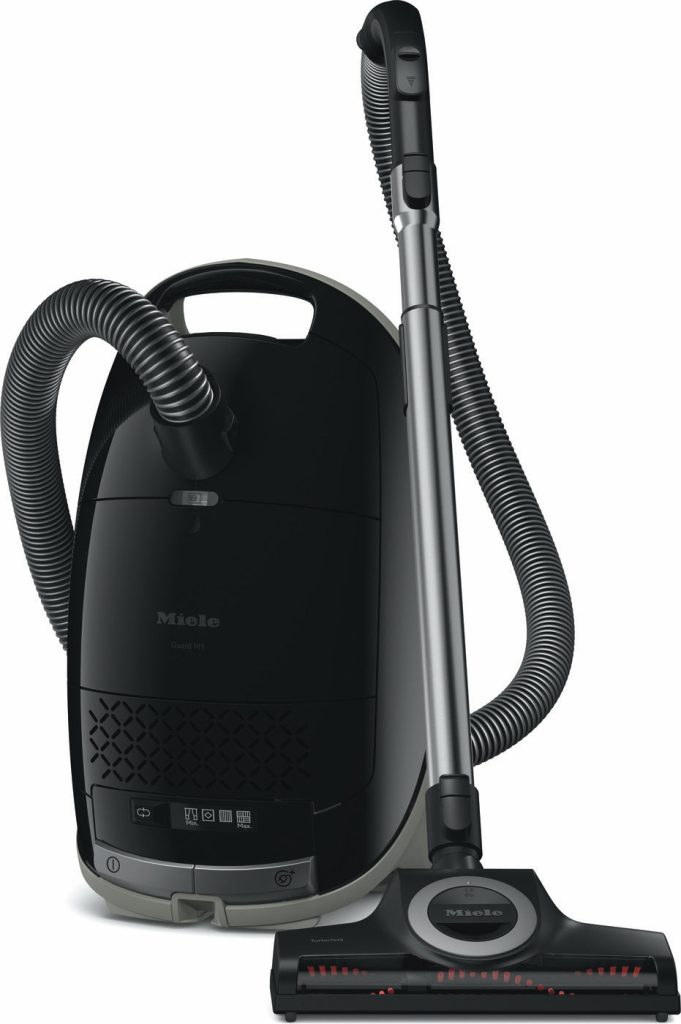
- Bagged Vacuums:These collect dirt in a sealed bag. Once inside, spiders have little chance to escape.
- Bagless Vacuums:They trap debris in a clear canister. Spiders can sometimes cling to the sides or hide in crevices.
- Wet/Dry Vacuums:These powerful vacuums can suck up spiders with strong suction. Spiders usually cannot survive the wet environment.
- Handheld Vacuums:Smaller capacity and less suction. Spiders may escape if the chamber is not airtight.
Can Spiders Escape Vacuum Chambers?
Spiders may try to climb out of vacuum chambers. The chance depends on the vacuum’s design and strength of suction.
Bagged vacuums seal spiders inside tightly. Escape is nearly impossible.
Bagless vacuums have smooth walls but gaps near the lid. Some spiders can find tiny openings to crawl out.
Vacuum chambers with strong airflow and sealed lids prevent spiders from escaping.
Regular emptying and cleaning reduce the chance of spiders surviving inside.
Scientific Experiments And Findings
Scientists have explored whether spiders can escape from vacuums through careful experiments. These studies test spider survival and behavior inside vacuum cleaners. The findings help us understand if spiders can crawl out after being sucked in.
Researchers use different spider species and vacuum models to see what happens inside. They observe spider movement, survival rate, and escape attempts. These experiments reveal surprising facts about spider resilience and limits.
Studies On Spiders Inside Vacuums
Experiments show most spiders do not survive strong suction. Many spiders get trapped or injured inside vacuum chambers. Some species can cling tightly to surfaces, resisting suction force.
Scientists tested spider escape by turning off the vacuum and watching their behavior. Results indicate only a few spiders manage to crawl out. Others remain stuck or too weak to move.
- Spider species with stronger legs resist vacuum pressure better.
- Vacuum type and power influence spider survival and escape chances.
- Soft vacuum bags may allow more spider movement than hard canisters.
Real-life Observations
People report seeing spiders inside vacuums days after cleaning. Some spiders appear alive and try to crawl out slowly. These stories match scientific findings about spider endurance.
Home vacuuming often does not kill all spiders immediately. Those trapped might hide or stay motionless to survive. Observing vacuums after use can confirm if spiders remain inside.
- Spiders can survive short periods inside vacuums without air or food.
- Vacuum suction rarely kills instantly but causes injuries over time.
- Spider escape depends on vacuum design and spider’s physical traits.
What Happens After Vacuuming Spiders
Vacuuming spiders can seem like a quick fix to remove them from your home. But what happens after the spider enters the vacuum? Understanding this helps in managing spider problems better. Some spiders might survive, while others do not. Knowing the signs of spider activity after vacuuming is useful to decide your next steps.
Spider Survival Rates
Most spiders do not survive inside a vacuum cleaner. The suction is strong and can cause injury. The vacuum bag or container is usually dark and dry. This environment is not friendly for spiders.
Some small or tough spiders might survive for a short time. They can cling to vacuum parts or dust. But without food or moisture, they usually die quickly. Vacuum cleaners with bags trap spiders more effectively. Bagless vacuums may allow some spiders to escape.
Signs Of Spider Activity Post-vacuuming
- Seeing spiders again soon after vacuuming.
- New webs appearing in corners or under furniture.
- Small spider droppings or shed skins near walls.
- Movement or small shadows in dark, quiet areas.
These signs show some spiders survived or new ones moved in. Regular cleaning and vacuum maintenance reduce spider return. Empty the vacuum bag or container outside immediately. This prevents trapped spiders from crawling back inside.
Tips To Prevent Spider Encounters
Dealing with spiders around your home can be unsettling, especially if you’re unsure whether they can escape your vacuum. Taking proactive steps to prevent spider encounters not only keeps your living space cleaner but also reduces the chances of unexpected surprises. Let’s look at practical tips that help you manage spider presence effectively.
Vacuuming Strategies To Eliminate Spiders
Vacuuming is a powerful tool to catch spiders, but your approach matters. Use a vacuum with strong suction and a sealed bag or container to trap spiders securely. Empty the vacuum bag or canister immediately after use and dispose of the contents outside to avoid any chance of spiders crawling back in.
Try vacuuming corners, baseboards, and dark areas where spiders like to hide. Don’t forget to clean under furniture and behind appliances regularly. These spots often serve as spider hotspots.
Have you noticed how some vacuums come with attachments? Use a crevice tool to reach tight spaces where spiders may lurk. This small adjustment can make a big difference.
Home Maintenance To Reduce Spider Presence
Spiders enter homes through cracks and gaps. Seal windows, doors, and foundation cracks with weatherstripping or caulk to block their entry points. This simple fix can drastically lower the number of spiders inside.
Keep your home clutter-free. Spiders love hiding in piles of clothes, boxes, and stacked items. Organize storage areas and regularly declutter to eliminate their favorite hiding spots.
Outdoor lighting can attract insects, which in turn attract spiders. Consider switching to yellow or sodium vapor bulbs that are less appealing to bugs. This change reduces the food source for spiders near your home’s entrance.
Do you check your plants and garden regularly? Trim overgrown vegetation away from your house walls to prevent spiders from using these as bridges to enter your home.
Credit: us.narwal.com
Frequently Asked Questions
Can Spiders Survive Inside A Vacuum Cleaner?
Yes, some spiders can survive inside vacuums due to their resilience and air pockets. However, many die from lack of oxygen or suction force.
Why Do Spiders Sometimes Crawl Out Of Vacuums?
Spiders may crawl out if the vacuum lacks strong suction or if trapped in a detachable container where they find air and light.
How To Prevent Spiders From Escaping Vacuum Cleaners?
Empty vacuum bags or bins immediately after use. Seal the contents in a plastic bag and clean the vacuum regularly to prevent escape.
Are All Spiders Killed By Vacuum Suction?
Not all spiders die instantly from vacuum suction. Larger or tougher spiders can survive the suction and may escape if the vacuum isn’t emptied quickly.
Conclusion
Spiders usually cannot crawl out of vacuums once sucked inside. The suction and enclosed space keep them trapped. Still, some tiny spiders might survive briefly. Cleaning the vacuum regularly helps prevent spider problems. Knowing this can ease worries about hidden spiders.
Vacuuming remains a safe and effective way to remove unwanted pests. Always empty the vacuum bag or canister outside. This stops spiders from coming back indoors. Simple steps keep your home spider-free and clean.