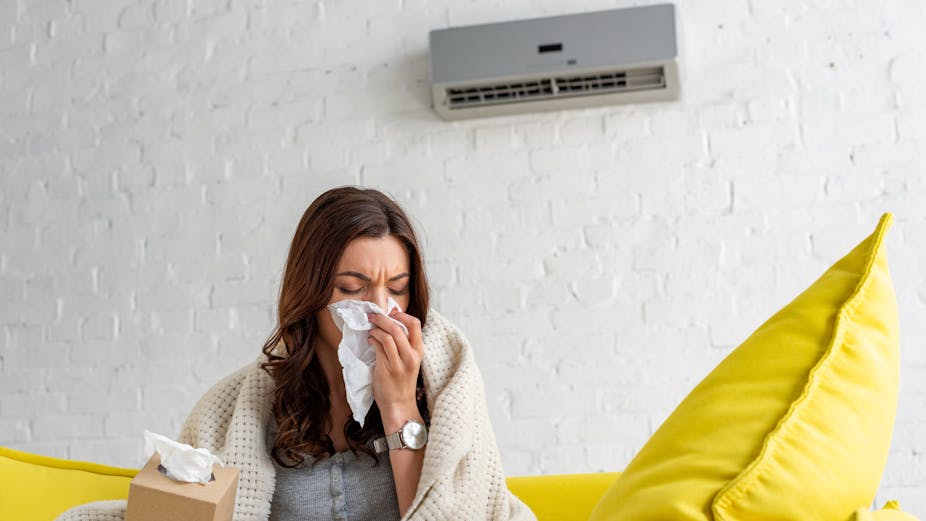
Have you ever wondered if your air conditioner could be making you sick? You rely on it to keep cool and comfortable, but what if it’s doing more harm than good?
Your health might be at risk without you even realizing it. You’ll discover the surprising ways your AC can affect your well-being and what simple steps you can take to protect yourself. Keep reading to find out how to stay cool and stay healthy.

Credit: globalcoolair.com.au
How Air Conditioners Affect Health
Air conditioners can spread germs and bacteriaif not cleaned well. Dust and moisture inside can grow harmful microbes. These can travel in the air and cause sickness.
The respiratory systemis very sensitive. Breathing in cold, dry air can irritate the nose and throat. This may cause coughing or a sore throat. People with weak lungs may feel worse.
For those with allergies or asthma, air conditioners can be a problem. Dust, mold, and pollen trapped inside can trigger attacks. Cleaning filters often helps reduce these risks.
Common Illnesses Linked To Ac Use
Cold and flu symptomscan worsen in rooms with air conditioning. AC units sometimes spread viruses if filters are dirty. Dry air from AC can dry out the nose and throat. This makes it easier to catch colds and flu.
Legionnaires’ diseaseis a rare but serious illness linked to AC systems. It comes from bacteria that grow in water tanks or cooling towers. Breathing in contaminated air can cause lung infections. Regular cleaning of AC systems helps prevent this disease.
Air conditioning often causes dry skin and irritation. The cool air removes moisture from the skin. This can lead to itching, redness, or flaking. Using a moisturizer can help protect the skin from drying out.
Factors That Increase Health Risks
Poor maintenanceof air conditioners can cause health problems. Dirty filters collect dust and bacteria. These particles spread through the air you breathe. This can lead to allergiesand respiratory issues.
Improper temperature settingsmay also cause sickness. Too cold air can make your body weak. It may cause cold symptomsor muscle stiffness. Too warm air may help germs grow.
High humidity levelsin rooms with air conditioners can lead to mold growth. Mold spores cause allergiesand lung problems. Keeping humidity balanced helps avoid these risks.

Credit: theconversation.com
Preventive Measures For Safe Ac Use
Regular cleaning and servicingof air conditioners keep them free from dust and germs. Dirty filters can spread bacteriaand mold, causing sickness. Schedule cleaning every few months for safe use.
Set the AC to an optimal temperaturebetween 24-26°C (75-78°F). This prevents cold airthat can harm your body. Maintain humidityaround 40-60% to stop dry air or moisture buildup.
- Use air purifiersto remove dust and allergens.
- Keep rooms well ventilatedto allow fresh air in.
- Open windows sometimes for better air flow.
When To See A Doctor
Exposure to an air conditioner can cause symptoms like coughing, sneezing, and sore throat. Watch out for persistent headaches, chills, or fever. These signs may show an illness from AC use.
Seek medical help if symptoms last more than a few days. Difficulty breathing or chest pain needs urgent care. A doctor can check for infections or allergies caused by AC air.
| Treatment Options | Description |
|---|---|
| Rest and Hydration | Helps the body recover from minor AC-related sickness. |
| Medication | Doctors may prescribe antihistaminesor antibioticsfor allergies or infections. |
| Air Quality Improvement | Cleaning and maintaining the AC unit reduces germs and dust. |

Credit: www.1news.co.nz
Frequently Asked Questions
Can Air Conditioning Cause Respiratory Issues?
Yes, air conditioning can dry out indoor air, leading to respiratory issues. It can aggravate conditions like asthma and allergies. Regular maintenance and using air purifiers can help mitigate these effects.
Does Air Conditioning Spread Germs?
Air conditioning systems can circulate germs if not properly maintained. Dirty filters and ducts can harbor bacteria and mold. Regular cleaning and maintenance are crucial to prevent germ spread.
Can Ac Cause Dry Skin And Eyes?
Yes, air conditioning can reduce indoor humidity, causing dry skin and eyes. Using a humidifier can help maintain moisture levels. Regularly moisturizing skin and using eye drops can also alleviate dryness.
Is It Safe To Sleep With The Ac On?
Sleeping with the AC on is generally safe if used correctly. Set the temperature to a comfortable level and ensure proper ventilation. Avoid setting it too cold to prevent dryness and discomfort.
Conclusion
Air conditioners can sometimes spread germs if not cleaned well. Regular maintenance keeps the air fresh and healthy. Change filters often to stop dust and bacteria build-up. Good airflow helps your body stay comfortable and safe. Stay aware of your AC’s condition to avoid sickness.
Clean, cool air supports better health every day. Don’t ignore strange smells or noises from your unit. Taking simple steps protects you and your family’s well-being. A healthy home starts with clean air and smart care.