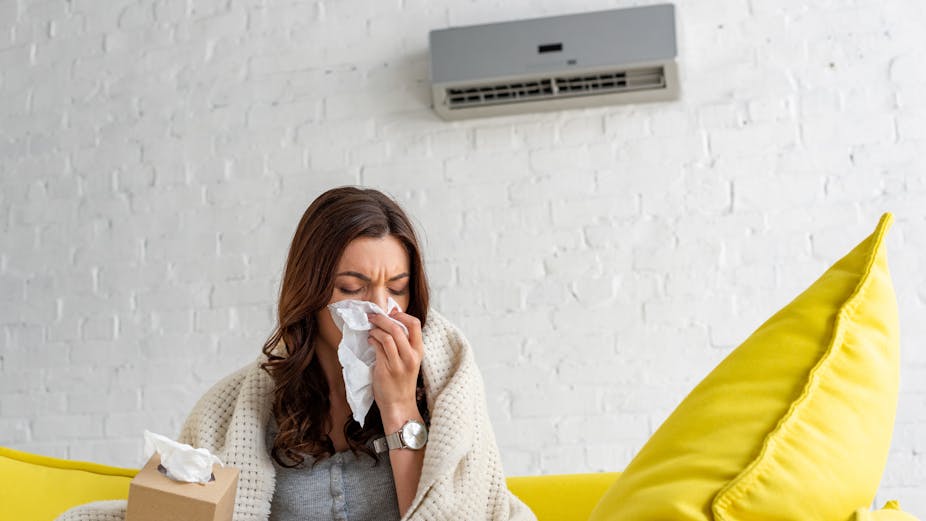
Have you ever wondered if your air conditioner could be making you feel worse instead of better? You rely on it to keep cool and comfortable, especially during hot days.
But what if the very thing meant to help you is secretly causing health problems? From sneezing and headaches to more serious issues, your AC might be playing a surprising role in how you feel. Keep reading to find out how your air conditioner can affect your health—and what you can do to stay safe and comfortable.

Credit: www.1news.co.nz
How Air Conditioners Affect Health
Air conditioners cool indoor spaces by removing heat and moisture. They help us stay comfortable in hot weather. But using them a lot can sometimes affect health.
Understanding how air conditioners impact health can help you use them safely. Some problems come from poor maintenance or bad air quality.
Common Symptoms Linked To Ac Use
Many people notice symptoms after spending time in air-conditioned rooms. These symptoms may include headaches, dry skin, or tiredness.
- Dry or irritated eyes
- Dry throat and cough
- Headaches and dizziness
- Allergic reactions like sneezing
- Muscle stiffness or joint pain
These symptoms often happen because air conditioners lower humidity and can spread dust or mold if not cleaned well.
The Role Of Air Quality
Air conditioners filter and circulate indoor air. If filters are dirty, they can release dust and germs into the air.
| Air Quality Factor | Effect on Health |
|---|---|
| Dirty filters | Spread dust and allergens |
| Low humidity | Causes dry skin and throat |
| Mold growth | Triggers allergies and asthma |
| Poor ventilation | Builds up indoor pollutants |
Regular cleaning and using a humidifier can improve air quality. Good air quality lowers the risk of getting sick from air conditioning.
Airborne Contaminants And Ac Systems
Air conditioners can affect indoor air quality. They may spread contaminants that cause health problems.
It is important to understand how AC systems can harbor and move harmful particles in the air.
Mold And Bacteria Growth
AC systems often have moist parts where mold and bacteria grow. These organisms release spores and germs into the air.
- Dirty filters trap moisture and dust, helping mold grow
- Condensation pans can collect water and become breeding grounds
- Fans can spread spores and bacteria throughout rooms
- Blocked drains cause water buildup, increasing mold risk
Dust And Allergens Circulation
Air conditioners move dust and allergens inside homes. This can worsen allergies and respiratory issues.
| Source | Effect |
|---|---|
| Old or dirty filters | Spread dust and pollen |
| Unclean vents | Release pet dander and dust mites |
| Recirculating air | Concentrates allergens in rooms |
| Poor ventilation | Reduces fresh air, increasing irritants |
Cold Air And Respiratory Issues
Air conditioners cool indoor air by removing heat and humidity. This process can affect your respiratory health in some ways. Cold air from the AC can cause problems for some people.
Understanding how cold air impacts breathing helps you avoid discomfort. Two main concerns are dryness and irritation, and triggering asthma and bronchitis.
Dryness And Irritation
Cold air from air conditioners often feels dry. This dryness can irritate your nose, throat, and lungs. It may cause discomfort or increase the risk of infections.
- Dry air can make your nasal passages feel itchy or sore.
- Your throat might become scratchy or irritated.
- Dryness can reduce the natural mucus that protects your lungs.
- Skin and eyes may also feel dry and uncomfortable.
Triggering Asthma And Bronchitis
Cold air can make asthma and bronchitis symptoms worse. It tightens the airways and causes coughing or wheezing. People with these conditions should be careful around air conditioning.
| Condition | Effect of Cold Air | Precautions |
| Asthma | Airways tighten, causing wheezing | Use a humidifier, avoid direct cold air |
| Bronchitis | Increased coughing and mucus | Keep rooms warm, stay hydrated |

Credit: globalcoolair.com.au
Preventing Ac-related Health Problems
Air conditioners help keep us cool, but they can cause health issues if not used properly. Some problems come from dirty AC units or wrong settings. Taking care of your AC can stop these problems.
This guide explains simple ways to keep your air conditioner safe for your health. Follow these tips to avoid getting sick from your AC.
Regular Cleaning And Maintenance
Cleaning your AC regularly stops dust and germs from spreading in the air. Dirty filters and vents can cause allergies and breathing problems. Check your AC every month and clean it well.
Hire a professional to service your AC at least once a year. They will clean parts you cannot reach and fix any issues. This keeps your AC working well and your air fresh.
Using Air Purifiers And Filters
Air purifiers can help remove dust, pollen, and bacteria from the air. Using good quality filters in your AC also improves air quality. Change filters often to keep them effective.
- Choose HEPA filters for better air cleaning
- Replace filters every 1 to 3 months
- Use air purifiers in rooms with poor ventilation
Clean filters and purifiers reduce the risk of lung infections and allergies. They help keep the air healthy to breathe.
Optimal Temperature Settings
Setting your AC to a comfortable temperature stops health problems like dry skin and cold symptoms. Avoid very cold air as it can cause sore throats and headaches.
- Keep the temperature between 23°C and 26°C (73°F to 79°F)
- Use a timer to avoid running AC all day
- Close doors and windows to keep air steady
Balanced temperature helps your body adjust without stress. It also saves energy and lowers your bills.
When To Seek Medical Advice
Air conditioners help cool our homes but can sometimes cause health problems. It is important to know when to see a doctor if you feel sick after using an air conditioner.
Some symptoms may need medical attention, especially if they last long or get worse. Learning to recognize these signs can protect your health.
Persistent Symptoms
If your symptoms last more than a few days, you should consider medical advice. Common issues linked to air conditioning include dry throat, cough, or headaches.
- Ongoing cough lasting over a week
- Continuous headaches or dizziness
- Persistent dry or sore throat
- Eye irritation that does not improve
- Fatigue or feeling weak for several days
Identifying Serious Conditions
Some health issues from air conditioners can be serious. These need prompt medical care to avoid complications.
| Condition | Signs to Watch For | Action Needed |
| Legionnaires’ Disease | High fever, cough, muscle pain | See a doctor immediately |
| Allergic Reactions | Severe sneezing, rash, swelling | Seek medical help quickly |
| Asthma Attacks | Shortness of breath, chest tightness | Use inhaler and visit doctor |
| Respiratory Infections | Fever, chills, persistent cough | Consult healthcare provider |

Credit: theconversation.com
Frequently Asked Questions
Can Air Conditioners Cause Respiratory Problems?
Yes, poorly maintained air conditioners can harbor bacteria and mold. This can trigger allergies and respiratory issues in sensitive individuals.
How Does Ac Affect Indoor Air Quality?
Air conditioners can reduce humidity and filter air. However, dirty filters may circulate dust and allergens, lowering air quality.
What Health Issues Are Linked To Air Conditioners?
Exposure to cold air from AC can cause dry skin, sore throat, and cold-like symptoms. Long-term exposure may worsen asthma.
How To Prevent Sickness From Air Conditioners?
Regularly clean and service your AC unit. Change filters monthly and maintain proper humidity levels to avoid health risks.
Conclusion
Air conditioners can affect your health if not maintained well. Dirty filters spread germs. This can cause allergies and respiratory issues. Regular cleaning is crucial. Fresh air circulation is important too. Open windows occasionally for ventilation. Use a humidifier if the air feels dry.
Stay hydrated to counteract dry conditions. Set a comfortable temperature. Too cold can lead to discomfort. Balance is key. A properly used air conditioner offers comfort without health risks. Keep these tips in mind for a healthy environment.