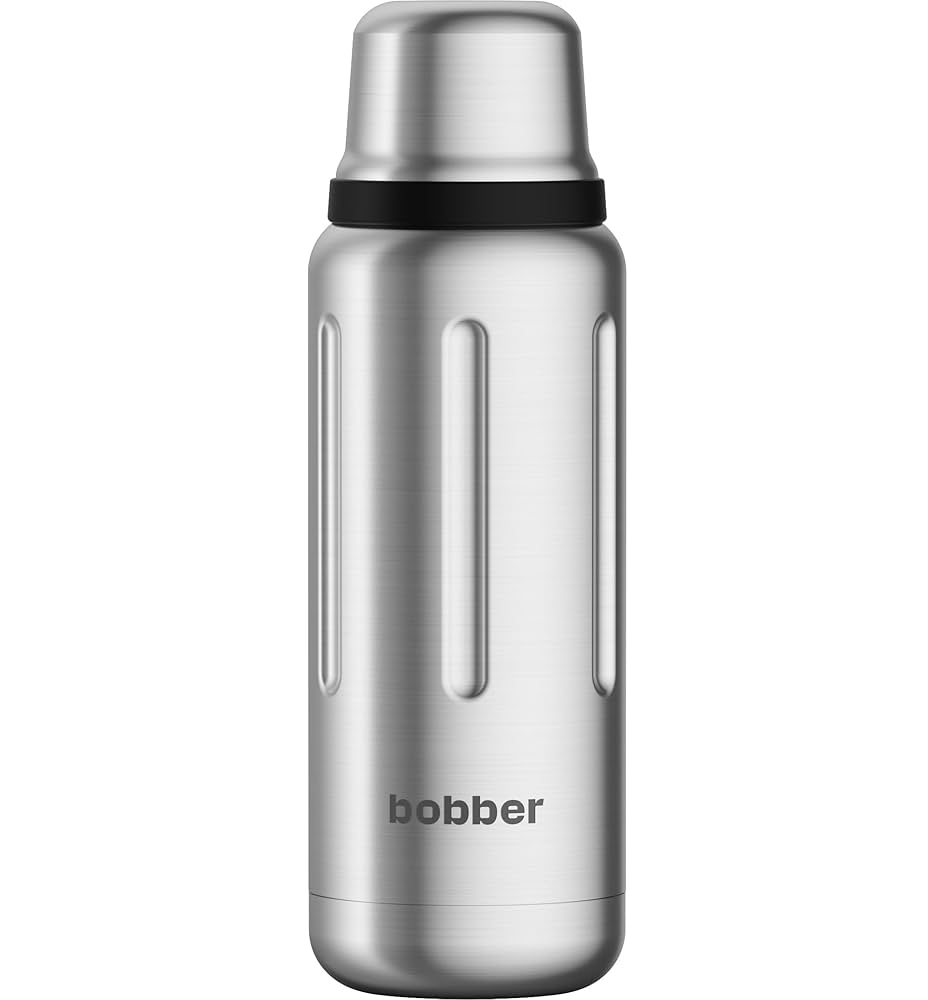
Have you ever stood by the sink, Thermos in hand, wondering if you could just toss it in the dishwasher instead of scrubbing it clean? You’re not alone.
This simple question can lead to a cascade of doubts about preserving the longevity and performance of your favorite travel companion. We’ll unravel the mystery of whether your Thermos can safely take a spin in the dishwasher. Discover the hidden secrets that could save you time, effort, and perhaps even extend the life of your trusty Thermos.
Stay with us as we delve into the details, ensuring you never have to second-guess your cleaning routine again.
Thermos Dishwasher Safety
Thermos dishwasher safety is important for keeping your container in good shape. Not all thermoses are built the same. Some materials tolerate dishwashers well, while others do not. Understanding these differences helps protect your thermos from damage.
Materials And Dishwasher Compatibility
Thermoses come in different materials like stainless steel, plastic, and glass. Stainless steel thermoses often handle dishwashers better. Plastic parts may warp or melt under high heat. Glass thermoses can break if not placed carefully.
- Stainless steel: Usually dishwasher safe but check the lid.
- Plastic: Often not dishwasher safe, especially in the bottom rack.
- Glass: Fragile, best washed by hand.
Heat and strong detergents in dishwashers can wear down seals and paint. This can reduce your thermos’s insulation and appearance.
Manufacturer Guidelines To Follow
Always read the manufacturer’s instructions before putting your thermos in a dishwasher. These guidelines specify what parts are dishwasher safe. Some lids must be hand washed to avoid damage.
- Check labels or user manuals for dishwasher warnings.
- Follow care tips to keep seals and coatings intact.
- Use the top rack only if allowed.
Ignoring these guidelines can lead to leaks, loss of temperature control, or cracks. Protect your thermos by following the advice given by the maker.

Credit: thermos.com
Common Dishwasher Risks
Putting your thermos in the dishwasher might seem like a quick and easy clean-up, but it comes with risks that many overlook. Dishwashers use high temperatures and strong water pressure, which can affect your thermos’s durability and performance over time. Understanding these risks can help you decide whether it’s worth the convenience or if hand washing is a safer bet.
Heat Damage And Warping
Dishwashers operate at high temperatures to sanitize dishes, often exceeding 140°F (60°C). This intense heat can cause the outer shell of your thermos, especially if it’s made of plastic or thin metal, to warp or lose shape.
I once placed a stainless steel thermos in the dishwasher, only to find its lid no longer fit properly afterward. The heat had subtly bent the rim, making it difficult to seal tightly. Have you noticed any changes in your thermos’s shape after dishwasher cycles?
Repeated exposure to such heat can also weaken paint or coatings on the thermos, leading to peeling or discoloration. This not only affects appearance but can expose the metal underneath to rust.
Seal And Insulation Issues
Your thermos relies on a tight seal and proper insulation to keep beverages hot or cold. Dishwasher detergents and high water pressure can degrade rubber gaskets and seals, causing leaks and reducing thermal efficiency.
One user shared how their thermos stopped keeping coffee hot after several dishwasher cycles. The culprit? A damaged rubber seal that no longer held in heat. Can you afford to lose that reliable temperature control?
Insulation layers inside the thermos can also be compromised if water seeps into areas it shouldn’t, potentially leading to mold or odors. This hidden damage might not be obvious until it’s too late.
Hand Washing Vs Dishwasher
Deciding between hand washing and using a dishwasher for your thermos can impact its longevity and cleanliness. Both methods have their pros and cons, and understanding these can help you protect your investment while keeping your thermos fresh and ready to use.
Advantages Of Hand Washing
Hand washing lets you control the temperature and pressure applied to your thermos, reducing the risk of damage. You can easily reach every corner, especially the lid and seals, which are often missed in a dishwasher.
Using a soft sponge and mild detergent preserves the thermos’s insulation and coating. Have you noticed how some thermos lids get stuck or warped after dishwasher cycles? Hand washing avoids this problem.
Cleaning by hand also allows you to inspect for mold or buildup, ensuring your thermos stays hygienic. It takes a bit more effort, but your thermos will thank you with better performance over time.
When Dishwasher Use Is Safe
Some thermoses are labeled dishwasher safe, but you should check the manufacturer’s instructions carefully. Usually, stainless steel bodies without special coatings handle dishwasher heat well, but lids and seals might not.
Placing your thermos on the top rack reduces exposure to intense heat and water pressure. Avoid high-temperature or heavy-duty cycles to prevent warping or damaging seals.
Ask yourself: does your dishwasher have a gentle cycle suitable for delicate items? If yes, it might be a convenient option for quick cleaning without risking harm to your thermos.
Remember, frequent dishwasher use can shorten the life of your thermos’s vacuum seal. Balancing convenience with care will help you decide the best cleaning method for your needs.

Credit: thermosmalaysia.com
Cleaning Tips For Thermos
Keeping your thermos clean is key for fresh taste and long use. Dirt and smells can build up inside. Proper care helps keep your thermos safe and ready. Follow these simple tips to clean your thermos well.
Proper Disassembly
Take apart all removable parts before cleaning. This includes the lid, seals, and any strainer. Wash each piece separately to reach all corners. Avoid forcing parts to prevent damage.
Using Mild Detergents
Choose gentle dish soap for cleaning your thermos. Harsh chemicals can harm the inner lining. Use warm water and a soft sponge or cloth. Rinse thoroughly to remove all soap residue.
Removing Stains And Odors
For tough stains, use baking soda and water paste. Apply inside the thermos and let sit for 15 minutes. Scrub gently with a bottle brush. To remove odors, fill with vinegar and warm water. Let it soak for a few hours, then rinse well.
Alternative Cleaning Methods
Cleaning a thermos can be tricky without a dishwasher. Some thermoses lose their seal or coating in the dishwasher. Alternative cleaning methods help keep your thermos fresh and safe to use. These methods remove stains and odors effectively without damaging the bottle.
Baking Soda And Vinegar
Baking soda and vinegar form a natural cleaning duo. They remove tough stains and odors inside your thermos. Start by adding a tablespoon of baking soda. Pour in a cup of white vinegar next. The mixture will bubble and fizz, loosening grime.
Let it sit for 15 to 30 minutes. Use a bottle brush to scrub the interior gently. Rinse thoroughly with warm water. This method cleans without harsh chemicals or scrubbing too hard.
Specialized Cleaning Tablets
Specialized cleaning tablets are made for bottles and thermoses. They dissolve in water and break down stains and bacteria. Drop one tablet into your thermos filled with warm water. Let it soak for 15 to 30 minutes or as instructed.
Use a soft brush to clean if needed. Rinse the thermos well to remove any residue. These tablets are easy and effective for regular cleaning.
Maintaining Thermos Longevity
Keeping your thermos in top shape extends its life and keeps your drinks tasting fresh. How often you clean it and how you store it can make a big difference. Neglecting these simple steps might lead to bad odors, stains, or even damage that shortens your thermos’s usefulness.
Regular Cleaning Frequency
Cleaning your thermos after every use is the best way to avoid buildup and unpleasant smells. If you use it daily, rinsing it with warm soapy water each time is essential. For deeper cleaning, a weekly soak with a mixture of baking soda and warm water helps remove stubborn stains and odors.
Have you noticed that funky smell when you forget to clean your thermos? That’s a clear sign you need to step up your cleaning routine. Don’t wait until it’s visible or smells bad—maintain a regular schedule to keep it fresh.
Storage Recommendations
Storing your thermos correctly is just as important as cleaning it. Always leave it open and dry completely before putting it away to prevent moisture buildup and mold growth. Avoid sealing it with the lid on tight if it’s still damp inside.
Think about where you keep your thermos. A cool, dry place away from direct sunlight helps preserve its materials and insulation. Storing it in a cabinet or drawer is usually best, rather than leaving it in a hot car or near a heat source.

Credit: www.youtube.com
Frequently Asked Questions
Can Thermos Bottles Be Washed In A Dishwasher?
Most Thermos bottles are not dishwasher safe. The high heat and strong detergents can damage insulation and seals. Always check the manufacturer’s instructions before placing a Thermos in the dishwasher to avoid ruining its performance.
How To Clean A Thermos Without A Dishwasher?
Clean your Thermos by hand using warm water, mild soap, and a soft brush. Avoid abrasive materials to protect the inner lining. Rinse thoroughly and air dry with the lid off to prevent odors.
Will Dishwasher Damage Thermos Insulation?
Yes, dishwasher heat can degrade the vacuum insulation inside a Thermos. This reduces its ability to keep drinks hot or cold. Hand washing is recommended to maintain Thermos durability and functionality over time.
Is It Safe To Put Thermos Lids In A Dishwasher?
Thermos lids vary; some are dishwasher safe, but many aren’t. Check the lid’s care label first. Hand washing lids helps preserve rubber seals and prevents warping or damage from dishwasher heat.
Conclusion
Thermos bottles often say “not dishwasher safe” on their labels. Washing them by hand keeps their insulation working well. Dishwashers can damage the seals and outer coating. Warm soapy water and a soft brush clean them best. Taking care helps your thermos last a long time.
Simple steps protect your investment and keep drinks fresh. Remember, gentle cleaning is the key to good care. Choose hand washing for the best results every time.