Have you ever wondered if something as simple as your tires could actually make your car faster? You might think speed depends only on the engine or horsepower, but the truth is, your tires play a bigger role than you realize.
The right set of tires can boost your car’s performance, improve grip, and even shave seconds off your drive. Curious to find out how your tires affect speed and what choices can help you get ahead? Keep reading, because the answer might just change the way you look at your car’s potential.
Tire Impact On Car Speed
Tires play a key role in how fast a car can go. They affect acceleration, braking, and top speed. Choosing the right tires can change your driving experience.
This article looks at the role of tires in vehicle performance and how they affect acceleration and top speed.
Role Of Tires In Vehicle Performance
Tires connect the car to the road. Their design and condition influence handling and speed. Tires with good grip improve control and safety.
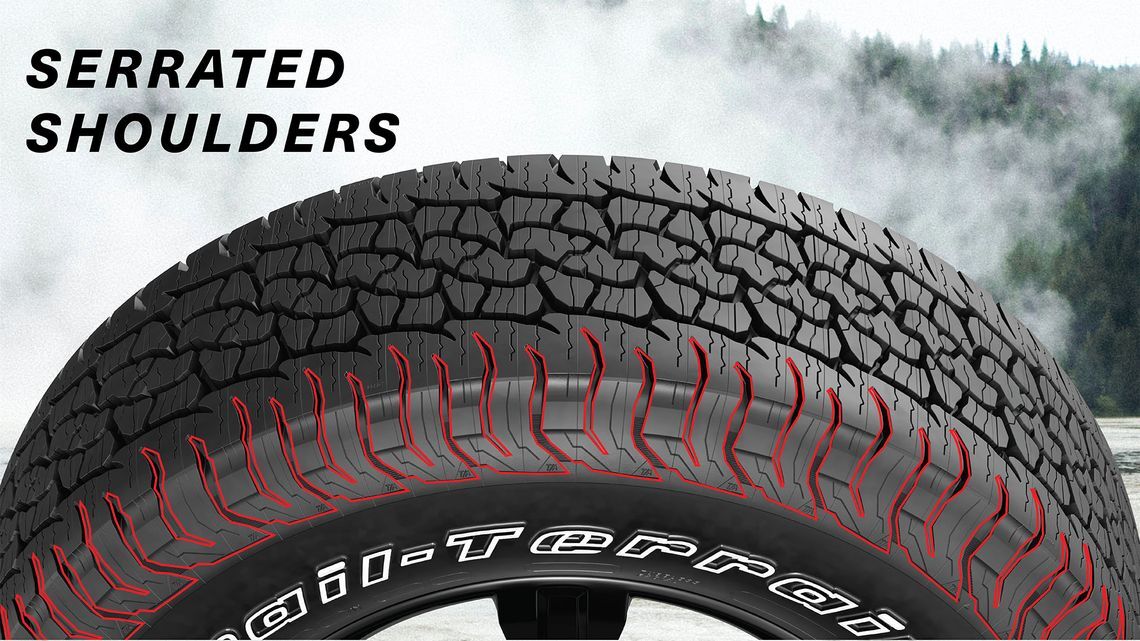
- Tread pattern affects traction on different surfaces.
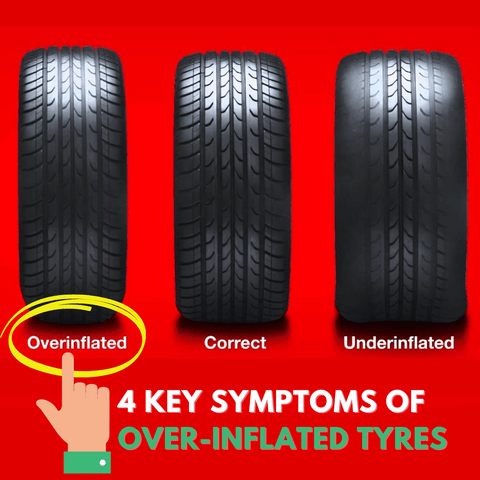
- Tire pressure changes the contact area with the road.
- Tire size impacts the car’s stability and speed.
- Rubber compound influences grip and wear.
How Tires Affect Acceleration And Top Speed
The right tires help a car accelerate faster by improving grip. Tires that slip reduce acceleration and waste energy. Tire size also affects top speed.
| Factor | Effect on Acceleration | Effect on Top Speed |
| Tread Design | Better grip boosts acceleration | Can increase rolling resistance, lowering speed |
| Tire Size | Smaller tires offer quicker starts | Larger tires can raise top speed |
| Rubber Compound | Softer rubber improves traction | May wear faster at high speeds |
| Tire Pressure | Proper pressure ensures optimal grip | Under or over pressure reduces efficiency |
Credit: www.bfgoodrichtires.com
Tire Types And Their Speed Potential
Tires affect how fast your car can go. Different tires have different speed abilities.
Choosing the right tire helps your car drive better and faster on roads.
Performance Tires Vs. Regular Tires
Performance tires have better grip and handle high speeds well. They use softer rubber.
Regular tires last longer but do not support very high speeds or sharp turns as well.
- Performance tires improve cornering and braking at high speeds
- Regular tires offer more durability and comfort for daily driving
- Performance tires wear out faster due to softer rubber
- Regular tires are less expensive and better for long distances
Summer, Winter, And All-season Tires
Summer tires work best on warm, dry roads. They give good speed and grip.
Winter tires have special patterns for snow and ice. They are slower but safer in cold weather.
All-season tires try to work in all weather. They have moderate speed and grip for many conditions.
- Summer tires: best speed on hot, dry roads
- Winter tires: safer in snow, slower on dry roads
- All-season tires: good for many conditions, moderate speed
Tire Size And Speed Dynamics
Tires play a key role in how fast a car can go. The size of the tire changes the car’s speed and handling.
Understanding tire diameter, width, and profile helps explain their effect on speed and control.
Influence Of Tire Diameter And Width
Tire diameter affects the distance a car covers with each wheel turn. Larger tires cover more ground per rotation.
Wider tires offer better grip but can add rolling resistance, which may lower top speed.
- Larger diameter increases top speed but can slow acceleration.
- Smaller diameter improves acceleration but may reduce top speed.
- Wider tires improve traction but can reduce fuel efficiency.
Effect Of Tire Profile On Handling And Speed
Tire profile is the height of the tire sidewall. Low profile tires improve handling but give a harsher ride.
High profile tires absorb bumps better but may reduce cornering ability and speed stability.
- Low profile tires increase road feel and handling precision.
- High profile tires offer more comfort and better shock absorption.
- Profile affects how the tire flexes during turns and speed changes.

Credit: www.eastcoasttoyota.com
Tire Pressure And Speed Optimization
Tire pressure plays a key role in how fast your car can go. The right pressure helps reduce rolling resistance.
Proper tire pressure also improves your car’s grip on the road. This can lead to better speed and control.
Ideal Tire Pressure For Maximum Speed
Maintaining the ideal tire pressure helps your car move faster. Check your car’s manual for recommended values.
Too low pressure increases friction and slows you down. Too high pressure reduces tire contact and control.
- Follow the manufacturer’s recommended tire pressure
- Check pressure regularly, especially before fast drives
- Adjust pressure based on load and weather conditions
Risks Of Incorrect Tire Pressure
Wrong tire pressure can cause poor handling and slower speeds. It also wears tires unevenly.
Under-inflated tires heat up more and may fail. Over-inflated tires can burst or reduce road grip.
- Increased risk of tire blowouts
- Reduced fuel efficiency
- Poor vehicle stability and control
- Faster tire wear and damage
Tire Grip And Traction Factors
Tires play a key role in a car’s speed and control. Good grip and traction help the car move faster safely.
Tire design affects how well the car sticks to the road. This includes the tread pattern and how much tire touches the road.
Tread Patterns And Road Contact
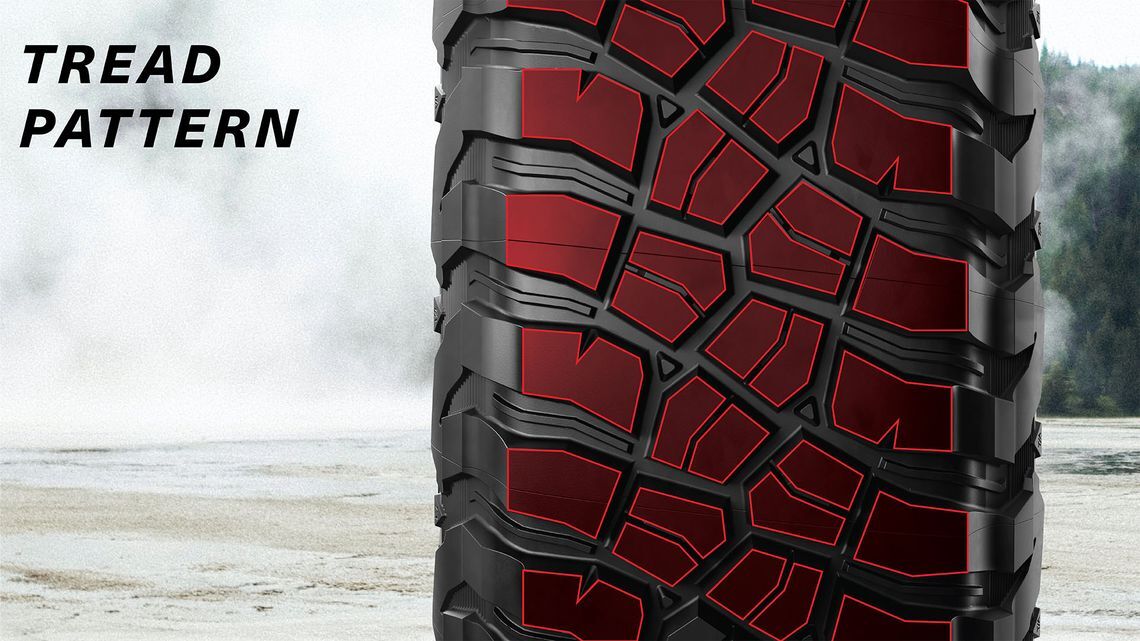
Tread patterns help tires grip the road by channeling water and debris. Different patterns suit different road conditions and speeds.
- Slick tires have no tread and offer maximum contact on dry roads.
- Grooved tires channel water to prevent slipping on wet roads.
- Directional patterns improve handling by guiding water away efficiently.
- All-terrain treads balance grip on both smooth and rough surfaces.
Impact On Cornering And Acceleration
| Factor | Effect on Performance |
| Tread Depth | Deeper treads improve wet traction but may reduce dry grip. |
| Contact Patch Size | Larger patch increases grip for better cornering and acceleration. |
| Rubber Compound | Softer compounds provide better traction but wear faster. |
| Tire Pressure | Correct pressure ensures optimal contact and traction. |
Better tire grip allows quicker turns and faster acceleration without losing control.
Upgrading Tires For Speed Gains
Tires play a key role in how fast your car can go. Better tires can improve grip and handling.
Upgrading your tires can help you get more speed without changing the engine.
Choosing High-performance Tires
High-performance tires offer better traction and control. They help your car stay stable at high speeds.
Look for tires made with soft rubber compounds and strong sidewalls. These features improve grip and cornering.
- Soft rubber for better road contact
- Wide tread for more surface area
- Strong sidewalls to reduce flex
- Low rolling resistance for faster speeds
Balancing Speed And Safety
Fast tires must still keep you safe. Good tires provide grip on wet and dry roads.
Choose tires that match your driving style and weather conditions. Do not pick speed over safety.
- Check tire ratings for speed and grip
- Replace worn tires quickly
- Keep proper tire pressure
- Avoid tires that overheat easily
Maintenance Tips To Sustain Speed
Tires play a big role in how fast your car can go. Keeping them well maintained helps keep your speed steady.
Good tire care also improves safety and saves money in the long run. Let’s look at two key tips.
Regular Tire Inspections
Check your tires often to find any damage or wear. Look for cuts, cracks, or objects stuck in the tread.
Also, measure the tread depth. Shallow tread can reduce grip and slow your car down.
- Look for uneven tread wear
- Check tire pressure monthly
- Inspect sidewalls for cracks or bulges
- Remove stones or debris from treads
Rotating And Aligning Tires
Rotate your tires regularly to ensure even wear. This keeps all tires in good shape and maintains speed.
Proper wheel alignment helps your car drive straight. Misaligned wheels cause drag and reduce speed.
- Rotate tires every 5,000 to 7,000 miles
- Get wheel alignment checked yearly or after impacts
- Balanced tires reduce vibrations and improve control
Credit: www.bfgoodrichtires.com
Frequently Asked Questions
Can New Tires Improve Car Speed?
Yes, new tires can enhance your car’s speed. Performance tires offer better traction and handling, improving acceleration. Their design reduces rolling resistance, allowing the car to move more efficiently. However, other factors like engine power and aerodynamics also impact speed.
Do Racing Tires Make A Difference?
Racing tires significantly enhance performance. They provide superior grip and stability at high speeds. This helps in quicker acceleration and better cornering. However, they’re not ideal for daily driving due to quicker wear and reduced comfort.
How Do Tire Types Affect Speed?
Tire types greatly influence speed. Performance tires enhance acceleration and handling. All-season tires offer balanced performance but may not maximize speed. Choosing the right tire type depends on your driving needs and conditions.
Do Tire Sizes Impact Car Speed?
Yes, tire size affects speed. Larger tires can increase top speed but may reduce acceleration. Smaller tires might improve acceleration but limit top speed. It’s crucial to choose a size that suits your car’s specifications and driving needs.
Conclusion
Tires can affect how fast your car feels on the road. Good tires improve grip and control, helping you drive safely and smoothly. Choosing the right tires can make a small but clear difference in speed and handling. Keep in mind, tires work best with a well-maintained car.
So, don’t forget to check tire pressure and tread regularly. In the end, smart tire choices support better driving performance every day. Simple changes can lead to better rides and more fun behind the wheel.