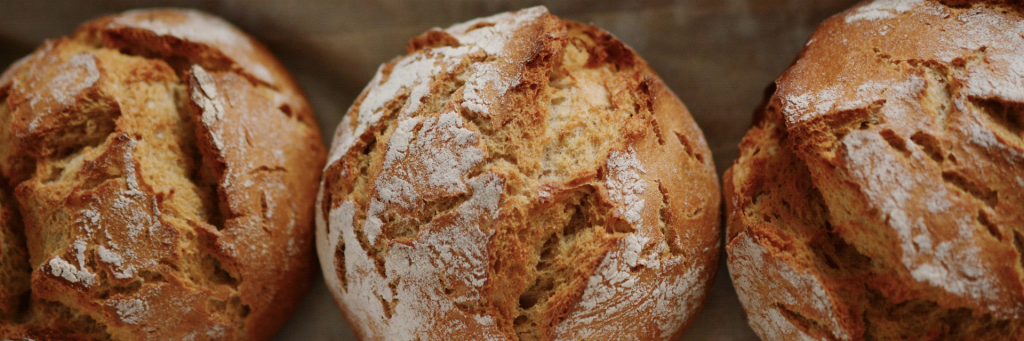
Imagine you’ve just pulled a warm, crusty loaf of sourdough bread from your oven. The aroma fills your kitchen, and you can’t wait to slice into it.
But what happens when you have more bread than you can eat? You might wonder if you can freeze your sourdough bread to enjoy later without losing its delightful texture and flavor. You’re not alone in this thought. Many sourdough lovers face the same dilemma.
Freezing bread seems like a simple solution, but does it really preserve the quality that makes sourdough so special? You’ll discover the secrets of freezing sourdough bread effectively. We’ll explore the best methods to ensure every slice tastes as fresh as the day it was baked. By the end, you’ll feel confident in storing your sourdough without fear of losing its unique taste and crunch. Keep reading to unlock the full potential of your favorite bread!
Freezing Basics
Freezing sourdough bread helps keep it fresh for longer. It stops the bread from going stale quickly. Knowing the basics of freezing can save your bread and reduce waste.
Proper freezing locks in flavor and texture. It also makes it easy to enjoy sourdough anytime.
Why Freeze Sourdough Bread
Sourdough bread stays fresh only a few days at room temperature. Freezing extends its life for weeks. It keeps the bread from drying out or becoming moldy.
Freezing also helps preserve the bread’s unique tangy taste. It allows you to buy or bake in larger batches. This saves time and effort later.
Best Time To Freeze
Freeze sourdough bread while it is still fresh. Ideally, freeze it within two days of baking. This keeps the best taste and texture.
Wait for the bread to cool completely before freezing. Warm bread can create ice crystals, affecting quality.
Slice the bread before freezing for easy use. You can take out only what you need without thawing the whole loaf.
Preparing Bread For Freezing
Freezing sourdough bread keeps it fresh longer. Proper preparation prevents freezer burn and sogginess. It also helps maintain the bread’s texture and flavor after thawing. Taking time to prepare sourdough correctly ensures a better eating experience later.
Slicing Vs. Whole Loaf
Slicing bread before freezing saves time. You can take out only what you need. Each slice thaws faster and more evenly. Whole loaves freeze well too. They keep moisture inside better, preserving crust crispness. Choose based on how you use the bread most.
Wrapping Techniques
Wrap sourdough tightly to protect it. Use plastic wrap or aluminum foil first. Make sure no air touches the bread. Place wrapped bread inside a freezer bag. Remove as much air as possible from the bag. This method stops freezer burn and drying out.
Freezing Methods
Freezing sourdough bread properly keeps it fresh and tasty longer. The way you freeze it matters a lot. Choosing the right method can prevent freezer burn and maintain the bread’s texture and flavor.
Using Freezer Bags
Freezer bags are a simple and accessible option for freezing sourdough. Slice your bread first to make thawing easier and more convenient.
Place the slices or whole loaf in a freezer bag, then squeeze out as much air as possible before sealing. This helps reduce freezer burn and preserves moisture.
Label the bag with the date so you know how long it’s been stored. Have you noticed how just a little air can turn your bread dry and crumbly? Removing air is key here.
Vacuum Sealing
Vacuum sealing is the best way to lock in freshness. It removes all the air and seals the bread tightly, which slows down freezer burn and staling.
If you have a vacuum sealer, use it to package your sourdough slices or whole loaves. This method keeps your bread tasting almost as fresh as the day you baked it.
Even if you don’t freeze bread often, investing in a vacuum sealer can save money and reduce waste. What if you could keep your sourdough fresh for months without worrying about freezer burn?
Container Storage
Using airtight containers is another effective freezing method. Choose a container that fits your bread snugly to avoid extra air space.
Wrap your sourdough in plastic wrap or foil before placing it in the container for an added layer of protection. This double barrier helps lock in moisture and flavor.
Containers are great if you want to freeze smaller bread portions or avoid plastic bags. Have you tried freezing bread this way to keep it safe from freezer odors?

Credit: www.kimecopak.ca
Thawing Sourdough Bread
Thawing sourdough bread correctly brings back its fresh taste and texture. Proper thawing keeps the crust crisp and the crumb soft. Avoid rushing the process to keep the bread enjoyable.
Room Temperature Thawing
Place the frozen sourdough bread on the counter. Keep it wrapped in paper or a cloth to avoid drying out. Let it thaw for 2 to 3 hours. This slow thaw keeps the bread’s moisture balanced.
Once thawed, slice the bread gently. Use it right away for the best flavor. Avoid storing thawed bread for too long.
Oven Reheating Tips
Preheat the oven to 350°F (175°C). Wrap the bread in aluminum foil to keep moisture inside. Heat the bread for 10 to 15 minutes. This warms the bread evenly.
For a crispier crust, unwrap the bread during the last 5 minutes. Watch closely to prevent burning. Oven reheating brings back the fresh-baked feel quickly.
Avoiding Soggy Bread
- Do not thaw bread in a plastic bag; it traps moisture.
- Keep bread wrapped in breathable materials like paper or cloth.
- Avoid microwaving; it makes bread chewy or soggy.
- Reheat gently in the oven to restore crispness.
Following these tips keeps your sourdough bread fresh and tasty after freezing.
Shelf Life And Quality
Understanding the shelf life and quality of sourdough bread in the freezer helps you enjoy that fresh-baked taste even days later. Freezing is a handy way to keep your bread from going stale too quickly, but it’s important to know how long it can last and how to spot if it’s gone bad. Let’s look at the best practices for freezing sourdough and maintaining its delicious texture and flavor.
How Long To Freeze
You can freeze sourdough bread for up to 3 months without a major drop in quality. Beyond this period, the texture may become dry, and the flavor can weaken. To get the best results, wrap your bread tightly in plastic wrap, then place it inside a freezer bag to protect it from air and moisture.
Freezing slices instead of a whole loaf lets you thaw only what you need, reducing waste. Have you ever pulled out bread from the freezer only to find it dry and hard? Proper wrapping and portioning help you avoid that disappointment.
Signs Of Freezer Burn
Freezer burn happens when bread is exposed to air and loses moisture. You’ll notice dry, tough spots on the crust or crumb, often with a grayish or whitish color. The texture becomes crumbly, and the bread may taste stale or off.
If you spot freezer burn, it’s best to cut away the affected parts before eating. While freezer burn doesn’t make bread unsafe, it does ruin the eating experience. Have you ever wondered why some frozen bread tastes bland? Freezer burn is often the culprit, signaling it’s time to improve your storage technique.

Credit: www.reddit.com
Alternative Storage Options
If you’re wondering about other ways to keep your sourdough bread fresh without freezing, there are a couple of options to consider. Each comes with its own set of pros and cons, so knowing what to expect can help you decide the best way to store your loaf. Let’s look at the risks and benefits of refrigeration and room temperature storage.
Refrigeration Risks
Putting sourdough bread in the fridge might seem like a good idea to extend its life. However, refrigeration often dries out the bread faster. The cold air causes the starch to recrystallize, making your crust tough and crumbly.
I once stored a fresh sourdough loaf in the fridge overnight, hoping to keep it fresh for a few more days. The next day, it felt stale and lost its chewy texture. If you choose refrigeration, wrap your bread tightly in plastic wrap or a sealed bag to reduce moisture loss.
Room Temperature Storage
Storing sourdough at room temperature is the most common choice for short-term freshness. Keeping the bread in a paper bag or a bread box allows it to breathe, preserving the crust’s crispness. Avoid plastic bags here, as they trap moisture and make the crust soggy.
How long can you keep it this way? Usually, two to three days is the sweet spot before the bread starts to go stale. If you eat bread regularly, this method works well without compromising texture and flavor.
What’s your experience with storing sourdough? Have you noticed differences in texture or taste depending on how you keep your bread? Trying these options can help you find what works best for your kitchen habits.
Tips To Keep Bread Fresh Longer
Keeping your sourdough bread fresh longer can save you money and reduce waste. It also means you enjoy that perfect crust and chewy inside for days after baking. Here are some practical tips to help you maintain freshness without compromising taste or texture.
Using Bread Boxes
A bread box creates a balanced environment that keeps your sourdough’s crust crisp and crumb soft. It allows just enough air circulation to prevent moisture buildup, which causes sogginess.
Place your bread in the box once it has completely cooled. Avoid wrapping warm bread in plastic, as it traps steam and makes the crust soggy.
Have you noticed how bread stored in paper bags inside a bread box lasts longer? This simple trick helps absorb excess moisture while protecting the loaf.
Freezing Leftover Sourdough
Freezing is a great way to extend your sourdough’s life without losing flavor. Slice your bread before freezing so you can thaw only what you need.
Wrap slices tightly in plastic wrap or foil, then place them in a freezer-safe bag. This prevents freezer burn and keeps your bread tasting fresh.
When ready to eat, toast slices directly from the freezer or let them thaw at room temperature. This method keeps your bread’s texture and tang intact for weeks.

Credit: www.kimecopak.ca
Frequently Asked Questions
Can You Freeze Sourdough Bread To Keep It Fresh?
Yes, you can freeze sourdough bread to maintain freshness. Wrap it tightly in plastic wrap or foil. Then place it in an airtight freezer bag. This method preserves its flavor and texture for up to three months.
How Do You Thaw Frozen Sourdough Bread Properly?
Thaw frozen sourdough bread at room temperature for a few hours. Avoid microwaving to prevent sogginess. For a fresh crust, reheat it in the oven at 350°F (175°C) for 10-15 minutes after thawing.
Does Freezing Sourdough Bread Affect Its Texture?
Freezing sourdough bread may slightly soften the crust. However, proper wrapping minimizes this effect. Reheating in the oven can help restore the original crust texture and maintain a chewy crumb.
Can You Freeze Sliced Sourdough Bread?
Yes, you can freeze sliced sourdough bread for convenience. Separate slices with parchment paper to avoid sticking. This allows you to thaw or toast individual slices easily without defrosting the whole loaf.
Conclusion
Freezing sourdough bread keeps it fresh for longer. Wrap the bread well to avoid freezer burn. Thaw it slowly for the best taste and texture. Toasting after thawing brings back the crunch and flavor. Freezing saves time and reduces waste.
Keep small portions frozen to enjoy anytime. This simple method helps you enjoy sourdough anytime. Try freezing and taste the difference yourself.