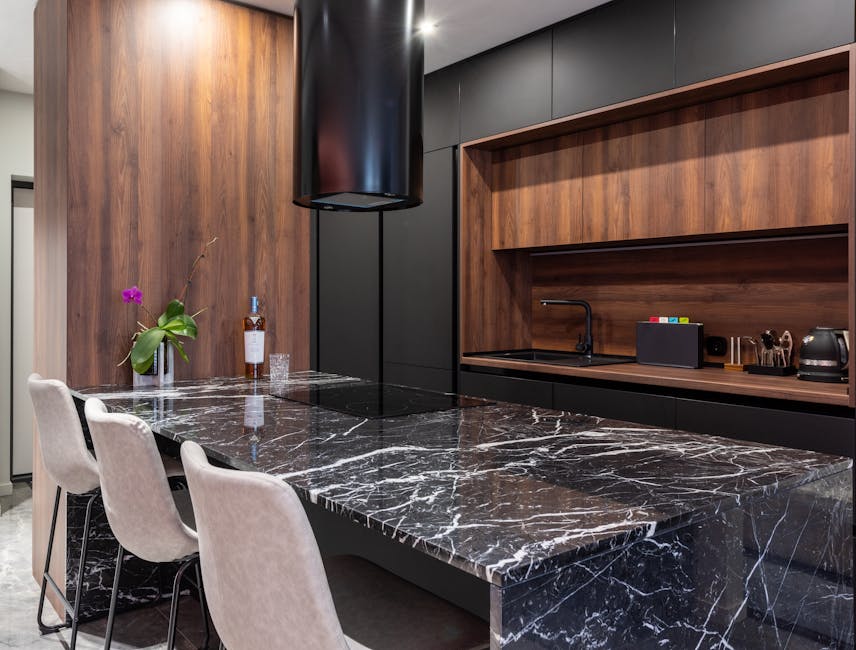
Ever find yourself standing in the kitchen, staring at your induction glass cooktop and wondering if you can use your trusty iron skillet on it? You’re not alone.
Many home cooks face this question. Iron skillets are beloved for their durability and cooking performance, but when it comes to induction cooktops, there’s a bit of uncertainty. You might worry about potential scratches or whether the skillet will even work on this sleek, modern surface.
The good news is, there’s a way to enjoy the benefits of both. Stick around as we unravel the mystery and reveal how you can confidently use your iron skillet on an induction glass cooktop without compromising on safety or performance. Your cooking experience is about to get a lot more exciting.
Induction Cooktop Basics
Understanding the basics of induction cooktops helps you make smart choices about your cookware. If you’re wondering whether your iron skillet fits the bill, knowing how induction cooking works and its benefits is key. Let’s break down what makes induction cooking different and why it matters for your kitchen.
How Induction Cooking Works
Induction cooktops use magnetic fields to heat your cookware directly. Unlike traditional gas or electric stoves, they don’t heat the burner itself. Instead, the cooktop creates an electromagnetic field that transfers energy straight to the pan.
This means the pan must be made of a magnetic material, such as cast iron or some stainless steel. If your pan isn’t magnetic, it simply won’t heat up on an induction surface. Have you ever tried a pan on an induction cooktop and noticed it didn’t get warm? That’s usually why.
Benefits Of Induction Cooking
Induction cooking offers fast, efficient heating that saves you time. Because heat is generated directly in the pan, it responds instantly when you adjust the temperature. This precision can make cooking easier and more enjoyable.
- Energy efficiency:Less heat escapes, so your kitchen stays cooler.
- Safety:The cooktop surface stays relatively cool, reducing burn risks.
- Easy cleanup:Since spills don’t burn onto the surface, wiping the cooktop is simple.
Thinking about your iron skillet, these benefits mean you can use it effectively on an induction cooktop as long as it’s magnetic and flat-bottomed. Your skillet heats quickly, stays hot, and cools down when you need it to—giving you full control over your cooking.
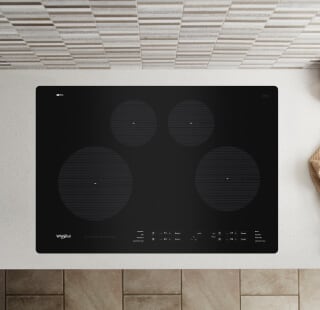
Credit: www.whirlpool.com
Iron Skillet Characteristics
Iron skillets have unique features that make them popular in kitchens. Their sturdy build and ability to retain heat suit many cooking styles. Understanding these characteristics helps in using them effectively, especially on induction glass cooktops.
Material And Heat Retention
Iron skillets are made from cast iron, a heavy and dense metal. This material holds heat very well, providing steady and even cooking temperatures. Once heated, the skillet stays hot longer than other pans. This quality helps in searing meats and frying foods evenly. Cast iron also develops a natural non-stick surface over time with proper seasoning.
Common Sizes And Types
Iron skillets come in various sizes, usually from 6 inches to 15 inches in diameter. Smaller skillets are great for frying eggs or small portions. Larger ones are perfect for cooking family meals or dishes that need more space.
- Standard cast iron skillet
- Enamel-coated iron skillet
- Pre-seasoned iron skillet
Each type has its benefits. Enamel-coated skillets do not need seasoning and are easier to clean. Pre-seasoned skillets come ready to use and improve with each use. Knowing these types helps pick the right skillet for your cooking needs.
Compatibility Of Iron Skillets With Induction
Iron skillets are popular for cooking due to their heat retention and durability. Using them on induction glass cooktops depends on their compatibility. Induction cooktops heat cookware through magnetic fields. This makes the skillet’s material crucial for proper cooking performance.
Magnetic Properties And Cooktop Sensors
Induction cooktops use magnetic fields to generate heat. The cookware must be magnetic for the heat to transfer. Iron skillets naturally have strong magnetic properties. This makes them suitable for induction cooking.
Cooktop sensors detect the presence of magnetic cookware. If the skillet is not magnetic enough, the cooktop will not heat. Iron skillets usually activate the sensors quickly. This helps the cooktop work efficiently and safely.
Testing Your Skillet For Induction Use
Check if your iron skillet works on induction by using a simple test. Take a small magnet and place it on the bottom of the skillet. If the magnet sticks firmly, the skillet is induction compatible.
Another test is to try cooking with the skillet on the induction cooktop. If the cooktop heats the skillet, it is compatible. If it does not heat, the skillet may lack the right magnetic properties or have a warped base.
Ensuring your iron skillet works on induction prevents damage to both the skillet and the cooktop. It also ensures efficient cooking and energy use.
Credit: www.whirlpool.com
Using Iron Skillets Safely On Induction Glass
Using iron skillets on an induction glass cooktop requires care to keep both the skillet and cooktop in good shape. Iron skillets are heavy and have rough bottoms, which can scratch the glass surface. Proper handling and heating methods can prevent damage and improve cooking results. Follow simple tips to use your iron skillet safely and enjoy cooking on your induction glass cooktop without worries.
Preventing Scratches And Damage
- Lift the skillet instead of sliding it on the glass surface.
- Clean the bottom of the skillet before cooking to remove grit or debris.
- Use a protective silicone mat designed for induction cooktops if needed.
- Check the skillet’s base for rough spots and smooth them with fine sandpaper.
- Avoid dropping or banging the skillet on the cooktop.
Proper Heating Techniques
- Place the skillet on the cooktop before turning on the heat.
- Start with low or medium heat to warm the skillet gradually.
- Allow the skillet to heat evenly before adding food.
- Do not overheat an empty iron skillet to protect the glass surface.
- Turn off the heat and let the skillet cool down before cleaning.
Maintenance Tips For Iron Skillets On Induction
Maintaining an iron skillet on an induction glass cooktop helps keep it in top shape. Proper care improves cooking performance and extends the skillet’s life. Follow simple steps to protect your skillet from damage and rust.
Seasoning And Cleaning
Seasoning creates a natural non-stick layer on the skillet’s surface. Heat the skillet, then apply a thin coat of cooking oil. Bake it in the oven at 350°F for an hour. Let it cool inside the oven before use.
Clean the skillet using warm water and a soft brush. Avoid soap or harsh detergents that strip the seasoning. Dry it immediately with a towel to prevent moisture buildup.
Avoiding Rust And Wear
Keep the skillet dry after each use. Store it in a dry place to avoid rust. Apply a light coat of oil before storing to protect the surface.
Use wooden or silicone utensils to prevent scratching the seasoning. Avoid sudden temperature changes, which can cause warping. Regular maintenance preserves the skillet’s smooth cooking surface.
Troubleshooting Common Issues
Troubleshooting common issues with an iron skillet on an induction glass cooktop can save you a lot of frustration. These cooktops are sensitive to the type and condition of cookware you use. Understanding how to identify and fix problems quickly keeps your cooking smooth and efficient.
Skillet Not Heating Properly
If your iron skillet isn’t heating as expected, start by checking the skillet’s base. Induction cooktops need a flat, magnetic bottom for proper heat transfer. Warped or uneven skillet surfaces can cause poor contact, leading to uneven heating.
Also, make sure your skillet is clean and dry before placing it on the cooktop. Residue or moisture can interfere with the induction process. Have you noticed your skillet heating only in spots? Try using a different iron skillet or place a small amount of water on the base to test if it heats evenly.
Another common issue is size mismatch. If your skillet is too small compared to the induction coil, the cooktop might not recognize it properly. Check your cooktop’s manual for recommended cookware sizes to avoid this problem.
Cooktop Error Messages
Seeing error messages on your induction cooktop can be confusing. Many times, these errors occur because the cooktop doesn’t detect suitable cookware. If your iron skillet is older or has a damaged base, the cooktop may display an error.
Other causes include placing the skillet off-center or using a skillet that’s too light. Try repositioning the skillet squarely on the cooking zone. If the error persists, test with a different skillet to isolate the issue.
Some models show error codes if the surface becomes too hot or if there’s a power issue. Always consult your cooktop’s user guide for specific error code meanings and suggested fixes. Are you monitoring how your cooktop reacts to different pans? This can help you avoid repeated errors and protect your investment.
Alternatives To Iron Skillets For Induction
Choosing the right cookware for your induction glass cooktop is crucial. While iron skillets are popular, they aren’t your only option. Exploring alternatives can help you find cookware that fits your cooking style and maintenance preferences.
Cast Iron Vs. Enameled Cast Iron
Cast iron skillets are heavy and require regular seasoning to maintain their non-stick surface. They work well on induction cooktops but can scratch the glass if handled roughly. Enameled cast iron offers a smooth, colorful coating that prevents rust and eliminates the need for seasoning.
Because of the enamel layer, these skillets are easier to clean and less likely to damage your cooktop. However, they tend to be more expensive and slightly less heat-retentive than traditional cast iron. Have you noticed a difference in how your food cooks with enameled versus bare cast iron?
Other Compatible Cookware Options
If you want to try something lighter or easier to handle, consider these options:
- Stainless Steel:Durable and resistant to corrosion, it heats quickly on induction. Look for versions with a magnetic base to ensure compatibility.
- Carbon Steel:Similar to cast iron but lighter and faster to heat. It also requires seasoning but is easier to maneuver.
- Nonstick Induction Pans:Often made with a magnetic base, these pans offer easy cleanup and less sticking, perfect for low-fat cooking.
- Copper Bottom Pans with Induction Plate:They combine copper’s excellent heat conductivity with induction compatibility. These pans heat evenly but check that the base is magnetic.
Have you tried any of these alternatives on your induction cooktop? Sometimes, a small change in cookware can improve your cooking experience significantly.

Credit: www.birminghammail.co.uk
Frequently Asked Questions
Can I Use An Iron Skillet On An Induction Cooktop?
Yes, you can use an iron skillet on an induction cooktop. Iron is magnetic and heats efficiently on induction surfaces. Just ensure the skillet’s bottom is flat for proper contact and even heating.
Will An Iron Skillet Damage My Glass Induction Cooktop?
Iron skillets generally won’t damage the glass cooktop if handled carefully. Avoid sliding the skillet to prevent scratches. Always lift it when moving, and clean the cooktop regularly to maintain its surface.
How Do I Clean An Iron Skillet On An Induction Cooktop?
Clean your iron skillet by hand with warm water and mild soap. Avoid harsh detergents and abrasive pads. Dry it thoroughly and season regularly to maintain its non-stick surface and prevent rust.
Does An Iron Skillet Heat Evenly On Induction Cooktops?
Yes, iron skillets heat evenly on induction cooktops due to their excellent heat retention. Flat-bottomed iron skillets ensure uniform heat distribution and better cooking results on induction glass surfaces.
Conclusion
An iron skillet works well on an induction glass cooktop. It heats quickly and cooks food evenly. Just be careful to avoid scratching the surface. Using a clean, smooth skillet bottom helps protect your cooktop. Iron skillets are a great choice for many recipes.
They bring durability and strong heat to your kitchen. With simple care, your skillet and cooktop will last longer. Enjoy cooking with confidence and great results every time.