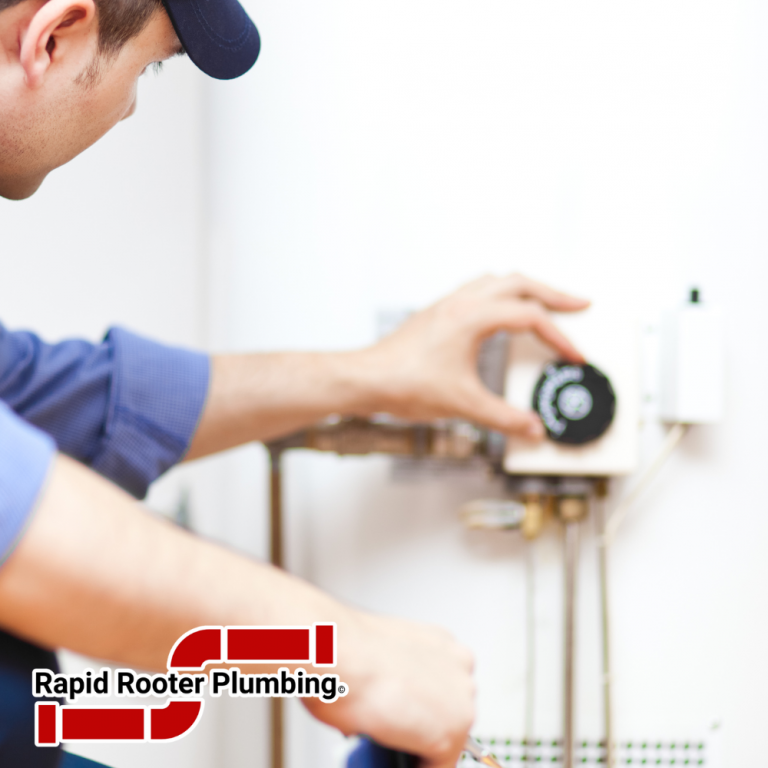
Have you ever worried about your water heater freezing? As temperatures drop, this concern can become all too real for homeowners like you.
A frozen water heater isn’t just an inconvenience; it can lead to costly repairs and a disruption in your daily life. Imagine waking up on a chilly morning, expecting a warm shower, only to be met with ice-cold water—or worse, no water at all.
The good news is that you can prevent this from happening. By understanding the factors that cause water heaters to freeze and learning how to protect your system, you can ensure a steady flow of hot water even during the coldest months. Stick with us, and you’ll discover simple yet effective strategies to keep your water heater safe from freezing, saving you both time and money. Ready to dive in? Let’s explore how you can safeguard your water heater and enjoy uninterrupted warmth all winter long.
How Water Heaters Freeze
Water heaters can freeze in cold weather, causing damage and loss of hot water. Understanding how water heaters freeze helps prevent issues. Freezing occurs when water inside the heater or pipes drops below freezing point. This causes ice to form and block water flow. Frozen water heaters may crack or leak.
Causes Of Freezing
- Poor insulation around the water heater or pipes
- Exposure to very low temperatures for long periods
- Water left standing in pipes without circulation
- Faulty or broken heating elements inside the heater
- Open or unheated areas like basements or garages
Signs Of A Frozen Heater
- No hot water coming from taps
- Unusual noises, such as banging or popping sounds
- Water pressure drops or stops completely
- Visible frost or ice on the heater or pipes
- Leaks or cracks appearing on the water heater tank
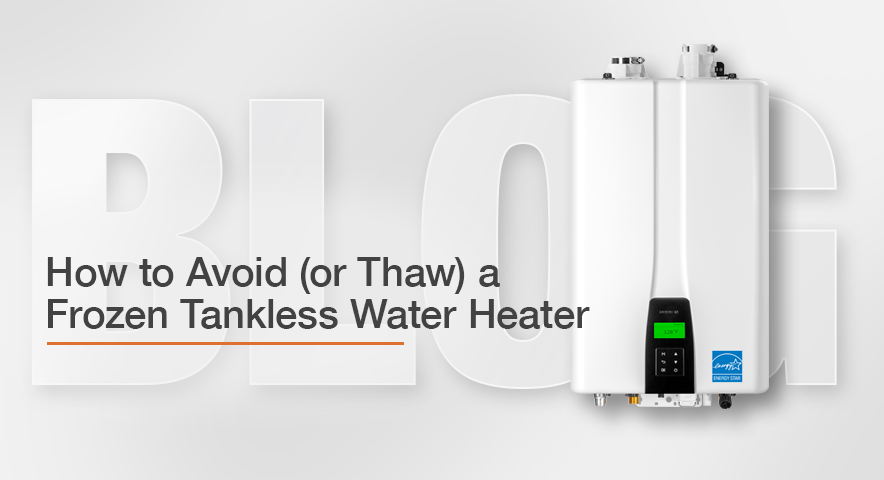
Credit: www.navieninc.com
Risks Of A Frozen Water Heater
A frozen water heater can cause serious problems in your home. Cold weather can stop the heater from working properly. Pipes inside the water heater may freeze and crack. This leads to costly repairs and water damage.
Understanding the risks of a frozen water heater helps prevent damage and keep your home safe.
Potential Damage
Frozen water inside the heater expands and puts pressure on pipes. Pipes can burst or crack easily in freezing conditions. This damage causes leaks and flooding in your home. Repair costs can be very high and may require replacing the heater. Frozen parts may stop working, leading to no hot water supply. Long-term freezing can ruin the heater’s internal components.
Safety Concerns
A frozen water heater may create dangerous situations. Burst pipes can cause water to contact electrical parts, creating shock hazards. Leaking water can damage floors and walls, leading to mold growth. Lack of hot water can cause health issues in cold weather. Trying to thaw a frozen heater without proper knowledge can cause injury or worsen damage. It is important to handle frozen water heaters with care.
Preventing Water Heater Freezing
Water heaters are essential for comfort, especially during cold months. But what happens if your water heater freezes? Preventing freezing is key to avoiding costly repairs and ensuring a steady hot water supply. Let’s look at practical ways you can protect your water heater from freezing damage.
Insulation Techniques
Adding insulation around your water heater can significantly reduce the risk of freezing. Use foam pipe insulation sleeves for exposed pipes to keep them warm. Wrapping your water heater tank itself with an insulating blanket can also help retain heat.
Make sure to seal any gaps or cracks near the heater where cold air might enter. Even small drafts can lower the temperature enough to freeze water inside pipes or the tank. Have you checked your water heater area for cold spots lately?
Temperature Settings
Keeping your water heater’s thermostat set to an appropriate temperature is crucial. Set it to at least 120°F (49°C) to maintain water warmth and prevent freezing. Lower settings might save energy but increase freezing risk during severe cold spells.
If you’re going away during winter, don’t turn off your water heater completely. Instead, keep it on a lower but safe temperature to avoid frozen pipes. What temperature do you currently keep your heater at during winter?
Use Of Heat Tape
Heat tape is an effective tool to prevent freezing on pipes connected to your water heater. It works like an electric blanket, wrapping around pipes and supplying gentle heat. You can find self-regulating heat tape that adjusts heat output based on temperature.
Be sure to install heat tape according to the manufacturer’s instructions to avoid hazards. It’s especially useful for outdoor pipes or pipes running through unheated areas. Have you ever tried heat tape on your pipes during winter?

Credit: genzryan.com
Winterizing Your Water Heater
Protecting your water heater during cold months is crucial to avoid costly repairs and ensure a steady supply of hot water. Winterizing your water heater means taking steps to prevent freezing, which can cause the tank and pipes to crack. Let’s look at practical ways you can shield your system from the harsh winter chill.
Drainage Methods
One effective way to winterize your water heater is by draining it completely. This removes water that could freeze and expand inside the tank, leading to damage.
To drain your water heater, first turn off the power or gas supply. Then, attach a garden hose to the drain valve and direct it to a safe drainage area. Open the valve and let all the water flow out.
Have you ever wondered why your water heater might still freeze even if it’s inside? Sometimes, water left in the tank or pipes can be the culprit. Draining eliminates this risk.
Pipe Protection
Insulating your water pipes is a simple way to prevent freezing. Pipe insulation sleeves or heat tape can keep the water moving smoothly inside, even on the coldest days.
Focus on pipes in unheated areas like basements, attics, or crawl spaces. Wrapping these pipes reduces the chance of ice blockages that can burst the pipes.
Think about the last time you felt a draft near your pipes—could that be the weak spot? Sealing cracks and adding insulation can make a big difference.
Professional Maintenance Tips
Calling a professional to inspect your water heater before winter can save you headaches. Experts can check for leaks, corrosion, and thermostat issues that you might miss.
They often recommend installing a water heater blanket to add an extra layer of insulation. This simple addition keeps the tank warmer and reduces energy bills.
Have you scheduled your annual water heater checkup yet? A quick professional tune-up can extend your heater’s life and keep it running smoothly through winter.
Emergency Steps If Heater Freezes
A frozen water heater can cause serious issues quickly. Acting fast helps prevent damage and restores hot water supply. Knowing emergency steps ensures safety and minimizes repair costs.
Thawing Safely
Turn off the power or gas supply to the heater before thawing. This prevents electric shock or fire hazards. Use a hairdryer or heat lamp to gently warm frozen pipes. Never use open flames or high heat sources. Apply heat evenly to avoid pipe damage. Keep the area well-ventilated during thawing. Check for leaks or cracks once thawed. Open faucets to allow water to flow and clear any ice blockages.
When To Call A Professional
Call a plumber if you see any pipe damage or leaks. Seek help if the heater does not warm after thawing. Professionals have tools and skills to fix hidden problems. Avoid trying to thaw if you smell gas or hear hissing sounds. Emergency repairs may be needed to prevent flooding or fire. Regular maintenance can help avoid freezing problems in the future.
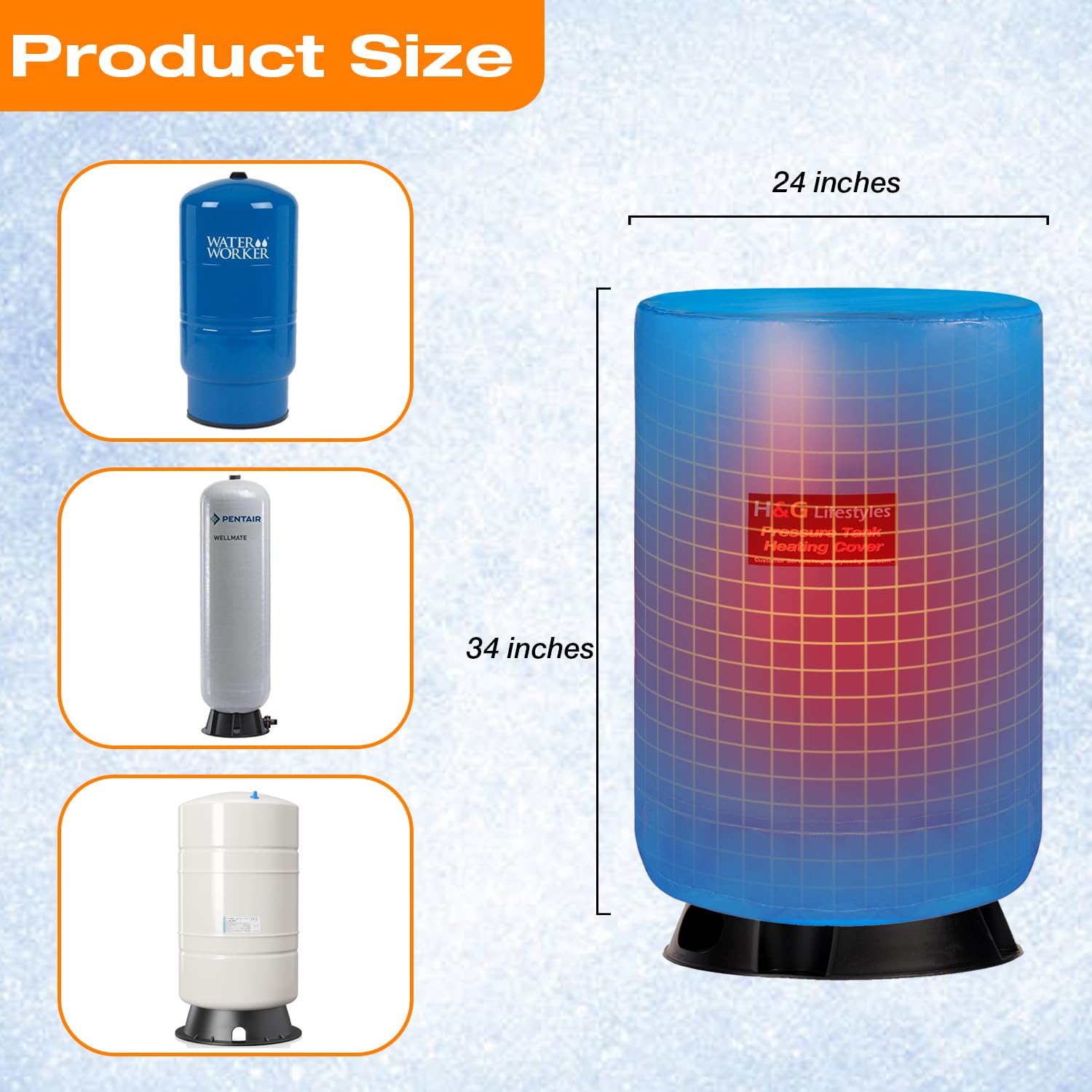
Credit: www.amazon.ca
Frequently Asked Questions
Can Water Heaters Freeze In Cold Weather?
Yes, water heaters can freeze if temperatures drop below freezing. Frozen pipes can cause damage and disrupt hot water supply. Proper insulation and heating measures help prevent freezing during extreme cold.
How To Prevent Water Heater Freezing?
Insulate pipes and the water heater tank with foam sleeves or blankets. Keep the area warm and maintain a consistent temperature above freezing. Draining the heater and pipes during long absences also helps avoid freezing.
What Happens If A Water Heater Freezes?
Frozen water inside the heater or pipes can expand and cause cracks or leaks. This can lead to costly repairs or replacement. Additionally, freezing stops hot water flow, affecting household activities.
Can A Frozen Water Heater Be Thawed Safely?
Yes, gently thaw frozen pipes or heaters using warm towels or a heat lamp. Avoid open flames or high heat sources, as they can damage pipes or cause fire hazards. Contact a professional if unsure.
Conclusion
Water heaters can freeze in very cold weather. This may cause damage and stop hot water flow. Protect your heater by insulating pipes and keeping a steady temperature. Regular checks help spot problems early. Staying prepared saves you time and money.
Keep your water heater safe and working well all winter long. Simple steps make a big difference. Don’t let cold weather catch you off guard. Take care today for warm water tomorrow.