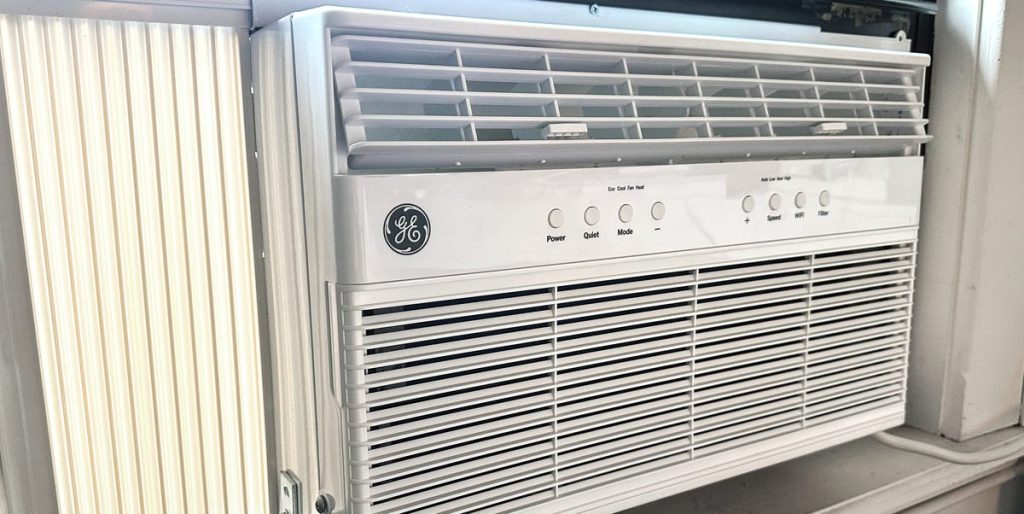
Are you wondering if your window air conditioner can do more than just cool your room? Maybe you’re thinking about saving money or avoiding the hassle of buying a separate heater.
The good news is, some window air conditioners can actually help warm up your space. But how does that work, and is it right for your home? Keep reading to discover the surprising truth about using a window air conditioner to heat a room—and find out if this could be the solution you’ve been looking for.

Credit: www.hioutlet.com
Window Air Conditioner Basics
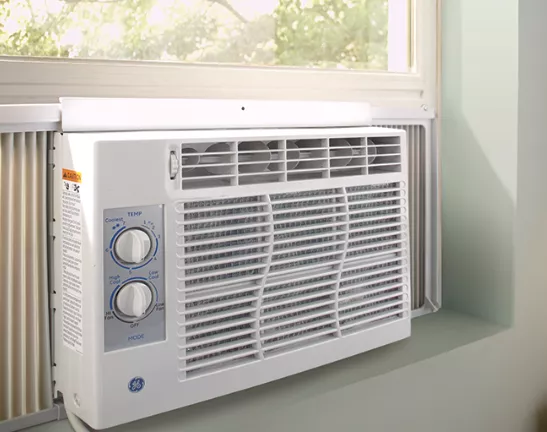
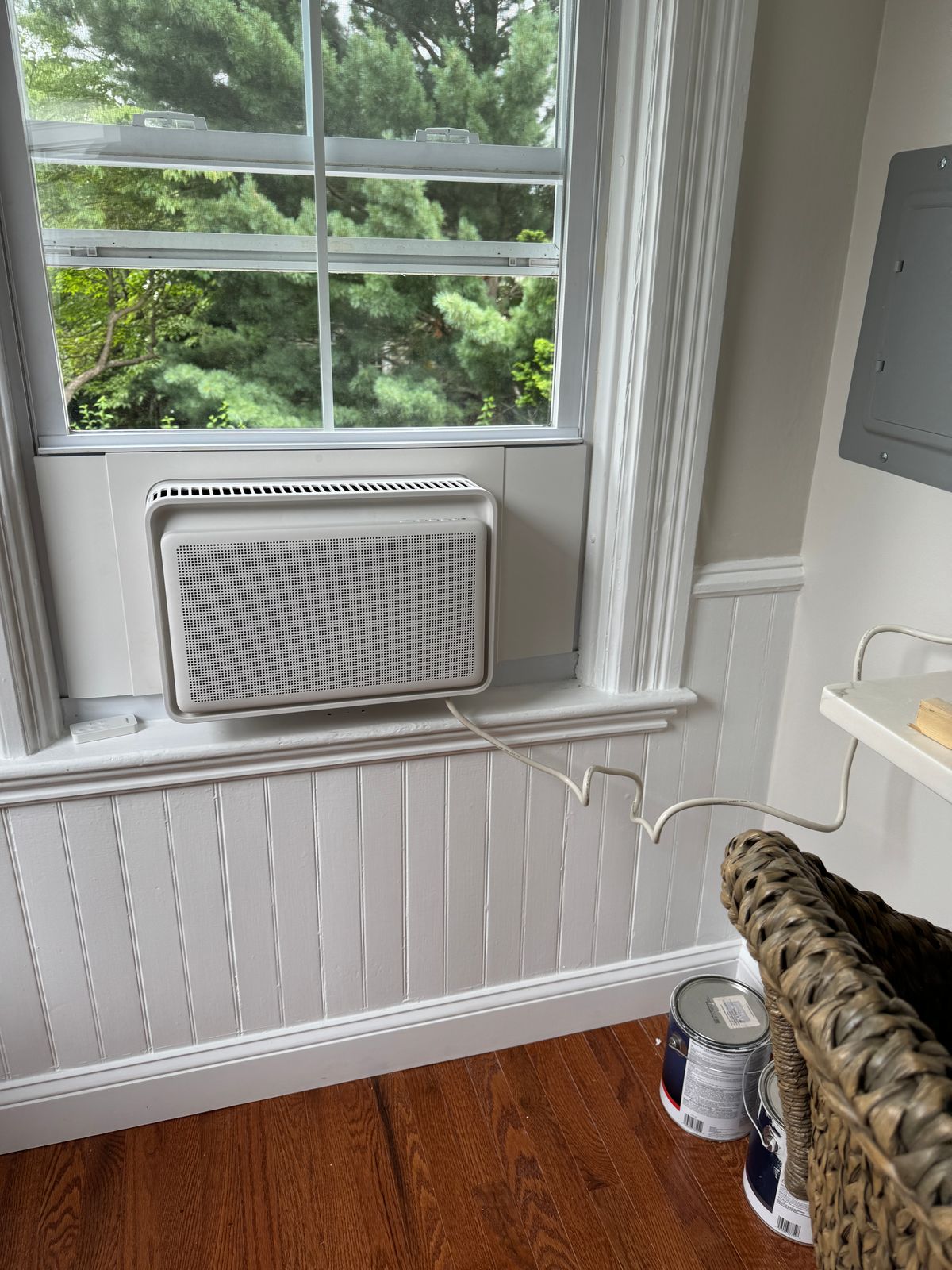
Window air conditioners are common devices used to cool indoor spaces. They fit into a window and work by removing heat from inside the room.
Understanding how these units work can help you know if they can also be used for heating a room.
Functionality Overview
A window air conditioner mainly cools the air. It pulls warm air from the room and sends it outside. Cooler air then replaces the warm air inside.
- Draws warm air from the room
- Transfers heat to the outside
- Circulates cool air inside
- Controls humidity by removing moisture
Cooling Mechanism
The cooling system uses a refrigerant to absorb heat from the indoor air. A compressor pumps the refrigerant through coils, where it changes from gas to liquid and back.
| Component | Role |
|---|---|
| Evaporator Coil | Absorbs heat from indoor air |
| Compressor | Compresses refrigerant gas |
| Condenser Coil | Releases heat outside |
| Fan | Circulates air inside and outside |
Heating Capabilities
Window air conditioners are known mainly for cooling rooms. Some models can also heat rooms. This depends on the technology inside the unit. Understanding the heating capabilities helps you choose the right model.
Heating with a window air conditioner is different from traditional heaters. The system moves heat instead of creating it by burning fuel or using electric resistance. This method can save energy in certain conditions.
Reverse Cycle Technology
Reverse cycle technology allows an air conditioner to heat and cool. The unit uses a heat pump to move warm air into the room during cold weather. This technology reverses the cooling process to provide warmth.
- Extracts heat from outside air, even when cold
- Transfers heat inside the room efficiently
- Works as a cooler in warm weather
- Consumes less energy than electric heaters
Models With Heating Feature
Not all window air conditioners can heat a room. Only specific models have this feature. It is important to check the product details before buying. Some units include a switch or remote control option for heating.
| Model Type | Heating Method | Energy Efficiency |
| Standard Window AC | None | Cooling only |
| Reverse Cycle Window AC | Heat Pump | High |
| Electric Resistance Heater Built-in | Electric coil | Moderate |
Energy Efficiency Considerations
Using a window air conditioner to heat a room can seem like a quick solution. It is important to understand how energy efficient this method is. This helps you decide if it is a good option for your home.
This section looks at energy use and the effect on your utility bills. Knowing these facts helps you save money and energy.
Comparing Energy Consumption
Window air conditioners use electricity mainly to cool air. When used for heating, they work like heat pumps but are less efficient than dedicated heaters. The energy use depends on the unit’s design and outside temperature.
- Cooling mode uses less energy than heating mode.
- Heating with a window unit may consume more power.
- Heat pumps in window units lose efficiency in very cold weather.
- Electric heaters often use more energy but provide steady heat.
Impact On Utility Bills
Heating a room with a window air conditioner can raise your electric bill. The cost depends on the unit’s energy efficiency rating and how long it runs.
| Heating Method | Energy Use | Estimated Cost |
| Window AC in Heat Mode | Moderate | Medium |
| Electric Space Heater | High | High |
| Central Heating System | Varies | Varies |
| Heat Pump (Dedicated) | Low | Low |
Installation And Setup
Using a window air conditioner to heat a room needs careful installation. Proper setup helps the unit work well and keeps your space comfortable.
Follow simple steps to place and secure the unit correctly. This guide covers where to put the air conditioner and safety tips.
Proper Placement
Choose a window that can hold the air conditioner safely. The unit should fit tightly to stop warm air from leaking.
- Select a window near the center of the room for even heat.
- Ensure the window frame is strong and level.
- Keep the outside part of the unit clear of obstructions.
- Check that the unit can tilt slightly outward to drain water.
- Place the air conditioner away from direct sunlight to improve efficiency.
Safety Precautions
Install the air conditioner carefully to avoid accidents. Follow safety rules to protect your home and health.
| Precaution | Reason |
| Use a sturdy support bracket | Prevents the unit from falling out |
| Seal gaps around the unit | Keeps air leaks and pests out |
| Avoid electrical overload | Reduces fire risk |
| Turn off power before installation | Prevents electric shock |
| Follow manufacturer instructions | Ensures safe and proper setup |
Pros And Cons Of Using For Heating
Window air conditioners are common for cooling rooms. Some wonder if they can also heat spaces. Using them to heat has both good and bad points.
This article looks at the advantages and limitations of using window air conditioners for heating a room.
Advantages
Some window air conditioners come with a heat mode. This lets them warm a room when it is cold outside.
- They save space by combining cooling and heating in one unit.
- These units are usually easy to install and remove.
- Heating with a heat pump in the unit is often more energy efficient than electric heaters.
- They provide quick heat to small or medium-sized rooms.
Limitations
Using a window air conditioner to heat a room has some downsides.
| Limitation | Details |
| Limited Heating Power | May not warm large rooms well. |
| Efficiency Drops in Cold Weather | Heat pumps lose efficiency below certain temperatures. |
| Possible Noise | Some units can be noisy when heating. |
| Installation Restrictions | Needs a window and proper sealing to work well. |
| Higher Initial Cost | Models with heat function cost more than cooling-only units. |
Credit: www.premium-electric.ca
Expert Tips And Recommendations
Window air conditioners often come with a heat mode. You can use them to warm a small room. This guide shares tips to pick the right model and keep it working well.
Using a window AC as a heater needs care. Choosing the right unit and regular upkeep will improve performance and safety.
Choosing The Right Model
Not all window air conditioners heat well. Look for models with heat pump or electric heat features. These provide better warmth than regular ACs.
- Check the unit’s heating capacity, measured in BTUs.
- Choose a size that fits your room for efficient heating.
- Look for energy-saving settings to lower power use.
- Pick models with a good temperature control system.
- Read reviews about the heating performance before buying.
Maintenance Tips
Keep your window air conditioner in good shape to heat well. Clean and check parts regularly to avoid problems.
| Maintenance Task | How Often | Purpose |
| Clean or replace air filters | Every 1-2 months | Improves airflow and air quality |
| Check and clean coils | At least once a year | Enhances heating and cooling efficiency |
| Inspect weather stripping | Before heating season | Prevents heat loss around the unit |
| Test the heat mode | Monthly during use | Ensures the heater works properly |
| Clear debris around unit | Monthly | Maintains good ventilation |
Alternative Heating Solutions
Window air conditioners mainly cool rooms. They are not designed to heat spaces. Many people wonder if these units can warm a room.
There are better heating options to keep rooms warm. These alternatives work well during cold seasons.
Portable Heaters
Portable heaters are easy to move from room to room. They use electricity to create heat quickly. Many types include fan heaters, oil-filled radiators, and ceramic heaters.
These heaters are good for small areas. They are simple to use and do not need installation.
- Fan heaters warm air fast
- Oil-filled radiators provide steady heat
- Ceramic heaters use ceramic plates for warmth
- They often have safety features like automatic shut-off
Central Heating Options
Central heating warms an entire house from one source. It uses ducts or pipes to spread heat to rooms. Common types include furnaces, boilers, and heat pumps.
Central heating systems are efficient for large homes. They keep the whole house warm evenly and can be controlled with a thermostat.
- Furnaces burn fuel to heat air
- Boilers heat water for radiators or floors
- Heat pumps transfer heat from outside air
- Thermostats regulate temperature automatically
Credit: windmillair.com
Frequently Asked Questions
Can Window Air Conditioners Provide Room Heating?
Some window air conditioners have a heat mode to warm rooms. This feature uses a heat pump to reverse cooling. Not all models include heating, so check specifications before purchasing.
How Efficient Is Window Ac For Heating?
Window AC heaters are less efficient than dedicated heaters. They work best in mild cold conditions. For extreme cold, specialized heaters offer better performance and energy savings.
Can I Use A Window Ac All Winter For Heating?
Using a window AC for heating all winter depends on the model. Heat pump models handle mild winters well. In colder climates, supplemental heating may be necessary for comfort.
Does Heating With Window Ac Increase Electricity Bills?
Heating with a window AC can increase electricity bills. Heat pumps are more energy-efficient than resistance heaters but still consume power. Usage duration and temperature settings impact costs.
Conclusion
Window air conditioners can sometimes heat small rooms. Their heating ability depends on the model and settings. Some units have a heat pump feature that warms the air. They work best in mild cold, not extreme winter. Using one heater for very cold spaces is not ideal.
Always check the product details before buying. This helps ensure it meets your needs. Simple and clear choices save energy and money. Choose wisely to keep your room cozy and warm.