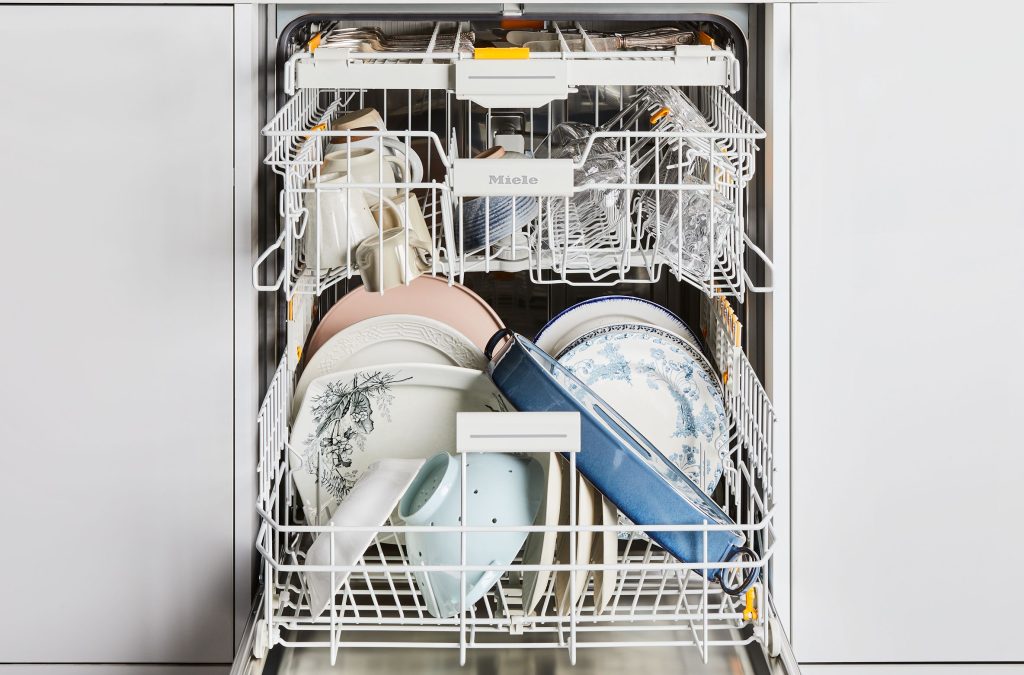
Have you ever stood in your kitchen, staring at a dirty wine glass, and wondered if it could safely go in the dishwasher? You’re not alone.
Many wine enthusiasts and casual drinkers alike ponder this question. After all, wine glasses can be delicate and expensive. You want to keep them looking pristine without the hassle of handwashing every time. But is the convenience of a dishwasher worth the risk?
By the end of this article, you’ll know exactly what to do to keep your wine glasses sparkling and intact. Stay with us to find out the best practices and expert tips for caring for your precious glassware.
Dishwasher Safety For Wine Glasses
Knowing if your wine glasses can survive a trip through the dishwasher is key to keeping them sparkling and intact. Dishwasher safety isn’t just about convenience; it’s about protecting your investment in beautiful glassware. Understanding what materials work well and what risks to watch out for can save you from heartbreak—and broken glasses.
Materials That Withstand Dishwashers
Not all wine glasses are created equal when it comes to dishwasher safety. Glasses made from tempered glass or borosilicate glass usually hold up well under dishwasher conditions. These materials resist heat and sudden temperature changes, reducing the chance of cracking.
On the other hand, crystal glasses often contain lead or other delicate elements that can cloud or chip after repeated dishwasher cycles. Look for glasses labeled as “dishwasher safe” on the packaging or manufacturer’s website before tossing them in. Plastic wine glasses designed for outdoor use are typically dishwasher safe and very durable.
Common Risks To Consider
Even if your wine glasses are made from dishwasher-friendly materials, there are risks that can cause damage. High heat can weaken the glass over time, making it more prone to breaking. Detergents, especially harsh ones, may etch the surface or dull the shine.
Another risk is how you load your dishwasher. Glasses that touch each other can chip or crack during the wash cycle. Have you ever found a shattered glass at the bottom of your dishwasher? This usually happens when glasses aren’t secured properly.
- Place glasses securely, away from heavy pots and pans.
- Use the top rack where heat is less intense.
- Choose gentle or glassware-specific wash cycles.
Ask yourself: is the ease of dishwasher cleaning worth the risk of damaging your favorite wine glasses? Sometimes handwashing might be the safer option to preserve their beauty and durability.
Choosing The Right Dishwasher Settings
Choosing the right dishwasher settings is key to keeping your wine glasses sparkling and safe. The wrong temperature or cycle can cause etching, cloudiness, or even breakage. Let’s look at how you can adjust your dishwasher to protect your delicate glassware.
Optimal Temperature And Cycle
High heat can weaken thin wine glasses over time. Select a gentle or glassware-specific cycle if your dishwasher has one. These cycles usually run at lower temperatures, often around 120°F (49°C), which is enough to clean without damaging glass.
Some dishwashers offer an “eco” or “delicate” setting—these are perfect for your fragile stemware. If yours doesn’t, choose a shorter wash cycle with a lower temperature. Have you noticed how harsh cycles can leave your glasses cloudy? Adjusting temperature might be the fix you need.
Avoiding Harsh Detergents
Not all detergents are safe for wine glasses. Avoid powders or pods with bleach or strong chemicals. These can etch the glass surface, leaving a permanent haze.
Instead, use a mild liquid detergent designed for delicate items. You can even try adding a rinse aid to help prevent water spots and improve drying. Have you tried switching detergents and seen a difference? It’s a simple change that can extend the life of your glassware significantly.
Preparing Wine Glasses For Washing
Preparing wine glasses for washing protects their delicate shape and clarity. Proper care reduces the risk of cracks and cloudiness. Follow simple steps to get glasses ready for the dishwasher or hand wash.
Pre-rinsing And Placement Tips
Remove leftover wine or residue by rinsing glasses with warm water. Avoid using hot water as it may cause sudden temperature changes that can crack glass.
- Rinse gently to avoid scratching the surface.
- Do not soak wine glasses for long periods.
- Place glasses upright in the dishwasher to prevent water pooling inside.
- Keep enough space between glasses to avoid contact during washing.
Securing Glasses To Prevent Damage
Secure glasses to avoid movement and collisions in the dishwasher. This step is crucial for fragile stemware.
- Use the dishwasher’s stemware holders if available.
- Place glasses on the top rack where water pressure is lower.
- Avoid overloading the dishwasher to reduce glass contact.
- Consider using a soft cloth or dishwasher rack protector for extra cushioning.

Credit: www.wineenthusiast.com
Handwashing Vs. Dishwasher
Choosing between handwashing and using a dishwasher for wine glasses affects their clarity and lifespan. Both methods clean glasses but differ in care and convenience. Understanding these differences helps keep wine glasses sparkling and safe.
Benefits Of Handwashing
Handwashing gives you control over the cleaning process. It reduces the risk of damage from high heat or rough handling. Gentle cleaning keeps thin stems and delicate rims intact. You can focus on spots that need extra attention. Handwashing also prevents cloudiness caused by dishwasher detergents. Using mild soap and warm water protects glass shine. Drying by hand stops water spots and streaks. Overall, handwashing extends the life of fine wine glasses.
When To Skip The Dishwasher
Some wine glasses should not go in the dishwasher. Thin or fragile glasses can break easily under dishwasher pressure. Glasses with decorative patterns may fade or peel. Crystal glasses risk etching or dullness from harsh detergents. Avoid dishwashers if your machine has a rough cycle. Skip the dishwasher for glasses with glued parts or delicate stems. Also, handwash glasses with stubborn stains for better results. Knowing when to avoid the dishwasher keeps glasses safe and clear.
Maintaining Wine Glass Clarity
Maintaining the clarity of wine glasses keeps the wine tasting fresh and looks elegant. Clear glasses show off the wine’s color and sparkle. Dirt, stains, or cloudiness can spoil the visual appeal. Proper care ensures glasses stay bright and spotless after every use.
Preventing Cloudiness And Stains
Cloudiness and stains often come from hard water or leftover detergent. Avoid using harsh soaps or strong detergents. Rinse glasses thoroughly with warm water after washing. Use distilled water for the final rinse to stop water spots. Store glasses in a dry, dust-free place to prevent buildup.
Polishing Techniques After Washing
Polishing adds shine and removes smudges or streaks. Use a soft, lint-free cloth for best results. Hold the glass by the bowl, not the stem, to avoid breakage. Polish in a circular motion to catch all areas. Avoid paper towels, which can leave fibers behind.

Credit: www.youtube.com
Special Care For Delicate And Crystal Glasses
Delicate and crystal wine glasses require careful handling to keep their beauty and strength. These glasses often have thin stems and intricate designs. They can easily chip, crack, or lose their shine if not cleaned properly. Proper care ensures they last longer and stay clear without cloudiness.
Identifying Fragile Glass Types
Some glasses need extra attention due to their material or design. Crystal glasses are usually heavier and clearer. They may have a slight rainbow shine when held to light. Thin-stemmed wine glasses are fragile and prone to breakage. Hand-blown glasses often have uneven shapes and delicate edges. Look for markings or labels that say “lead crystal” or “handmade.”
Best Practices For Cleaning
- Wash delicate glasses by hand using warm water and mild soap.
- Avoid hot water, which can cause cracks or cloudiness.
- Use a soft sponge or cloth to prevent scratches.
- Do not twist the stem and bowl in opposite directions.
- Rinse with clean water and dry immediately with a lint-free cloth.
- Place glasses carefully in the dishwasher only if labeled dishwasher-safe.
- Use the gentle or glassware cycle if available.
- Skip high heat drying to protect glass integrity.

Credit: www.wineenthusiast.com
Frequently Asked Questions
Can Wine Glasses Be Safely Washed In A Dishwasher?
Yes, many wine glasses are dishwasher safe. However, delicate or hand-blown glasses may crack or cloud. Use a gentle cycle and avoid high heat to protect them.
What Dishwasher Settings Are Best For Wine Glasses?
Use the dishwasher’s gentle or glassware cycle. Choose low heat and mild detergent to prevent damage or cloudiness on your wine glasses.
Will Dishwashers Damage Delicate Wine Glasses?
Delicate glasses can chip or crack in dishwashers. Hand washing is safer for fragile, thin-stemmed wine glasses to maintain their clarity and shape.
How To Prevent Wine Glasses From Clouding In Dishwasher?
Avoid harsh detergents and high heat. Use a rinse aid and select a gentle cycle to keep wine glasses clear and sparkling after washing.
Conclusion
Wine glasses can often go in the dishwasher, but with care. Choose a gentle cycle and place glasses securely. Avoid high heat to keep them safe and clear. Hand washing remains the safest way for delicate or expensive glasses. Remember, small steps protect your favorite glassware longer.
Clean glasses make every sip better and more enjoyable. Simple habits keep your wine moments special and hassle-free.