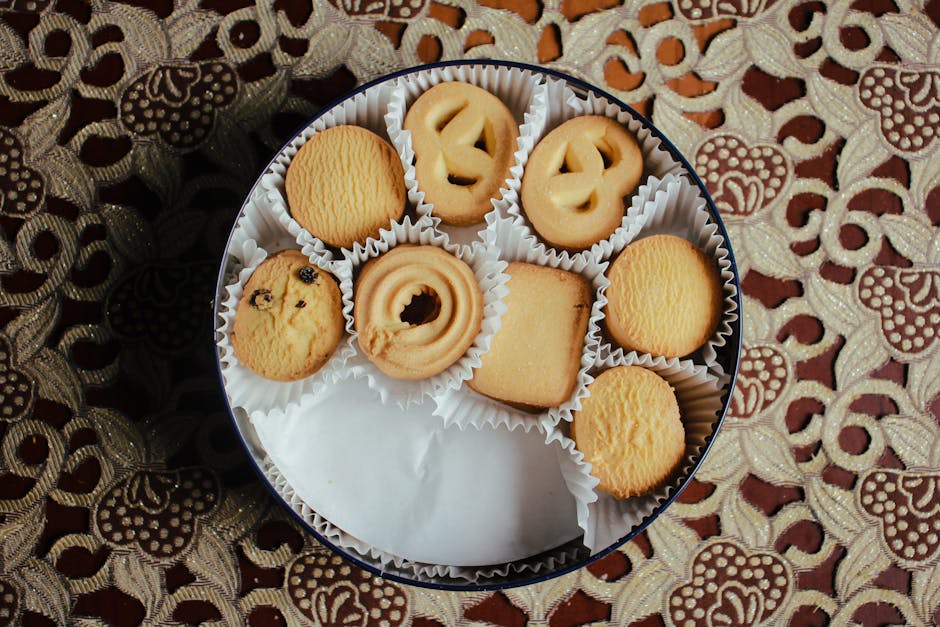
Ever craved a warm, gooey cookie but didn’t want to spend ages waiting for your oven to preheat? What if you could satisfy that sweet tooth in minutes using your microwave oven?
You might wonder if it’s even possible to bake cookies in a microwave. Spoiler alert: it is! Imagine the convenience of crafting a batch of delicious cookies without the hassle. You’ll discover the secrets to making mouthwatering cookies in your microwave.
We’ll guide you through the process, share tips to perfect your recipe, and unveil why this method might become your new favorite. Ready to revolutionize your cookie-baking game? Let’s dive in and explore the possibilities!
Microwave Baking Basics
Baking cookies in a microwave oven is different from using a conventional oven. Understanding the basics helps achieve better results. Microwaves cook food using a unique method. This affects texture and cooking time.
How Microwaves Cook
Microwaves use electromagnetic waves to heat water molecules inside food. These waves make molecules move quickly, producing heat. This heat cooks the food from the inside out. Cooking is faster than in traditional ovens.
Microwaves do not brown or crisp food as ovens do. They heat unevenly if food is not arranged properly. Using microwave-safe containers is important for safety and even cooking.
Differences From Conventional Ovens
Conventional ovens cook food by surrounding it with hot air. This heat cooks food slowly and evenly. It also creates a browned, crispy outer layer on cookies.
Microwaves cook faster but do not produce crispiness. Cookies baked in microwaves may be softer or chewier. The texture is different because no dry heat surrounds the dough.
Temperature control in microwaves is less precise. Cooking times vary by microwave power and cookie size. Experimenting with time and power is key for good results.

Credit: www.yummytummyaarthi.com
Choosing The Right Cookie Recipe
Choosing the right cookie recipe is key for baking in a microwave oven. Microwave ovens cook food quickly and unevenly. This means some cookie recipes work better than others. Selecting a recipe designed for microwave baking helps achieve soft, tasty results without burning or drying out.
Simple recipes with fewer ingredients often perform best. Dense or thick cookies may not cook through properly. Thin, soft, or chewy cookies usually bake more evenly in a microwave. Adjustments to ingredients can also improve texture and baking time.
Best Cookie Types For Microwaving
- Soft and chewy cookies like chocolate chip or peanut butter
- Thin and crispy cookies such as sugar cookies
- Small drop cookies that cook quickly and evenly
- Cookies without nuts or large chunks to avoid uneven cooking
These types heat evenly and stay moist. Thick or cakey cookies often require more time than microwaves allow.
Adjusting Ingredients For Quick Baking
- Use less flour to keep cookies soft
- Reduce baking soda or powder since microwaves don’t brown food
- Increase sugar slightly to add moisture
- Add a little extra butter or oil for tenderness
- Avoid large mix-ins that slow cooking
These changes help cookies bake faster and taste better. Testing small batches lets you find the perfect mix for your microwave.
Preparing Cookies For Microwave
Preparing cookies for the microwave requires a few simple adjustments. The dough needs to be shaped correctly. The right cookware ensures even cooking. Both affect the final taste and texture.
Shaping And Placing Dough
Shape cookie dough into small, flat discs. Avoid making them too thick. Thick dough may not cook evenly in the microwave. Leave space between each dough piece. This allows heat to circulate and prevents sticking. Place the dough on a flat, microwave-safe surface for best results.
Using Microwave-safe Cookware
Choose cookware that is safe for microwave use. Glass or ceramic plates work well. Avoid metal or foil containers. These can cause sparks and damage the microwave. Use a microwave-safe plate or a silicone baking mat. This helps cookies cook evenly and keeps them from sticking.
Microwave Baking Tips
Baking cookies in a microwave oven can be a quick and fun alternative to using a traditional oven. However, it requires some adjustments to get the texture and taste just right. Here are some practical tips that will help you master microwave baking and avoid common pitfalls.
Setting The Correct Power Level
Microwaves cook food differently than conventional ovens, so using full power is rarely the best choice for baking. Most cookies need a medium or medium-high power setting, usually around 50-70%. This helps the cookies bake evenly without burning the edges or leaving the center raw.
Have you noticed your cookies turning tough or rubbery? That’s often because the microwave’s full power cooks too fast. Try reducing the power and see how the texture improves.
Recommended Baking Times
Baking times in a microwave are much shorter than in a regular oven. Typically, cookies only take 1 to 2 minutes, depending on their size and thickness. Start with 60 seconds and add 10-15 seconds if needed.
Keep a close eye on your cookies during the first attempt. They can go from perfectly soft to overdone very quickly. Using a timer with short intervals gives you control over the process.
Avoiding Overcooking
Microwaved cookies continue to cook from residual heat even after you take them out. To prevent overcooking, remove them while they still look slightly underdone. The cookies will firm up as they cool.
Another trick is to place a cup of water inside the microwave during baking. This helps keep the moisture balanced and stops cookies from drying out. Have you tried this simple hack before?
Troubleshooting Common Issues
Baking cookies in a microwave oven can be quick and easy. Still, some common problems may arise. These issues affect the texture and evenness of your cookies. Understanding how to fix these problems helps improve your baking results. Below are common troubleshooting tips for microwave cookie baking.
Cookies Too Soft Or Too Hard
Cookies can turn out too soft if undercooked. Microwaves cook fast but may leave moisture inside. Try increasing cooking time by small increments. Use short bursts and check often to avoid burning.
Cookies become hard when overcooked or left to cool too long inside the microwave. Avoid cooking too long at high power. Let cookies rest a few minutes outside the microwave for better texture.
Uneven Cooking Problems
Microwave ovens heat unevenly. This causes some cookie parts to cook faster than others. Rotate the plate halfway through cooking. Use a microwave-safe plate that allows heat to spread evenly.
Cookies near the edges may cook faster than those in the center. Arrange cookies with space between them. Avoid overcrowding the plate for consistent results.

Credit: www.yummytummyaarthi.com
Enhancing Microwave Cookie Flavor
Baking cookies in a microwave oven can be quick and convenient, but sometimes the flavor needs a little boost to match that of traditional oven-baked treats. Enhancing your microwave cookies doesn’t require extra time or complicated steps. A few smart additions and finishing touches can make your cookies taste richer, more textured, and more satisfying.
Adding Mix-ins
Mix-ins can transform your basic cookie dough into a flavor-packed experience. Try adding chocolate chips, chopped nuts, or dried fruits directly into the dough before microwaving. These ingredients not only add bursts of flavor but also create interesting textures that keep every bite exciting.
Spices like cinnamon or nutmeg also work well when mixed into the dough. They can bring warmth and depth to your cookies, turning a simple recipe into something special. Have you ever tried a pinch of sea salt or a sprinkle of crushed peppermint to add contrast?
Quick Glazes And Toppings
Applying a glaze or topping after microwaving can elevate your cookies instantly. A simple drizzle of honey or maple syrup adds sweetness and moisture. You can also brush a thin layer of melted butter mixed with powdered sugar for a shiny, sweet finish.
Sprinkle toppings like coarse sugar, mini chocolate chips, or shredded coconut on warm cookies to add visual appeal and texture. These small touches make your microwave cookies feel more indulgent and homemade. What toppings have you found surprising but delicious on your quick-bake cookies?
Safety Tips For Microwave Baking
Baking cookies in a microwave oven is quick and convenient. Safety should be a top priority to avoid accidents and ensure great results. Follow these simple safety tips to protect yourself and your kitchen while enjoying microwave baking.
Handling Hot Cookware
Microwave cookware can become very hot during baking. Always use oven mitts or thick towels to remove dishes. Avoid touching the hot surface directly with bare hands. Let cookware cool down before cleaning or moving it. Use microwave-safe containers designed to handle heat. Thin or plastic containers may melt or warp, causing burns or spills.
Avoiding Microwave Hazards
- Do not use metal pans or utensils in the microwave. They cause sparks and fires.
- Keep the microwave clean to prevent smoke and odors.
- Never leave the microwave unattended while baking cookies.
- Check the microwave’s power level. High heat may burn cookies or cause overheating.
- Use timers and alarms to prevent overcooking or burning.
- Ensure the microwave door seals properly to avoid radiation leaks.

Credit: www.shutterstock.com
Frequently Asked Questions
Can You Bake Cookies In A Microwave Oven?
Yes, you can bake cookies in a microwave oven. Use microwave-safe cookware and adjust cooking time. Results differ from traditional baking, but it’s quick and convenient.
How Long Does It Take To Microwave Cookies?
Microwave cookies typically take 1 to 3 minutes to cook. Cooking time depends on cookie size and microwave power. Check frequently to avoid overcooking.
What Texture Do Microwave-baked Cookies Have?
Microwave-baked cookies are softer and chewier than oven-baked ones. They may lack the crispy edges but remain moist inside.
Can All Cookie Recipes Be Microwaved?
Not all cookie recipes suit microwaving. Simple doughs with fewer ingredients work best. Avoid recipes needing browning or crisping.
Conclusion
Baking cookies in a microwave oven is quick and simple. You can enjoy warm cookies without using a big oven. The texture may differ from traditional baking, but the taste stays good. Experiment with time and power settings to find what works best.
This method suits small batches or quick snacks. Give it a try and enjoy fresh cookies anytime. No need to wait long for a sweet treat. Microwave baking saves time and effort in the kitchen.