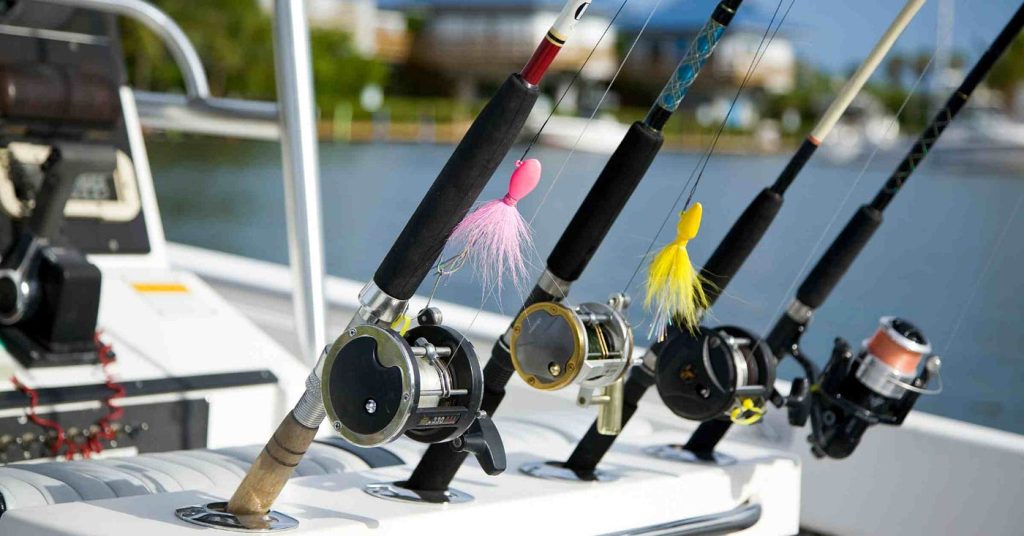
Are you planning a fishing trip and wondering if you can bring your fishing rod on a plane? You might be unsure about airline rules, baggage limits, or how to protect your gear during the flight.
This can be confusing and stressful, especially if your fishing rod is an important part of your adventure. Keep reading to find clear answers and smart tips that will help you travel with your fishing rod without any hassle. Your next great catch could depend on it!
Airline Policies On Fishing Rods
Carrying a fishing rod on a plane depends on airline rules. These rules vary by airline and flight type.
It is important to know the policies before you travel. This helps avoid problems at the airport.
Major Airline Rules
Most major airlines allow fishing rods as checked baggage. They usually must be packed in a hard case.
Some airlines limit the length and weight of fishing rods. Carry-on rules are stricter and often do not allow fishing rods.
- Fishing rods must be packed securely to prevent damage.
- Check size and weight limits on the airline’s website.
- Declare fishing rods at check-in if required.
- Some airlines may charge extra fees for oversized items.
Low-cost Carrier Restrictions
Low-cost carriers usually have tighter baggage rules. They may not allow fishing rods as carry-on or checked bags without fees.
Always check the specific low-cost airline’s policy before booking. Fees and restrictions can vary widely.
| Low-Cost Carrier | Fishing Rod Allowed | Extra Fees | Carry-on Allowed |
| Airline A | Yes, checked only | Yes | No |
| Airline B | No | N/A | No |
| Airline C | Yes, checked only | Depends on size | No |
International Flight Variations
Rules for fishing rods on international flights vary by country and airline. Customs rules may also affect what you can bring.
Some countries restrict fishing gear to prevent invasive species. Always check customs and airline policies before flying internationally.
Pack fishing rods carefully and carry documentation if required. This helps smooth your travel through security and customs.

Credit: www.reddit.com
Packing Fishing Rods For Air Travel
Traveling with fishing rods on a plane requires careful packing. Protect your gear to avoid damage during the flight.
Using the right case and packing methods helps keep your rods safe. Follow simple tips to prepare your fishing rods.
Choosing The Right Case
Select a case that fits your fishing rod well. Hard cases offer strong protection against impacts. Soft cases are lighter but less protective.
- Use a hard case for long trips and checked baggage.
- Choose a soft case for carry-on if allowed by the airline.
- Look for padded cases to reduce shock.
- Ensure the case has secure locks or zippers.
Disassembling Your Rod
Take apart your fishing rod to make packing easier and safer. Most rods come in two or more pieces.
Keep all parts together to avoid losing anything. Store small pieces like tips and reels separately if possible.
Protective Wrapping Tips
| Material | Purpose | How to Use |
|---|---|---|
| Bubble Wrap | Cushions rod sections | Wrap around each piece before packing |
| Cloth or Towels | Prevents scratches | Wrap rod parts tightly to avoid rubbing |
| Plastic Bags | Keeps moisture out | Cover wrapped rod pieces before placing in case |
| Foam Tubes | Protects rod tips | Slide over tips to avoid breakage |
Wrap each rod piece carefully. Use soft materials to protect fragile parts. Avoid tight packing that may cause pressure.
Carry-on Vs Checked Baggage
Bringing a fishing rod on a plane can be tricky. Airlines have rules about carry-on and checked baggage.
You must know the differences to avoid problems at the airport. This guide helps you understand your options.
Advantages Of Carry-on
Carrying your fishing rod as carry-on keeps it safe with you. You can watch it during your flight.
This option lowers the risk of damage or loss. You also avoid extra fees some airlines charge for checked sports gear.
- You control your fishing rod at all times
- Less chance of damage or theft
- No extra checked baggage fees
- Easier to retrieve after landing
Risks Of Checked Luggage
Checking your fishing rod means it goes in the plane’s cargo hold. This can cause damage during handling.
Your rod may get lost or delayed. Some airlines charge extra for sports equipment in checked bags.
- Higher risk of breaks or scratches
- Possible loss or delay of your rod
- Extra fees may apply
- Less control over your gear
Size And Weight Limits
Airlines have rules about the size and weight of carry-on and checked items. Fishing rods can be long and heavy.
You must check your airline’s specific limits before you pack. Oversized rods may need special handling or fees.
| Type | Typical Size Limit | Typical Weight Limit |
|---|---|---|
| Carry-On | Usually under 22 x 14 x 9 inches | Often under 15-22 pounds |
| Checked Baggage | Varies, often up to 62 linear inches | Usually up to 50 pounds without fees |
Security Checkpoints And Fishing Gear
Carrying fishing gear on a plane requires some planning. You must follow airport security rules. This helps keep all passengers safe.
Knowing what is allowed and how to pack your gear will make your trip easier. This guide covers important tips for fishing rods and tackle at security checkpoints.
Tsa Guidelines
The TSA allows fishing rods in both carry-on and checked bags. Each airline may have size limits, so check before you fly. Fishing reels are usually allowed too.
- Fishing rods should be packed securely to avoid damage.
- Reels and fishing lines can stay attached if safe.
- Some airports may ask you to open your gear for inspection.
- Always declare your fishing gear if asked by security officers.
Handling Hooks And Sharp Items
Hooks and sharp items are not allowed in carry-on bags. You must pack these in your checked luggage. This rule helps prevent injuries during security checks.
| Item | Carry-On Allowed | Checked Bag Allowed |
| Fishing Hooks | No | Yes |
| Knives or Cutters | No | Yes |
| Fishing Rods | Yes | Yes |
| Fishing Reels | Yes | Yes |
Dealing With Security Delays
Security checks may take longer if you carry fishing gear. Be ready to show your items to TSA officers. This can slow down the process.
- Arrive at the airport early to allow extra time.
- Keep your fishing gear organized and easy to inspect.
- Follow all instructions given by security staff.
- If your gear causes delays, stay patient and polite.
International Travel Considerations
Traveling with a fishing rod on a plane requires understanding rules for different countries. Each nation has its own laws about bringing fishing gear in.
Knowing these rules helps avoid delays or penalties at airports and border controls during international travel.
Customs Regulations
Customs rules vary by country and affect what fishing equipment you can bring. Some countries may ask for declarations or inspections of fishing rods.
- Always check if fishing rods must be declared at customs
- Carry proof of purchase or ownership if asked
- Be prepared for extra screening of your fishing gear
Import Restrictions
Many countries limit types of fishing rods or materials allowed inside. Restrictions can apply to rod length, materials, or attached items like hooks.
| Country | Rod Length Limit | Material Restrictions |
| Country A | Up to 2 meters | No wooden rods |
| Country B | Up to 1.5 meters | Allowed all materials |
| Country C | No limit | No carbon fiber |
Local Fishing Laws
Each destination has rules about fishing seasons, licenses, and allowed species. Following local laws avoids fines or legal trouble.
- Check if you need a fishing license before arrival
- Learn about open and closed fishing seasons
- Know which fish species are protected or banned
- Understand local catch limits and gear restrictions
Alternative Shipping Options
Bringing a fishing rod on a plane can be tricky. Many travelers look for other ways to send their gear safely. Alternative shipping options help avoid airline restrictions and damage.
Below are some common methods to ship fishing rods. These options vary in cost, timing, and convenience.
Using Courier Services
Courier companies offer reliable ways to ship fishing rods. They provide special packaging and tracking services. This method keeps your gear safe during transit.
- Choose a courier that handles fragile items
- Use a hard or padded case for protection
- Label the package clearly with your contact info
- Check for insurance options to cover loss or damage
Shipping To Destination
Shipping a fishing rod to your destination may take time. Some companies offer door-to-door delivery, while others require pickup at a local office.
| Shipping Method | Delivery Time | Pickup Option |
| Standard Courier | 3-7 business days | Yes |
| Express Courier | 1-3 business days | Yes |
| Postal Service | 5-14 business days | Sometimes |
Cost And Timing
Costs depend on size, weight, and shipping speed. Faster delivery usually costs more. Planning ahead can save money and stress.
- Measure and weigh the packed fishing rod
- Compare prices from different couriers
- Choose a shipping option that fits your budget and schedule
- Book the shipment early to avoid delays
Tips For Stress-free Travel With Fishing Gear
Traveling with fishing rods can be tricky but easy with good planning. Packing and carrying your gear safely helps avoid problems.
Knowing the rules and preparing your equipment will make your trip smooth. Here are some tips for flying with fishing rods.
Booking Flights
Choose an airline that allows fishing rods as checked or carry-on items. Check the size and weight limits for sports gear.
Book flights early to reserve space for your fishing equipment. Some airlines have limited spots for large items.
- Contact the airline before booking
- Ask about fees for fishing gear
- Reserve space if needed
- Check baggage size and weight rules
Labeling And Documentation
Label your fishing rod case with your name and contact details. This helps if your gear gets lost.
Keep receipts or proof of purchase for your equipment. Some airlines or security may ask for documents during travel.
- Use a sturdy tag on the rod case
- Include your phone number and email
- Keep purchase receipts handy
- Carry any required permits for fishing gear
Insurance For Equipment
Get insurance for your fishing rods and gear. This protects you in case of loss or damage during travel.
Check if your travel insurance covers sports equipment. You can also buy special insurance for fishing gear.
- Review your current travel insurance policy
- Consider extra insurance for expensive gear
- Keep photos and receipts for claims
- Report damage or loss immediately
Credit: veronicahanson.medium.com
Credit: veronicahanson.medium.com
Frequently Asked Questions
Can You Carry A Fishing Rod On A Plane?
Yes, you can carry a fishing rod on a plane. It’s best to check with your airline for specific size restrictions. Most airlines allow fishing rods as checked luggage. Some may permit them as carry-on items if they fit within overhead bin dimensions.
What Are The Airline Rules For Fishing Rods?
Airline rules for fishing rods vary. Generally, they allow them as checked luggage. Always check your airline’s guidelines for specific size and weight restrictions. Some airlines may require fishing rods to be securely packed in a protective case.
Can Fishing Rods Be Packed In Checked Luggage?
Yes, fishing rods can be packed in checked luggage. Ensure they are securely packed to prevent damage. Use a protective case or cover, and check your airline’s size and weight restrictions. It’s a good idea to label your equipment for easy identification.
Are There Size Limits For Fishing Rods On Planes?
Yes, there are size limits for fishing rods on planes. These limits vary by airline. Typically, rods must fit within the airline’s maximum length for checked items. Always consult your airline’s guidelines to ensure your fishing rod complies with their size requirements.
Conclusion
Carrying a fishing rod on a plane is usually allowed. Airlines have different rules, so check before you travel. Pack your rod carefully to avoid damage and delays. Declare your fishing gear at security checkpoints for smooth screening. Following these steps makes flying with your rod easy and stress-free.
Enjoy your fishing trip without worries about your gear. Safe travels and tight lines!