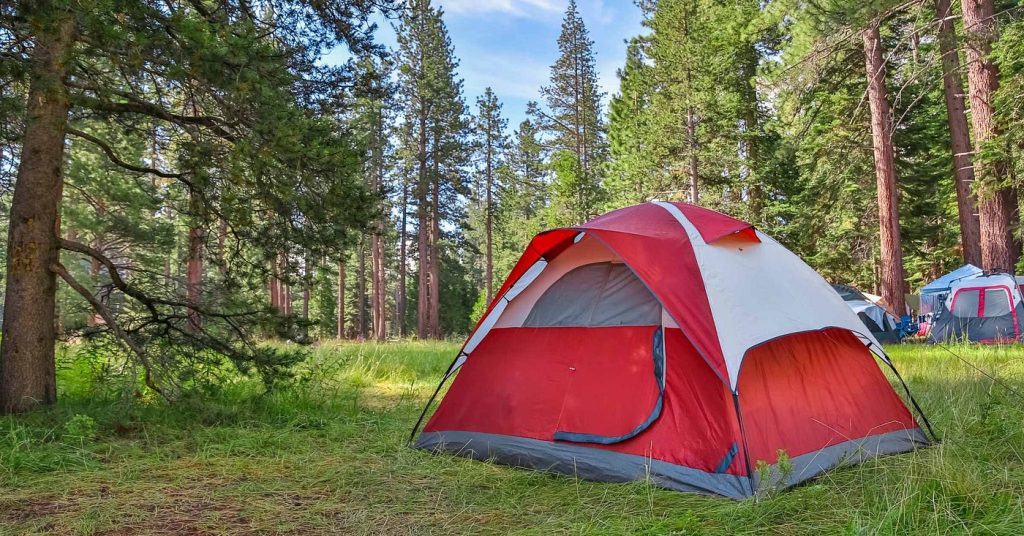
Are you planning your next outdoor adventure and wondering if you can bring a tent on a plane? Carrying a tent might seem simple, but there are some important rules and tips you should know before you pack.
Knowing what’s allowed can save you from last-minute airport stress and unexpected fees. Keep reading to discover exactly how to travel with your tent smoothly and confidently. Your next camping trip starts here!
Bringing Tents On Planes
Many travelers want to bring tents on planes for camping trips. Knowing airline rules helps avoid problems at the airport. Each airline has policies about tents and camping gear.
This guide explains what you need to know about carrying tents on flights. It covers airline policies, baggage rules, and size limits.
Airline Policies For Tents
Most airlines allow tents as part of checked or carry-on baggage. Some may have special rules for tent poles or stakes. You must check with your airline before traveling.
- Some airlines treat tents like camping gear with no extra fees.
- Tent poles may be considered sharp objects and need special packing.
- Stakes and metal parts might be prohibited in carry-on bags.
- Always declare your tent at check-in if asked.
Carry-on Vs Checked Baggage Rules
Tents usually go in checked baggage because of size and weight. Carry-on tents must meet strict size limits. Poles and stakes are often not allowed in carry-on bags.
- Carry-on tents must fit in overhead bins or under seats.
- Checked bags can hold larger tents but must follow weight limits.
- Pack tent poles inside checked bags to avoid carry-on restrictions.
- Remove sharp stakes from carry-on to avoid security issues.
Size And Weight Restrictions
Airlines set size and weight limits for all baggage. Tents must fit within these limits. Oversized or overweight tents may need extra fees or special handling.
| Bag Type | Typical Size Limit | Weight Limit |
|---|---|---|
| Carry-On | 22 x 14 x 9 inches (56 x 36 x 23 cm) | 7-10 kg (15-22 lbs) |
| Checked Baggage | 62 linear inches (length + width + height) | 23-32 kg (50-70 lbs) |
Credit: veronicahanson.medium.com
Types Of Tents Suitable For Air Travel
Traveling by plane with a tent is possible if you choose the right type. Some tents are easier to pack and meet airline regulations.
Understanding the different types of tents can help you decide which one is best for your air travel needs.
Ultralight Backpacking Tents
Ultralight backpacking tents are ideal for travelers who want to minimize weight. These tents are compact and fit easily into carry-on luggage.
- Weigh less than 2 pounds
- Small packing size
- Single or double-person capacity
Compact Pop-up Tents
Compact pop-up tents are convenient for quick setup. They are lightweight and fold into a small circle, making them easy to carry.
| Feature | Details |
| Setup Time | Under 5 minutes |
| Weight | 3 to 4 pounds |
| Packing Size | 24 to 28 inches in diameter |
Inflatable Tents
Inflatable tents offer more space and comfort. They use air beams instead of poles, making them easy to inflate and deflate.
Packing Tips For Tent Travel
Packing a tent for air travel needs care. You want to keep it safe and easy to carry.
Here are some tips to help you pack your tent well for the plane ride.
Disassembling And Packing The Tent
Take apart your tent carefully. Fold it neatly to save space. Keep all pieces together so nothing gets lost.
- Remove all stakes and poles from the tent body.
- Shake off dirt and dry the fabric to avoid mold.
- Fold the tent in a long, thin shape to fit your bag.
- Place the tent and all parts in a single bag or sack.
Protecting Tent Poles And Fabric
Protect your poles from bending and your fabric from tears. Use padding and separate the poles from the tent body.
| Item | Protection Tip |
|---|---|
| Tent Poles | Wrap in bubble wrap or a soft cloth before packing. |
| Tent Fabric | Keep dry and fold gently to avoid creases. |
| Stakes | Place in a small pouch to avoid poking other gear. |
Using Compression Bags
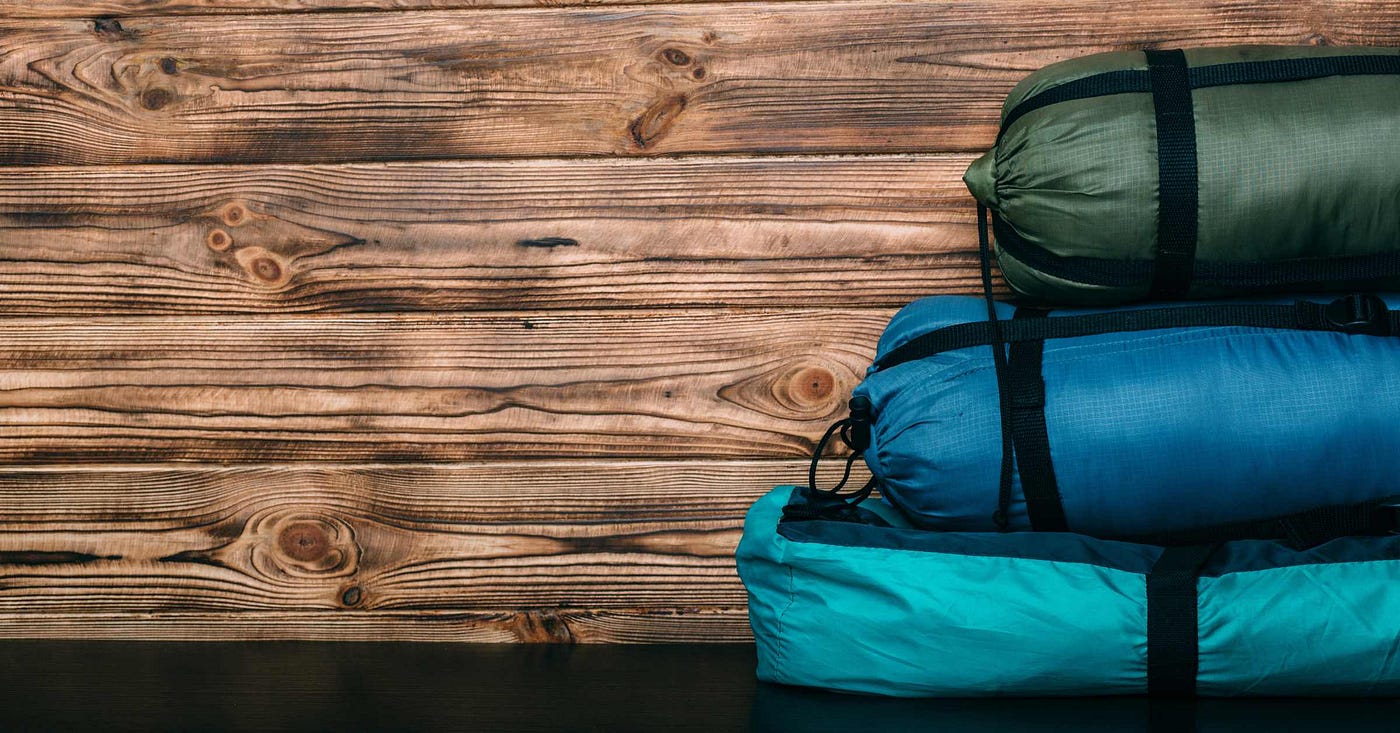
Compression bags save space and protect your tent from moisture. They squeeze out air to make the package smaller.
- Choose a bag just big enough for your tent.
- Place the folded tent and poles inside the bag.
- Press the bag to remove air before sealing it.
- Check the bag for holes or weak spots before travel.

Credit: www.reddit.com
Additional Gear To Consider
Bringing a tent on a plane is just one part of your camping gear. You may want to pack other important items for comfort and safety.
Choosing the right additional gear helps you enjoy your trip. Think about what you need besides your tent.
Sleeping Bags And Pads
Sleeping bags keep you warm and comfortable at night. They come in different sizes and temperature ratings.
Sleeping pads add cushioning and help keep you off the cold ground. They make sleeping better and protect your back.
- Choose a sleeping bag that fits the climate
- Pick a pad that is lightweight and easy to carry
- Consider compact options for plane travel
Portable Camping Stoves
Portable camping stoves help you cook food outdoors. They are small and easy to pack in your luggage.
Make sure your stove uses fuel allowed on planes. Carry fuel separately in approved containers if needed.
- Look for lightweight and compact stoves
- Check airline rules about fuel types and containers
- Bring matches or lighters in carry-on if allowed
Essential Tools And Repairs
Tools help fix problems with your tent or gear during the trip. Basic tools can save your camping day.
Bring repair kits for tents, extra stakes, and duct tape. These items are small but useful for quick fixes.
- Small multi-tool or pocket knife
- Tent repair patches and glue
- Extra tent stakes and guy lines
- Duct tape pieces wrapped around a card
Navigating Security Checks
Bringing a tent on a plane can make your camping trip easier. It is important to know the rules at security checkpoints. Understanding what to declare and how to handle inspections helps avoid problems.
This guide covers key points about declaring camping gear, dealing with TSA inspections, and common issues to avoid. Follow these tips to pass security checks smoothly.
Declaring Camping Equipment
You must declare your tent and related equipment at security. Items like tent poles and stakes may look suspicious. Always be honest and clear about what you are carrying.
- Inform the TSA officer about your tent
- Show the tent and accessories when asked
- Keep your camping gear organized for easy inspection
- Declare any sharp objects like tent stakes or knives
Dealing With Tsa Inspections
TSA officers may inspect your tent and gear carefully. Be patient and cooperate. The inspection can include opening your bag and testing items.
| Item | Possible Inspection | Tip |
| Tent poles | Checked for sharp edges | Pack separately if possible |
| Tent stakes | May be flagged as sharp objects | Wrap in cloth or case |
| Camping knives | Must be declared | Pack in checked luggage |
| Fuel canisters | Not allowed in carry-on | Check airline rules |
Avoiding Common Issues
Many travelers face delays due to unclear packing or lack of declaration. Avoid these problems by following simple steps before your flight.
- Check airline and TSA rules for camping gear
- Use clear bags or cases for small parts
- Separate sharp items and pack them properly
- Declare all camping equipment at security checkpoints
- Arrive early to allow extra time for inspection

Credit: www.reddit.com
Alternative Options For Tent Travel
Carrying a tent on a plane can be tricky due to size and weight limits. There are other ways to have a tent ready at your travel spot. These options can save you time and stress.
Here are some common alternatives to bringing your own tent on a flight. Each method has its own benefits depending on your needs and destination.
Renting Tents At Destination
Many camping sites and outdoor stores offer tent rentals. Renting lets you avoid the hassle of carrying your own gear. You can pick a tent that fits your group size and comfort needs.
- No need to carry heavy equipment on the plane
- Access to modern and well-maintained tents
- Options for different tent types and sizes
- Easy pick-up and drop-off at or near the campsite
Shipping Tents Ahead
Shipping your tent to your destination before you arrive is another option. You can send it via mail or courier service to a trusted address. This avoids airline baggage limits but needs careful planning.
| Pros | Cons |
| Arrives ready for use | Extra cost for shipping |
| Avoids airline size and weight rules | Risk of delay or loss |
| Less to carry during travel | Needs local contact or storage |
Using Campsite Rentals
Some campsites offer tents or cabins for rent. These are set up before your arrival. This option is great if you want a quick and easy camping experience without gear.
- Pre-set tents save setup time
- Often include sleeping gear and furniture
- Good for beginners or short trips
- Check campsite policies and availability
Frequently Asked Questions
Can I Carry A Tent In My Carry-on Luggage?
Yes, small tents can be carried in your carry-on if they fit size limits. Check airline rules for dimensions and weight before packing.
Are Tents Allowed In Checked Baggage On Planes?
Most airlines allow tents in checked baggage. Ensure the tent is packed securely and follows airline weight restrictions.
Do I Need To Declare A Tent At Airport Security?
Usually, you don’t need to declare a tent. However, be prepared for security checks and possible inspection of tent poles.
Can Tent Poles Be Considered A Security Risk?
Tent poles may be scrutinized but are generally allowed. Carry them safely to avoid damage or confiscation during security screening.
Conclusion
Bringing a tent on a plane is usually allowed with some rules. You can carry it in your checked luggage or as a carry-on if it fits. Make sure to check the airline’s size and weight limits before packing. Avoid packing sharp tent stakes in your carry-on bag.
Planning ahead saves time and stress at the airport. A little preparation helps you enjoy your trip and camping. Always follow airline rules to keep your journey smooth and safe. Traveling with a tent is easy when you know what to do.