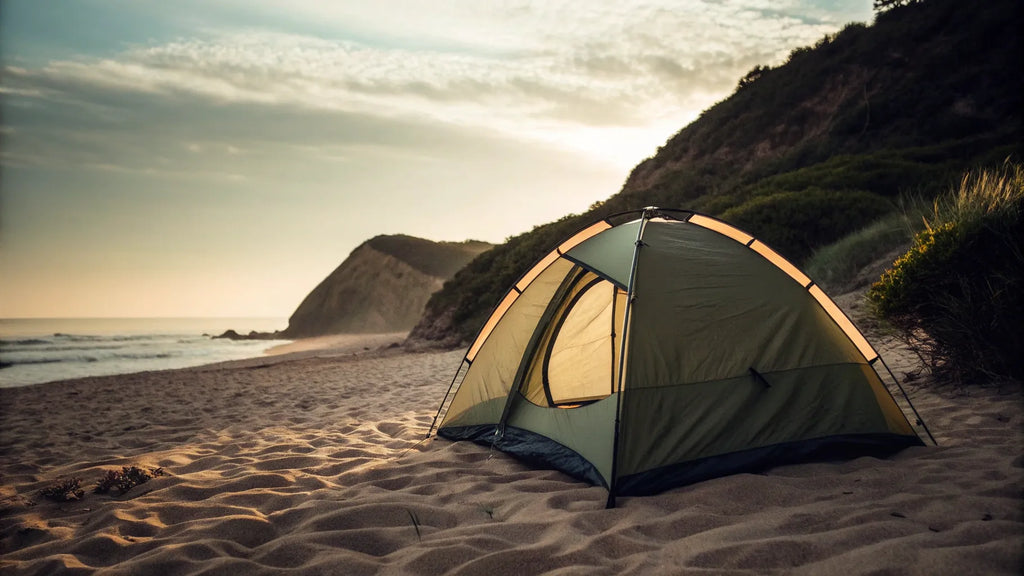
Are you planning a day at the beach and wondering if you can bring your own tent? You might want extra shade, a cozy spot to relax, or a place to store your things safely.
But before you pack up that tent, it’s important to know the rules and practical tips to make your beach trip smooth and stress-free. Keep reading, because what you learn here could save you from surprises and help you enjoy your time by the sea to the fullest.
Credit: www.battlbox.com
Beach Tent Rules
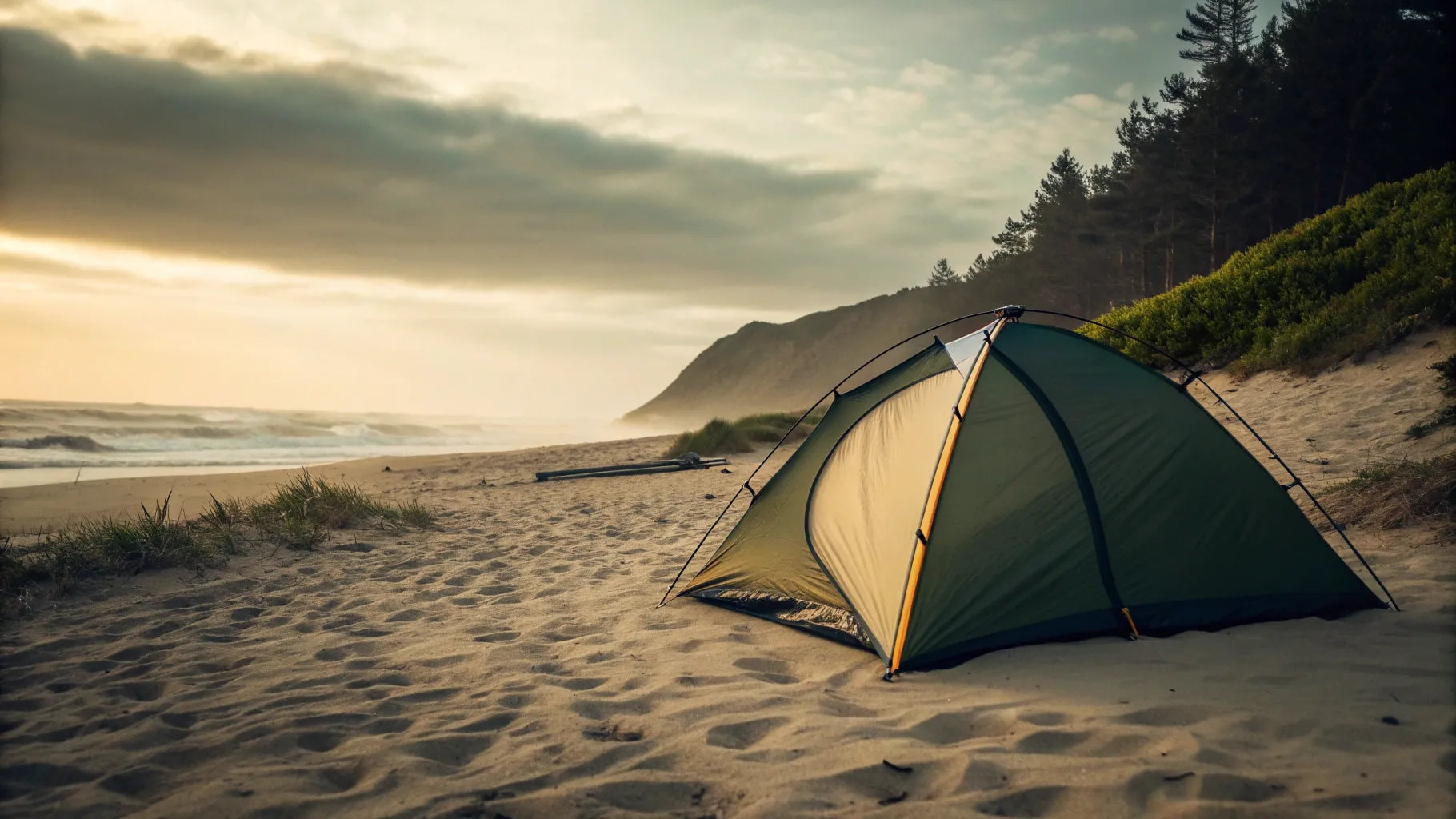
Bringing a tent to the beach can help you stay cool and protected from the sun. Many beaches allow tents, but there are rules you must follow.
These rules keep the beach safe and enjoyable for everyone. Knowing the rules before you go helps avoid fines or having to take down your tent.
Local Regulations
Each beach has its own rules about tents. Some beaches allow only small tents, while others limit where you can put them.
Check local signs or websites to learn the specific rules for the beach you plan to visit. This helps keep the beach clean and safe.
- Some beaches ban tents near dunes or wildlife areas
- Others require tents to be a certain distance from the water
- Beach staff may ask you to remove a tent if it blocks pathways
Permit Requirements
Some beaches need a permit before you set up a tent. This is common at busy or protected beaches.
Permits help control how many tents are on the beach. They also make sure tents do not harm the environment.
- Permits may be free or cost a small fee
- Apply for permits online or at beach offices
- Always keep your permit visible if required
Time Restrictions
Many beaches limit the hours tents can be set up. This rule helps keep the beach clear at night.
Some beaches require tents to be removed before closing time or after sunset. Follow these rules to avoid penalties.
- Set up tents only during allowed hours
- Remove tents promptly at closing time
- Check local beach schedules for time rules
Choosing The Right Tent
Bringing a tent to the beach can be a great idea for shade and privacy. Choosing the right tent ensures you have a comfortable and relaxing time by the sea.
Consider factors like size, weight, material, durability, and UV protection before making your choice.
Size And Weight
The size and weight of the tent are crucial for easy transport and setup. You want a tent that is large enough for your needs but also light enough to carry.
- Determine the number of people using the tent
- Choose a lightweight model for easy carrying
- Ensure it fits in your vehicle or beach bag
Material And Durability
Beach tents face sand, wind, and saltwater. Picking the right material is vital. Durable fabrics last longer and withstand harsh conditions.
| Material | Durability |
| Polyester | High |
| Nylon | Medium |
| Cotton | Low |
Uv Protection
Sun protection is important at the beach. A tent with UV protection helps shield you from harmful rays, keeping your skin safe.
Look for tents labeled with a high UPF (Ultraviolet Protection Factor). This indicates better protection.
Setting Up Your Tent
Bringing a tent to the beach can make your day more comfortable. Setting it up correctly helps you enjoy your time outside.
Knowing where and how to place your tent is important. It keeps you safe and protects your belongings.
Best Locations On The Beach
Choose a spot with flat sand and some shade if possible. Avoid areas near the waterline to prevent tides from reaching your tent.
Look for places away from crowds. This helps you relax and keeps your tent safe from accidental bumps.
Anchoring Techniques
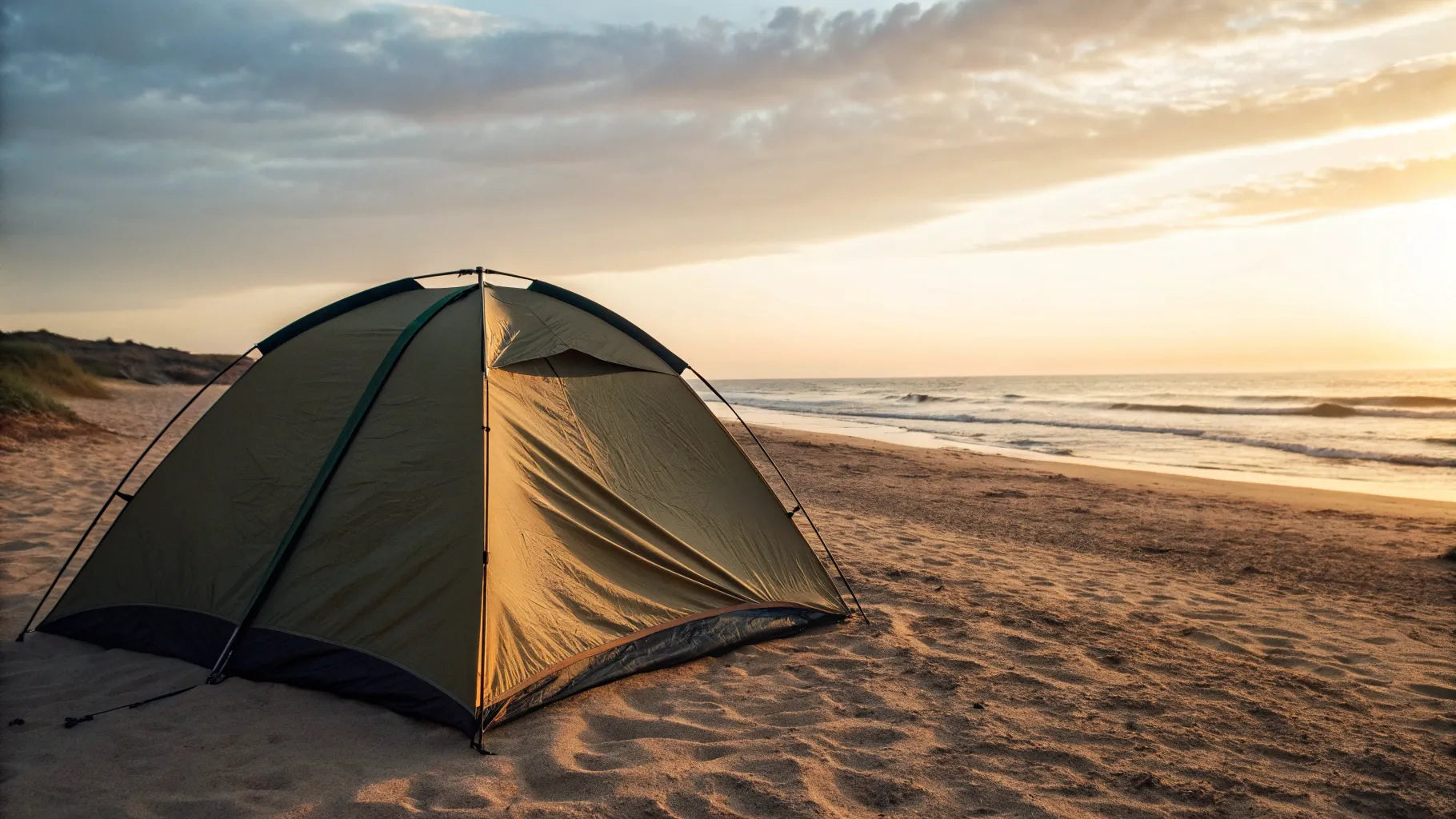
Strong anchoring keeps your tent stable, even in windy conditions. Use special sand stakes or heavy objects to secure your tent.
- Push sand stakes deep into the sand at an angle.
- Use heavy bags filled with sand as anchors.
- Tie guy lines tightly and check them often.
- Place stakes away from walking paths to avoid tripping.
Safety Tips
| Safety Tip | Reason |
| Keep the tent away from water | Prevents flooding during high tide |
| Check wind conditions | Helps avoid tent collapse |
| Secure all openings | Keeps sand and insects out |
| Use sun protection nearby | Protects skin when outside the tent |
Credit: www.battlbox.com
Beach Tent Etiquette
Bringing a tent to the beach can make your visit more comfortable. You get shade and a place to rest. But it is important to follow good etiquette.
This guide will help you understand how to use your beach tent without disturbing others. Respect and care keep the beach fun for everyone.
Respecting Other Visitors
Set up your tent in a spot that does not block views or paths. Keep a good distance from other groups. Avoid crowding the space.
- Choose a flat, open area away from busy spots.
- Leave enough space so others can walk freely.
- Do not place your tent too close to other tents.
- Avoid blocking the beach entrance or lifeguard views.
Noise And Privacy
Keep your noise level low to respect others’ peace. Use headphones for music. Speak quietly inside and near your tent.
| Noise Source | Recommended Action |
| Music | Use headphones or low volume |
| Talking | Speak softly and avoid shouting |
| Children Playing | Supervise to keep noise reasonable |
Cleanup And Waste Disposal
Always clean up your area before leaving. Take all trash and belongings with you. Protect the beach environment.
- Pick up all litter, even small pieces
- Fold and carry your tent properly
- Dispose of waste in designated bins
- Check the area for forgotten items
Additional Beach Gear
Bringing extra gear to the beach makes your day more fun and comfortable. Besides a tent, many items help you relax and enjoy.
Think about what you need to stay cool, safe, and entertained during your visit.
Chairs And Coolers
Beach chairs offer a comfy place to sit and rest. They keep you off the hot sand. Coolers keep drinks and snacks cold all day.
Choose lightweight chairs and coolers with good handles. This makes carrying them easier.
- Folding beach chairs with cup holders
- Soft-sided coolers for easy transport
- Insulated coolers to keep ice longer
- Portable coolers with wheels for heavy loads
Sun Protection Accessories
Sun protection is key for a safe beach day. Sunglasses, hats, and sunscreen protect your skin and eyes from damage.
Use umbrellas or pop-up shade shelters if you want extra shade besides your tent.
- Wide-brim hats to shade face and neck
- Sunglasses with UV protection
- Water-resistant sunscreen with SPF 30 or higher
- Beach umbrellas or portable sun shelters
Entertainment Options
Bring items to keep everyone busy and happy. Games, books, and music add fun to your beach time.
Pick things that are easy to carry and use on the sand.
- Frisbees and beach balls for active play
- Portable speakers for music
- Books or magazines for quiet time
- Sand toys for kids
Credit: www.battlbox.com
Frequently Asked Questions
Can I Bring A Tent To Public Beaches?
Most public beaches allow tents but check local rules first. Some beaches have restrictions due to safety or space. Always follow beach regulations to avoid fines or removal.
What Type Of Tent Is Best For The Beach?
Choose a lightweight, UV-resistant, and easy-to-assemble tent. Pop-up tents or beach shelters work well for sun protection. Make sure it has good ventilation to stay cool.
Are There Size Limits For Beach Tents?
Many beaches limit tent size to ensure space for others. Common limits are around 8×8 feet but vary by location. Check local beach policies before bringing a large tent.
Do I Need A Permit To Set Up A Tent?
Most beaches don’t require permits for small tents. However, larger or commercial tents often need permission. Always verify with local authorities to avoid issues.
Conclusion
Bringing a tent to the beach can make your day more comfortable. Check local rules before setting up your tent. Some beaches allow tents, while others have restrictions. Choose a spot with enough shade and space. Secure your tent well to avoid wind troubles.
Enjoy your time, stay safe, and respect nature. A simple tent can add fun to your beach visit. Remember to pack out all your trash and leave no trace. This way, everyone can enjoy the beach clean and beautiful.