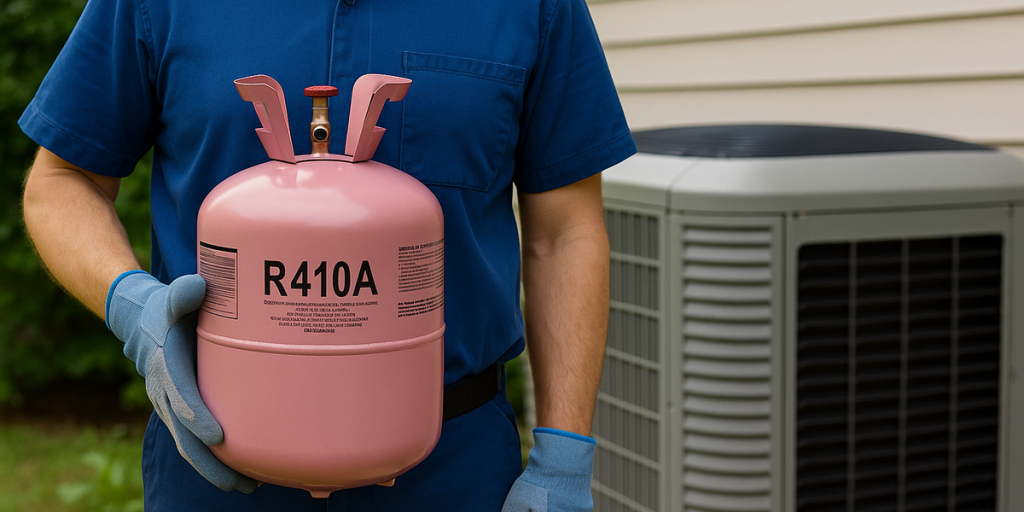
Are you wondering if you can buy Freon for your home air conditioner? If your AC isn’t cooling like it used to, you might think adding Freon is a quick fix.
But before you rush to buy it, there are important facts you need to know. Understanding how Freon works and whether you can get it yourself can save you time, money, and headaches. Keep reading to find out what’s really involved in buying and using Freon for your home air conditioner.

Credit: atlasacrepair.com
Understanding Freon And Its Role
Freon is a common term for refrigerants used in air conditioners. It helps cool the air inside your home. Many people wonder if they can buy Freon for their home air conditioner.
This guide explains what Freon is, its importance, and the alternatives available today.
What Is Freon?
Freon is a brand name for a group of chemicals called chlorofluorocarbons (CFCs) and hydrochlorofluorocarbons (HCFCs). These chemicals work as refrigerants in cooling systems.
They absorb heat from inside your home and release it outside, making your space cooler.
Importance In Air Conditioning
Freon plays a key role in the air conditioning process. It carries heat away from indoor air and helps maintain a comfortable temperature.
- Absorbs heat inside the air conditioner
- Changes from liquid to gas and back to liquid
- Works with compressor and coils to cool air
- Keeps the air conditioner efficient
Freon Alternatives
Due to environmental concerns, many types of Freon have been phased out. New refrigerants now replace older ones.
| Refrigerant Type | Environmental Impact | Common Use |
| R-22 (old Freon) | High ozone depletion | Older air conditioners |
| R-410A | No ozone depletion | Newer air conditioners |
| R-32 | Lower global warming | Modern cooling units |
| R-134a | Low ozone impact | Some air conditioners |
Regulations On Freon Purchase
Freon is a brand name for refrigerants used in air conditioners. Many people wonder if they can buy Freon for home use. There are strict rules about buying and using these chemicals.
These rules exist to protect the environment and ensure safety. You need to know about the laws before buying Freon for your home air conditioner.
Environmental Impact
Freon contains chemicals that can harm the ozone layer. The ozone layer protects the Earth from harmful ultraviolet rays. When Freon leaks into the air, it damages this layer.
Because of this damage, many types of Freon are being phased out. Using old refrigerants can increase pollution and global warming. New refrigerants are safer but still need careful handling.
Legal Restrictions
Only licensed professionals can buy and handle Freon. It is illegal for regular consumers to purchase it. These laws help reduce illegal use and protect the environment.
- Freon sales require proof of certification
- Unauthorized purchase can result in fines
- Stores check buyer credentials before selling
These rules apply to all types of Freon and refrigerants. Always check local laws before trying to buy any refrigerant.
Certification Requirements
Technicians must pass special tests to handle Freon. This certification shows they know how to use it safely. It also ensures they follow environmental laws.
- Certification is needed to buy Freon legally
- Training covers safe handling and disposal
- Certified pros prevent leaks and accidents
If you need Freon for your home unit, hire a certified technician. They will do the job safely and follow all rules.
Options For Homeowners
Many homeowners wonder if they can buy Freon for their home air conditioners. Freon is a brand name for refrigerants used in cooling systems. The rules around buying and using refrigerants are strict for safety and environmental reasons.
This guide explains the options available to homeowners. It covers professional services, do-it-yourself ideas, and replacement choices.
Professional Hvac Services
Licensed HVAC professionals have the tools and training to handle refrigerants safely. They follow laws about buying and using Freon or other refrigerants. Hiring a professional helps avoid leaks and system damage.
They can check your air conditioner, find leaks, and recharge the system correctly. This service keeps your system running well and protects the environment.
Diy Considerations
Homeowners may think about buying refrigerant and recharging their AC themselves. Many stores sell small cans of certain refrigerants, but laws limit who can buy and use them. Using the wrong type or amount can harm your system.
DIY recharging may not fix underlying problems like leaks. Improper handling can cause injury or environmental harm. Always check local regulations before attempting any refrigerant work.
- Check if you need a license to buy refrigerant
- Use the correct type for your AC model
- Follow safety instructions carefully
- Consider if a leak repair is needed first
Evaluating Replacement Options
If your AC is old, repairing with Freon may not be best. New systems use different, safer refrigerants. Replacing your air conditioner can save energy and money over time.
Think about the cost of repair versus replacement. New units often come with warranties and better efficiency. A professional can help you decide what fits your needs and budget.
- Compare repair cost to new AC price
- Look for energy-efficient models
- Consider long-term savings on power bills
- Ask about installation and warranty details

Credit: coralac.com
Cost And Availability
Freon is a refrigerant used in many home air conditioners. Buying Freon can be tricky because of rules and prices. Knowing where to find it and how much it costs helps you plan repairs or refills.
This guide covers current market pricing, where to buy Freon, and what affects its availability.
Current Market Pricing
The price of Freon varies by type and location. It is usually sold by weight and can be expensive because of regulations. The cost includes the refrigerant itself and sometimes the service to refill your system.
| Freon Type | Price per Pound (USD) |
| R-22 (older systems) | $50 – $90 |
| R-410A (newer systems) | $20 – $40 |
| R-134a (some AC units) | $10 – $20 |
Where To Buy
Freon is not sold everywhere. Many places require proof that you are a licensed professional to buy it. You can look for it at HVAC supply stores or some online retailers.
- Authorized HVAC supply shops
- Licensed refrigeration service providers
- Specialized online stores with shipping restrictions
- Some large home improvement stores (limited availability)
Factors Affecting Availability
Several rules and market changes affect how easy it is to find Freon. Some types are being phased out due to environmental laws. Stock levels and demand can also change prices and availability.
| Factor | Effect on Availability |
|---|---|
| Environmental Regulations | Limit sales of older Freon types like R-22 |
| Licensing Requirements | Only certified buyers can purchase refrigerants |
| Supply Chain | Delays or shortages raise prices and reduce stock |
| Demand Fluctuations | High repair seasons increase need and cost |
Future Of Freon In Home Air Conditioning
Freon is a common refrigerant used in home air conditioners. Its future is changing due to environmental rules and new technologies. Many homeowners wonder if they can still buy Freon for their systems.
This article looks at the future of Freon in home air conditioning. It covers new technologies, changes in buyer choices, and what lies ahead.
Emerging Technologies
New cooling technologies use refrigerants that harm the environment less than Freon. These include natural refrigerants and synthetic alternatives with lower global warming potential.
Manufacturers also create systems that use less refrigerant or recycle it better. These changes help reduce leaks and pollution.
- Hydrofluoroolefins (HFOs) replace older Freon types
- Natural refrigerants like propane and CO2 gain popularity
- Advanced system designs improve energy efficiency
Shifts In Consumer Demand
People now want air conditioners that are eco-friendly and use safe refrigerants. They also look for energy savings and lower costs over time.
This demand pushes manufacturers to offer newer models without traditional Freon. Older systems needing Freon may become harder to service.
- Higher interest in green technology
- Preference for units with low emissions
- Growing awareness of environmental impact
Long-term Outlook
Freon use in home air conditioning will continue to decline. Governments set limits on harmful refrigerants to protect the climate.
Existing systems may still need Freon, but new installations will use safer alternatives. Homeowners should plan for upgrades in the future.
- Phase-out of older Freon types by law
- Increased availability of eco-friendly refrigerants
- More regulations on refrigerant handling and disposal

Credit: atlasacrepair.com
Frequently Asked Questions
Can I Buy Freon For My Home Air Conditioner?
Yes, you can buy Freon, but only certified technicians should handle it. Homeowners generally cannot purchase Freon due to EPA regulations. It requires proper handling and recycling to prevent environmental harm.
Is Freon Safe To Handle Without Professional Help?
No, Freon is not safe to handle without professional training. It can cause health risks and environmental damage. Certified technicians have the tools and knowledge to manage Freon safely.
Why Do I Need A Professional To Recharge My Ac Freon?
Recharging AC Freon requires specialized equipment and certifications. Professionals ensure the correct type and amount of Freon is used. This prevents damage to your AC system and complies with environmental laws.
Where Can I Legally Buy Freon For Air Conditioners?
Freon can only be purchased from licensed suppliers by certified HVAC professionals. Homeowners cannot legally buy Freon due to strict EPA regulations. Always hire a qualified technician for AC recharging.
Conclusion
Buying Freon for a home air conditioner is not always simple. Many types of Freon require special licenses to handle. Incorrect use can damage your system or cause harm. Always check local laws before buying or using refrigerant. Hiring a professional is often safer and more effective.
Proper care keeps your air conditioner running well. Remember, safety and rules matter most with Freon.