
Are you wondering if you can still buy R12 refrigerant? You’re not alone.
As you delve into the world of refrigerants, you might feel overwhelmed by regulations, alternatives, and the constant evolution of technology. But here’s the thing: understanding whether you can purchase R12 can save you time, money, and perhaps even a hefty fine.
This guide is crafted to unravel the mysteries surrounding R12 refrigerant, giving you clear, concise information that empowers you to make informed decisions. Stick around to discover everything you need to know about this once-popular refrigerant and what your best options are today.
What Is R12 Refrigerant
Understanding what R12 refrigerant is can help you make smarter choices for your cooling systems. R12, also known as dichlorodifluoromethane, was once a popular refrigerant used in air conditioners and refrigerators. But it’s important to know why it’s no longer widely available and what that means for you.
What Is R12 Refrigerant?
R12 is a type of chlorofluorocarbon (CFC) refrigerant. It was commonly used in older car air conditioners and household refrigerators. Its chemical formula is CCl2F2, and it’s known for being very effective at cooling.
However, R12 has a major downside: it damages the ozone layer. This environmental impact led to strict regulations on its production and use worldwide.
Why Was R12 Refrigerant Popular?
R12 was favored because it is stable, non-flammable, and has excellent thermodynamic properties. This means it cools efficiently and safely in many systems.
Many vintage car owners still prefer R12 because it matches the original specifications perfectly. If you’ve ever worked on an old vehicle’s AC, you might have noticed how well R12 performs compared to newer alternatives.
Why Is R12 Refrigerant Phased Out?
R12 contributes significantly to ozone depletion. Governments globally responded by banning its production under the Montreal Protocol.
Since the 1990s, R12 has been replaced by more environmentally friendly refrigerants like R134a. These alternatives don’t harm the ozone layer as much but might not work the same way in older systems.
Is It Legal To Buy R12 Refrigerant Today?
The sale of new R12 refrigerant is banned or heavily restricted in many countries. However, recycled or reclaimed R12 might still be available for servicing vintage equipment.
If your system requires R12, you need to check local laws carefully. Using or purchasing R12 without proper certification could lead to fines or penalties.
What Are Safer Alternatives To R12?
- R134a:Commonly used in newer cars and home AC systems.
- R1234yf:A newer refrigerant with very low global warming potential.
- Hydrocarbons:Environmentally friendly but require special handling due to flammability.
Switching to these alternatives often means modifying or replacing parts of your system. Have you considered whether repairing old equipment or upgrading to newer technology makes more sense for you?
Why R12 Is No Longer Available
R12 refrigerant, once common in air conditioning and refrigeration, is no longer available. Its phase-out happened because of serious environmental harm. The chemical in R12 damages the ozone layer, which protects life on Earth from harmful ultraviolet rays.
Many countries followed strict rules to stop producing and selling R12. These rules aim to protect the environment and human health. This means buying new R12 is illegal in most places today.
Environmental Impact Of R12 Refrigerant
R12 contains chlorofluorocarbons (CFCs). CFCs break down the ozone layer in the upper atmosphere. The loss of ozone leads to more UV rays reaching the Earth. This causes skin cancer, eye damage, and harms wildlife.
Scientists found R12 is one of the worst chemicals for ozone depletion. Its long lifetime in the atmosphere makes the problem worse.
International Agreements And Regulations
The Montreal Protocol is a global treaty signed in 1987. It aims to reduce and stop ozone-depleting substances like R12. Countries agreed to phase out R12 over time.
Most nations banned R12 production by the mid-1990s. The United States banned new R12 sales in 1996. The European Union and many others followed similar rules.
Shift To Safer Alternatives
New refrigerants replaced R12 due to safety and environmental concerns. These include R134a and other HFCs, which do not harm the ozone layer. They work well in modern air conditioners and refrigerators.
Technicians now use these safer refrigerants for repairs and new systems. Older equipment using R12 often requires special handling and retrofitting.
It is illegal to sell new R12 refrigerant in most countries. Only recycled or reclaimed R12 can be used in specific cases. These rules prevent illegal use and protect the ozone layer.
Owners of old systems must find alternatives or upgrade to new equipment. This reduces the risk of illegal R12 use and helps the environment.
Legal Restrictions On R12 Sales
R12 refrigerant, once widely used in air conditioning and refrigeration systems, is now tightly controlled due to its harmful effects on the environment. Laws restrict its sale and use to prevent further damage to the ozone layer. Understanding these legal restrictions is crucial before considering any purchase of R12 refrigerant.
Why Are There Legal Restrictions On R12?
R12 contains chlorofluorocarbons (CFCs) that deplete the ozone layer. Governments worldwide have banned or severely limited its production and sale to protect the environment. These laws aim to phase out harmful substances and encourage safer alternatives.
Who Can Legally Buy R12 Refrigerant?
In most countries, only licensed professionals with proper certification can buy R12. This ensures that handling and disposal meet environmental safety standards. If you’re a car owner or hobbyist, buying R12 without certification is usually illegal.
Penalties For Unauthorized Purchase Or Use
Buying or using R12 without the right permits can lead to fines or legal action. Authorities take violations seriously because improper use can cause environmental harm. Are you prepared to face these consequences for the sake of convenience?
Where To Find Legal Alternatives To R12
Many refrigerants now offer similar cooling power without the environmental risks. R134a and newer blends are popular replacements. Choosing these legal alternatives keeps your system compliant and reduces your carbon footprint.
How To Dispose Of R12 Responsibly
If you have old equipment containing R12, don’t release it into the air. Certified technicians can recover and recycle the refrigerant safely. Responsible disposal helps protect the environment and keeps you within legal bounds.

Credit: frosty-freezeacproducts.com
Alternatives To R12 Refrigerant
Finding alternatives to R12 refrigerant is essential since R12 is no longer widely available due to environmental regulations. Many people wonder what options exist that are both effective and easier to source today. Exploring these alternatives helps you keep your cooling systems running smoothly without violating any rules.
What is R134a and Why Is It Popular?R134a is one of the most common substitutes for R12. It has a similar cooling performance but is much safer for the environment. You’ll often find R134a in newer car air conditioning systems and household refrigerators.
Switching to R134a usually requires some adjustments in your system. For example, you may need to replace the oil and seals to prevent leaks. Have you checked if your equipment is compatible with this refrigerant before making the switch?
Using R12a: A Cost-Effective Alternative?R12a is marketed as a drop-in replacement for R12, meaning minimal system changes are needed. It can be tempting because it often costs less and is easier to find than original R12. However, it may not provide the same cooling efficiency or longevity.
Many users report mixed results with R12a, so it’s important to weigh your priorities: cost versus performance. Would saving money upfront be worth potential issues down the line?
Natural Refrigerants: Are They a Viable Option?Natural refrigerants like propane (R290) and isobutane (R600a) have gained popularity for being eco-friendly and efficient. These options often offer excellent cooling power and low environmental impact. However, they require specialized equipment and safety measures due to flammability.
If you’re considering a natural refrigerant, think about your system’s design and your comfort with handling flammable substances. Could investing in proper safety equipment and training be a worthwhile trade-off?
Why Not Retrofit Your System for New Refrigerants?Sometimes, the best long-term choice is retrofitting your old system to accept modern refrigerants. This involves replacing components like compressors, hoses, and seals. Although it requires upfront investment, it can extend your system’s life and improve efficiency.
Have you thought about how much you might save over time by upgrading instead of patching with less compatible refrigerants?
How To Handle R12 In Older Systems
Handling R12 refrigerant in older systems requires careful attention and the right approach to ensure safety and efficiency. Since R12 is no longer widely produced due to environmental regulations, managing its use in vintage air conditioning or refrigeration units can be challenging. Understanding your options and knowing how to proceed will help you maintain your system without risking damage or legal issues.
Retrofit Options
If your system uses R12, consider retrofitting it to work with modern refrigerants. Retrofitting involves replacing some parts like seals, hoses, and sometimes the compressor to make the system compatible with alternatives such as R134a or R450A.
Retrofit kits are available and usually come with detailed instructions. However, be aware that not all systems will perform the same after a retrofit, so you should evaluate if the cost and effort are worth it compared to replacing the unit.
Certified Technicians
Working with R12 refrigerant requires expertise that most DIY enthusiasts lack. Certified technicians have the training and tools needed to safely handle R12 and ensure your system is serviced correctly.
They know how to recover and recycle R12 legally and efficiently. Hiring a certified professional protects you from potential harm and complies with environmental laws, which is essential since improper handling can lead to fines or hazards.
Safety Precautions
R12 refrigerant is non-flammable but can cause frostbite if it comes into direct contact with your skin. Always wear protective gloves and goggles when dealing with any refrigerant.
Make sure to work in a well-ventilated area to avoid inhaling fumes. Never release R12 into the atmosphere; it damages the ozone layer and is illegal to vent. Using proper recovery equipment is not just a recommendation but a responsibility.
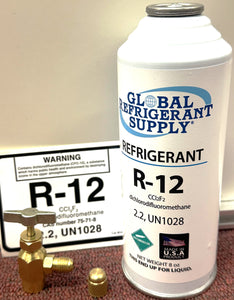
Credit: frosty-freezeacproducts.com
Environmental Impact Of R12
The environmental impact of R12 refrigerant is significant and a critical factor in understanding its use and regulation. R12, also known as dichlorodifluoromethane, belongs to a group of chemicals called chlorofluorocarbons (CFCs), which have been linked to ozone layer depletion. This damage to the ozone layer increases harmful ultraviolet (UV) radiation reaching the Earth’s surface.
Have you ever wondered why R12 is banned or restricted in many countries? The reason lies in its long atmospheric lifetime and high ozone depletion potential (ODP). This means R12 molecules persist in the atmosphere for decades, causing lasting harm to the protective ozone shield.
Ozone Layer Depletion
R12 releases chlorine atoms when broken down by UV rays. These chlorine atoms attack ozone molecules, breaking them apart and thinning the ozone layer. The thinner ozone layer lets more UV-B rays reach us, increasing skin cancer risks and harming wildlife.
Think about how vital the ozone layer is for life on Earth. Would you want to contribute to its destruction unknowingly by using outdated refrigerants?
Global Warming Potential
Besides ozone damage, R12 is also a potent greenhouse gas. Its global warming potential (GWP) is thousands of times higher than carbon dioxide, meaning it traps heat in the atmosphere very effectively. This adds to climate change problems and extreme weather events.
Using or leaking R12 doesn’t just affect the ozone but also accelerates global warming. Are you ready to support refrigerants that protect the planet’s future?
Regulatory Restrictions And Alternatives
Due to its environmental harm, many countries have banned or strictly regulated R12. The Montreal Protocol, a global agreement, phased out CFCs like R12 to protect the ozone layer. Today, safer alternatives like HFCs and natural refrigerants are available, which have much lower ozone depletion and global warming impacts.
Switching to these alternatives is not only responsible but often mandatory. Can you afford to ignore these regulations and the environmental consequences?
Proper Handling And Disposal
If you still have equipment using R12, handling and disposing of it correctly is crucial. Recovering and recycling R12 prevents its release into the atmosphere. Certified technicians use special equipment to safely remove and dispose of or reclaim the refrigerant.
Improper release of R12 can undo years of environmental progress. Are you ensuring your refrigeration systems follow safe, eco-friendly practices?
Where To Source Refrigerants Legally
Finding refrigerants legally requires understanding the rules and sources allowed by law. Many refrigerants, including R12, face restrictions due to environmental concerns. Only certified professionals can buy certain types of refrigerants. This ensures safety and protects the ozone layer.
Legal sources provide genuine products with proper documentation. Buying from unauthorized sellers risks poor quality or illegal substances. Always check credentials and licenses before purchasing refrigerants.
Authorized Distributors And Dealers
Certified distributors sell refrigerants following government rules. They supply licensed technicians and businesses. These sellers ensure the refrigerant is genuine and safe. Usually, they require proof of certification to sell.
Licensed Hvac Service Providers
HVAC companies with proper licenses can supply refrigerants. They handle refrigerant recovery and recycling. Buying through them guarantees compliance with environmental laws. They also offer professional advice and service.
Government-regulated Recycling Centers
Some centers recycle old refrigerants to reuse safely. These centers operate under strict regulations. They provide recycled refrigerants legally and environmentally friendly. Using recycled refrigerants reduces waste and pollution.
Online Platforms With Certification Checks
Certain online sellers verify customer credentials before selling refrigerants. They require proof of certification and licensing. These platforms follow strict legal guidelines. Careful buyers can source refrigerants safely this way.
Cost Factors Involving R12 And Alternatives
Cost factors play a big role in deciding whether to buy R12 refrigerant or choose an alternative. R12 is an older refrigerant and is no longer produced legally. This makes it rare and expensive. Many alternatives offer better prices and easier availability. Understanding these cost differences helps make a smart choice for your cooling needs.
Availability And Price Of R12 Refrigerant
R12 is hard to find because it is banned in many countries. Limited supply increases its price. Old stock or recycled R12 sells at a premium. This high cost can make repairs very expensive for older systems.
Cost Of Alternative Refrigerants
Alternatives like R134a or R1234yf are widely used today. They are cheaper and easier to buy. These refrigerants also work well in newer air conditioning systems. Switching to an alternative refrigerant can save money over time.
Equipment Compatibility And Conversion Costs
Using R12 alternatives often requires system changes. Conversion kits and labor add to the total cost. Some older units might need new parts to work with alternatives. These upfront costs affect the overall price of switching refrigerants.
Environmental Regulations And Their Impact On Costs
Strict rules limit R12 use due to its ozone-depleting effects. Penalties for illegal use can be costly. Alternatives have fewer restrictions, lowering legal risks and fines. Following regulations can affect the final expense of refrigerant choices.

Credit: frosty-freezeacproducts.com
Frequently Asked Questions
Can You Legally Buy R12 Refrigerant Today?
Purchasing R12 refrigerant is heavily restricted due to environmental laws. Only certified technicians can legally buy and use it for servicing old systems.
Why Is R12 Refrigerant Hard To Find?
R12 was phased out due to its ozone-depleting properties. Production stopped decades ago, making it rare and expensive in the market.
What Are Safe Alternatives To R12 Refrigerant?
Modern alternatives like R134a and R1234yf are eco-friendly and widely available. These refrigerants offer similar cooling performance without harming the ozone layer.
Can R12 Be Used In Modern Air Conditioners?
No, modern AC systems are designed for newer refrigerants. Using R12 can damage equipment and void warranties.
Conclusion
Buying R12 refrigerant is not easy today. It is banned in many countries due to harm to the environment. Old systems using R12 often need special handling. Look for safe and legal alternatives instead. Always follow laws and safety rules when dealing with refrigerants.
Protect the planet and your equipment by choosing the right option. Stay informed about refrigerant options for your cooling needs.