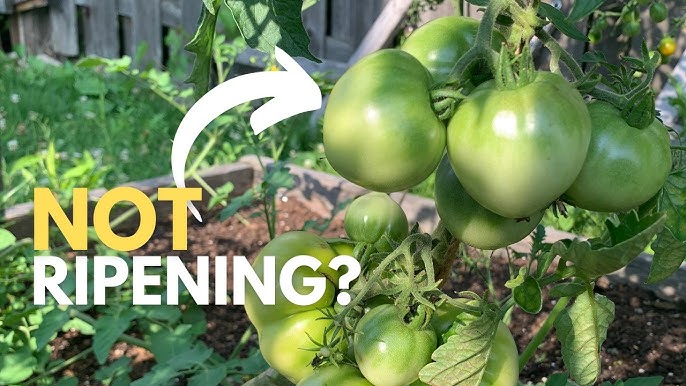
Are you wondering if you can use your food stamps to buy tomato plants? Growing your own vegetables is a smart way to save money and eat fresh, but knowing what you can and cannot buy with food stamps can be confusing.
You’ll find clear answers about using your benefits for tomato plants. Keep reading to discover how to make the most of your food stamps and start growing your own garden with ease.
Credit: www.marca.com
Food Stamps And Plant Purchases
Many people wonder if they can buy tomato plants with food stamps. Food stamps help low-income families buy food. Knowing what is allowed helps plan your shopping.
This guide explains what food stamps cover and the rules about buying plants. It helps you understand what you can and cannot buy.
What Food Stamps Cover
Food stamps, or SNAP benefits, pay for food items that people eat. These include fruits, vegetables, meat, bread, and dairy products. Food stamps also cover seeds and plants that produce food.
You can buy seeds and plants if they grow food you can eat. This means tomato plants are allowed because they produce tomatoes, a food item.
Restrictions On Plant Purchases
Not all plants can be bought with food stamps. Only plants that grow food for eating qualify. Decorative plants and flowers are not allowed.
- Allowed: Vegetable and fruit plants, herb seeds
- Not allowed: Flower plants, shrubs, houseplants
- Allowed plants must grow food for consumption
Credit: www.homedepot.com
Tomato Plants And Eligibility
Many people wonder if they can use food stamps to buy tomato plants. Understanding the rules around what is allowed helps buyers make smart choices.
This article explains if tomato plants count as food and the difference between buying seeds and seedlings with food stamps.
Are Tomato Plants Considered Food?
Tomato plants themselves are not considered food. Food stamps can only be used to buy items that are meant to be eaten.
Fresh fruits and vegetables are allowed, but live plants that grow food usually are not covered by food stamp benefits.
Buying Seeds Vs. Seedlings
Food stamps can be used to buy seeds or seedlings that produce food. Seeds are allowed because they grow food for eating.
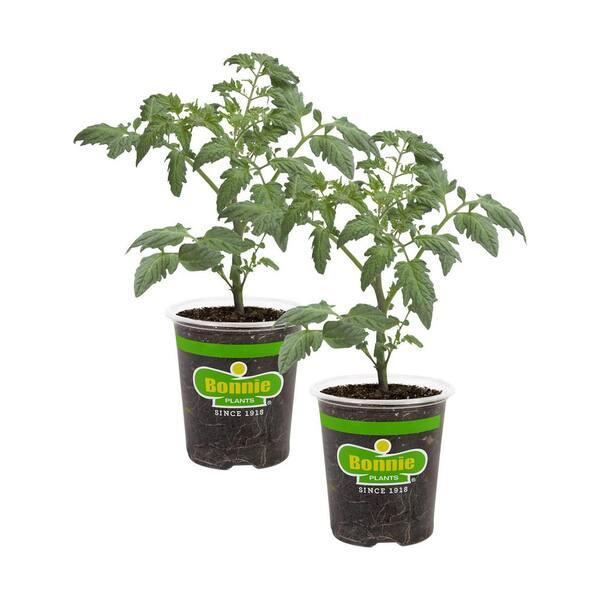
Seedlings, which are small plants ready to grow, often qualify for purchase with food stamps. This helps people start their own food gardens.
- Seeds let you grow plants from scratch
- Seedlings give a head start with young plants
- Both seeds and seedlings are usually eligible for food stamp purchase
How To Use Food Stamps For Gardening
Gardening can be a cost-effective way to enjoy fresh produce. You might wonder if food stamps can help you start your garden. The answer is yes.
With SNAP benefits, you can purchase seeds and plants that produce food. This includes tomato plants, which can thrive in various climates.
Approved Stores And Vendors
Not all stores accept SNAP benefits for garden supplies. It is important to know where you can use your EBT card.
- Local farmers’ markets often accept SNAP for seeds and plants.
- Some garden centers may participate in SNAP programs.
- Check if large retailers like Walmart or Home Depot allow SNAP for plant purchases.
Using Snap Benefits Effectively
To maximize your SNAP benefits, plan your garden carefully. Consider the space available and the plants that grow well in your area.
| Plant | Best Planting Time | Yield |
| Tomatoes | Spring | High |
| Carrots | Early Spring | Moderate |
| Lettuce | Fall | High |
Alternative Ways To Get Tomato Plants
Many people wonder if they can buy tomato plants with food stamps. Usually, food stamps do not cover plants. You can explore other options to get tomato plants without spending much money.
This guide shows some places and programs that offer tomato plants or seeds to grow your own garden.
Community Gardens
Community gardens are shared spaces where people grow plants together. Many gardens share seedlings like tomato plants for free or at low cost. Joining a community garden can give you access to healthy plants and gardening support.
Local Plant Exchanges
Plant exchanges let people trade plants or seeds instead of buying them. You can find tomato plants by swapping with neighbors or friends. These exchanges help you get plants without spending money.
- Look for local gardening groups or clubs
- Attend plant swap events in your area
- Use social media to join plant exchange communities
- Offer plants or seeds you have to trade
Gardening Assistance Programs
Some programs provide free or low-cost gardening supplies and plants to people in need. These programs often aim to help families grow their own food. You can check local government or nonprofit websites to find such offers.
| Program Name | What They Offer | How to Apply |
| Urban Growers | Free tomato seedlings | Online form or local office |
| Green Thumbs Project | Gardening kits with seeds | Community center signup |
| Farm Start Program | Discounted plants and tools | Apply via phone or website |
Tips For Growing Tomatoes At Home
Growing tomatoes at home is a fun and rewarding activity. Tomatoes need care and the right conditions to grow well.
You can start with seeds or buy young plants to get a jump start. This guide helps you pick varieties and care for your tomatoes.
Choosing The Right Tomato Variety
Some tomato types grow better in certain places and climates. Pick a variety that fits your space and weather.
Consider if you want cherry, beefsteak, or plum tomatoes. Each type has different tastes and uses.
- Cherry tomatoes are small and sweet, good for snacks.
- Beefsteak tomatoes are large and juicy, great for sandwiches.
- Plum tomatoes are firm and good for sauces and cooking.
- Heirloom types have unique colors and flavors but need more care.
Basic Care And Maintenance
Tomatoes need sunlight, water, and good soil to grow strong. Give them at least six hours of sun daily.
Water your plants regularly but avoid wetting the leaves. Use stakes or cages to support tall tomato plants.
- Plant tomatoes in well-drained, rich soil.
- Water deeply once or twice a week, depending on weather.
- Remove lower leaves to prevent disease.
- Use mulch to keep soil moist and stop weeds.
- Check plants often for pests and signs of disease.
Credit: www.lemon8-app.com
Frequently Asked Questions
Can I Buy Tomato Plants With Food Stamps?
No, food stamps (SNAP benefits) cannot be used to buy tomato plants. SNAP only covers eligible food items for consumption, not seeds or plants.
Are Seeds And Plants Covered By Food Stamps?
No, SNAP benefits do not cover seeds or plants. They only cover food items intended for immediate consumption.
How Can I Use Food Stamps For Gardening?
Food stamps can be used to buy seeds or plants only if they produce food, but this varies by state. Confirm with local SNAP guidelines.
Can I Buy Vegetable Seeds With Snap Benefits?
Generally, SNAP benefits do not cover vegetable seeds or plants. However, some states allow seeds that produce food to be purchased.
Conclusion
Buying tomato plants with food stamps depends on local rules. Some places allow it, while others do not. It is best to check with your local SNAP office. Growing your own tomatoes can save money and bring fresh food. Even small steps in gardening help improve your meals.
Start small, learn as you go, and enjoy the process. Remember, good food grows from patience and care.