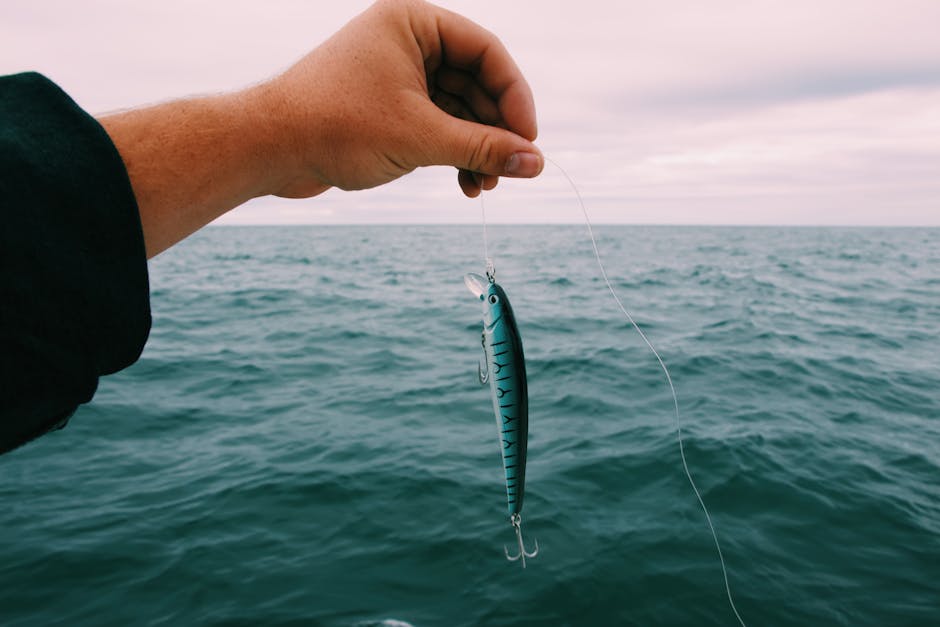
Are you planning a fishing trip to Boundary Waters and wondering if braided line is the right choice? Choosing the right fishing line can make or break your catch.
Braided line offers strength and sensitivity, but is it the best option for the unique waters and fish species you’ll encounter? You’ll discover how braided line performs in Boundary Waters, the pros and cons, and tips to help you catch more fish.
Keep reading to find out if braided line could give your fishing game the edge you need.
Braided Line Basics
Fishing with braided line is popular among anglers who want strength and sensitivity. It is important to know how braided line works to catch fish effectively.
This guide explains what braided line is, its benefits, and how it compares to monofilament line.
What Is Braided Line
Braided line is made by weaving several thin fibers together. This makes it strong and thin compared to other fishing lines.
The line has no stretch, which helps anglers feel bites better and control the fish faster.
Benefits Of Braided Line
Braided line offers many advantages for fishing in places like Boundary Waters. It is strong, durable, and sensitive.
- High strength with thin diameter
- Very sensitive, so you feel fish bites quickly
- Lasts longer and resists abrasion
- Floats on water surface
- Less stretch improves hook setting
Braided Line Vs Monofilament
Monofilament line stretches more and is thicker than braided line. It is easier to handle but less sensitive.
- Braided line:Thin, strong, no stretch, more sensitive
- Monofilament line:Thicker, stretches, less sensitive, easier to knot
- Braided line lasts longer and resists damage better
- Monofilament sinks, braided line floats
Credit: bwca.com
Boundary Waters Fishing Conditions
Fishing in the Boundary Waters offers unique challenges and rewards. The area’s natural beauty and clear waters attract many anglers each year. Understanding the fishing conditions helps you choose the right gear.
Using braided line for fishing here is common. It has strengths that can suit Boundary Waters fishing well. Let’s explore the conditions you will face.
Water Types And Clarity
The Boundary Waters has many lakes, rivers, and streams. Most waters are clear with good visibility. Clarity varies by location and season.
Clear water means fish can see your line easily. Braided line is thin and strong. It is less visible in clear water than thicker monofilament lines.
- Lakes often have calm, clear water
- Rivers may have moving water and some debris
- Streams can be shallow with rocky bottoms
- Water clarity ranges from very clear to slightly stained
Common Fish Species
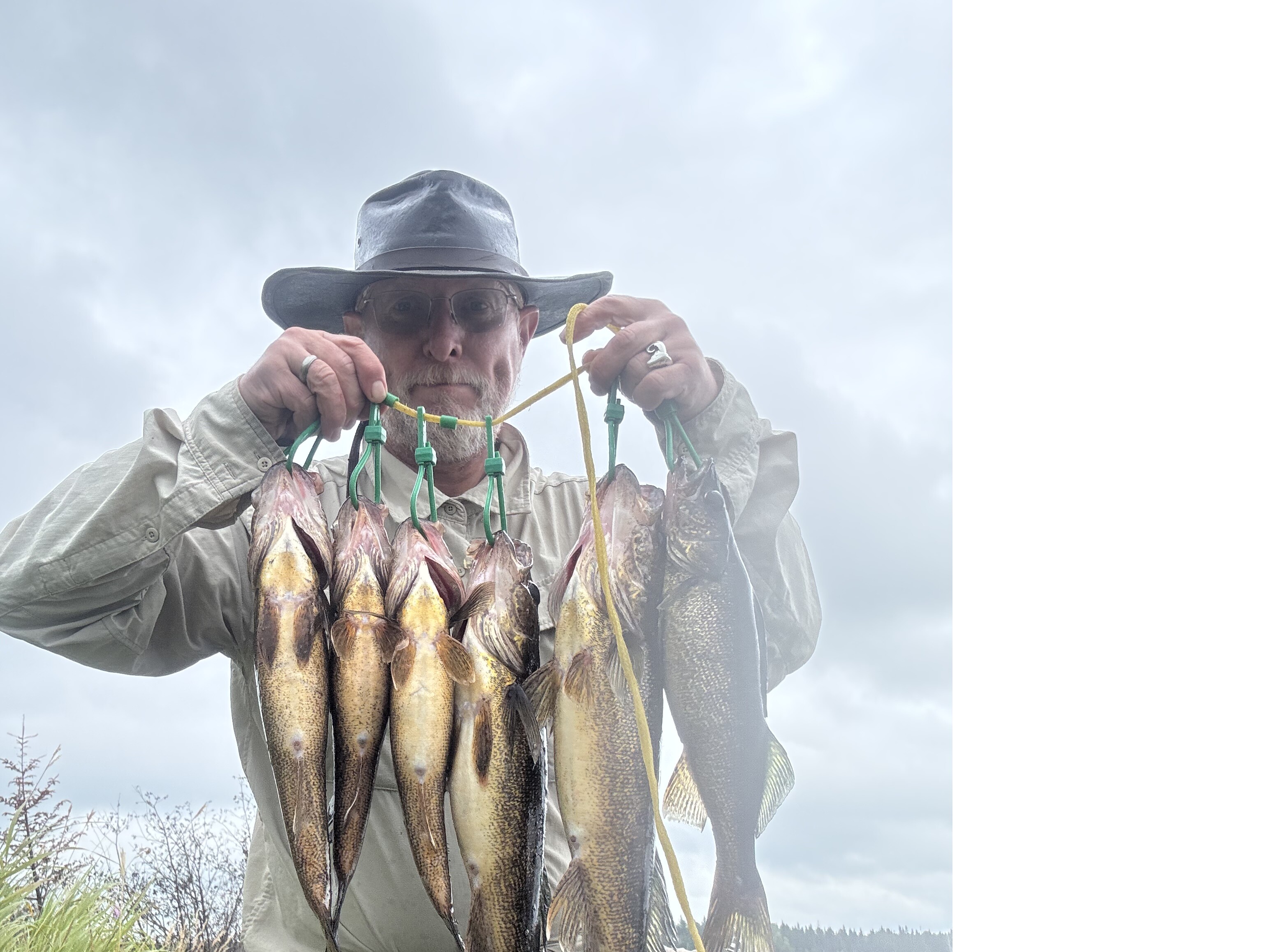
Boundary Waters hosts many fish species. Anglers can catch walleye, northern pike, and smallmouth bass. Trout and perch are also common.
Braided line helps with strong fish like pike. It offers good hook-setting power and less stretch. This helps control big fish in rocky or weedy spots.
- Walleye
- Northern Pike
- Smallmouth Bass
- Lake Trout
- Yellow Perch
Seasonal Considerations
Fishing conditions change with the seasons in the Boundary Waters. Spring brings rising water and active fish. Summer offers warm water and good clarity.
Fall is great for catching feeding fish before winter. Winter ice fishing is popular but needs special gear. Braided line works well year-round but check for wear in cold weather.
- Spring: High water, fish are active
- Summer: Warm water, clear visibility
- Fall: Fish feed more, good for big catches
- Winter: Ice fishing, requires care with line
Choosing The Right Braided Line
Braided line can be great for catching fish in boundary waters. It is strong and durable, making it ideal for various fishing conditions.
Choosing the right braided line involves considering strength, diameter, color, and knot strength. Each factor impacts your fishing success.
Line Strength And Diameter
The strength of the line is crucial for catching big fish. Higher strength lines can handle more weight and pressure.
The diameter of the line affects casting distance and water resistance. Thinner lines cast farther and are less visible to fish.
- 20-30 lb line for medium-sized fish
- 30-50 lb line for larger fish
- Thinner diameter for stealthier approach
Color Options
Color choice can impact your fishing success. Different colors blend better in various water conditions.
Choose colors that match the water to reduce line visibility. Clear or light blue are good for clear waters.
- Green for weedy areas
- Yellow for better visibility above water
- Dark colors for muddy waters
Knot Strength Tips
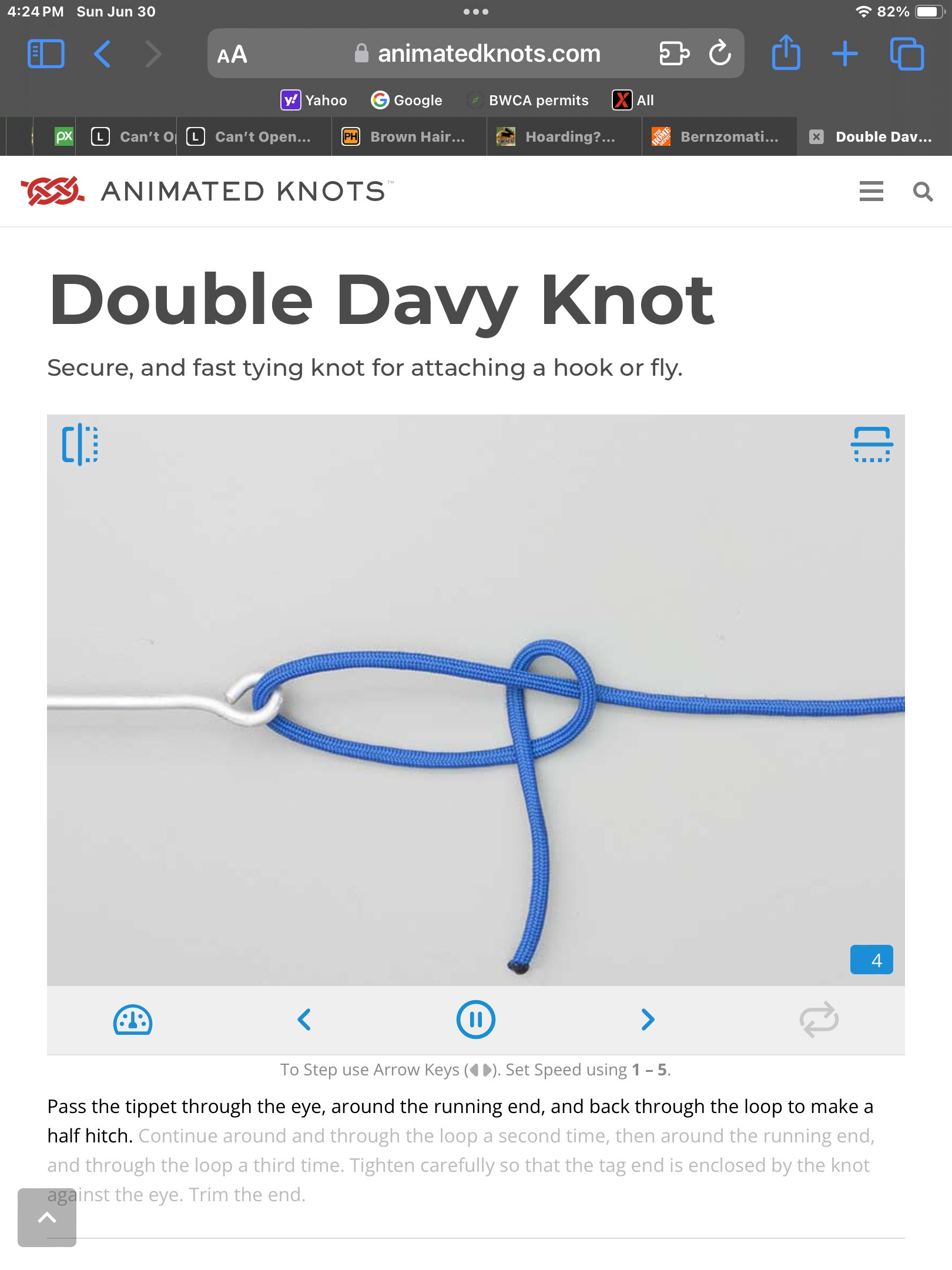
Knot strength is key for keeping your line secure. A strong knot ensures the line does not snap during a catch.
Practice tying knots to improve their strength. The Palomar knot is popular for braided lines.
- Wet the line before tightening the knot
- Check knots regularly for wear
- Use double knots for added security
Credit: bwca.com
Techniques For Using Braided Line
Braided line is popular for fishing in Boundary Waters. It offers strength and sensitivity. Using it right improves your chances of catching fish.
This guide covers key techniques. Learn how to cast, set the hook, and handle fish with braided line.
Casting Tips
Casting with braided line requires care. It has no stretch, so control is important. Use a smooth motion to avoid backlash.
- Keep your rod tip low for longer casts.
- Use a baitcasting reel with a proper brake setting.
- Choose a lure that matches the water conditions.
- Practice smooth, steady casting motions.
- Check your knots often to prevent line loss.
Setting The Hook
Setting the hook quickly is key with braided line. The line’s sensitivity lets you feel bites clearly. Use a firm, fast motion to set the hook.
| Tip | Why It Helps |
| Watch the rod tip closely | Detect subtle bites early |
| Pull back sharply | Secure the hook firmly |
| Keep the line tight | Prevent fish from escaping |
| Practice timing | Improves hook-up rates |
Handling Fish On Braided Line
Handling fish on braided line needs care to avoid line breakage. The line is strong but lacks stretch, so control the fish’s movements well.
Try these methods:
- Keep steady pressure on the fish.
- Use your rod to absorb sudden pulls.
- Avoid sharp jerks that can snap the line.
- Reel in smoothly and steadily.
- Use a net to land the fish safely.
Challenges And Solutions
Catching Boundary Water fish with braided line has both benefits and challenges. Braided line is strong but may cause some problems.
This guide covers common issues and how to fix them for better fishing results.
Line Visibility Issues
Braided lines are often bright and easy to see in water. This can scare fish in clear Boundary Waters.
Using a fluorocarbon leader can hide the braided line from fish. Leaders are thinner and less visible.
- Attach a 2-4 foot fluorocarbon leader to your braided line
- Pick leader color that matches water color
- Keep leader length short for better control
Abrasion Resistance
Boundary Waters have rocks and wood that can damage braided line. Braided lines cut easily if rubbed too hard.
Use a protective leader or check the line often. Replace damaged sections to avoid losing fish.
- Use a strong fluorocarbon or monofilament leader for protection
- Inspect the line after each cast or snag
- Replace line parts with nicks or frays
Managing Line Twist And Memory
Braided line can twist and hold coil shapes. This makes casting and reeling harder in Boundary Waters fishing.
Spool your line carefully and use a swivel to reduce twist. Let the line cool after it heats from the spool.
- Spool braided line with light tension to avoid coils
- Use a quality swivel to prevent line twist
- Let line rest after heavy use to reduce memory
Gear Recommendations
Catching Boundary Water fish with braided line needs the right gear. Your equipment affects how well you fish and how strong your setup is.
Choosing the right rod, reel, leaders, and accessories helps you fish better and avoid line problems.
Rod And Reel Compatibility
Use rods that work well with braided line. A medium to medium-heavy rod gives good control and power. Reels should have smooth drag systems to handle braided line tension.
Look for reels designed for braid or with a braid-ready spool. This prevents line slipping and ensures long casts without damage.
Leader Materials To Use
Braided lines are thin and strong but can be visible to fish. Use leaders to improve stealth and abrasion resistance.
- Fluorocarbon leaders are clear and sink well.
- Monofilament leaders provide stretch to absorb shocks.
- Wire leaders help with sharp-toothed fish to prevent bite-offs.
Essential Accessories
| Accessory | Purpose | Why It Helps |
|---|---|---|
| Line Conditioner | Reduce line memory | Keeps braided line smooth and tangle-free |
| Swivels | Prevent line twist | Protects braid from twisting during lure movement |
| Shock Leader | Absorb sudden pulls | Prevents line breakage on big fish |
| Rod Holder | Secure your rod | Keeps gear safe when not fishing |
Success Stories And Experiences
Many anglers wonder if braided line works for catching fish in Boundary Waters. Some have shared their stories and experiences using this line type. They report good results and strong catches.
Braided line offers strength and sensitivity, which helps catch different fish species. Anglers have used it successfully in various fishing conditions in Boundary Waters.
Angler Testimonials
Several anglers say braided line helped them catch more fish. One fisherman mentioned feeling every bite clearly with braided line. He caught several walleyes and bass using this line.
Another angler shared that braided line held up well around rocks and logs. The line did not break even when fighting larger fish like northern pike. The extra strength gave confidence to reel in big catches.
- Better bite detection due to low stretch
- Strong enough for heavy fish
- Lasts longer around rough surfaces
Notable Catch Examples
One angler caught a 30-inch northern pike using braided line. The line’s strength helped land the fish without breaking. The angler praised the line for its durability in tough spots.
A group fishing in Boundary Waters caught a good number of smallmouth bass with braided line. They said the line’s sensitivity made it easier to detect subtle bites. This helped them catch more fish throughout the day.
- 30-inch northern pike caught on braided line
- Multiple smallmouth bass caught with better bite feel
- Consistent fishing success across different species
Credit: inthespread.com
Frequently Asked Questions
Can Braided Line Improve Boundary Water Fishing Success?
Yes, braided line offers high sensitivity and strength. It helps detect subtle bites and handles heavy fish, making it ideal for Boundary Waters.
What Are The Advantages Of Braided Line For Fishing?
Braided line has low stretch, strong abrasion resistance, and thin diameter. These features enhance casting distance and hook-setting power.
Is Braided Line Suitable For Catching Large Boundary Water Fish?
Absolutely. Braided line’s strength and durability make it perfect for catching large species like pike and muskie in Boundary Waters.
How Does Braided Line Compare To Monofilament In Boundary Waters?
Braided line is stronger and more sensitive than monofilament. It resists abrasion better, but monofilament is less visible underwater.
Conclusion
Braided line works well for fishing in Boundary Waters. It offers strength and sensitivity anglers need. Fish bites become easier to feel with this line. It also resists abrasion from rocks and weeds. Choose the right braid thickness for your target fish.
This line helps catch fish more often and with less frustration. Many anglers trust braided line for better results. Try it on your next Boundary Waters trip. See how it improves your fishing experience. Simple, strong, and reliable—braided line fits this environment well.