Have you ever found yourself struggling to reach that far corner of your garden with just one hose? You’re not alone.
Connecting two garden hoses together can seem tricky, but it’s actually a simple solution that can save you time and effort. You’ll discover how to easily join your hoses, what tools you need, and tips to avoid common mistakes. Keep reading, and you’ll have the confidence to extend your watering reach without any hassle.

Credit: www.hozelock.com
Why Connect Two Garden Hoses
Connecting two garden hoses lets you water places far from your water source. This is useful for large yards or gardens.
Joining hoses also helps improve water flow and handle different garden tasks easily. It gives more flexibility in your gardening work.
Extend Your Reach
Two hoses connected together make a longer hose. This lets you water plants or lawn areas far from your tap.
You can easily reach trees, flower beds, or vegetable patches that a single hose can’t cover.
- Water distant parts of your garden
- Avoid moving the hose repeatedly
- Cover large yards without extra effort
Improve Water Flow
Connecting hoses with good quality connectors can reduce leaks. This helps keep water pressure steady.
Better water flow means your plants get enough water quickly and efficiently.
- Use connectors that fit tightly
- Check for leaks at the joint
- Choose hoses with similar diameters
Handle Different Garden Needs
Connecting two hoses lets you mix different hose types. For example, a lightweight hose with a heavy-duty one.
This helps you adapt to different watering tasks and garden areas easily.
- Use a flexible hose for easy movement
- Attach a durable hose for rough areas
- Combine hoses for specific watering needs

Credit: www.amazon.ca
Types Of Hose Connectors
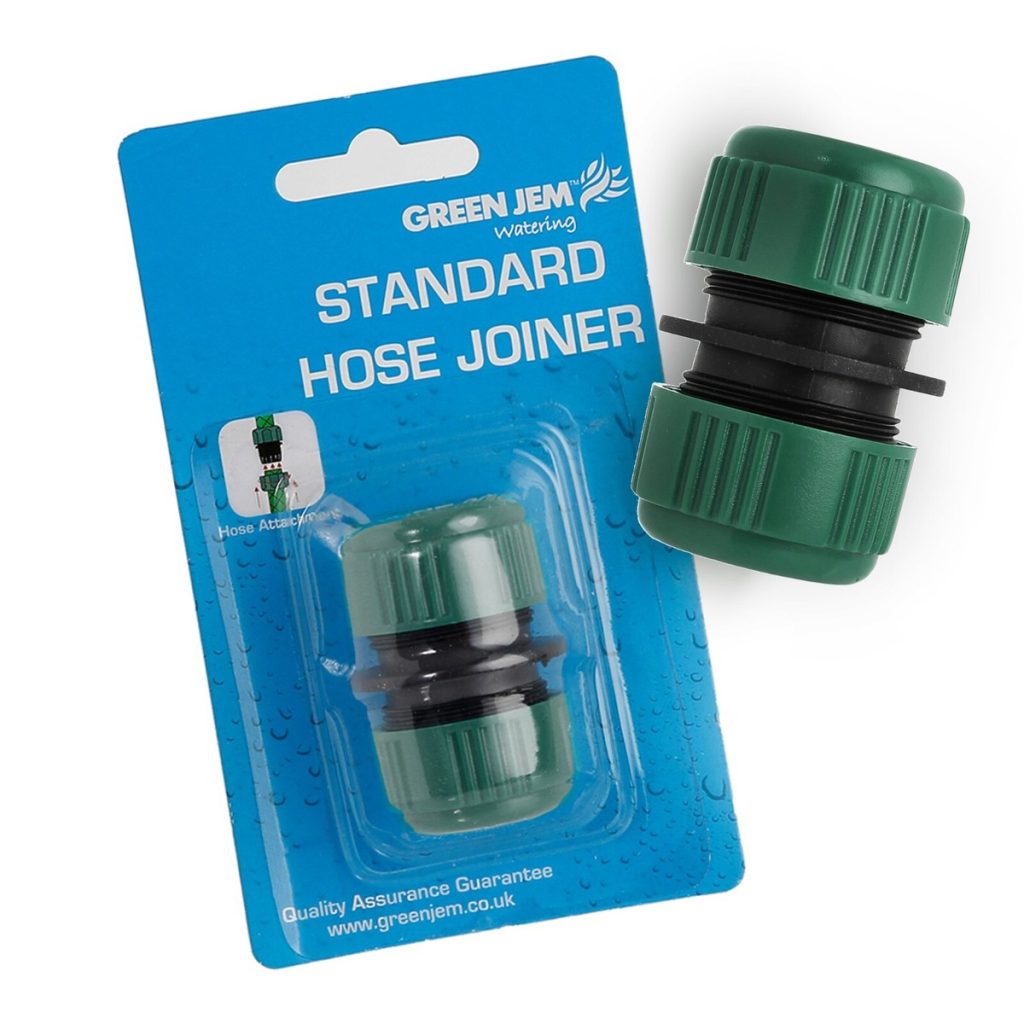
Connecting two garden hoses is easy with the right connector. Different connectors serve different needs. Knowing the types helps you choose the best one for your garden.
This guide covers three common types of hose connectors. Each type has unique features and uses.
Quick Connect Fittings
Quick connect fittings let you join hoses fast. You just push the connector and it locks in place. This saves time and effort.
- Easy to attach and detach
- Usually made of plastic or metal
- Works well for frequent hose changes
- Provides a tight, leak-free seal
Hose Menders
Hose menders repair damaged hoses or join two hose ends. They fit inside the hose and hold it tightly with clamps.
| Feature | Description |
|---|---|
| Installation | Insert into hose ends and tighten clamps |
| Material | Metal or plastic |
| Use | Repair leaks or join hoses permanently |
| Durability | Strong and long-lasting |
Couplers And Adapters
Couplers connect two hoses of the same size. Adapters join hoses with different sizes or types of ends. They allow flexible hose setups.
Common uses of couplers and adapters:
- Extending hose length
- Changing hose diameter
- Switching between hose and sprinkler
- Connecting hoses to faucets or nozzles
Step-by-step Connection Guide
Connecting two garden hoses can extend your reach in the garden. This guide will show you how to do it easily.
Follow these steps to ensure your hoses are securely attached. You’ll be watering your garden in no time.
Gather Necessary Tools
Before you start, make sure you have everything you need. It’s important to have the right tools to connect the hoses properly.
- Two garden hoses
- Hose connectors
- Wrench or pliers
- Rubber washers
Prepare Hose Ends
Check the ends of your hoses before connecting them. They should be clean and free from debris. This ensures a tight seal.
Inspect the rubber washers inside the connectors. Replace them if they are worn out. This prevents leaks.
Attach Connectors Securely
Align the connectors of both hoses. Make sure they are straight and fit snugly together.
Use a wrench or pliers to tighten the connection. Do not overtighten, as this can damage the hoses.
Tips For Leak-free Connections
Connecting two garden hoses can save time and extend your watering reach. A leak-free connection keeps water flowing and your garden healthy.
Simple steps help you avoid drips and water waste. Use the right tools and check parts carefully for a tight fit.
Use Teflon Tape
Wrap Teflon tape around the hose threads before connecting. This helps seal gaps and stops water from leaking out.
- Wrap tape clockwise around the threads
- Cover threads with two to three layers
- Press tape down to fit tightly
Check Washer Condition
The washer inside the hose connector stops leaks by sealing the joint. Check it for cracks or wear before connecting.
| Washer Condition | Action |
|---|---|
| Intact and soft | Use as is |
| Hardened or cracked | Replace with a new washer |
| Missing | Insert a new washer before connecting |
Tighten Properly
Secure the connection by tightening the couplings by hand. Avoid over-tightening which can damage parts.
Follow this tightening guide:
- Hand-tighten until snug
- Test for leaks by turning on water
- If leaking, tighten slightly more but do not force
- If leaks persist, check washer or tape again
Common Problems And Fixes
Connecting two garden hoses can be very useful for reaching distant plants. But this setup sometimes causes problems. Knowing common issues helps you fix them fast.
Below, we explore common problems like water pressure drops, leaks, and hose kinks. Each section offers easy fixes to keep your watering smooth.
Water Pressure Drops
When you connect two hoses, water pressure may fall. This happens because the water has to flow through a longer path. Also, poor connectors can block water flow.
- Check if the hoses are fully open and not blocked.
- Use high-quality connectors that fit tightly.
- Keep hose length as short as possible to reduce pressure loss.
- Replace old or damaged hoses that may restrict flow.
Leaks At Connection Points
Leaks often appear where two hoses join. This wastes water and lowers pressure. Loose or worn-out connectors cause most leaks.
| Cause | Fix |
| Loose connector | Tighten the connector by hand or use pliers carefully |
| Worn rubber washer | Replace washer inside the connector |
| Damaged hose end | Cut off damaged part and attach a new connector |
| Connector not fitting | Buy compatible connectors for your hose size |
Hose Kinks And Twists
Kinks and twists stop water flow and can damage hoses. They happen when hoses bend sharply or are stored poorly.
- Straighten the hose gently to remove bends.
- Use hose reels or hangers to store hoses without twists.
- Choose flexible hoses that resist kinking.
- Avoid pulling the hose around sharp corners.
Maintaining Connected Hoses
Connecting two garden hoses is a simple way to extend your reach. To keep them working well, regular care is needed. Proper maintenance helps avoid leaks and damage.
Below are key tips for storing, inspecting, and fixing your connected hoses. These steps will keep your garden hoses ready for use every time.
Store Properly
Storing hoses correctly prevents cracks and tangles. Keep hoses out of direct sun and cold weather. Coil them loosely and hang on a hose reel or hook.
- Drain water from hoses before storing
- Keep hoses in a shaded, dry place
- Use a hose reel to avoid kinks
- Do not leave hoses on the ground
Regularly Inspect Connectors
Check hose connectors often to catch leaks or cracks early. Clean dirt and debris from connectors. Tighten loose fittings to keep a secure connection.
| Inspection Point | What to Look For | Action |
| Connector Threads | Rust or stripped threads | Clean or replace |
| Rubber Washers | Cracks or hardening | Replace |
| Connection Tightness | Loose fittings | Tighten securely |
| Leaks | Water escaping | Check washer and tighten |
Replace Worn Parts
Old or damaged parts cause leaks and weak connections. Replace washers, connectors, or hoses that show wear. Use parts made for your hose size and type.
Here is a simple checklist for replacing worn parts:
- Remove the old washer from the connector
- Buy the correct size replacement washer
- Install the new washer firmly inside the connector
- Replace cracked or bent connectors with new ones
- Test the hose connection for leaks after replacement

Credit: www.homehardware.ca
Frequently Asked Questions
Can You Connect Two Garden Hoses Together?
Yes, you can connect two garden hoses using a hose connector. This extends the hose length for better reach.
What Type Of Connector Is Best For Hoses?
A brass or plastic hose coupler with threaded ends works best. It ensures a secure and leak-free connection.
Will Connecting Hoses Reduce Water Pressure?
Connecting hoses may slightly reduce water pressure due to longer length. However, the impact is usually minimal for most uses.
How Do You Prevent Leaks At Hose Connections?
Use rubber washers inside connectors and tighten them properly. This helps create a watertight seal and prevents leaks.
Conclusion
Connecting two garden hoses together is simple and useful. You only need the right connector to join them tightly. This method helps reach distant areas in your garden easily. Just check for leaks after joining to save water. Remember, using good quality hoses and connectors lasts longer.
Enjoy watering your plants without hassle or extra trips. It’s a smart, practical way to extend your hose length quickly. Try it out and see the difference in your gardening routine.