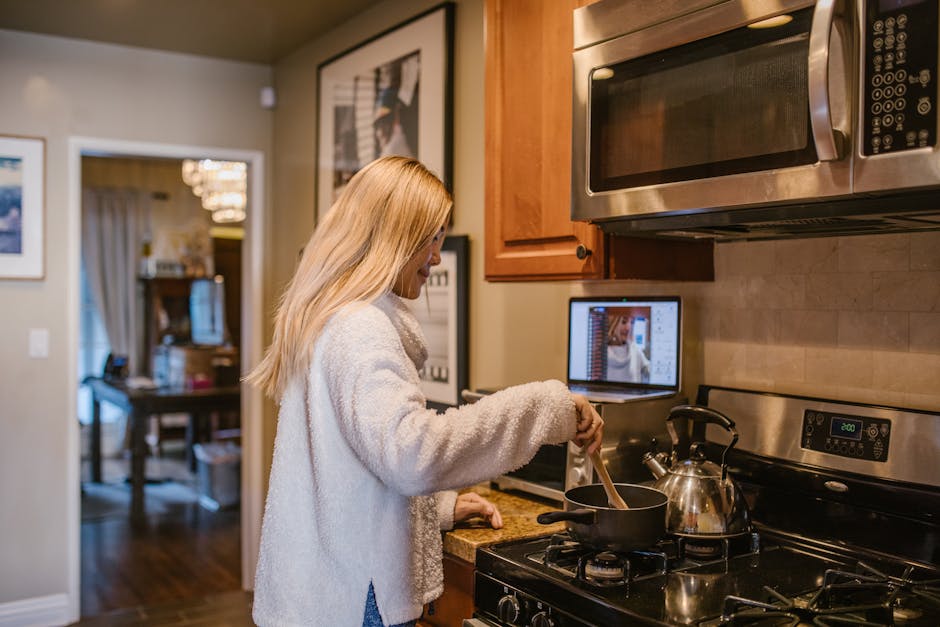
Have you ever found yourself staring at your microwave, wondering if it could do more than just heat leftovers? You’re not alone.
When it comes to cooking chicken, the microwave might not be the first appliance you think of. But what if it could save you time and still deliver a tasty, juicy meal? Imagine skipping the lengthy cooking process and still enjoying a delicious chicken dish.
Intrigued? You’ll discover whether the humble microwave can become your new go-to tool for cooking chicken. Stay with us as we unravel the truth behind microwave cooking and whether it can really meet your culinary needs.

Credit: www.theenglishkitchen.co
Microwave Cooking Basics
Understanding how microwaves work can change the way you cook chicken and other foods. Knowing the basics helps you avoid common mistakes, like uneven cooking or dry meat. Let’s look closer at what happens inside your microwave and the different types of ovens you might have at home.
How Microwaves Cook Food
Microwaves heat food using electromagnetic waves that target water molecules. These waves make water molecules vibrate rapidly, producing heat that cooks the food from the inside out. This process is faster than traditional cooking methods but can sometimes cook unevenly if the food isn’t arranged properly.
Have you noticed some parts of your chicken being hot while others stay cold? That happens because microwaves don’t always penetrate food evenly. Stirring or rotating the food during cooking helps distribute the heat more uniformly.
Types Of Microwave Ovens
Not all microwave ovens are the same, and knowing your microwave type affects how you cook chicken. Basic microwave ovens only heat food with microwaves and rely on turntables to rotate the dish for even cooking.
Then there are convection microwave ovens. These combine microwave energy with a heating element and a fan, allowing you to brown or crisp your chicken—something regular microwaves can’t do well.
- Standard Microwave:Best for reheating and simple cooking tasks.
- Convection Microwave:Offers more cooking options, including baking and roasting.
- Grill Microwave:Adds a grilling element for better texture and flavor.
Knowing which type you own can help you decide the best cooking method and prevent surprises like rubbery or undercooked chicken. Have you tried using a convection microwave for your chicken yet? It might just change your cooking game.

Credit: www.theenglishkitchen.co
Choosing The Right Chicken Cuts
Choosing the right chicken cuts is crucial for successful microwave cooking. Not all parts of the chicken cook evenly or taste great when microwaved. Picking the right cuts can save you from dry, rubbery meat and help you enjoy a quick, juicy meal.
Best Cuts For Microwaving
Chicken breasts and thighs are the top choices for microwaving. They cook quickly and retain moisture well. Thighs, especially, stay tender because of their higher fat content.
- Boneless, skinless breasts:Cook evenly and are easy to slice after microwaving.
- Boneless thighs:More forgiving with microwave heat, staying juicy.
- Chicken tenders:Small and thin, they cook fast and work well for quick snacks.
Whole legs or wings can be tricky because of bones and uneven thickness. They need careful timing and turning to avoid cold spots.
Preparation Tips
Before microwaving, pat the chicken dry to avoid excess water, which can cause uneven cooking. Season or marinate your cuts to add flavor and keep the meat moist.
Place the chicken pieces in a single layer on a microwave-safe plate. Cover them with a microwave-safe lid or wrap to trap steam and help cook the meat evenly.
- Cut thicker parts to uniform size for consistent cooking.
- Use a meat thermometer to check that the internal temperature reaches 165°F (75°C).
- Let the chicken rest for a few minutes after microwaving to allow juices to redistribute.
Have you ever ended up with dry chicken from the microwave? Trying these tips can change that experience and make your microwave a reliable tool for cooking chicken.
Safe Cooking Practices
Cooking chicken in a microwave requires careful attention to safety. Proper techniques reduce risks and ensure tasty results. Safe cooking practices focus on even cooking and avoiding harmful bacteria. Follow these tips for a safer microwave chicken experience.
Avoiding Uneven Cooking
Microwaves can cook food unevenly. Some parts may be hot, while others stay cold. This creates a risk of undercooked chicken. To avoid this:
- Cut chicken into small, even pieces for uniform cooking.
- Arrange pieces in a single layer on a microwave-safe dish.
- Cover the chicken with a microwave-safe lid or wrap to trap steam.
- Stir or turn the chicken halfway through cooking.
- Let the chicken rest for a few minutes after microwaving to allow heat to spread.
Preventing Foodborne Illness
Raw or undercooked chicken can carry harmful bacteria. These cause food poisoning and stomach illness. Follow these steps to prevent contamination:
- Use a food thermometer to check the chicken’s internal temperature.
- Cook chicken to at least 165°F (74°C) to kill bacteria.
- Wash hands, utensils, and surfaces after handling raw chicken.
- Do not reuse marinades used on raw chicken unless boiled first.
- Store leftovers promptly in the refrigerator.

Credit: www.theenglishkitchen.co
Step-by-step Microwave Chicken Recipes
Cooking chicken in a microwave might sound unconventional, but it’s a quick and convenient way to prepare a healthy meal. The key is knowing the right technique and timing to keep the chicken juicy and flavorful. Below are easy, step-by-step recipes that show how to microwave different cuts of chicken effectively.
Simple Microwaved Chicken Breast
Start with a boneless, skinless chicken breast. Season it with salt, pepper, and your favorite herbs or spices.
- Place the chicken breast in a microwave-safe dish and cover it with a microwave-safe lid or plastic wrap.
- Microwave on high for about 4-5 minutes, then check for doneness.
- If needed, continue cooking in 30-second bursts until the internal temperature reaches 165°F (75°C).
Let the chicken rest for a few minutes after microwaving. This helps the juices redistribute, making it tender. Have you ever thought microwaved chicken could be this simple and tasty?
Microwave Chicken Thighs
Chicken thighs have more fat, which keeps them moist during microwaving. Season thighs with garlic powder, paprika, and a pinch of salt.
- Arrange the thighs in a single layer in a microwave-safe dish.
- Cover with a microwave-safe lid or wrap and cook on high for 6-7 minutes.
- Turn the thighs halfway through cooking to ensure even heating.
Check the internal temperature to confirm safety. The extra fat in thighs means you can microwave them a bit longer without drying out. Did you realize thighs could be your best bet for microwave cooking?
Quick Chicken Stir-fry
Microwaving can speed up your stir-fry prep time. Cut chicken breast or thighs into thin strips for faster cooking.
- Mix chicken strips with chopped bell peppers, onions, and your preferred stir-fry sauce.
- Place the mixture in a microwave-safe bowl and cover tightly.
- Cook on high for 3-4 minutes, stir halfway through.
- Continue microwaving in 1-minute intervals until chicken is fully cooked and vegetables are tender.
This method cuts down on stove time and cleanup. Why not try this shortcut next time you crave a quick, healthy meal?
Tips To Enhance Flavor And Texture
Cooking chicken in a microwave can be quick and easy. Still, it needs attention to keep the flavor and texture enjoyable. Simple tips can help the chicken stay juicy and tasty even in a microwave. These ideas make your microwave chicken dish better without extra effort.
Marinating For Moisture
Marinate chicken before cooking to add flavor and keep it moist. Use ingredients like lemon juice, yogurt, or olive oil. These help break down the meat fibers and lock in juices. Marinate for at least 30 minutes or overnight for best results. Avoid salty marinades for long times; they can dry out the chicken.
Using Microwave-safe Covers
Cover the chicken with a microwave-safe lid or wrap. This traps steam and prevents the meat from drying out. It also helps cook the chicken evenly. Use vented covers to let some steam escape and avoid sogginess. Avoid tight plastic wraps that are not microwave-safe to keep food safe and tasty.
Common Mistakes To Avoid
Cooking chicken in a microwave can be quick and easy. Avoiding common mistakes helps ensure juicy, safe chicken. Small errors can ruin taste and texture. Pay attention to these common pitfalls for better results.
Overcooking Risks
Microwaves cook unevenly, causing parts to dry out. Overcooked chicken becomes tough and rubbery. Microwaving too long destroys moisture and flavor. Use short cooking times and check often. Rest the chicken after cooking to let juices spread evenly.
Using Inappropriate Containers
Not all containers are microwave-safe. Plastic containers can melt or release harmful chemicals. Metal containers cause sparks and fire risks. Glass and ceramic dishes work best for microwaving chicken. Avoid sealed containers; steam needs to escape during cooking.
Cleaning And Maintenance After Cooking
Cleaning and maintenance after cooking chicken in a microwave oven is essential. It helps keep your appliance fresh and working well. Proper care prevents odors and bacteria from building up inside.
Regular cleaning also extends the microwave’s life. It ensures safe and healthy cooking every time. Simple steps make the process easy and quick.
Removing Odors
Chicken can leave strong smells in the microwave. To remove odors, try these easy tips:
- Place a bowl with water and lemon slices inside.
- Microwave on high for 3-5 minutes to steam the cavity.
- Wipe the interior with a clean cloth after steaming.
- Use a mixture of baking soda and water to scrub stubborn smells.
- Leave the microwave door open for a few minutes to air out.
Keeping The Microwave Safe
Safety matters after cooking chicken in the microwave. Follow these steps:
- Remove food spills immediately to prevent bacteria growth.
- Use a mild detergent and soft sponge for cleaning.
- Clean the microwave turntable and walls regularly.
- Check for any damage or cracks that might trap bacteria.
- Never use harsh chemicals or abrasive materials inside.
Keeping the microwave clean and safe protects your health and appliance. A little care ensures better cooking results every time.
Frequently Asked Questions
Can You Safely Cook Chicken In A Microwave Oven?
Yes, you can safely cook chicken in a microwave oven. Use a microwave-safe dish and cover the chicken. Ensure the internal temperature reaches 165°F (74°C) to kill harmful bacteria. Stir or rotate the chicken for even cooking and avoid undercooked spots.
How Long Does It Take To Cook Chicken In A Microwave?
Cooking time varies by chicken size and microwave power. Generally, boneless chicken breasts take 4 to 6 minutes on high. Use a meat thermometer to confirm the internal temperature is 165°F (74°C). Adjust time as needed for thicker or frozen pieces.
Is Microwave-cooked Chicken As Healthy As Oven-cooked?
Microwave-cooked chicken retains nutrients well due to shorter cooking times. It requires less oil, making it a healthier option. However, texture may differ from oven-cooked chicken. Proper cooking ensures safety and nutrition without sacrificing health benefits.
Can You Cook Frozen Chicken Directly In A Microwave?
Yes, you can cook frozen chicken in a microwave. Use the defrost setting first, then cook immediately. Ensure the chicken reaches 165°F (74°C) internally to avoid foodborne illness. Stir or rotate frequently for even cooking and avoid cold spots.
Conclusion
Cooking chicken in a microwave oven is possible and quick. You must check that the chicken is cooked all the way through. Use a meat thermometer to be sure. Cut the chicken into small pieces for even cooking. Avoid overcooking to keep it juicy and tender.
Microwaving saves time but needs careful attention. Try simple recipes to start with. Cooking safely keeps you and your family healthy. Give microwave chicken a try and see how easy it can be.