Are you wondering if it’s safe to cut chicken on a wooden cutting board? You’re not alone.
Many people worry about germs and cross-contamination when handling raw meat. But wooden boards have their own unique qualities that might surprise you. Before you make a decision, it’s important to know the facts that can keep your kitchen safe and your food tasty.
Keep reading, and you’ll discover everything you need to know to protect your health and make the best choice for your cooking routine.
Wooden Cutting Boards And Chicken Safety
Cutting chicken safely is important to prevent illness. Many wonder if wooden cutting boards are safe for raw chicken.
This article looks at wooden boards and how they affect chicken safety in the kitchen.
Natural Properties Of Wood
Wood has natural features that help keep it clean. It can absorb small amounts of liquids and kill some germs.
These properties make wood less likely to hold harmful bacteria on its surface compared to plastic boards.
Porosity And Bacteria Concerns
Wood is porous, which means it has tiny holes. Bacteria can enter these holes if the board is not cleaned well.
Cleaning wooden boards with hot water and soap after cutting chicken helps reduce bacteria risks.
- Use separate boards for raw chicken and other foods
- Wash boards immediately after use
- Dry boards completely to stop bacteria growth
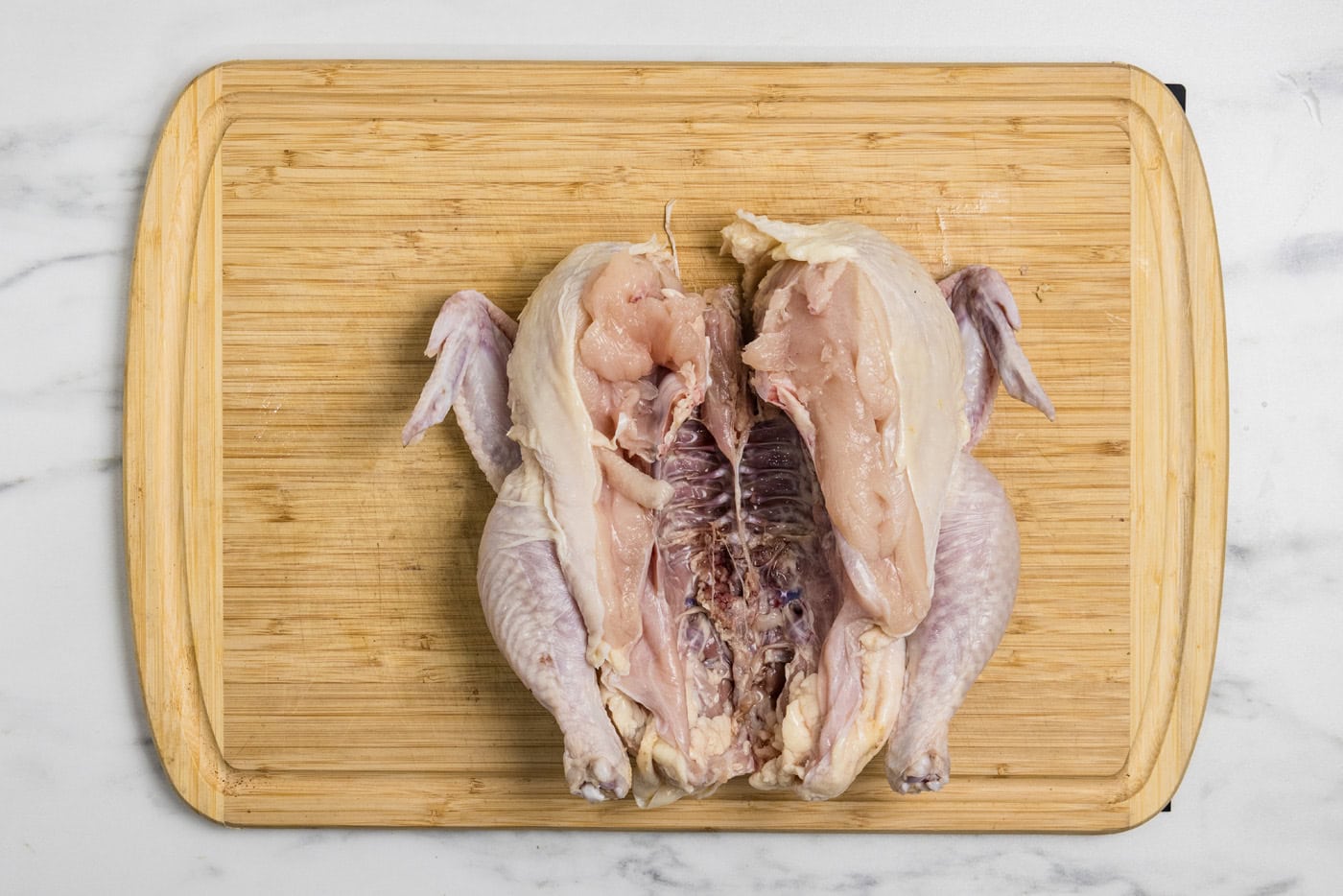
Credit: amandascookin.com
Risks Of Using Wood For Raw Chicken
Using a wooden cutting board for raw chicken can be risky. Wood absorbs liquids and food juices easily.
This can create a chance for harmful bacteria to grow. Cleaning wood properly is hard after cutting raw chicken.
Cross-contamination Dangers
Wooden boards have tiny cracks and pores. These spots can trap raw chicken juices.
Bacteria from raw chicken can spread to other foods or surfaces. This causes cross-contamination and food poisoning risks.
- Raw chicken juices soak into wood pores
- Bacteria hide in cracks and cuts on the board
- Other foods touching the board can get contaminated
- Cleaning may not remove all bacteria
Bacterial Growth And Survival
Wood keeps moisture longer than plastic or glass. This wetness helps bacteria grow and survive.
Some bacteria can live inside the wood for days. This makes the board unsafe for future use without deep cleaning.
- Moist wood creates a good place for bacteria
- Bacteria can live inside wood for a long time
- Regular washing may not kill all germs
- Board needs thorough drying and sanitizing
Benefits Of Wooden Cutting Boards
Wooden cutting boards are a popular choice for many kitchens. They offer several benefits over other materials.
These boards provide a good surface for cutting chicken and other foods safely and effectively.
Antibacterial Qualities Of Certain Woods
Some types of wood can help reduce bacteria on the surface. Wood has natural properties that fight bacteria growth.
Woods like maple and bamboo are known for their ability to keep cutting boards cleaner. This helps keep your kitchen safer.
- Wood fibers absorb and trap bacteria
- Natural oils in wood can kill germs
- Wood boards dry quickly, reducing bacteria
Durability And Knife Friendliness
Wooden cutting boards last a long time if cared for properly. They do not damage knives as much as harder surfaces.
Soft woods like maple protect knife edges. This helps keep your knives sharp longer and cuts better.
- Wood boards resist deep cuts and scratches
- They are gentle on knife blades
- Regular oiling keeps wood strong and smooth

Credit: food52.com
Proper Cleaning Techniques
Cleaning wooden cutting boards after cutting chicken is very important. Proper cleaning removes harmful bacteria that cause illness.
Wood is porous, so it needs special care to keep it safe and long-lasting. Use the right methods to clean and protect your wooden board.
Sanitizing Wooden Boards
To kill bacteria on wooden boards, use safe sanitizing solutions. Avoid harsh chemicals that can damage the wood.
- Wash the board with hot, soapy water after use.
- Rinse thoroughly with clean water.
- Spray or wipe the board with a mixture of one tablespoon bleach and one gallon of water.
- Let it sit for a few minutes to kill germs.
- Rinse the board again with clean water.
- Dry the board completely with a clean towel or air dry it upright.
Avoiding Damage During Cleaning
Wood can crack or warp if cleaned too roughly or left wet for too long. Use gentle care to keep your board strong and safe.
| Cleaning Action | What to Do | What to Avoid |
| Washing | Use warm water and mild soap | Avoid soaking the board in water |
| Scrubbing | Use a soft sponge or brush | Do not use steel wool or hard scrubbers |
| Drying | Dry with towel and air dry upright | Do not leave the board lying flat when wet |
| Oiling | Apply food-safe mineral oil regularly | Do not use cooking oils that go rancid |
Alternatives To Wooden Boards
Wooden cutting boards have a warm look but need careful cleaning. Some people worry about bacteria on wood. There are other cutting board types that are easy to clean and keep safe for food.
Choosing the right board helps keep your kitchen clean and your food safe. Here are some good alternatives to wooden cutting boards.
Plastic Cutting Boards
Plastic boards are very popular in many kitchens. They are easy to clean and can go in the dishwasher. Plastic does not absorb liquids like wood does, which helps stop bacteria from growing.
- Lightweight and easy to handle
- Come in many colors to avoid cross-contamination
- Can be replaced cheaply when worn out
- Some types resist knife marks better than others
Composite And Bamboo Options
Composite boards mix wood fibers with resin. They are harder than regular wood boards and resist water damage. Bamboo boards are made from fast-growing plants. They are strong and have natural antibacterial properties.
| Type | Material | Benefits | Care |
| Composite | Wood fibers + Resin | Durable, water-resistant, knife-friendly | Hand wash, avoid soaking |
| Bamboo | Bamboo plant | Strong, natural antibacterial, eco-friendly | Hand wash, dry quickly |
Expert Recommendations
Cutting chicken on a wooden cutting board is common in many kitchens. It is important to follow safety rules to avoid contamination.
Experts share tips to keep your food safe and your wooden board in good condition when handling chicken.
Food Safety Guidelines
Raw chicken can carry bacteria like salmonella. Clean your wooden board carefully after cutting chicken. Use hot soapy water right away.
Do not soak wooden boards in water. This can cause the wood to crack and trap bacteria inside.
- Wash board with hot water and soap after each use
- Dry board completely before storing
- Use separate boards for raw chicken and other foods if possible
- Sanitize with vinegar or diluted bleach if needed
Best Practices For Chicken Preparation
Use a sharp knife to cut chicken quickly and safely. This prevents slipping and reduces wood damage.
Always wash your hands before and after handling raw chicken. Keep raw chicken away from ready-to-eat foods.
- Cut chicken on a clean wooden board
- Do not reuse the board for vegetables without cleaning
- Store chicken in the fridge immediately after cutting
- Keep your cutting area clean and dry

Credit: www.caciopepemeals.com
Frequently Asked Questions
Is It Safe To Use Wood For Chicken?
Yes, wooden cutting boards are safe for chicken if maintained properly. Clean them immediately after use with hot, soapy water. Ensure they dry completely to prevent bacteria growth. Regularly apply mineral oil to keep the wood conditioned and less prone to absorbing moisture.
How Do You Sanitize A Wooden Board?
Sanitize a wooden cutting board with a vinegar solution. Mix equal parts of water and white vinegar. Apply it to the board and let it sit for a few minutes. Rinse with hot water and dry thoroughly. This method helps kill bacteria without damaging the wood.
Can Wooden Boards Absorb Chicken Juices?
Yes, wooden boards can absorb chicken juices. However, proper cleaning and seasoning reduce absorption. The board’s surface should be non-porous. Regularly applying food-grade mineral oil helps seal the wood. This maintains a barrier against moisture and prevents bacteria from penetrating the surface.
How Often Should You Oil Wooden Boards?
Oil wooden cutting boards once a month. This frequency keeps the wood conditioned and prevents cracking. Use food-grade mineral oil or beeswax for best results. Properly maintained boards are more resistant to moisture and less likely to harbor bacteria.
Conclusion
Cutting chicken on a wooden board is safe with care. Clean the board well after each use to avoid germs. Use separate boards for raw meat and vegetables to stay healthy. Wooden boards last long and feel good to use.
Keep them dry and oil them often to prevent cracks. A little care keeps your kitchen safe and your food tasty. Choose the right board and clean it well. Simple steps make a big difference in food safety.