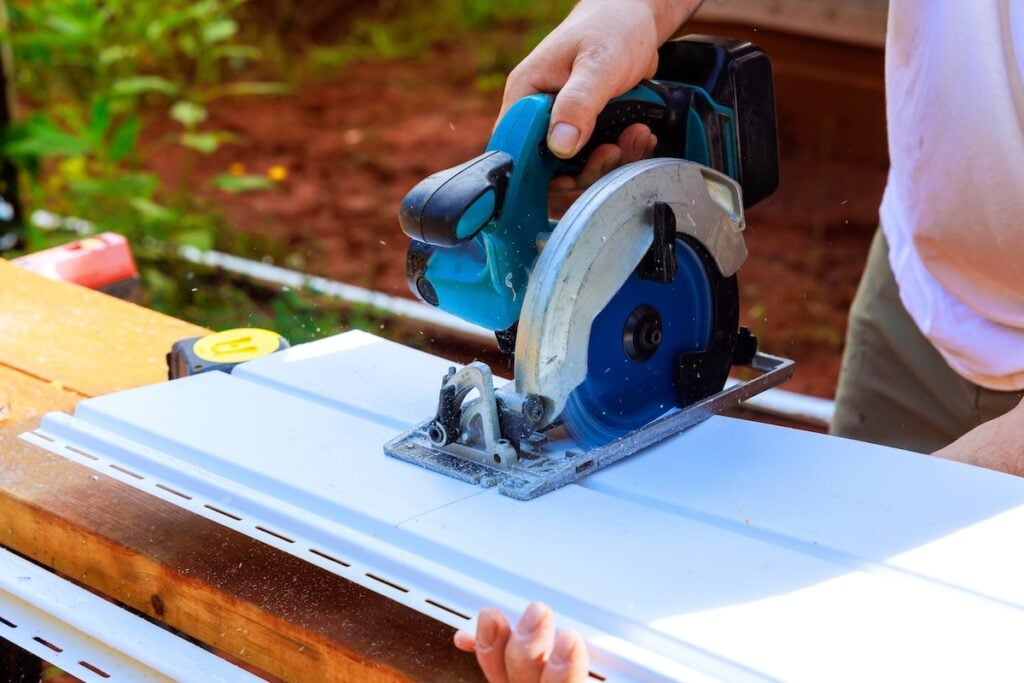
Are you planning to work with Hardie board and wondering if your regular saw blade can handle the job? Cutting Hardie board might seem straightforward, but using the wrong tools can lead to messy edges, wasted material, and even damage to your saw.
You’ll discover the truth about cutting Hardie board with a regular saw blade, learn the best methods to get clean cuts, and avoid common mistakes that could cost you time and money. Keep reading to make sure your project goes smoothly from start to finish.
Credit: bestexteriorsinc.com
Understanding Hardie Board
Hardie board is a popular siding material made from fiber cement. It offers durability and resistance to weather.
Many homeowners and builders wonder if they can cut Hardie board with a regular saw blade. Understanding the material helps answer this question.
What Is Hardie Board Made Of?
Hardie board combines cement, sand, and cellulose fibers. This mix creates a strong, dense panel that resists rot and fire.
Why Cutting Hardie Board Is Different
Hardie board is tougher than wood or vinyl siding. Cutting it needs special tools to avoid damaging the blade or the board.
- Contains cement and sand, making it hard and abrasive
- Produces fine dust harmful to breathe
- Can chip or crack if cut with the wrong blade
Types Of Saw Blades For Cutting Hardie Board
| Blade Type | Best Use | Notes |
| Carbide-tipped blade | Fiber cement cutting | Sharp and durable for clean cuts |
| Diamond blade | Wet cutting | Reduces dust and heat |
| Regular wood blade | Not recommended | Dulls quickly, may cause chipping |
Safety Tips When Cutting Hardie Board
Cutting Hardie board creates dust that can harm your lungs. Follow these safety tips:
- Wear a NIOSH-approved respirator mask
- Use eye protection and gloves
- Cut outdoors or in a well-ventilated area
- Use a dust collection system if possible
Types Of Saw Blades
Choosing the right saw blade is important when cutting Hardie board. Different blades work better for different materials.
Here we explain two main types of saw blades you may use: standard saw blades and specialized blades for Hardie board.
Standard Saw Blades
Standard saw blades are common and fit most saws. They work well with wood and soft materials but can struggle with Hardie board.
- Made from steel with carbide tips
- Designed for clean cuts in wood
- Often have 24 to 40 teeth
- Can overheat when cutting Hardie board
- May wear out faster on hard materials
Specialized Blades For Hardie Board
Specialized blades are made to cut Hardie board cleanly. They last longer and reduce dust compared to standard blades.
| Blade Type | Teeth Count | Material | Best Use |
| Diamond-Tipped | Continuous Rim | Diamond grit | Hardie board and tile |
| Carbide-Tipped | 60-80 | Carbide | Fiber cement and wood |
| Segmented Rim | Varies | Carbide or diamond | Heavy-duty cutting |
Challenges Of Cutting Hardie Board
Cutting Hardie board is not the same as cutting wood. This material is dense and made from cement and fibers.
Using a regular saw blade can cause some problems that affect both the work and the tools.
Dust Production
Cutting Hardie board creates a lot of dust. This dust is fine and can be harmful if inhaled. It also makes the work area dirty quickly.
- The dust can harm your lungs if you don’t wear a mask.
- Dust can settle on tools and cause damage over time.
- It can reduce visibility, making cutting less precise.
- Cleaning the dust takes extra time and effort.
Blade Wear And Tear
Hardie board is very tough on saw blades. Using a regular blade wears it out fast. The blade can get dull or even damaged.
| Blade Type | Effect on Blade | Cutting Quality |
|---|---|---|
| Regular Saw Blade | Wears out quickly, dulls fast | Rough edges, less clean cuts |
| Carbide-Tipped Blade | Lasts longer, resists wear | Smoother, cleaner cuts |
Expert Tips For Cutting
Cutting Hardie board requires the right tools and techniques. Using the wrong blade can cause damage or uneven cuts. Follow simple tips to get smooth results.
This guide explains how to pick the right blade and stay safe while cutting Hardie board with a regular saw blade.
Choosing The Right Blade
Not all saw blades work well for Hardie board. The board is dense and contains cement, which wears down blades quickly. Use blades designed for cutting fiber cement or similar materials for best results.
- Carbide-tipped blades last longer and cut cleaner.
- A blade with 40 to 60 teeth helps reduce chipping.
- A fine-toothed blade prevents rough edges.
- A blade with a high tooth count cuts more slowly but smoother.
- Regular saw blades may work but dull fast and cause dust.
Safety Precautions
Cutting Hardie board creates a lot of dust that can harm your lungs. Always protect yourself and your workspace.
| Safety Gear | Purpose |
|---|---|
| Dust Mask or Respirator | Protect lungs from harmful dust |
| Safety Glasses | Protect eyes from dust and debris |
| Gloves | Protect hands from sharp edges |
| Ear Protection | Reduce noise from power tools |
| Work in Ventilated Area | Reduce dust concentration |
Alternatives To Regular Saw Blades
Cutting Hardie board requires the right tools to avoid damage. Regular saw blades often wear out fast or cause chips. You can use other tools designed for fiber cement materials.
These alternatives help you cut Hardie board cleanly and safely. They reduce dust and improve the cut quality.
Fiber Cement Cutting Tools
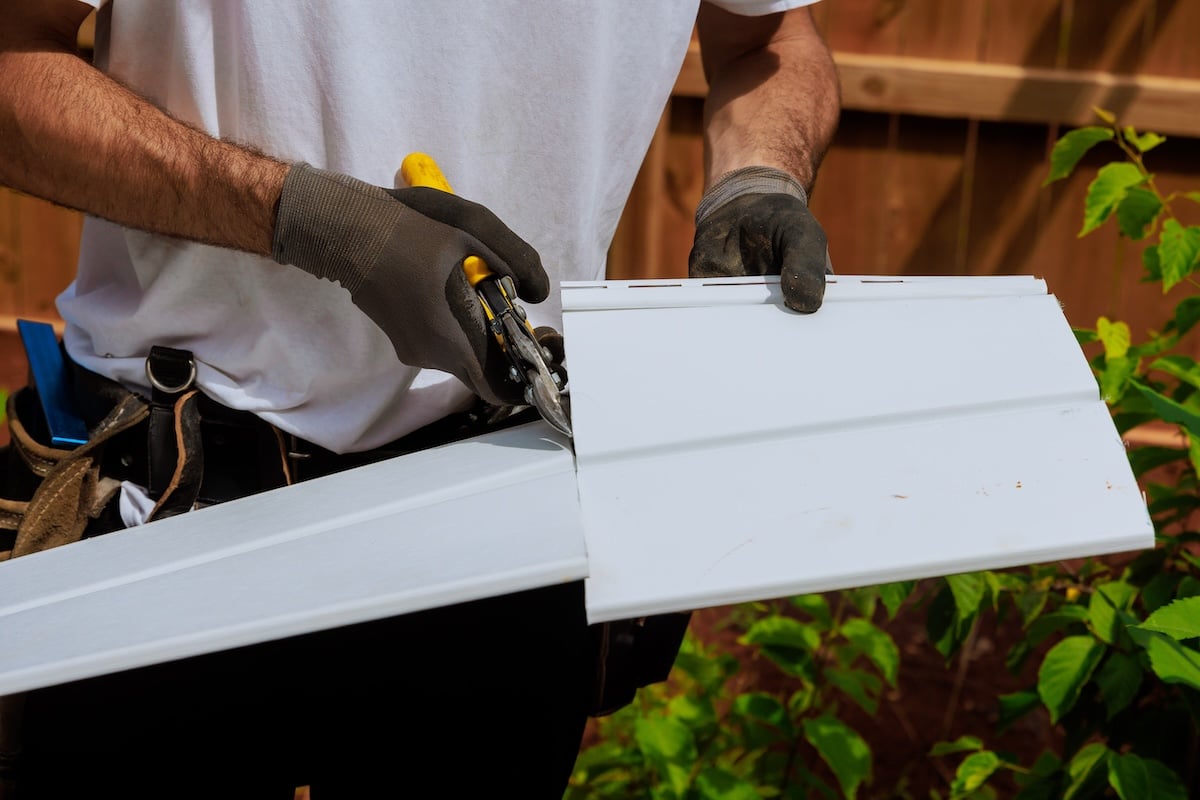
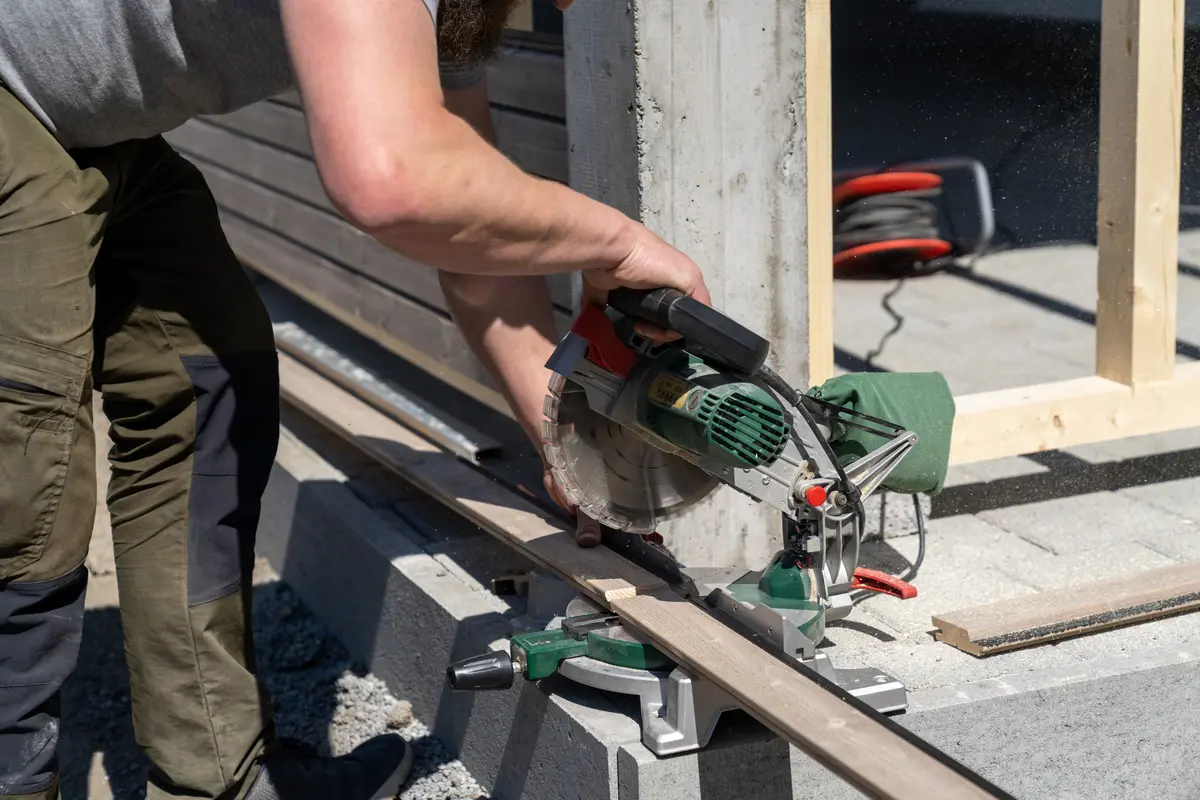
Special saw blades with carbide tips work best for fiber cement. They last longer and make smooth cuts. You can use a circular saw, angle grinder, or jigsaw fitted with these blades.
- Carbide-tipped circular saw blades
- Diamond-tipped blades for angle grinders
- Blade guards to reduce dust
- High-speed jigsaw blades made for fiber cement
Using water or dust extractors helps keep the work area clean. It also protects your lungs from harmful dust particles.
Scoring And Snapping Method
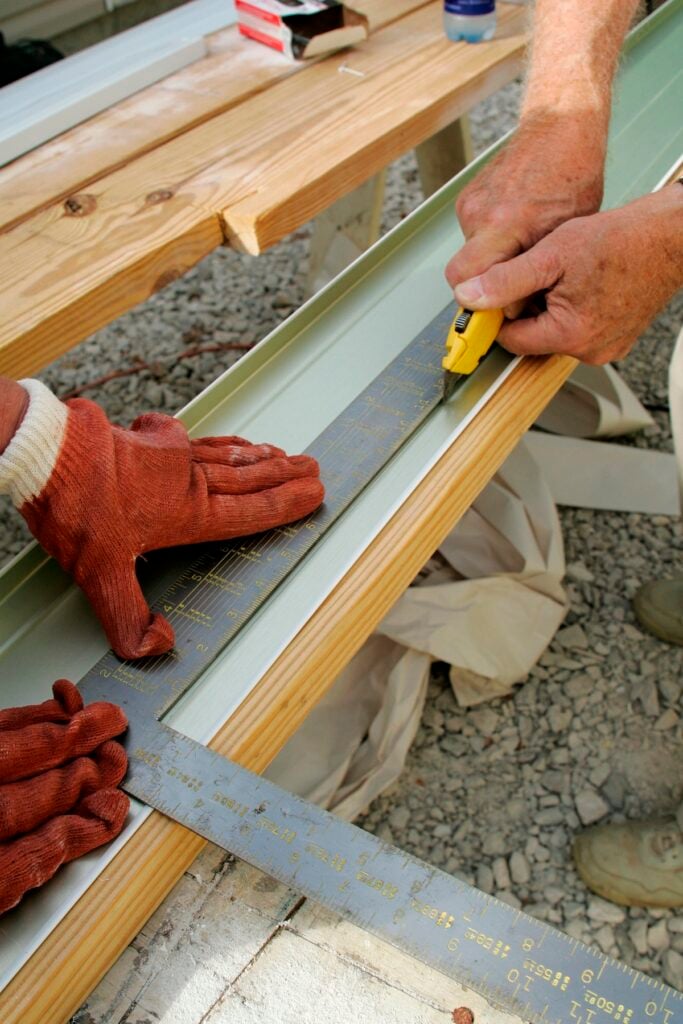
This method does not use saw blades at all. You score the Hardie board deeply with a carbide scoring tool. Then snap it along the scored line.
| Tool | Purpose |
| Carbide scoring knife | Cut the surface layer |
| Straight edge | Guide the scoring line |
| Work table | Support the board for snapping |
This method creates less dust and noise. It is quick and easy for straight cuts. It also helps avoid blade wear and tear.
Credit: veteranscontractingllc.com
Maintaining Your Tools
Keeping your saw blades and other tools in good condition helps you cut Hardie board cleanly. Proper care makes your tools last longer and work better.
Regular maintenance prevents damage and keeps your work safe and efficient.
Cleaning And Storage
After each use, remove dust and debris from your saw blade. Use a soft brush or cloth to clean teeth and edges carefully. Avoid moisture to stop rust.
- Brush off dust and residue after cutting
- Wipe blades with a dry cloth to remove moisture
- Store blades in a dry place away from humidity
- Use blade covers or cases to prevent damage
Sharpening Techniques
Sharp blades make cleaner cuts and reduce wear on your tool. Use the right sharpening tools and methods to keep teeth sharp.
| Sharpening Method | Tool Needed | Tip |
| Hand Filing | Flat file | File each tooth evenly |
| Rotary Tool | Dremel with grinding bit | Use light pressure |
| Professional Service | Sharpening machine | Send blades for precise sharpening |
Common Mistakes To Avoid
Cutting Hardie board requires the right tools and techniques. Using a regular saw blade can cause problems.
Here are common mistakes to avoid when cutting Hardie board with a regular saw blade.
Using The Wrong Blade Type
Regular saw blades often have teeth not designed for fiber cement. This can cause chipping or rough edges.
Use blades made for fiber cement or carbide-tipped blades for a cleaner cut.
Cutting Too Fast
Cutting Hardie board quickly can overheat the blade. This dulls the blade and makes cutting harder.
Slow and steady cutting helps prevent damage to both the board and the blade.
Not Wearing Proper Safety Gear
Hardie board dust is harmful to breathe. Regular saw blades create a lot of dust when cutting.
Always wear a mask, safety glasses, and gloves to protect yourself.
Ignoring Support For The Board
Hardie board is heavy and can break if not properly supported during cutting.
Use a stable surface and support the board well to avoid cracks or breaks.
Not Marking The Cut Line Clearly
Without a clear cut line, you may make uneven cuts or waste material.
Use a pencil and straight edge to mark the board before cutting.
Credit: bestexteriorsinc.com
Pros And Cons Of Different Cutting Methods
Cutting Hardie board requires the right tools for clean edges and safety. Different saw blades and tools offer various results.
This guide compares cutting methods to help you choose the best option for Hardie board projects.
Using A Regular Saw Blade
Regular saw blades can cut Hardie board but have limits. They are common and easy to find.
They wear out fast and may cause rough edges or cracks. Dust is heavy, so wear protection.
Using A Diamond Blade
Diamond blades cut Hardie board cleaner and last longer. They reduce chipping and make smooth cuts.
They cost more but save time and reduce waste. Use water to cool the blade and reduce dust.
Using A Carbide-tipped Blade
Carbide-tipped blades work well on Hardie board. They stay sharp longer than regular blades.
- Cut fast with less effort
- Produce less dust than regular blades
- Can be expensive initially
- Require proper saw compatibility
Using A Score And Snap Method
This method uses a scoring tool and snapping the board. It avoids sawdust and power tools.
It works best for thin Hardie boards and straight cuts. Curves or thick boards need saws instead.
Comparison Table Of Cutting Methods
| Method | Pros | Cons |
| Regular Saw Blade | Easy to find, low cost | Wears fast, rough cuts, more dust |
| Diamond Blade | Clean cuts, long-lasting | Higher cost, needs water cooling |
| Carbide-Tipped Blade | Sharp, less dust, fast cutting | Expensive, needs compatible saw |
| Score and Snap | No dust, no power tools | Limited to thin boards, straight cuts only |
Frequently Asked Questions
Can You Cut Hardie Board With A Regular Saw Blade?
Yes, you can cut Hardie board with a regular saw blade, but it’s not ideal. A carbide-tipped blade designed for fiber cement works best to avoid excessive wear and dust.
What Is The Best Saw Blade For Hardie Board?
The best saw blade for Hardie board is a carbide-tipped blade with 40-60 teeth. It ensures clean cuts and prolongs blade life.
Is It Safe To Cut Hardie Board With A Regular Saw?
Cutting Hardie board with a regular saw can be unsafe due to dust. Always wear a mask and safety goggles to protect yourself.
How To Reduce Dust When Cutting Hardie Board?
To reduce dust, use a blade with dust control features or cut outdoors. Wearing a respirator mask also helps protect your lungs.
Conclusion
Cutting Hardie board with a regular saw blade is possible but not ideal. Regular blades wear out fast and may cause rough edges. Using a carbide-tipped blade gives cleaner cuts and lasts longer. Always wear safety gear to protect yourself from dust and chips.
Take your time and measure carefully before cutting. Good tools make the job easier and safer. Choose the right blade for better results and less effort.