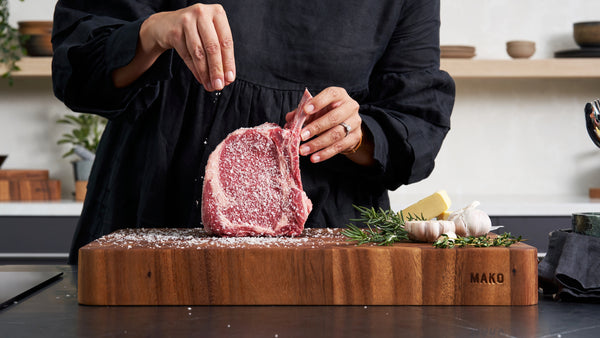
Are you wondering if it’s safe and smart to cut meat on your wood cutting board? You might have heard mixed advice, leaving you unsure about your kitchen choices.
The truth is, what you use to prepare your meals can affect not just taste but also your health. You’ll discover the facts about wood cutting boards and meat, learn how to keep your board clean, and find out if wood is the right choice for your kitchen.
Keep reading—you don’t want to miss these important tips that could change the way you cook forever.

Credit: www.foodandwine.com
Wood Cutting Boards And Meat
Wood cutting boards are popular in kitchens. Many people wonder if they can cut meat on them safely.
This article explains types of wood boards and wood’s natural properties for cutting meat.
Types Of Wood Boards
Wood cutting boards come in different types. Each type has unique features for handling meat.
- Maple: Hard and dense, maple is a common choice for cutting meat.
- Walnut: Dark and strong, walnut boards resist knife marks well.
- Cherry: Smooth and fine-grained, cherry boards are gentle on knives.
- Bamboo: Technically grass, bamboo is hard and durable but not true wood.
Choose a wood board that is durable and easy to clean after cutting meat.
Wood’s Natural Properties
Wood has natural properties that help keep cutting boards clean. Wood can absorb moisture and fight bacteria.
- Wood fibers close when dry, trapping bacteria inside.
- Wood contains natural oils that reduce bacteria growth.
- Wood boards heal small cuts over time, reducing germs.
- Hard wood resists deep knife marks where bacteria hide.
Wood boards need regular cleaning and drying to stay safe for meat cutting.

Credit: www.wikihow.com
Safety Concerns With Meat
Cutting meat on a wood cutting board raises safety questions. It is important to know the risks involved.
Understanding bacteria growth and how wood absorbs liquids can help keep food safe.
Bacteria And Cross-contamination
Raw meat can carry harmful bacteria. These germs can spread to other foods if not handled carefully.
- Always clean the board after cutting raw meat.
- Use separate boards for meat and vegetables.
- Wash hands before and after handling meat.
- Sanitize cutting boards regularly to kill bacteria.
Porosity And Absorption Risks
Wood boards are porous. They can soak in meat juices and bacteria inside tiny holes.
| Material | Porosity | Risk of Absorbing Bacteria |
| Wood | High | Yes, if not cleaned well |
| Plastic | Low | Less likely, easier to sanitize |
| Glass | None | No absorption, but can dull knives |
Expert Tips For Using Wood Boards
Wood cutting boards are popular for their durability and knife-friendly surface. Many wonder if cutting meat on them is safe. Proper care keeps wood boards clean and lasting long.
Learn how to clean, sanitize, and maintain your wood cutting board when using it for meat. These tips help avoid bacteria and keep your board in good shape.
Proper Cleaning Techniques
Cleaning wood boards after cutting meat is key to prevent germs. Use warm water and mild soap. Avoid soaking the board to stop wood damage.
- Rinse the board with warm water immediately after use.
- Scrub with a soft brush or sponge and mild dish soap.
- Rinse well to remove all soap residue.
- Dry the board with a clean towel or air dry standing up.
- Never put wood boards in the dishwasher.
Sanitizing Methods
Sanitize wood boards to kill bacteria after cutting raw meat. Use natural or chemical sanitizers safely to avoid harming the wood.
| Sanitizing Method | How to Use | Notes |
| White Vinegar | Spray or wipe board, let sit 5 minutes, rinse | Natural and safe for wood |
| Hydrogen Peroxide (3%) | Apply, let foam for 10 minutes, rinse well | Effective but avoid frequent use |
| Diluted Bleach (1 tbsp/1 gallon water) | Wipe board, wait 2 minutes, rinse thoroughly | Use sparingly, can damage wood |
Maintenance And Care
Keep your wood board in good condition with regular care. This prevents cracks and warping that can trap bacteria.
- Apply food-safe mineral oil monthly to seal the wood.
- Use a wood conditioner or beeswax to protect the surface.
- Store the board standing upright to dry fully.
- Sand rough spots lightly to remove deep cuts.
- Replace boards with deep cracks or heavy damage.
Alternatives To Wood Boards
Wood cutting boards are popular but not always the best choice for cutting meat. Some alternatives offer easier cleaning and less risk of bacteria. These options can fit different kitchen needs and preferences.
Below are two common alternatives to wood boards. Each has unique features that make them suitable for cutting meat safely.
Plastic Cutting Boards
Plastic cutting boards are a top choice for many kitchens. They are non-porous, which means they do not absorb juices from meat. This makes them easier to clean and sanitize.
- Dishwasher safe for thorough cleaning
- Available in various colors to avoid cross-contamination
- Often cheaper than wood or composite boards
- Lightweight and easy to handle
Composite And Bamboo Options
Composite boards combine wood fibers with resin. Bamboo boards come from a fast-growing grass. Both are harder than typical wood boards.
| Feature | Composite Boards | Bamboo Boards |
| Durability | High | High |
| Porosity | Low | Medium |
| Maintenance | Easy | Moderate |
| Eco-Friendliness | Moderate | High |
| Cost | Moderate | Moderate |
Best Practices For Meat Preparation
Cutting meat on a wood cutting board can be safe if you follow the right steps. Wood boards are durable and gentle on knives.
It is important to keep your meat preparation area clean. This helps stop germs from spreading to other foods.
Separate Boards For Different Foods
Using separate cutting boards for meat and other foods lowers the risk of cross-contamination. Raw meat can carry harmful bacteria.
Keep one board only for raw meat and another for fruits, vegetables, or cooked foods. This keeps your kitchen safer.
- Label boards to avoid mix-ups
- Use color-coded boards if possible
- Clean boards thoroughly after each use
Safe Handling And Storage
Always wash your hands before and after handling raw meat. This stops bacteria from spreading around your kitchen.
Store raw meat in sealed containers or bags in the fridge. Keep it below cooked foods to prevent drips.
- Clean cutting boards with hot soapy water
- Sanitize wood boards regularly to kill germs
- Replace boards with deep cuts to avoid bacteria buildup

Credit: www.reddit.com
Frequently Asked Questions
Is It Safe To Cut Meat On Wood?
Yes, it’s safe if the board is well-maintained. Ensure it’s clean and free of deep cuts. Regularly sanitize with vinegar or hydrogen peroxide. Proper maintenance prevents bacteria buildup.
How Do You Clean A Wood Cutting Board?
Clean with hot soapy water after each use. Avoid soaking it in water. Dry immediately with a towel. Occasionally, use vinegar or hydrogen peroxide for deeper cleaning.
Can Wood Boards Harbor Bacteria?
Yes, but proper care minimizes risks. Regular cleaning and drying prevent bacterial growth. Oil the board monthly to maintain its condition.
Are Wood Boards Better Than Plastic For Meat?
Wood boards are more durable and self-healing. They resist deep cuts where bacteria can hide. Proper maintenance is crucial for hygiene.
Conclusion
Wood cutting boards can be safe for cutting meat with care. Clean them well after every use to stop germs. Use separate boards for meat and vegetables to avoid cross-contamination. Wood can absorb juices, so dry the board quickly. Regular oiling helps keep the board in good shape.
With simple steps, wood boards work fine for meat. Keep your kitchen safe and your food fresh. Choose the right board and follow these tips. Cutting meat on wood is possible and safe.